A comma butterfly (Polygonia c-album), so-called for the small white comma-shaped mark on underside of its hind wing.
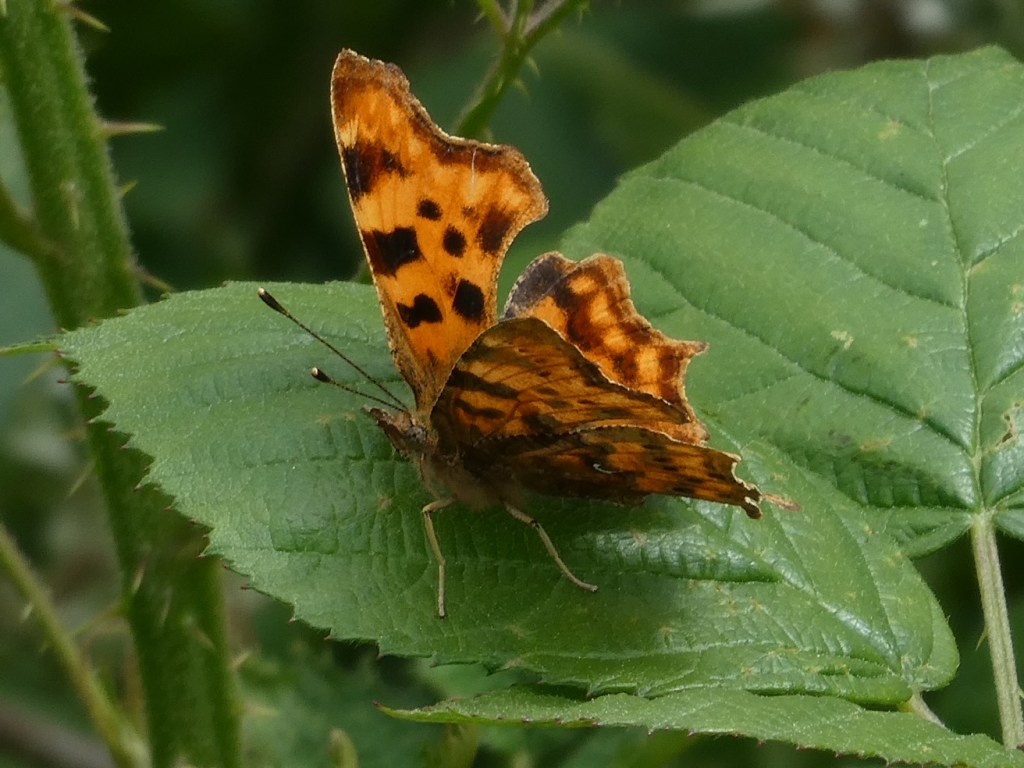

All images take in the reserve by Clive Knight
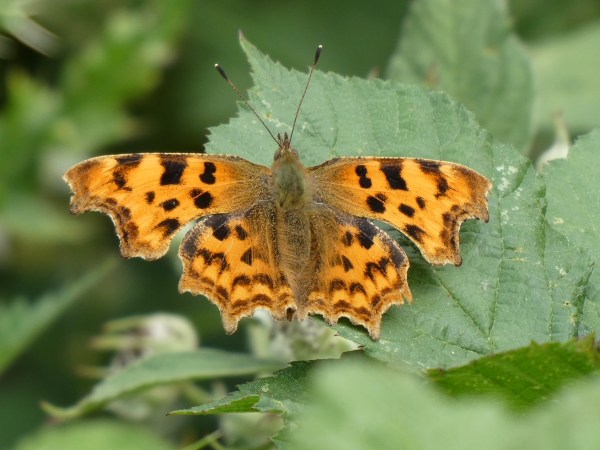
A comma butterfly (Polygonia c-album), so-called for the small white comma-shaped mark on underside of its hind wing.
All images take in the reserve by Clive Knight
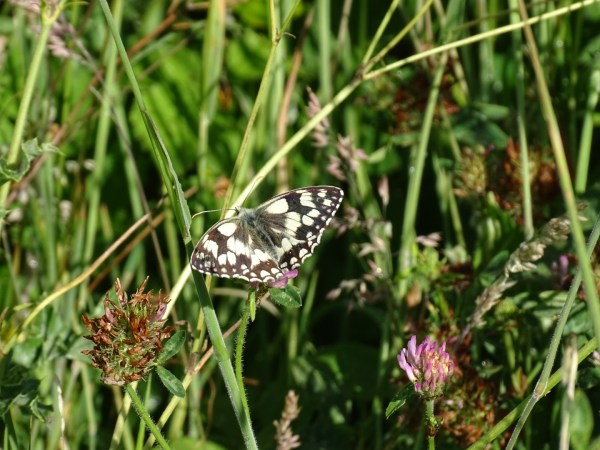
The distinctive marbled white (Melanargia galathea) is common and widespread in southern England. At this time of year it chooses unimproved meadow grassland, showing a preference for purple flowers such as wild marjoram, thistles, knapweeds and red clover. The caterpillars feed on grasses particularly red fescue.


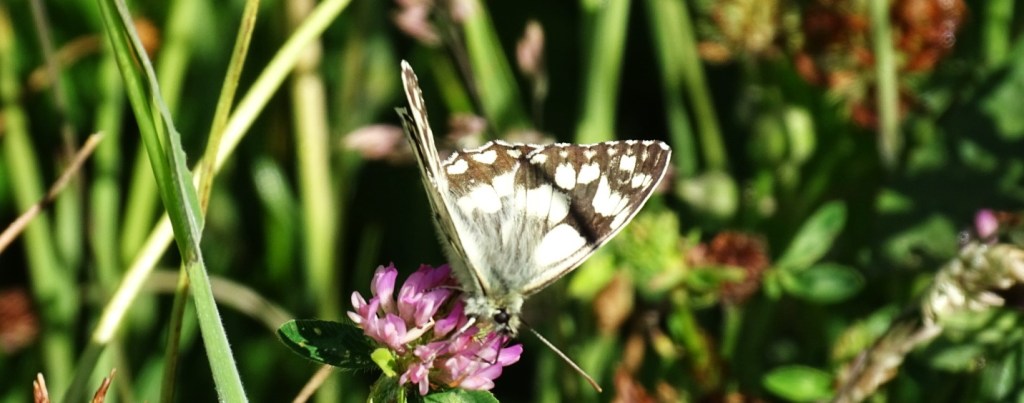
All images taken in the reserve
[1] Mating marbled whites by Ian Bushell) [2] Marbled white male by Ian Bushell [3]Marbled white feeding on red clover by Cheryl Cronnie
Header Image by Cheryl Cronnie
Conservation Status
Butterfly Conservation priority: Low
European status: Not threatened


I have had a few early mornings in the reserve in an effort to photograph butterflies before they get too active. It has often been quite breezy, which has made it challenging to get some good images. But one morning I was fortunate to find this common blue that I was able to get reasonably close to, and during the periods when the wind briefly dropped, I was able to fire off a few shots.
Continue reading “Chasing butterflies”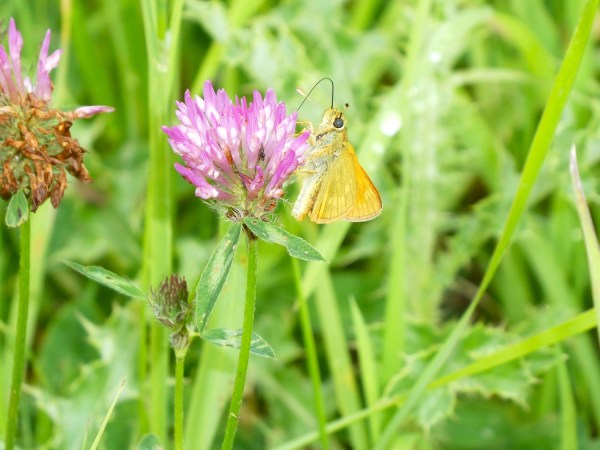
A small skipper (Thymelicus sylvestris) feeding on red clover, photographed in the reserve by Ian Bushell.
Conservation priority: low.
Distribution: common and widespread.
Population trend since 1970’s – down by 7%

A beautiful photograph of a speckled wood (Pararge aegeria) against a backdrop of buttercups, taken in the reserve by Cheryl Cronnie.
Continue reading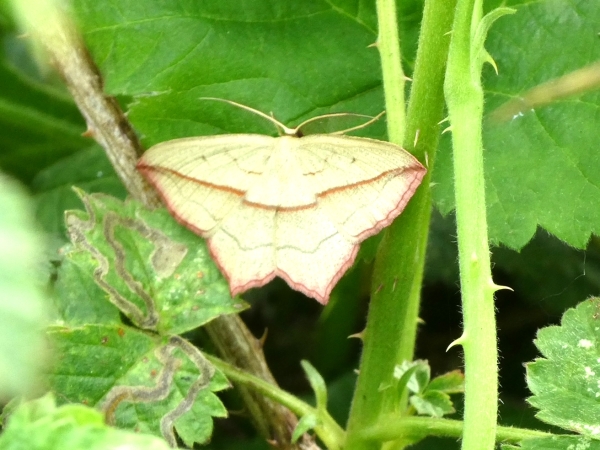
A blood vein moth photographed in the reserve by Clive Knight
Continue reading
While they were tidying up the edge of the big pond last week, the Friends found a drinker moth caterpillar (Euthrix potatoria), so called because it is believed to drink drops of dew on grass stems.
Continue reading “Drinker moth caterpillar”
A Sunday Stroll
by Ian Bushell
As it was so pleasant, we thought we would take a gentle Sunday afternoon stroll.
Continue reading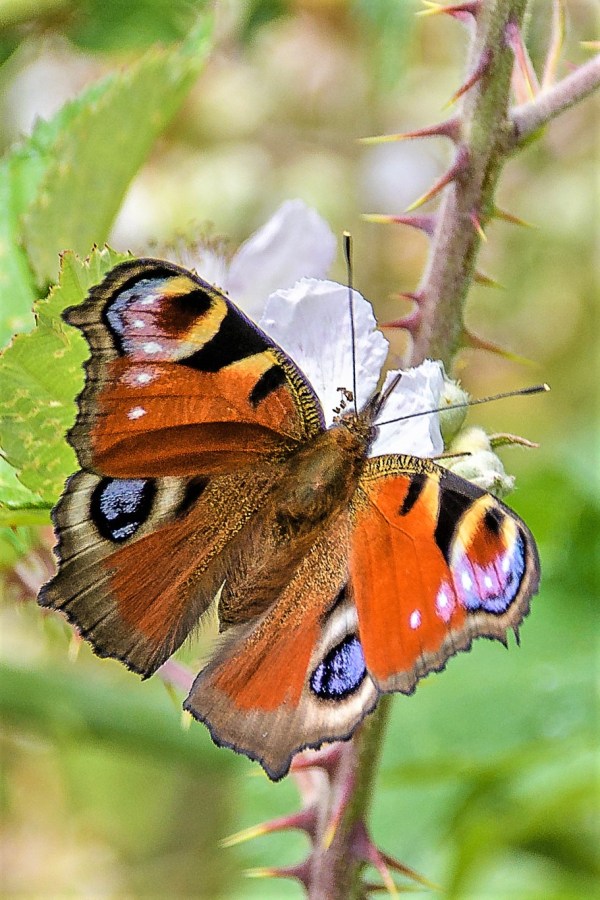
Butterflies
The spring weather has brought our butterflies out of hibernation. On Wednesday, Ian reported a peacock, brimstones, commas and a small tortoiseshell.


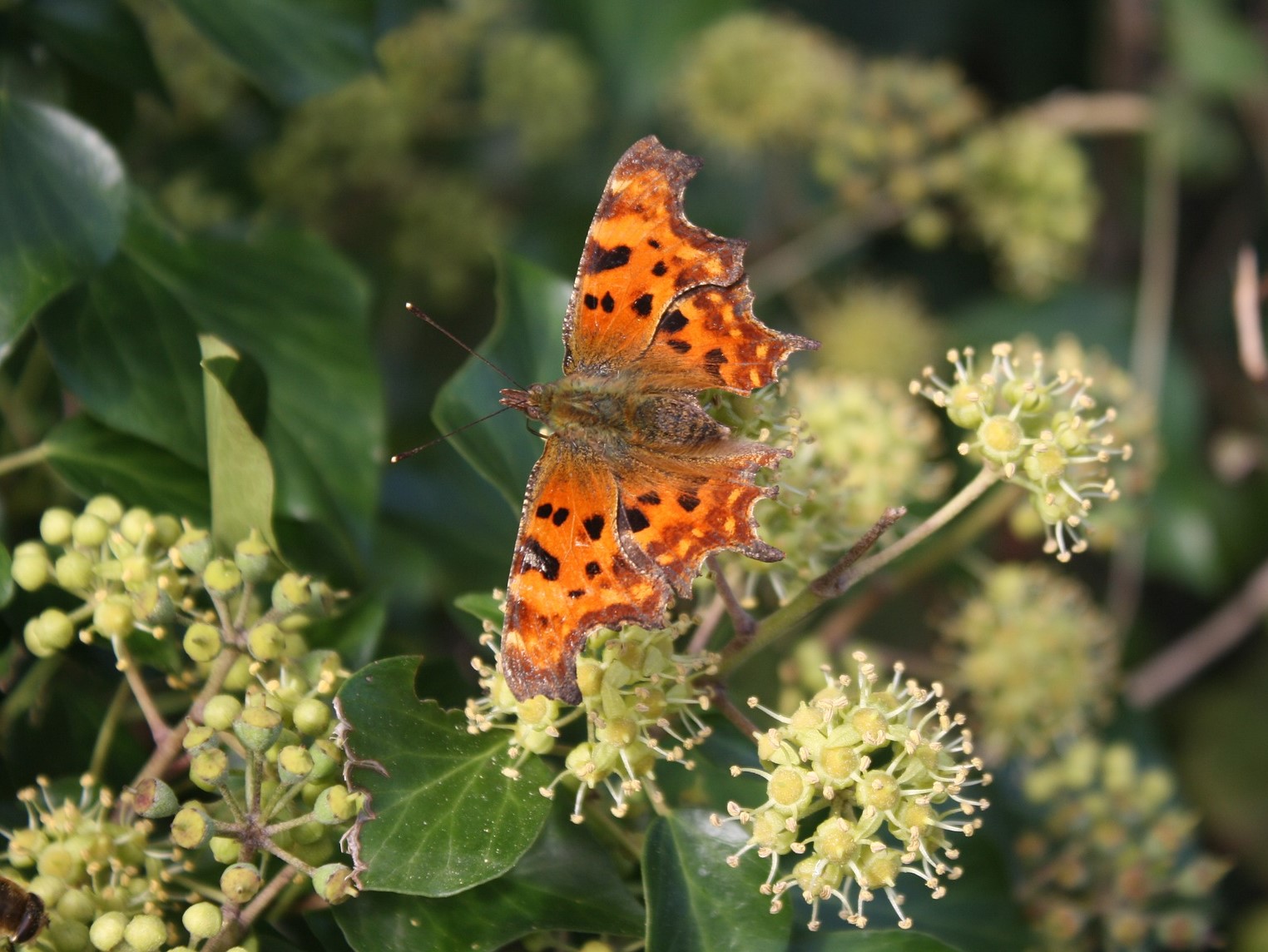
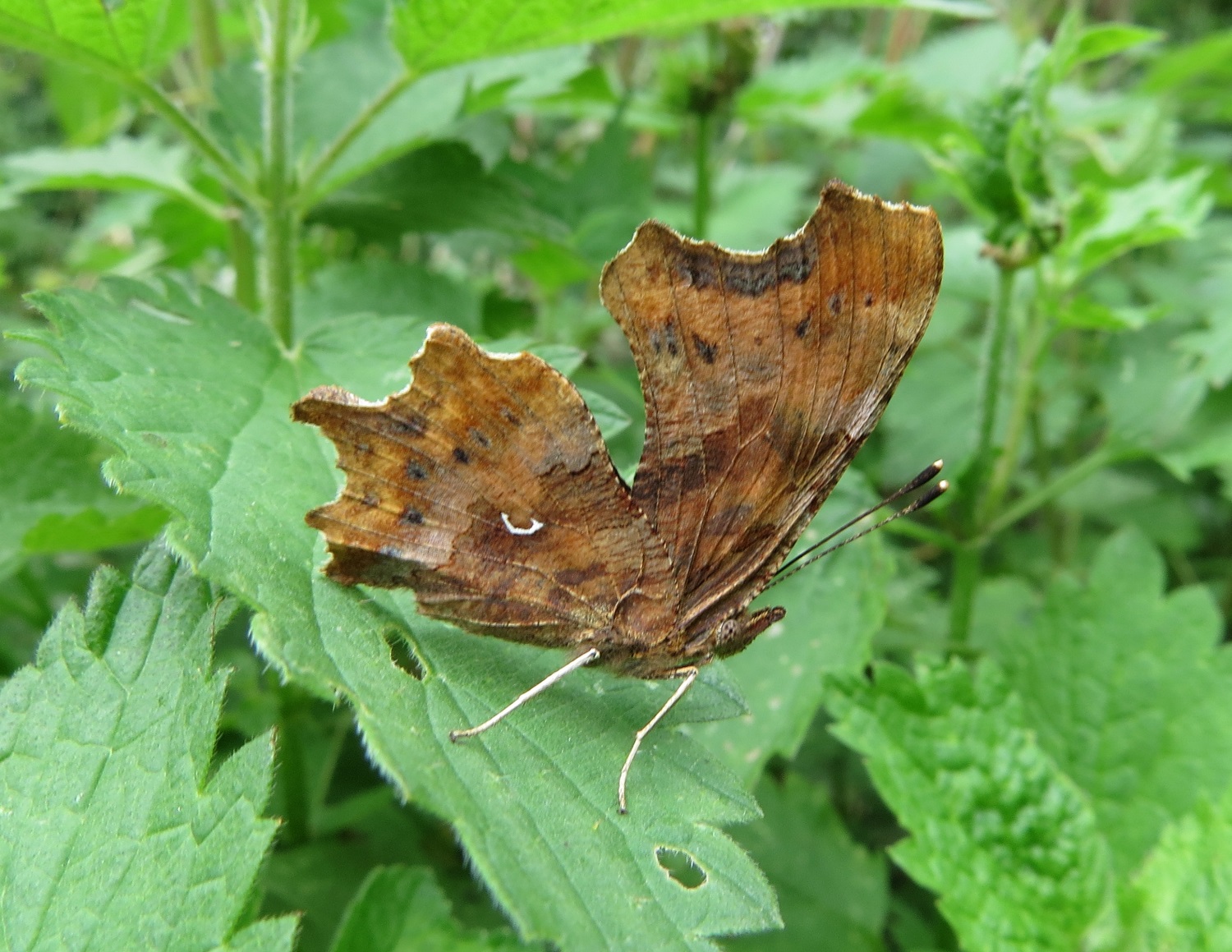
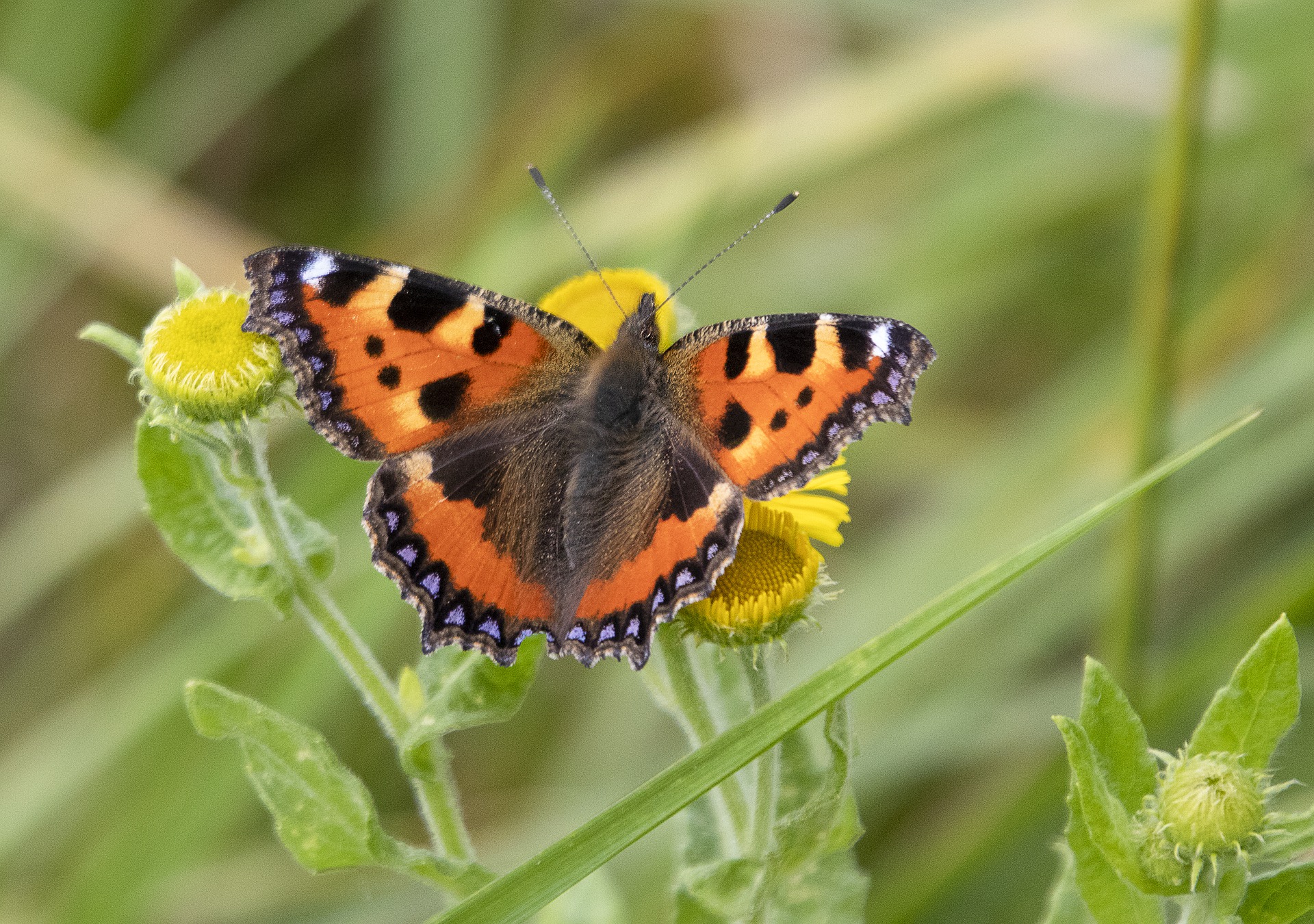

1&2 Brimstone 3&4 Comma 5&6 Small tortoiseshell.
Header Image: peacock by DKG
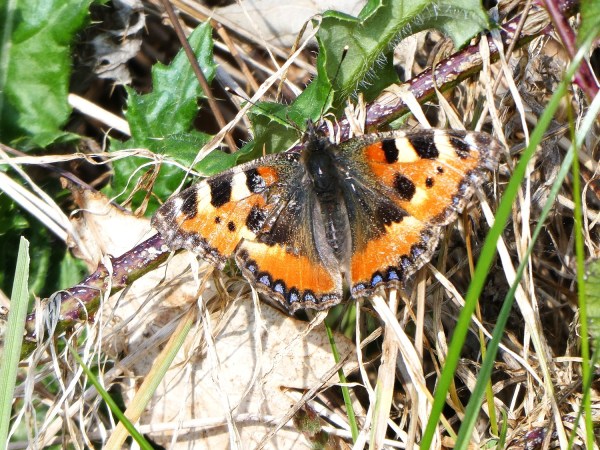
Fresh out of hibernation, a small tortoiseshell (Aglais urticae), photographed by Clive Knight in the reserve on Monday.
Continue reading
It’s not often that the reserve’s first reported butterfly of the year is a comma. This pair, basking in the sunshine, were photographed by Clive Knight on Monday.


Milkmaids is one of the many common names of Cardamine pratensis, a spring-flowering plant that loves our damp meadows and stream edges. In Wiltshire we know it more often as lady’s smock or, because it flowers when the cuckoo returns to Britain, as cuckoo flower.
Continue reading “Eight maids a-milking”
Another lucky dip into remote corners of our species lists wins us the knot grass moth (Acronicta rumicis), a night flyer of open grassland and woodland edges.
Continue reading “Knot grass moth”
The Winter moth (Operophtera brumata) is one of the few moth species that can cope with winter’s freezing temperatures in its adult stage. They are endothermic which means that they can produce heat internally by biochemical processes, just as warm-blooded creatures do.
Continue reading “Winter moths”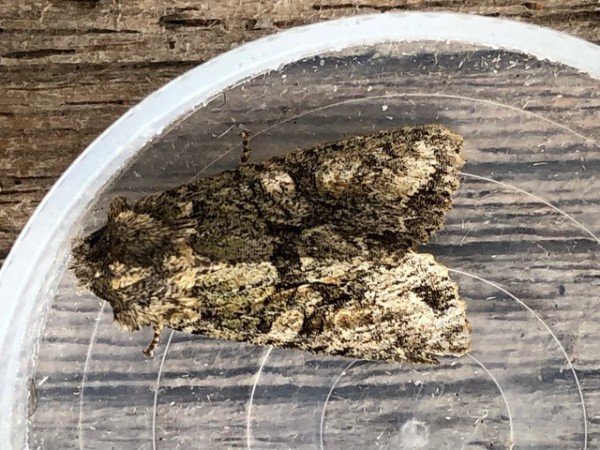
by Ian Bushell
Last Sunday we were invited by Simon and Carey, the owners of Southwick Court, to carry out a moth trapping in their garden. In the evening Hugo and I set up the moth trap in the old orchard and we returned on Monday morning to see what had flown into the trap and to identify them. Carey brought us hot tea and took many photographs.
Continue reading “Moth trapping at Southwick Court “
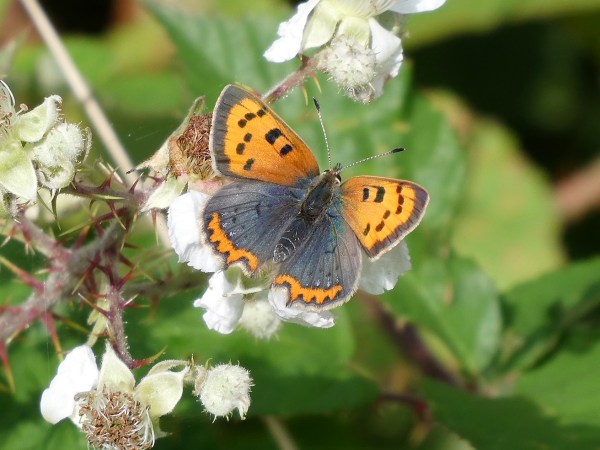
One of the delights of September is a pristine, newly hatched, late brood small copper butterfly. This one was was photographed last week in the reserve by Clive Knight.
Continue reading “Small copper”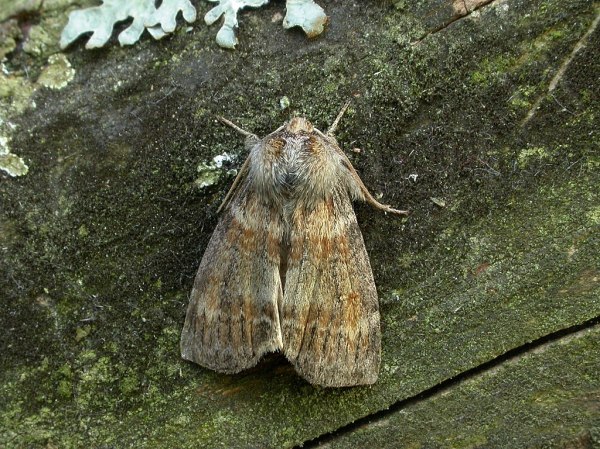
During last week’s moth trapping in Village Green, Ian and Hugo identified an oak lutestring (Cymatophorima diluta), a UK Biodiversity Action Plan Priority Species, classified as scarce and local. This is the thirteenth BAP priority species of Lepidoptera identified in the reserve: the hard work we put into our woodland habitat is paying off!
Continue reading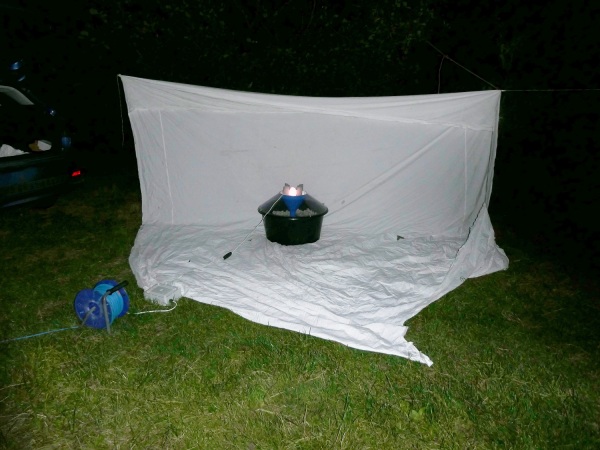
by Ian Bushell
These are the results from Tuesday (03.09.21) evening’s moth trapping with lepidopterist Hugo Brooke.
Continue reading “Moth trap”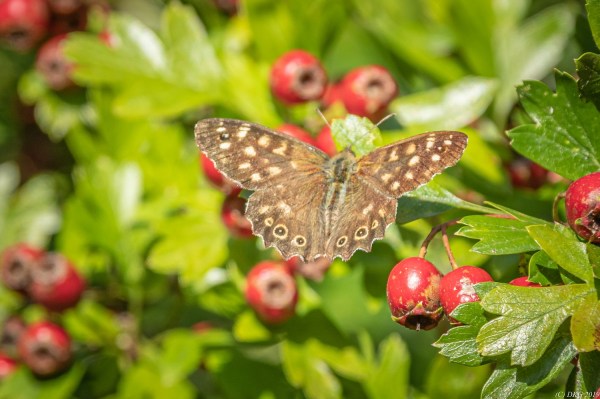
This late in the year, there are few butterflies about but there is always a speckled wood (Pararge aegeriais) somewhere. Here is one on hawthorn berries photographed in September 2019 by DKG.
Continue reading “Speckled wood”
Ian Bushell conducted a Butterfly Transect in the reserve at the weekend.
The transect route in the park samples its habitat types and management units. Butterflies are recorded in a band five metres wide along the transect. Transect walks are undertaken between 10.45am and 3.45pm and only when weather conditions are suitable for butterfly activity.
Here are the results.
Continue reading “Butterfly transect”
The white-letter hairstreak, so named because the white lines on its underwing form a W, is the emblem of the Wiltshire Branch of Butterfly Conservation and is the focus of a project to return this butterfly to our countryside.
Continue reading
Towards the end of July, a second brood holly blue butterfly (Celastrina argiolus) was spotted in the reserve and photographed by Clive Knight.
Continue reading “Holly Blue”
A beautiful small tortoiseshell (Aglais urticae) feeding on ragwort, photographed yesterday in the reserve by Clive Knight.

The past couple of weeks in the park have brought me some wonderful highs and unfortunately, some truly depressing lows. I will get the lows out of the way first, as I want to end on a positive note.
Continue reading


 Southwick Country Park Nature Reserve