Field maple flowers
Field or hedge maple (Acer campestre) photographed yesterday at the top of Simpson’s Field.
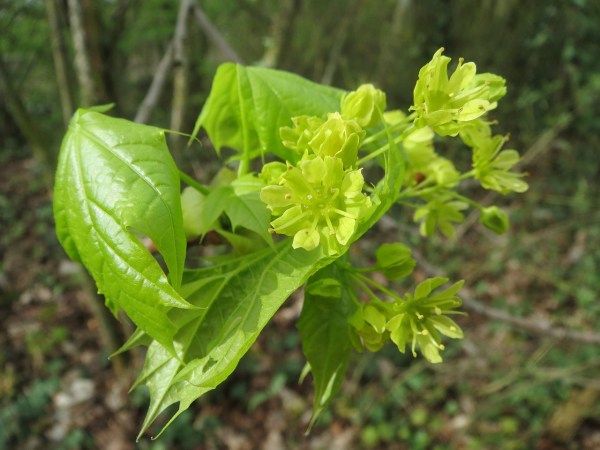
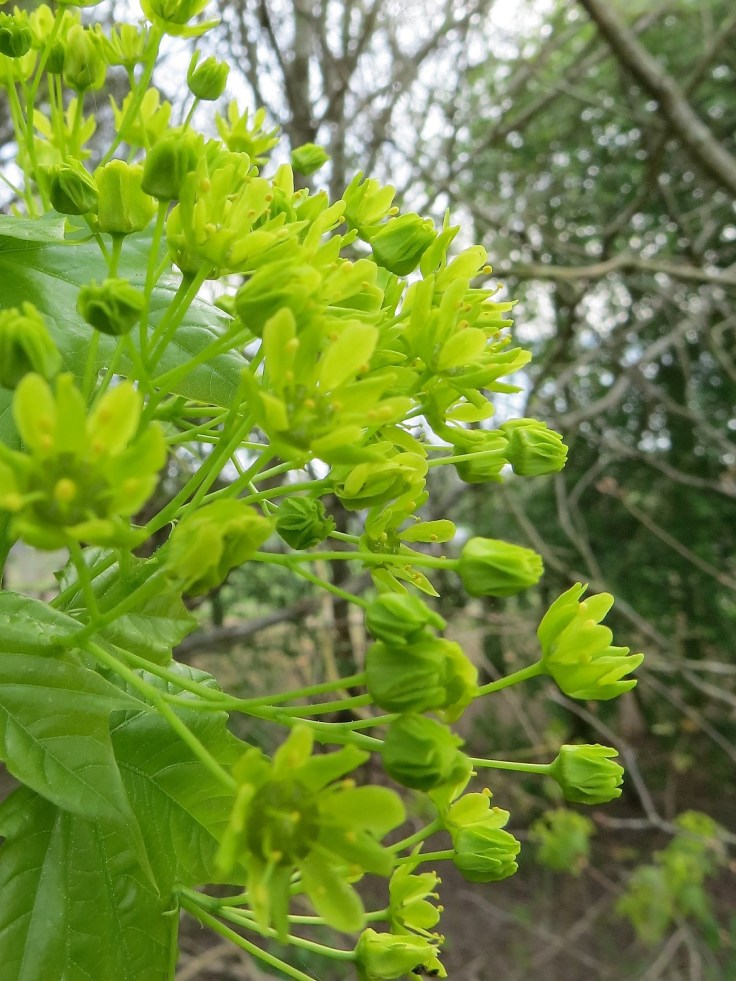

Field or hedge maple (Acer campestre) photographed yesterday at the top of Simpson’s Field.
By Ian Bushell
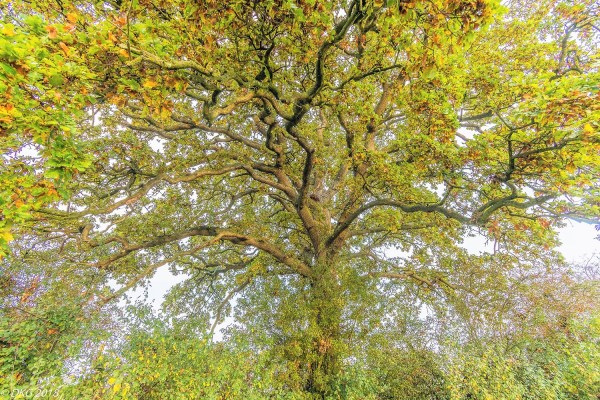
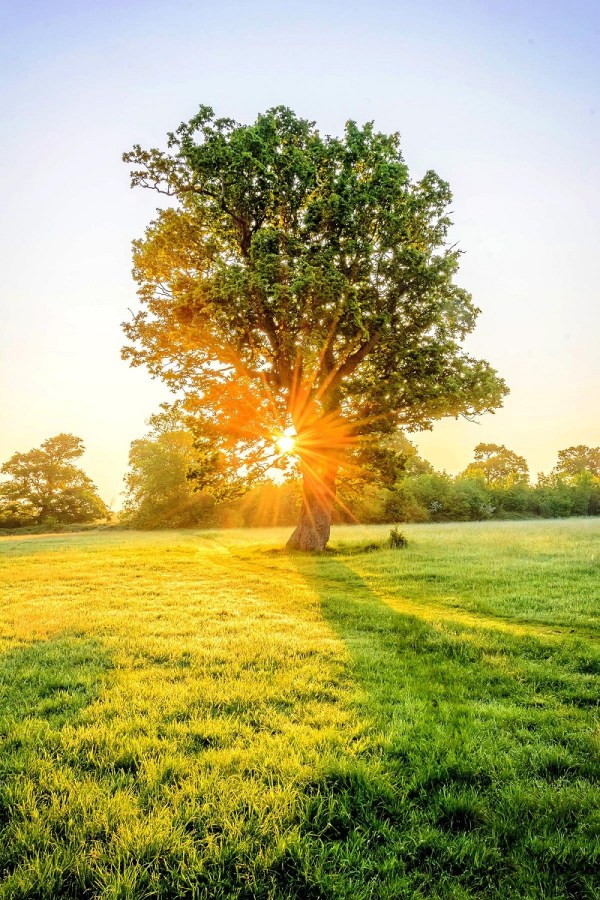
Southwick Country Park has a number of veteran oaks and ten ancient oaks. There are no hard and fast rules about when and why an oak tree becomes classified as veteran or ancient; in different environments and soils oaks grow at different rates and girth is only an indicator. Here the underlying Oxford clay provides an excellent medium and the trees are large and shapely.
Continue reading “The Park’s Veteran Oaks”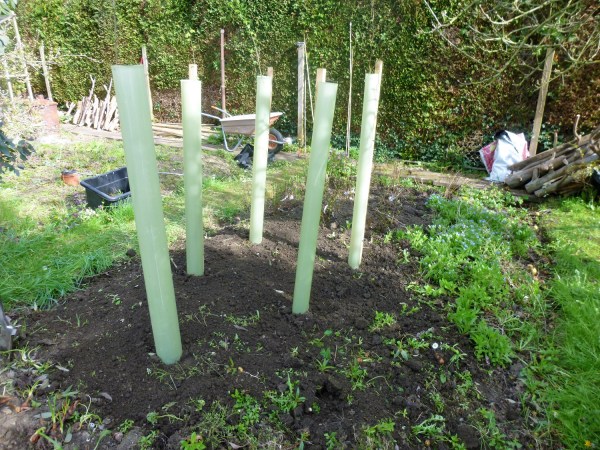

The Covid-19 lockdown has interrupted our plans for the five disease resistant elms donated to the park by Butterfly Conservation as part of their rescue plan for the white letter hairstreak butterfly.
Continue reading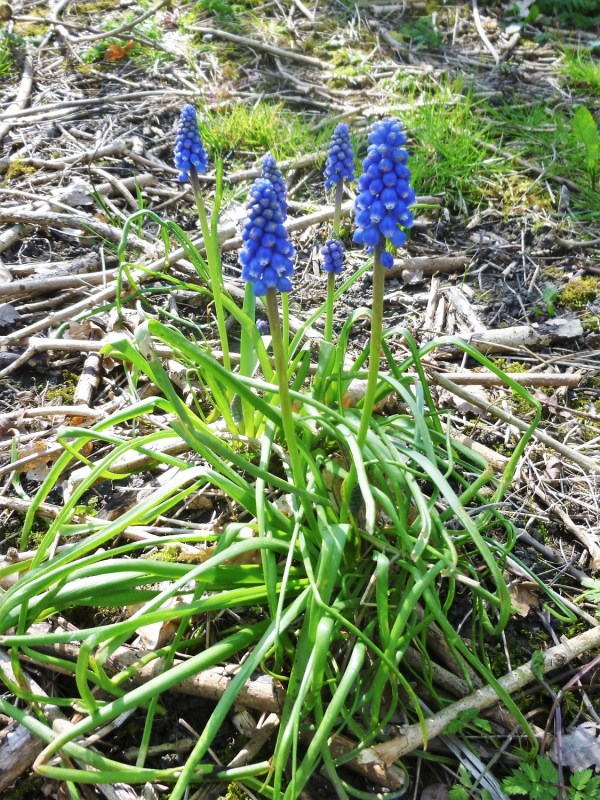
by Ian Bushell
I took my permitted exercise at the park over lunchtime. There were just eight cars when I arrived at noon and only fifteen when I left an hour later. People were well spaced all around the park; everybody seems to be taking the new regulations seriously.
Continue reading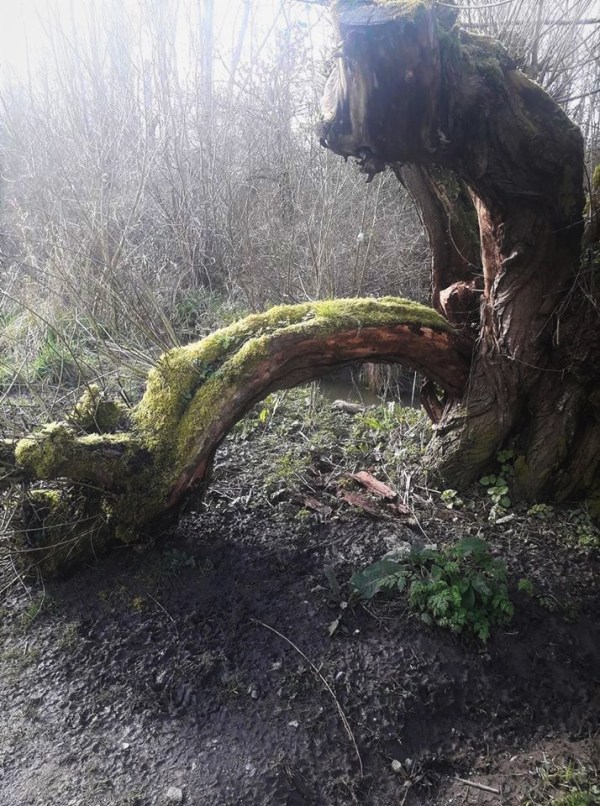
Mail from Ian Bushell:
Continue reading “A Stroll in the Park”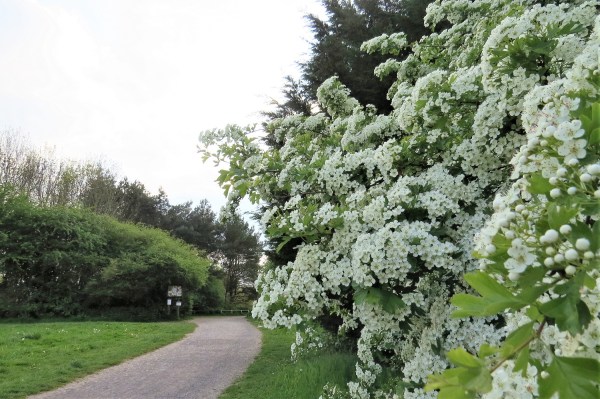
The Woodland Trust has given us 420 sapling trees: rowan, dogwood, silver birch, hawthorn, hazel and wild cherry.
Continue reading “Trees”
Somebody has stripped bark from the whole length of the trunk of tree number 5477. Why would anybody do that?
Continue reading “What happened here?”
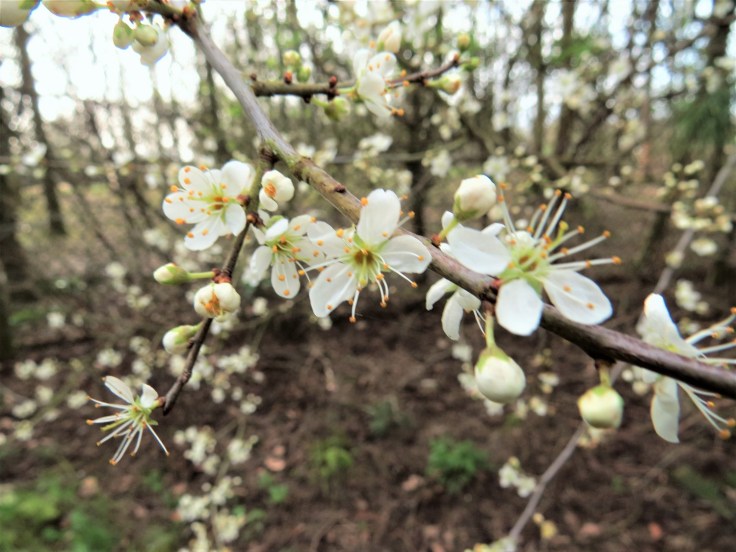
Despite being battered by the weekend’s storm, the blackthorn is just beginning to flower; you’ll find it at the top of the hill as you leave Simpson’s Field.


As always, the first flowers of the year are the hazel catkins: a familiar and friendly sign that spring is on its way.
Continue reading
In the park, we have lost many of our ash saplings to ash dieback and the disease is spreading rapidly.
Continue reading

Equinox means equal night, and today, the 23rd of September, there will be equal amounts of darkness and daylight all over the World.
Continue reading
Hawthorn is an important winter food source for birds; they’re the favourite berry of blackbirds, redwings and fieldfares and are enjoyed by many other of the park’s species, including chaffinches, starlings and greenfinches.
Haws are edible though they are said to taste like overripe apples. Traditionally they were used to make jellies, wines and ketchup. They are such a prolific crop, so pretty and nearly always within reach; sometimes it seems a shame that we don’t make better use of them.
Let’s leave them to the birds: an autumnal bonanza.
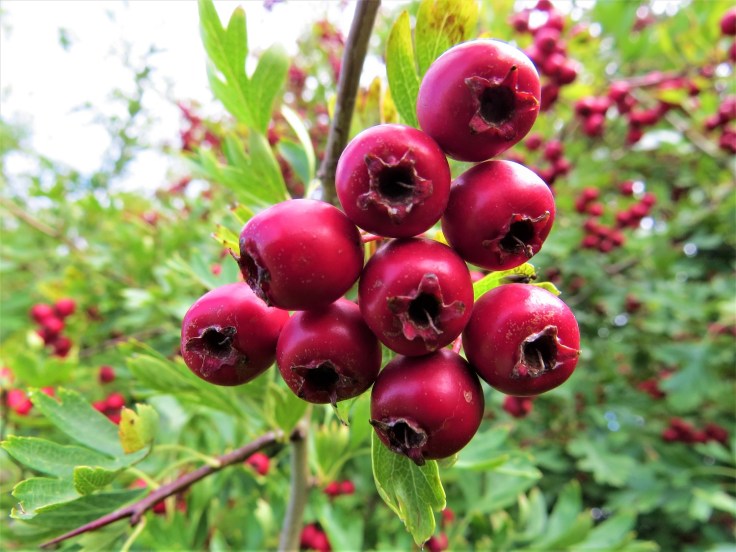
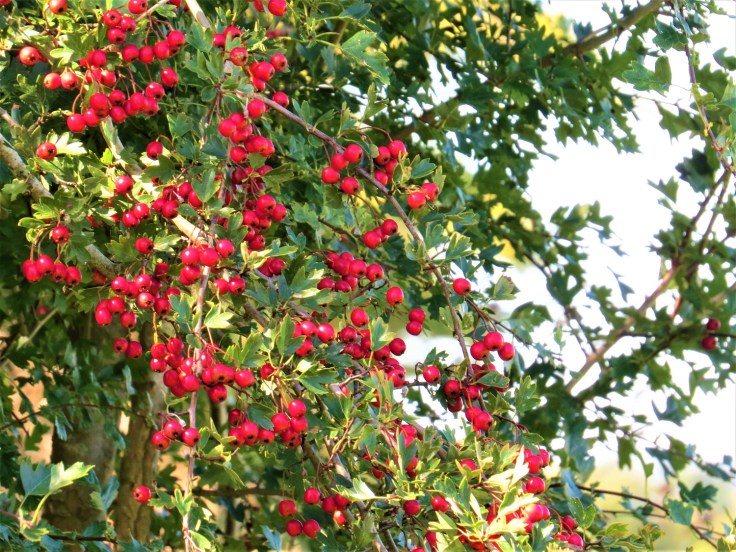
Another autumnal bonanza:
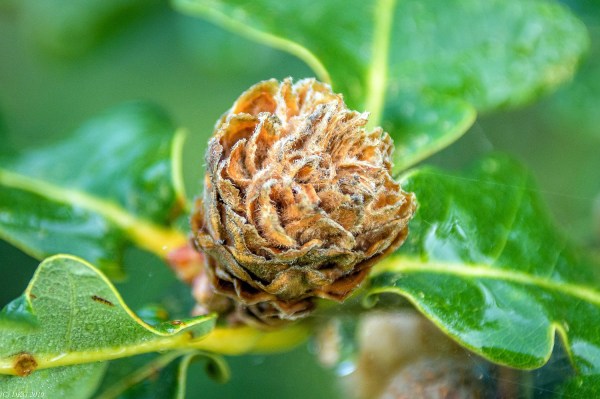
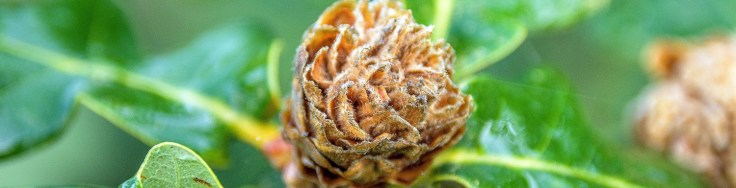
An artichoke gall on an oak tree photographed by DKG last week. The artichoke gall wasp (Andricus foecundatrix) lays its eggs in the leaf buds of an oak tree; the egg and the growing larva produce chemicals that force the tree’s extraordinary outgrowth.
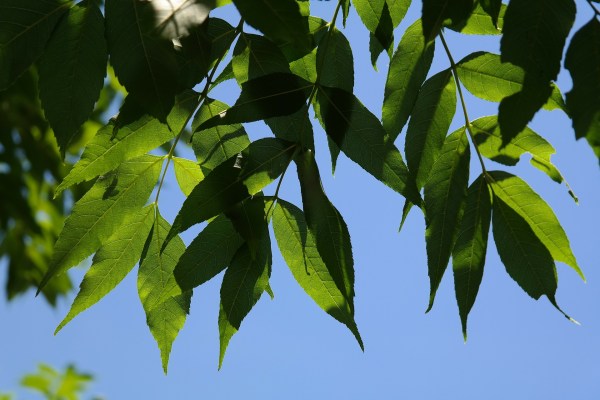
Ash dieback is a disease that is especially deadly to Britain’s native ash trees, Fraxinus excelsior.
Continue reading “Ash dieback”
The climate scientists are finally persuaded that Southwick Country Park’s solution to global warming is the right way to go. They should have asked us sooner.
Continue reading “Growing trees”
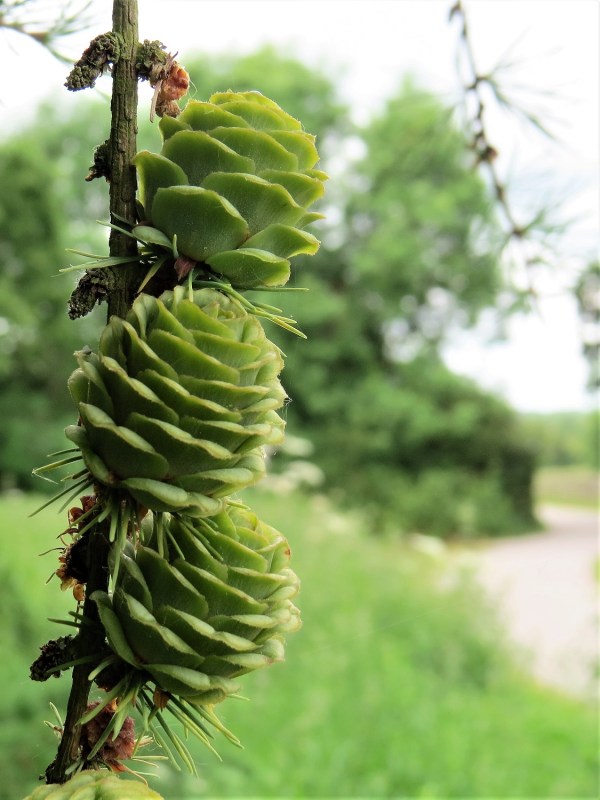
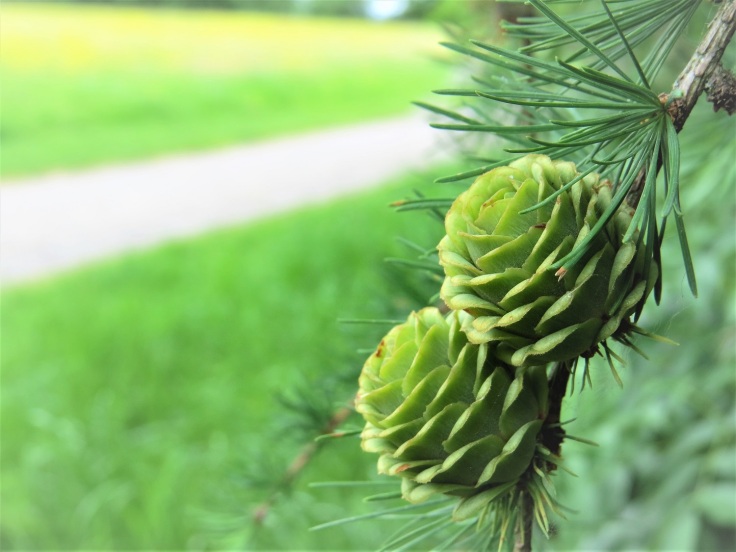
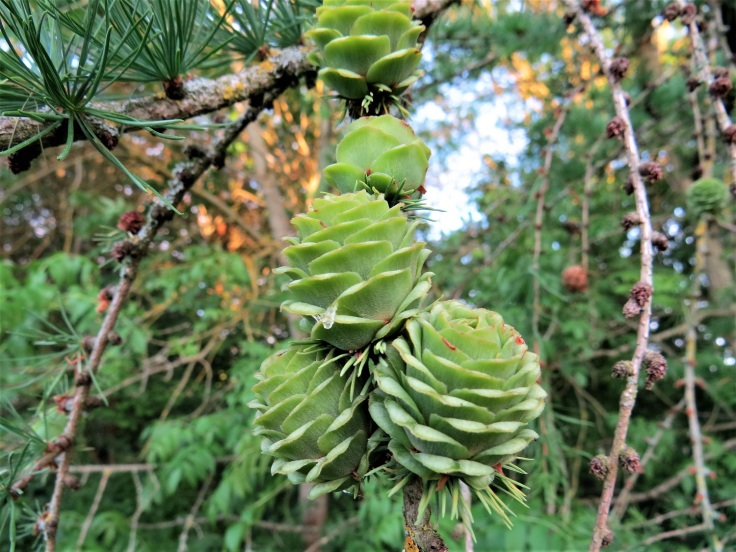
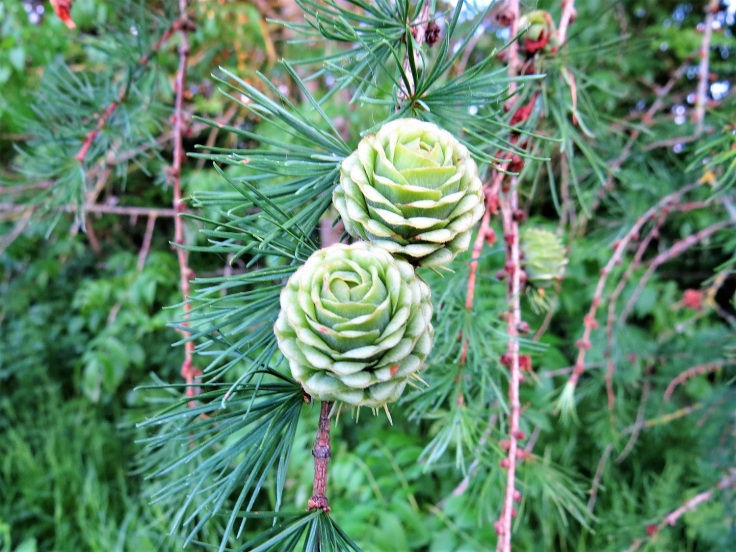
Elena Aschiopoaiei has emailed her pictures of rain-soaked larch cones in the park.
Continue reading
In the middle of the park, the hawthorn blossom is pink; not uniformly pink but definitely pink in places. It seems to be confined to the hedges at the bottom end of Sleepers Field right through to the hedge at the top of the little triangular field that doesn’t have a name. It’s very pretty.
Continue reading “Pink hawthorn”
This is the blossom of the hawthorn tree. It is also called may or mayflower, and the hawthorn tree is still sometimes called a may tree.
Continue reading “Mayflower”
These are the flowers of an oak tree. Oaks are monoecious; they have male flowers and female flowers on the same tree.
Continue reading “Oak flowers”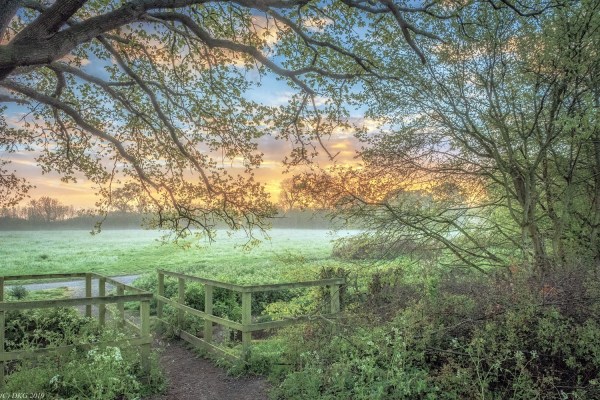
There was a frost on Saturday night.
Continue reading “Late frost”



 Southwick Country Park Nature Reserve