Snake’s head fritillaries photographed in the park last week.
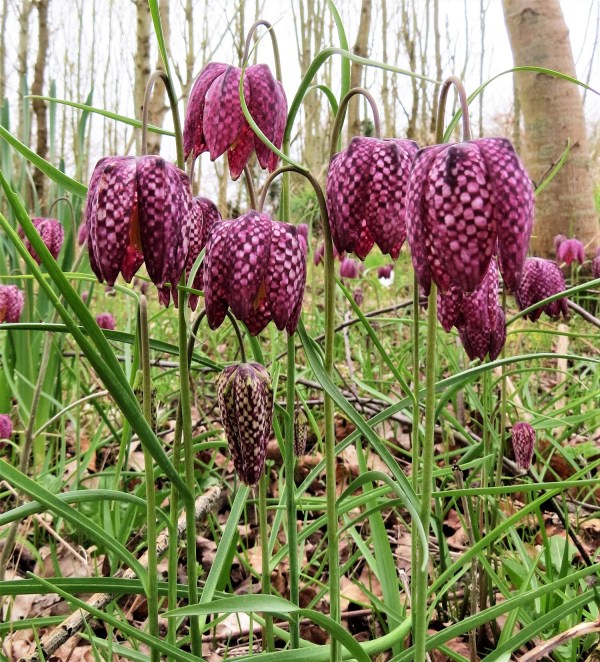
Snake’s head fritillaries photographed in the park last week.



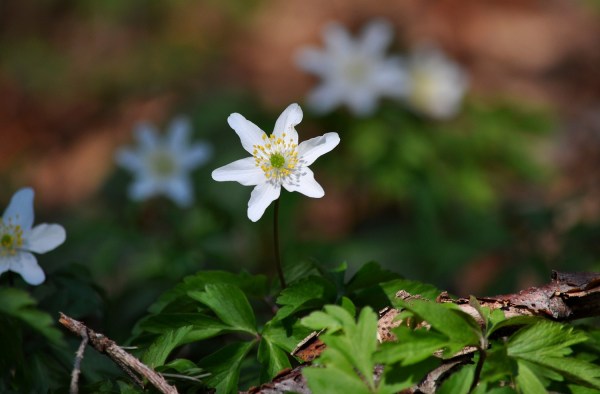
The wood anemone (Anemone nemorosa) is a member of the Ranunculaceae family, a close cousin to all the buttercups.
Continue reading “Wood anemones”
Our blackthorn blossom has been beautiful this year.
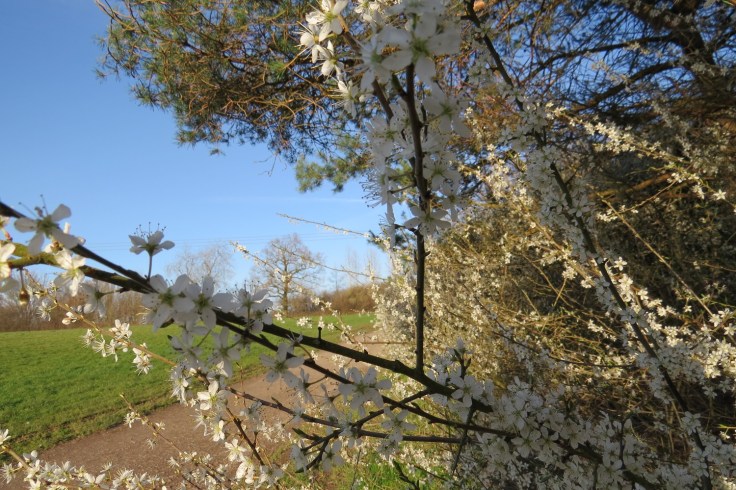
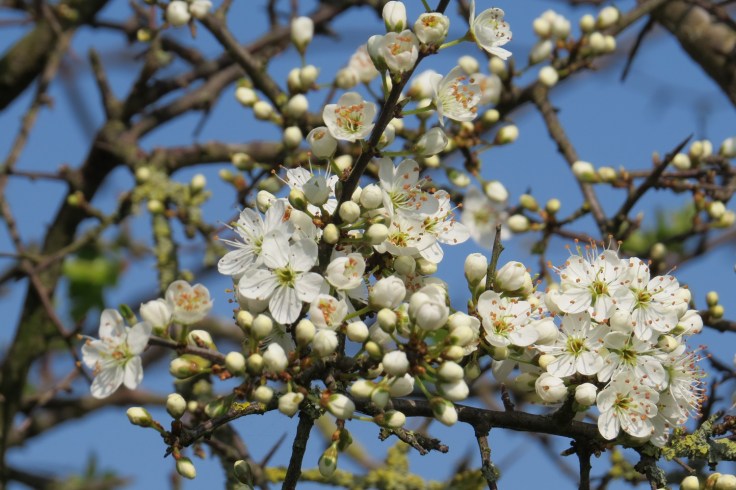
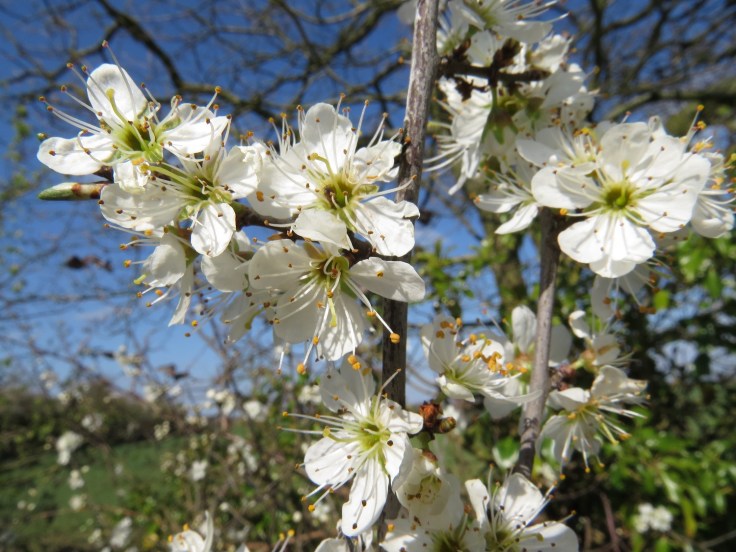
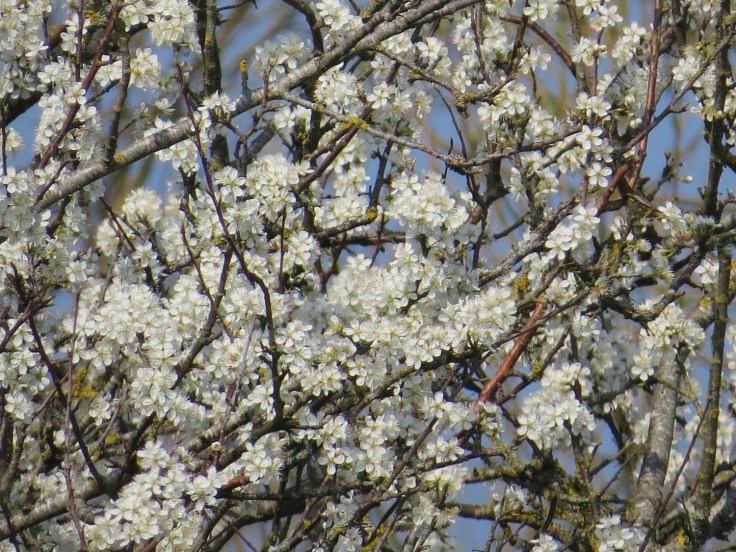
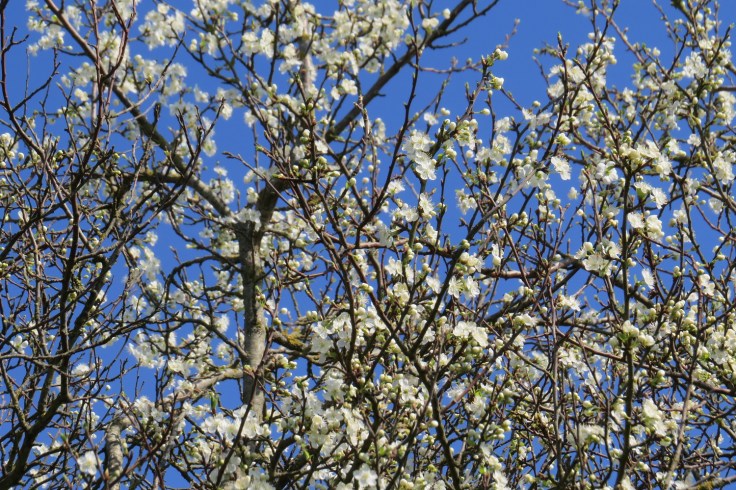

pictures by Suzanne Humphries
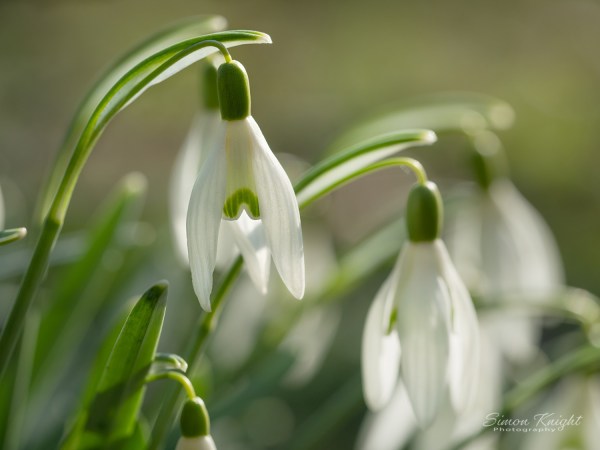
by Simon Knight
It is lovely to finally see flowers and colour arriving in the park, signalling that spring will soon be upon us.
Continue reading
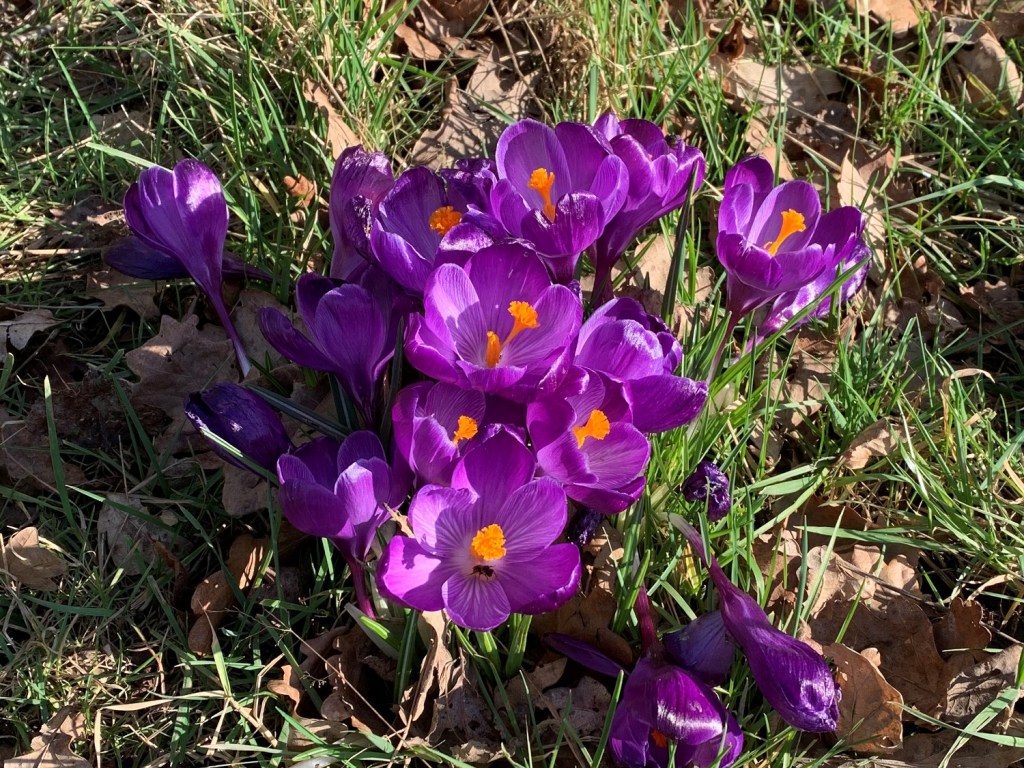
Crocus vernus photographed in the park by Clive Knight. Crocuses are not native to Britain; they were brought here from central and southern Europe, North Africa, the Middle East and China, in the 15th century.
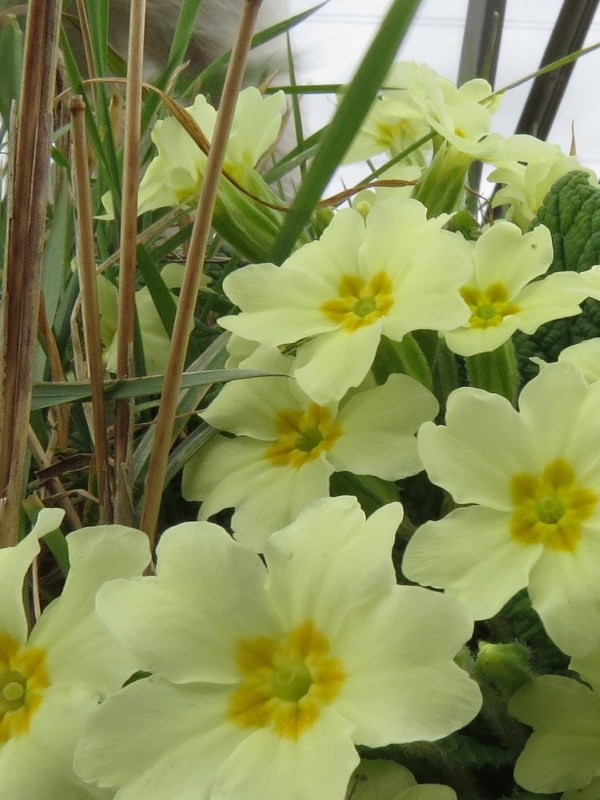
Primroses have an interestingly complicated reproduction system.
Continue reading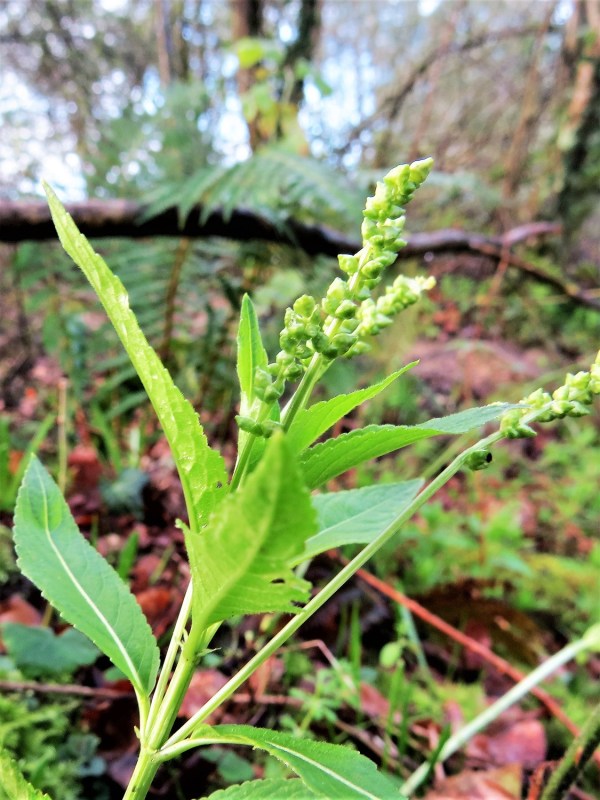
Dog’s mercury (Mercurialis perennis) is one of those mysterious, usually nameless, plants that is hardly ever noticed. It forms dense carpets on the woodland floor and beneath old hedgerows but appears to most passers-by as just background for the bluebells and primroses.
Continue reading “Dog’s mercury”




Header picture by DKG

On the tenth day of Christmas, here are the extraordinary flowers of lords-and-ladies, the wild arum (Arum maculatum), photographed in the park during April’s lockdown.

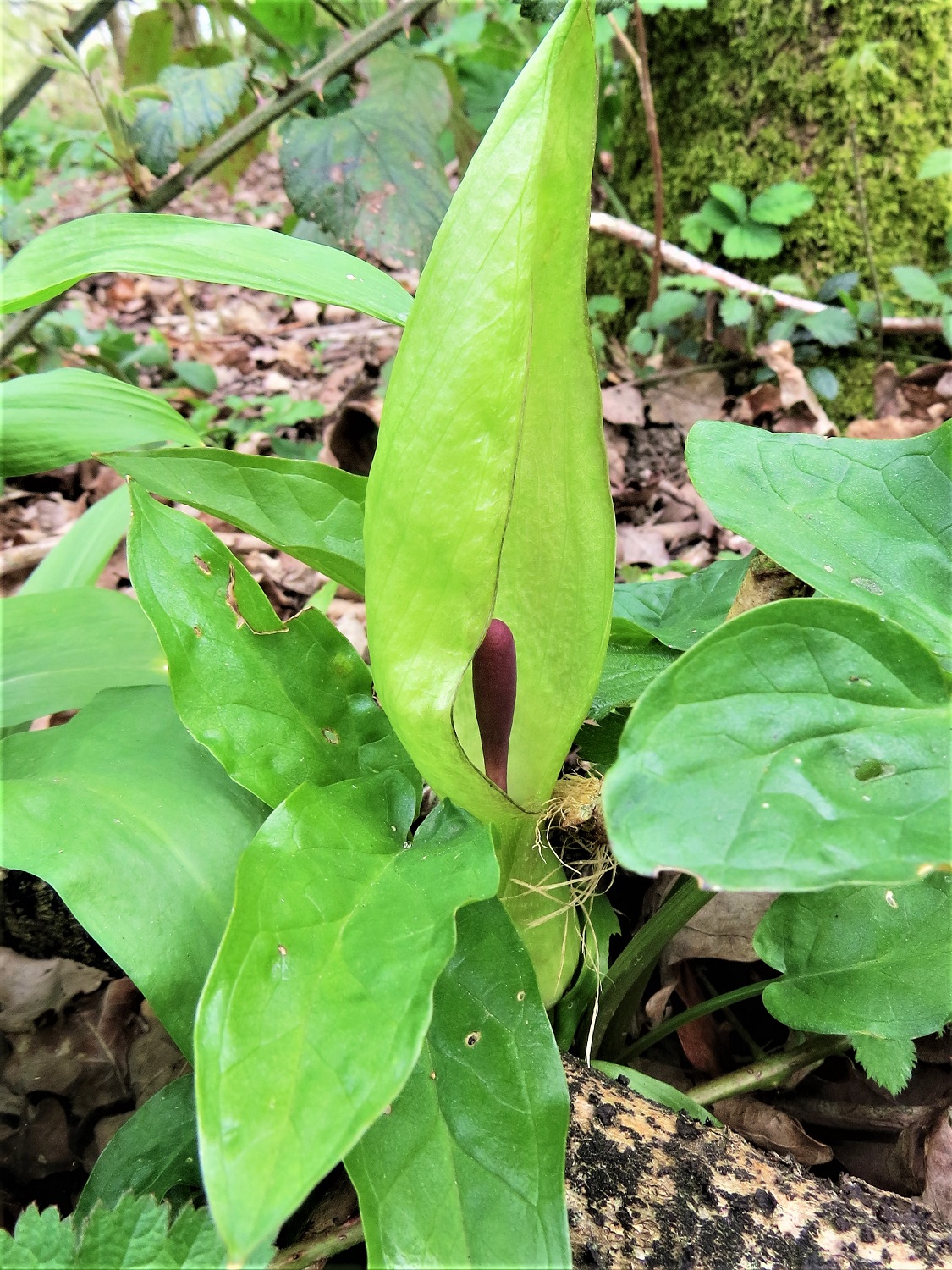


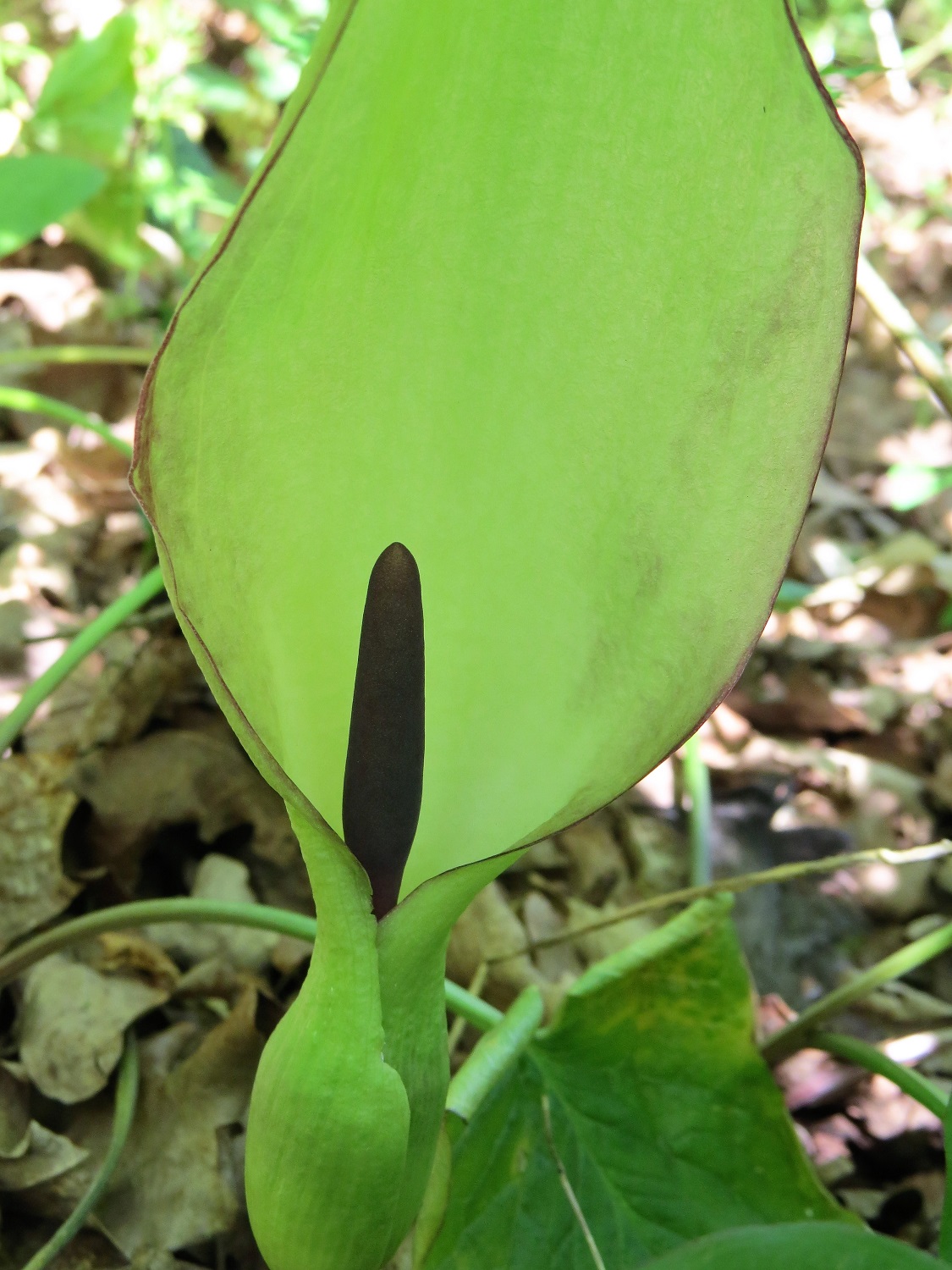
Pictures taken in the park by Suzanne Humphries

Milkmaids is one of the many common names of Cardamine pratensis, a spring-flowering plant that loves our damp meadows and stream edges. In Wiltshire we know it more often as lady’s smock or, because it flowers when the cuckoo returns to Britain, as cuckoo flower.
Continue reading “Eight maids a-milking”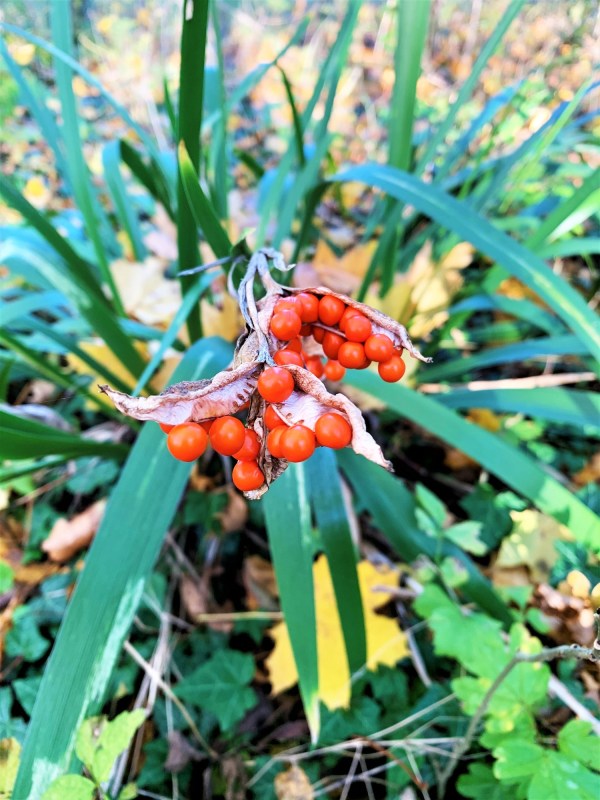
Clive Knight has sent us pictures of the beautiful scarlet seeds of Iris foetidissima growing in our woods.
Continue reading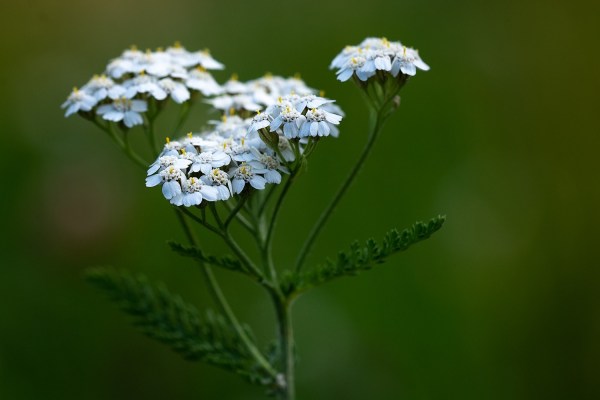
Yarrow, Achillea millefolium, a late-flowering perennial, photographed by Ian Bushell, in the little triangular field between Simpson’s Field and Fiveways.
Continue reading “Yarrow”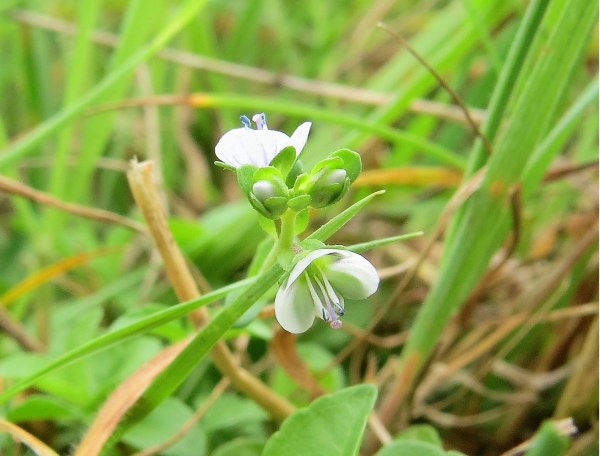
The tiny flowers of thyme-leaved speedwell (Veronica serpyllifolia) photographed in Cornfield.

A red tailed bumblebee worker (Bombus lapidarius) collecting nectar and pollen from a meadow cranesbill flower.

Photographed in the park, Friday 11th September.
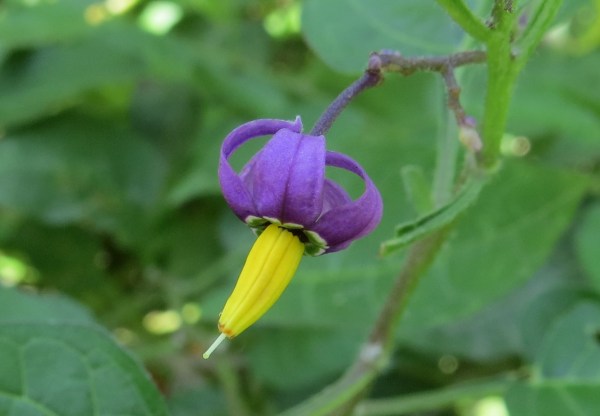
A woody nightshade flower, photographed this week, in the car park.
Continue reading
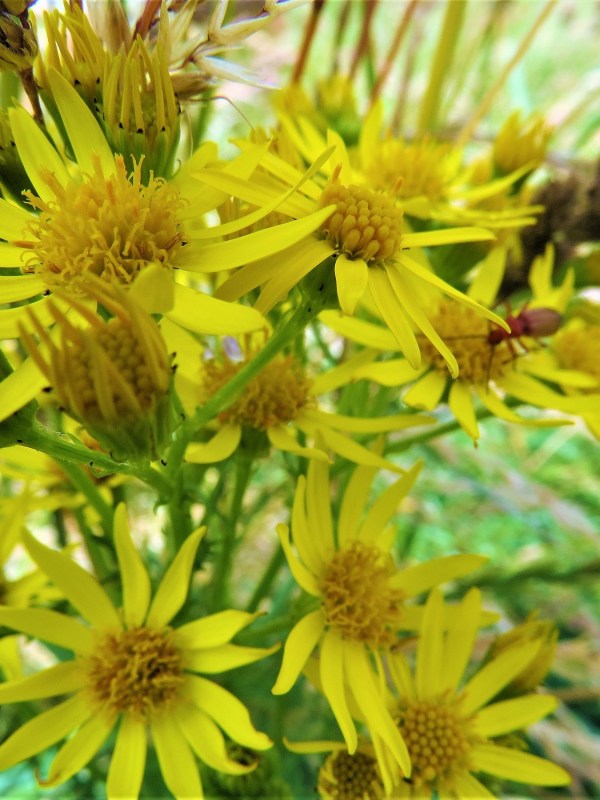
Ragwort is extraordinarily successful; all the “injurious weeds” named in the 1959 Weed Act are.
Continue reading “Ragwort”
Message from a park goer:
I took this picture this morning out in the park. I have no idea what it is – it’s almost heather-like. It’s in Lambrok Meadow by the stream near where there is a ford across into the Church Lane field.
A version of this post was first published in July of last year.
This year the park produced beautiful hay: a variety of grasses, dry, sweet smelling, full of wildflower and not a single shred of ragwort anywhere. Already, we have turned our attention to pulling and digging the ragwort that might spoil the farmer’s next crop,
Continue reading “Ragwort again”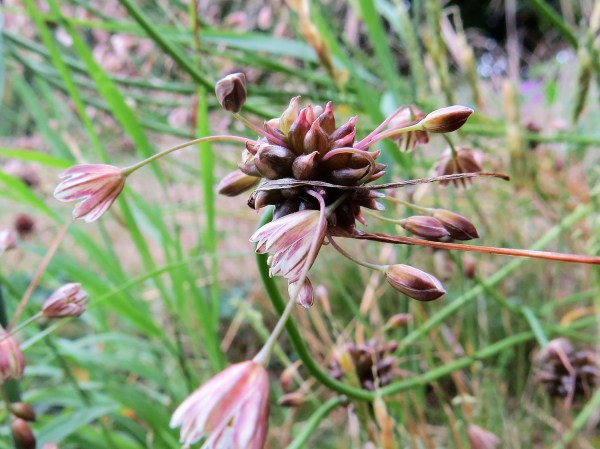
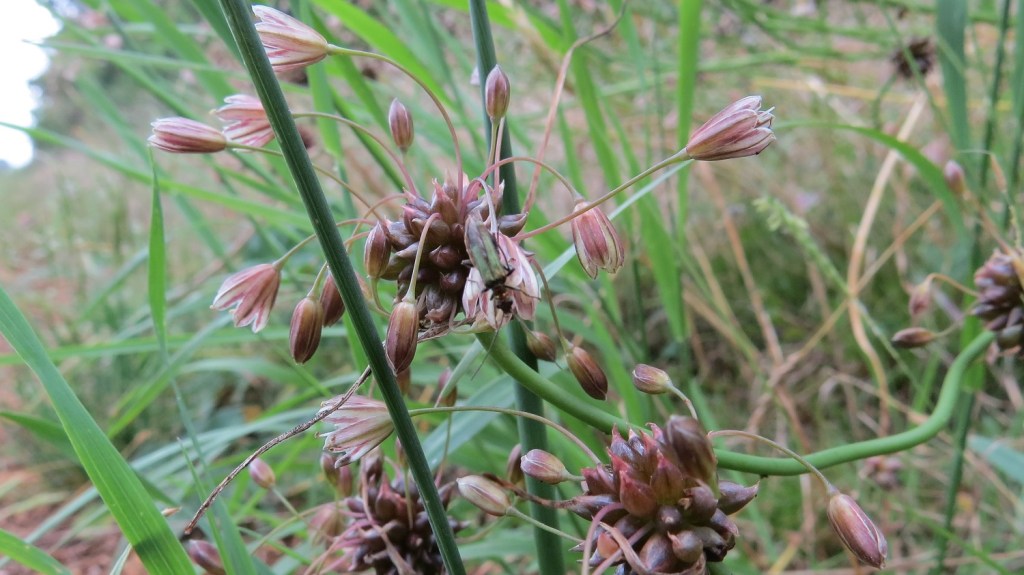
The extraordinary flowers of Allium oleraceum or field garlic, found growing at the bottom of Kestrel Field.

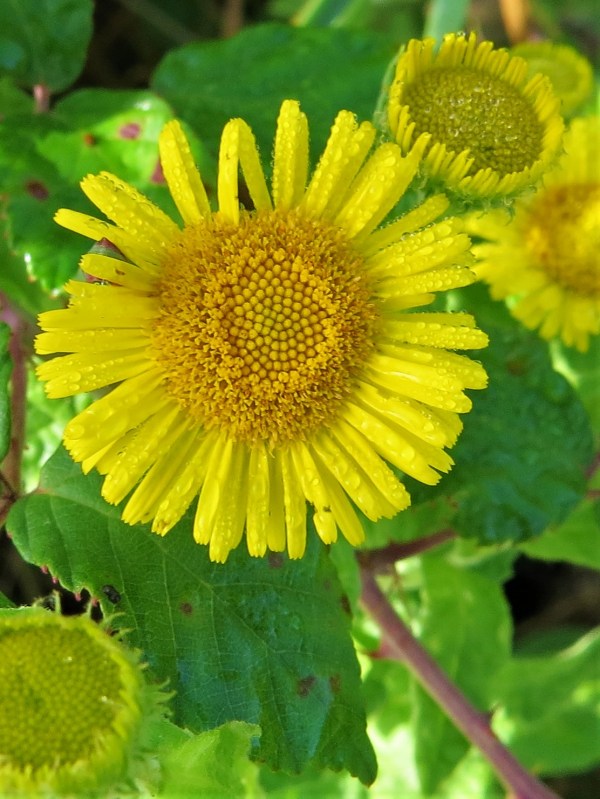
This is common fleabane (Pulicaria dysenterica); it is a plant that grows all over the place but nobody ever seems to know its name. As the park’s summer wildflowers go to seed, the fleabane is a welcome splash of colour beside the paths.
Continue reading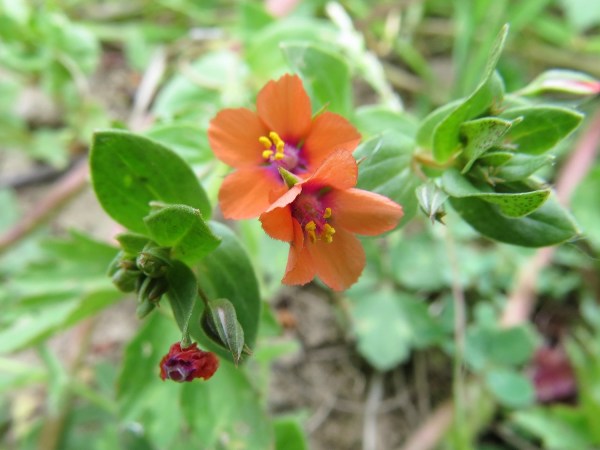
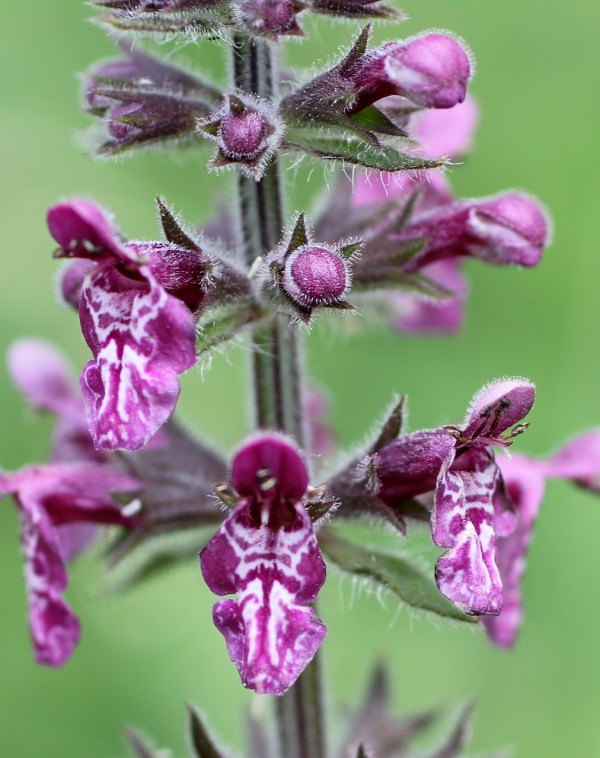
Wed 15/07/2020 18:48; mail and pictures from Clive Knight
Walking round this afternoon spotted these. The first two pics are of a plant in Sleepers Field – no idea what it is and the bottom pic I found in the pathway through the woods at the top of Village Green. Both single plants.
Sent from my iPhone
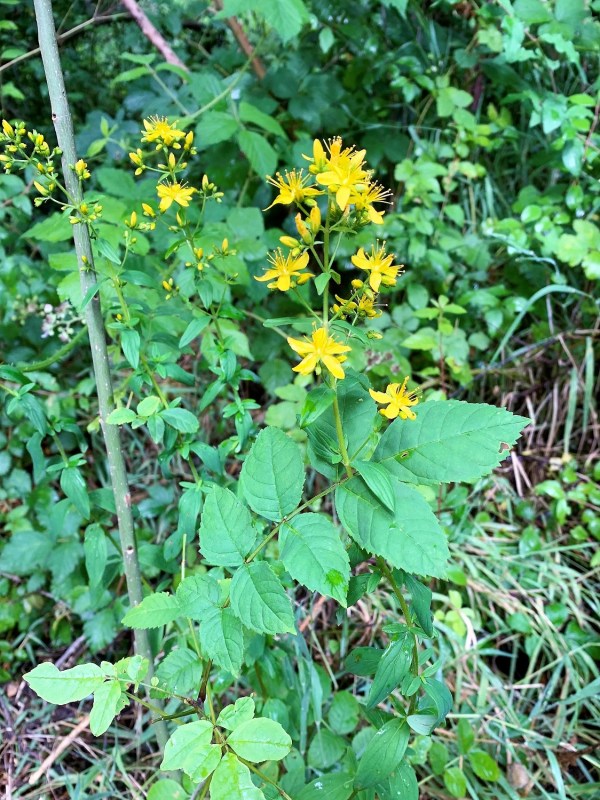
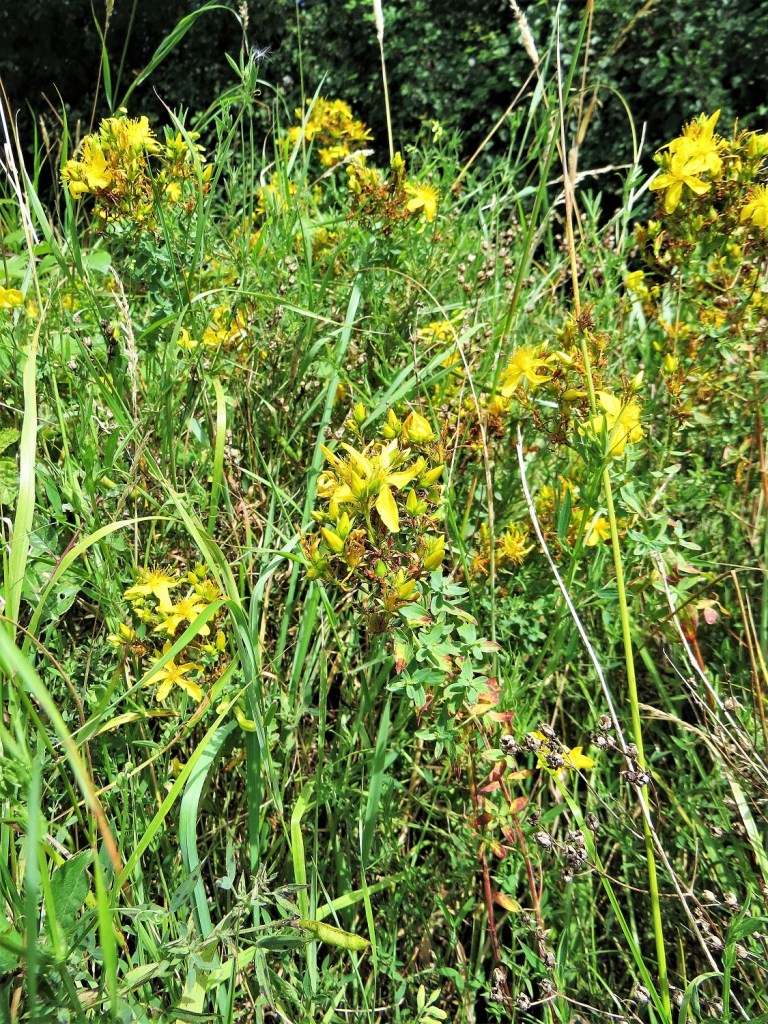
Perforate St John’s wort (Hypericum perforatum) also known as common St John’s wort.
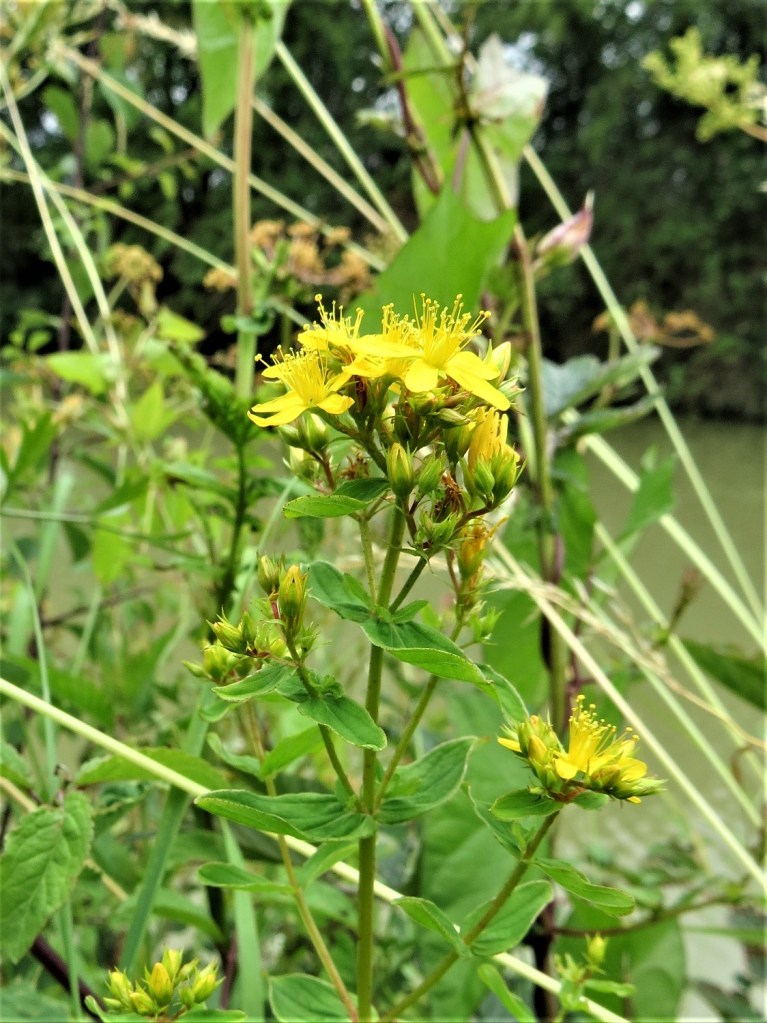

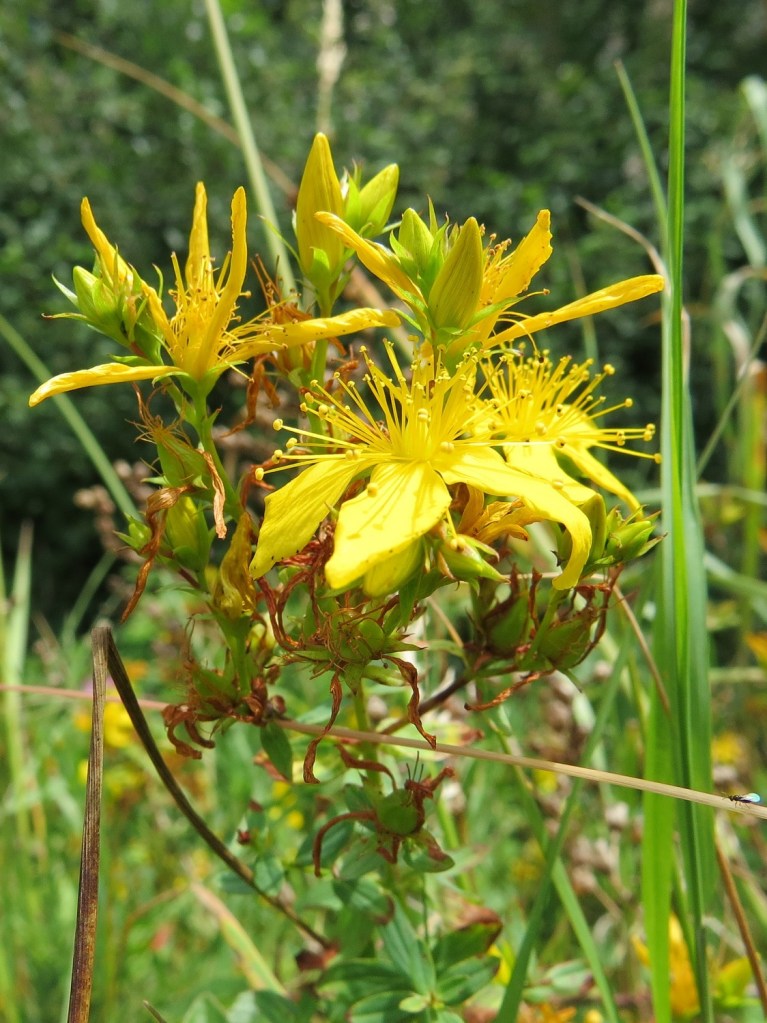
Header picture taken by Clive Knight, others by Suzanne Humphries
This post was first published in June 2019 but the warning bears repeating.
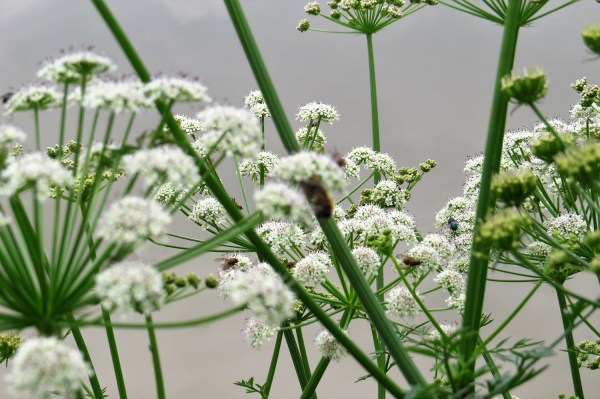
This is hemlock water dropwort (Oenanthe crocata), by some accounts the UK’s most poisonous plant.
Continue reading “Hemlock water dropwort”
A marbled white (Melanargia galathea) on creeping thistle flowers, photographed in the park yesterday by Julie Newblé. If you look carefully, there are at least three common red soldier beetles hidden in the picture.
Thanks Julie.
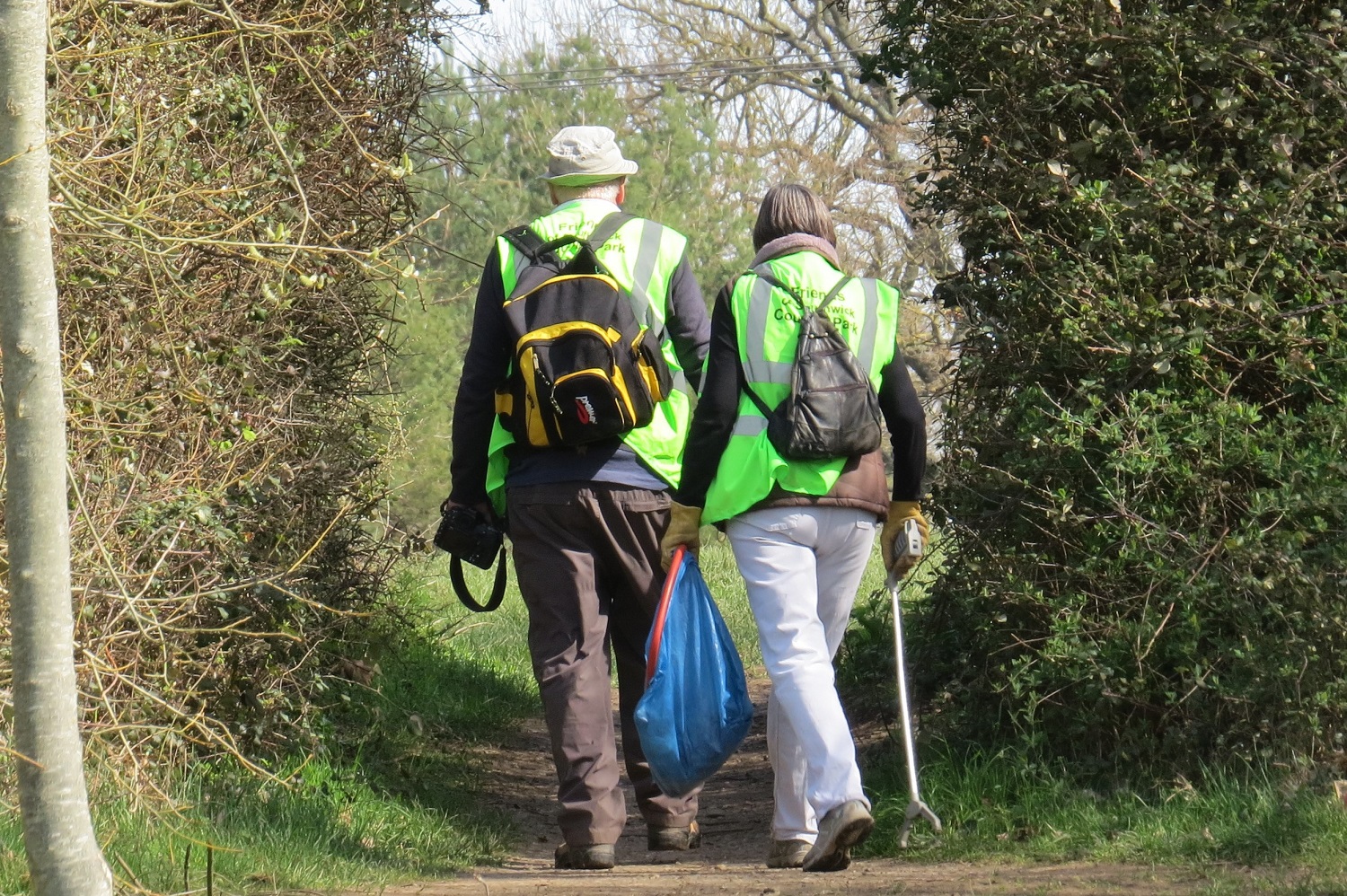


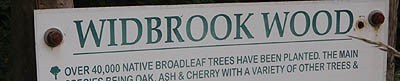
 Southwick Country Park Nature Reserve