January is mid-mating season for foxes.
Continue reading “Fox”Fox
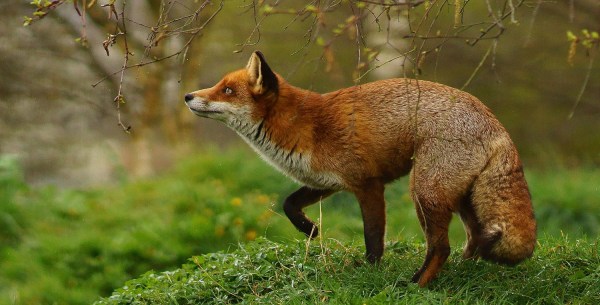
January is mid-mating season for foxes.
Continue reading “Fox”
There are rabbits in the park.
Continue reading “Rabbits”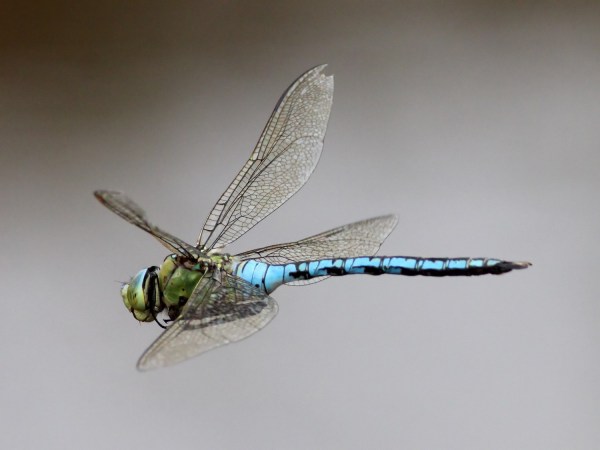
We have added three species of Odonata (dragonflies and damselflies) to our species lists this year. They have raised our total to a round dozen.
Continue reading “2019 review – part 4”
We are going to use the last few days of 2019 to review the year’s new entrants to our species lists.
Continue reading “2019 review – part 1”
Fieldfare (Turdus pilarus) and redwing (Turdus musicus), migratory thrushes from mainland Europe, are common winter visitors to the park. They are easily confused; here is a video to help you distinguish the two species.
Header picture: Fieldfare (Turdus pilaris) by Teresa Reynolds (CC BY-SA 3.0)

Keep an eye out for the kingfisher that Jay Pickard saw and photographed two weeks ago.
Continue reading “Winter fishing”
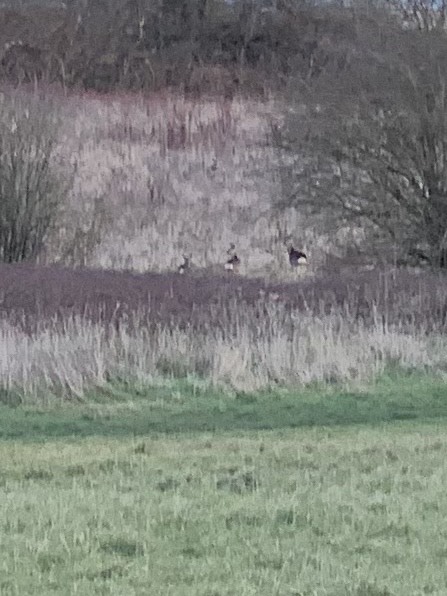
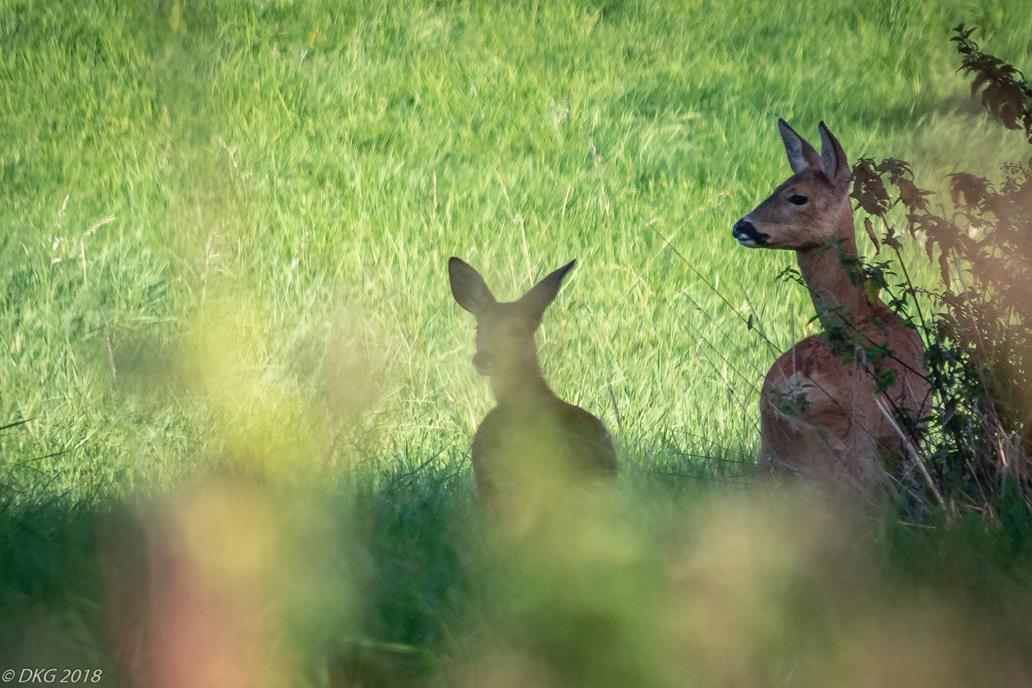
Roe deer photographed by Simon Handley on Saturday, in the field between Church Lane and Lambrok Stream. This is the site (H2.4) which developers, who are are proposing to build 65 houses there, have called: “. . .fields which were considered of low ecological value.”
The planning application reference number is 18/10035/OUT if you want to take a look at the details.
Follow this link for a Post about Planning Application 18/10035/OUT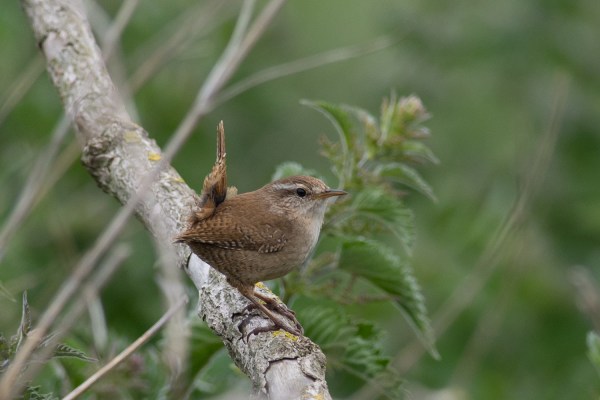
Jenny Wren, the Eurasian wren, Troglodytes troglodytes.
Continue reading “Jenny Wren”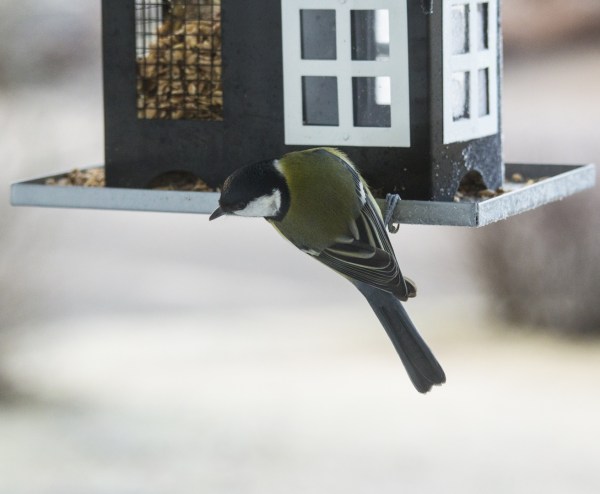
Treat your garden birds with a Christmas bird table. Here are some suggestions:
Continue reading “Christmas bird table”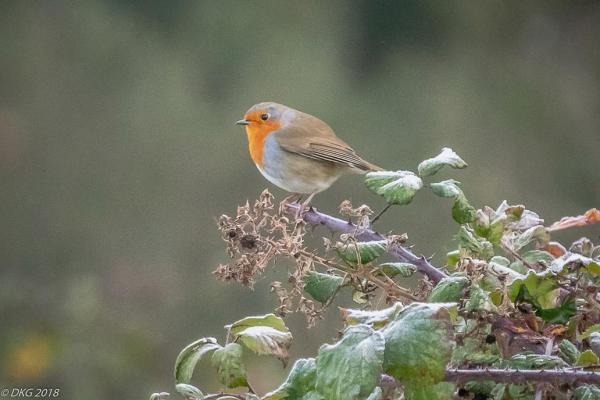
. . .photographed in the park by DKG

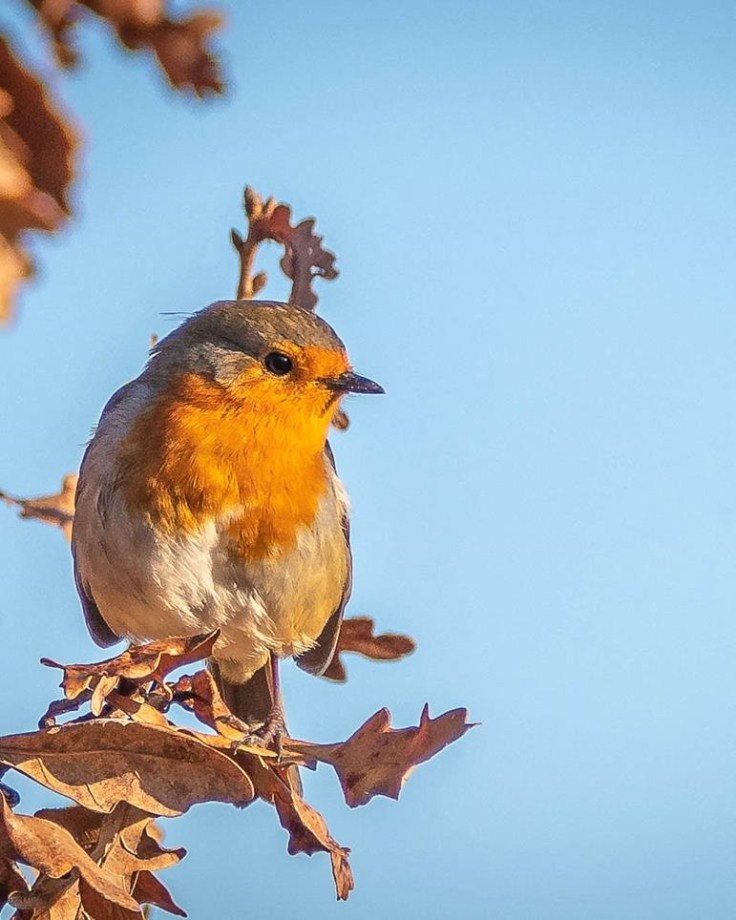

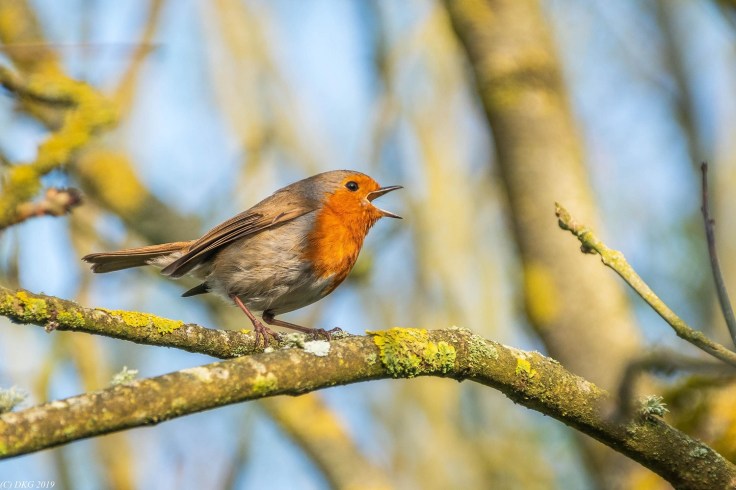

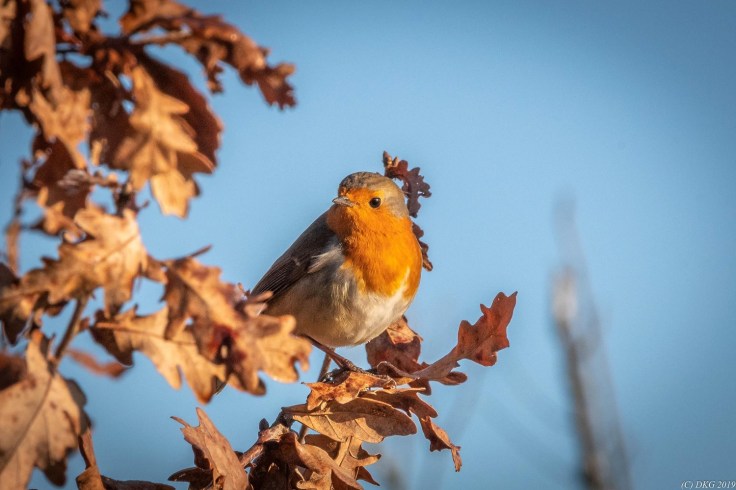
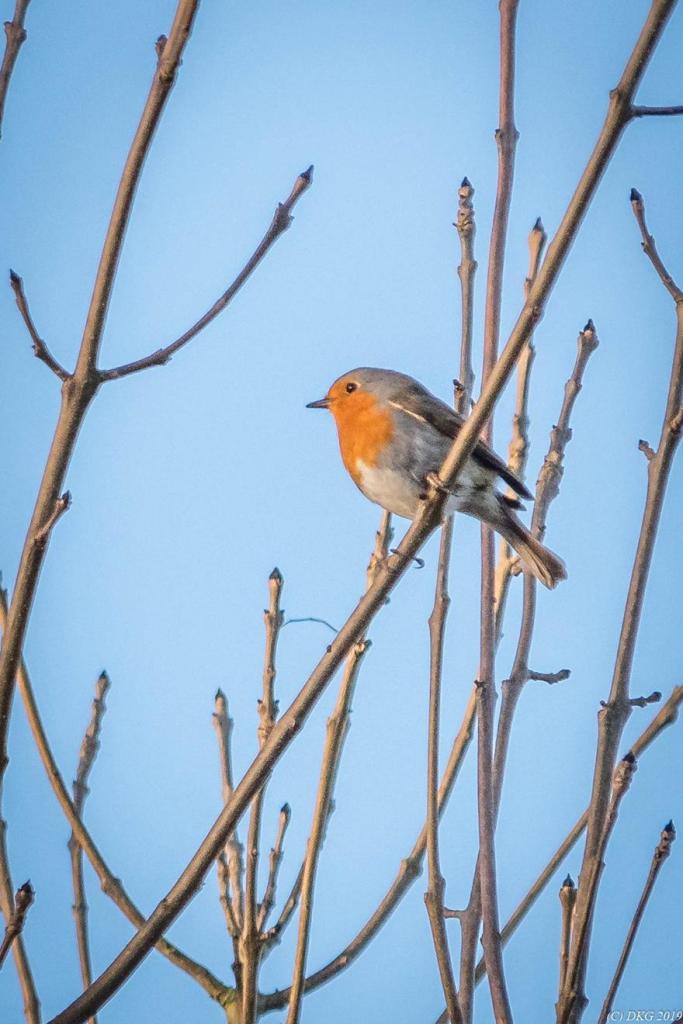


A message and a picture from Jay Pickard:
Spotted a Kingfisher this morning over the pond and stream. Great to see!

Thanks Jay, we love to get pictures from park users.
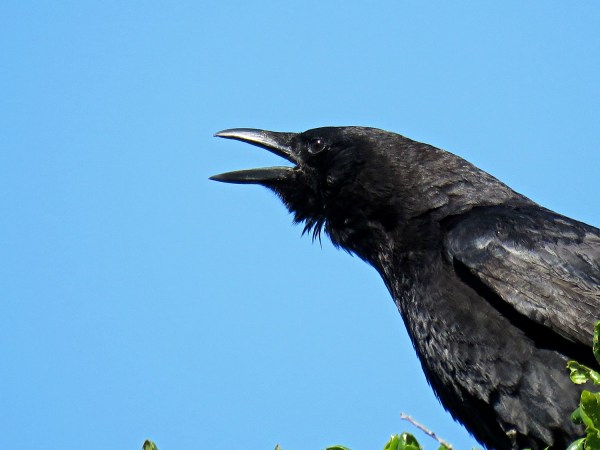
Yesterday’s post about jackdaws produced an email asking how to tell rooks from crows.
Continue reading “Rook or crow?”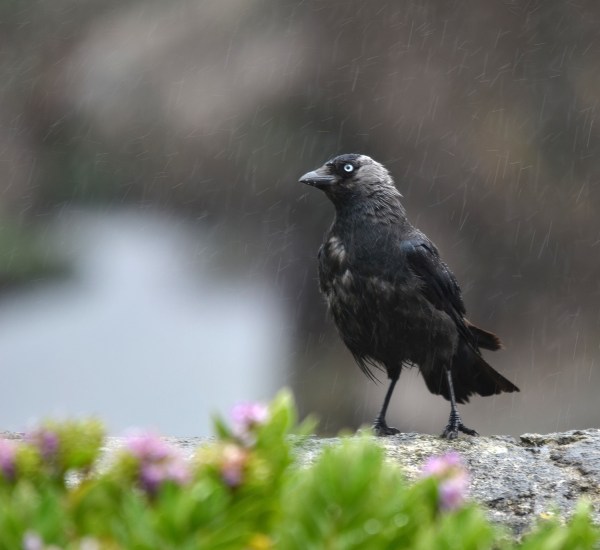
The park’s jackdaws are clever and successful opportunists, ready to step into almost any ecological niche.
Continue reading “Successful generalists”
We have received reports of water voles in the Lambrok by the footbridge into Lambrok Close. This is very, very good news.
Here is a video to help you tell water voles from brown rats; please keep us informed of any more sightings.
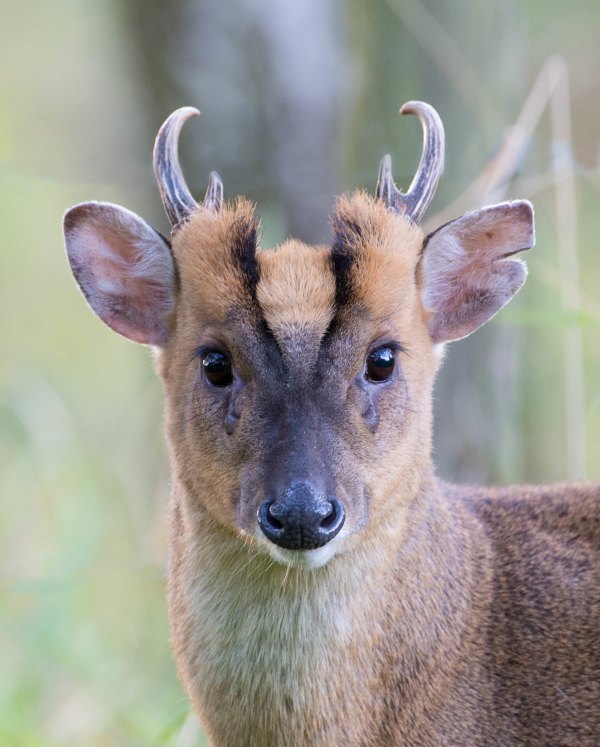
Reeves’s muntjac was introduced from China into Britain at Woburn Abbey in 1894. Escapes and releases saw it established in the wild by the 1930s and their population is now estimated at 40,000 individuals. They have been sighted in the park on several occasions.
Continue reading “Muntjac”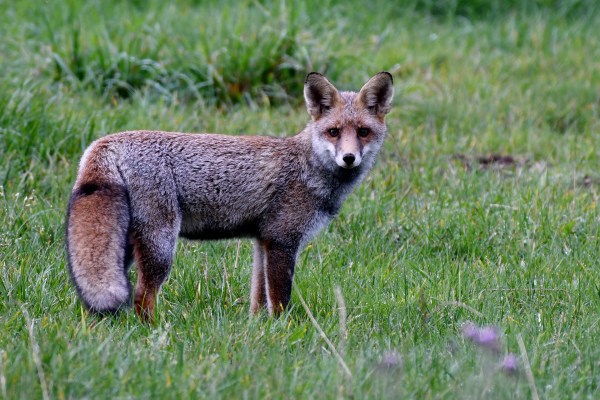
Vulpes vulpes, Britain’s only species of fox; in fact Britain’s only native member of the Canidae family.
Continue reading
Scientist are beginning to understand that light pollution is a very significant factor in the recent rapid decline of insect populations.
Continue reading “Light pollution”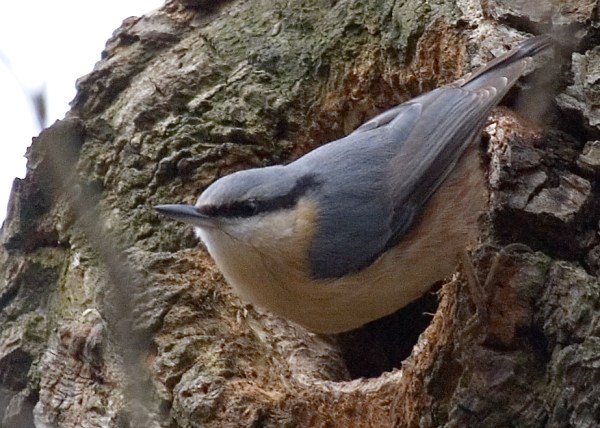
Now that the leaves are falling you might be lucky enough to spot a Nuthatch (Sitta europaea) hunting insects on a tree trunk. Here are five interesting things about nuthatches.
Continue reading “Five fun nuthatch facts”
The Winter moth (Operophtera brumata) is one of the few moth species that can cope with winter’s freezing temperatures in its adult stage. They are endothermic which means that they can produce heat internally by biochemical processes, just as warm-blooded creatures do.
Continue reading “Winter moths”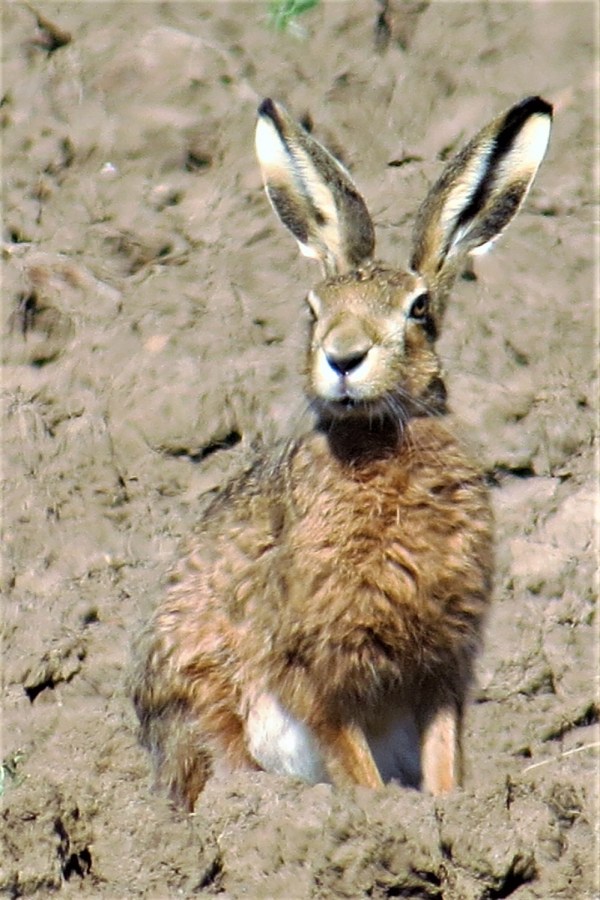
Some of the larger mammals on our species list are just passing through.




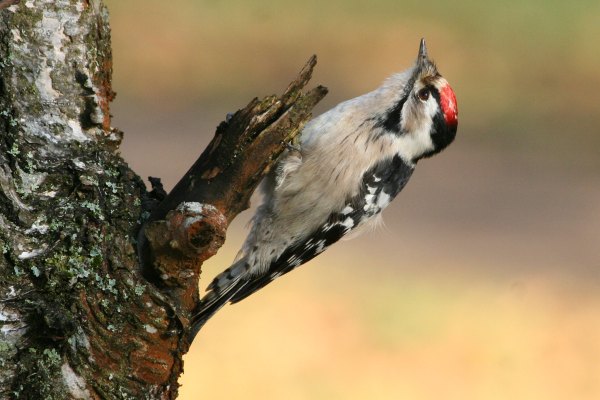
In Wednesday’s post about the short term population decline of some of the park’s bird species, we used a picture of an immature greater spotted woodpecker instead of a lesser spotted woodpecker; sorry. The picture above is definitely of a lesser spotted woodpecker ( Dryobates minor) and we will use it to replace the picture in Wednesday’s post as soon as possible.
Continue reading
DEFRA’s report on wild bird populations is not all bad news for the park; some of our birds populations have shown a strong increase in the last five years.
Continue reading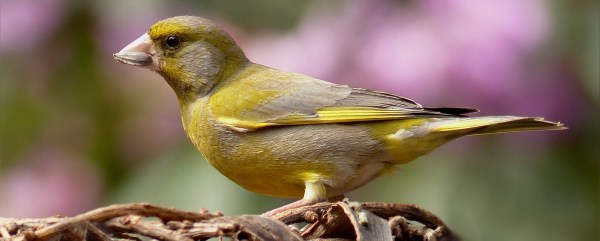
Defra’s recent report, Wild Bird Populations in England, 1970 to 2018, ends with a very disturbing Annex called Trends in bird species, by habitat group, in England.
Continue reading “Bird populations in the park”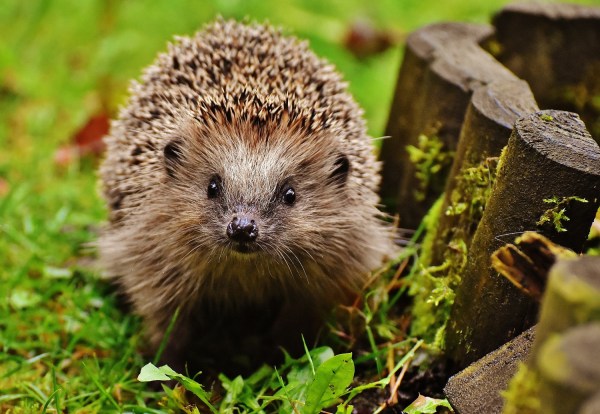


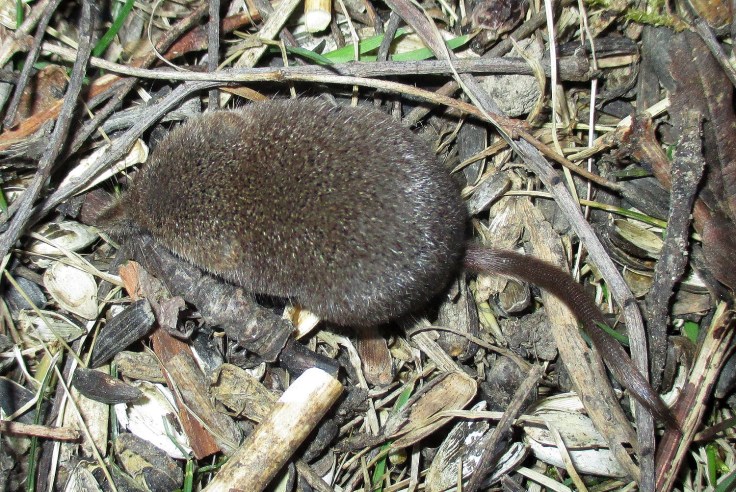


Pictures as attributed.