A grey squirrel, photographed by DKG, leaving the picnic area through the fence. Perhaps he has been burying acorns there, for a winter picnic of his own.
Continue reading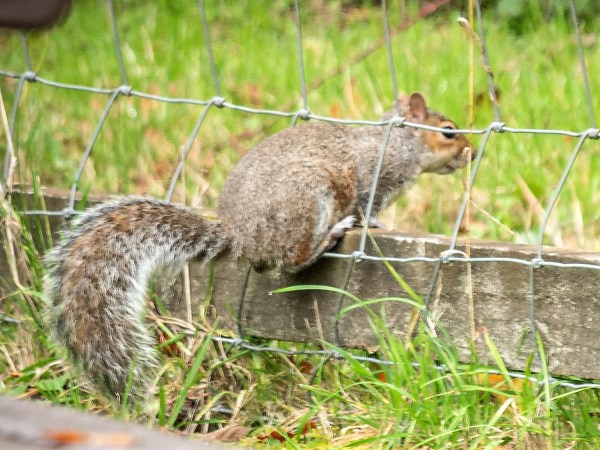
A grey squirrel, photographed by DKG, leaving the picnic area through the fence. Perhaps he has been burying acorns there, for a winter picnic of his own.
Continue reading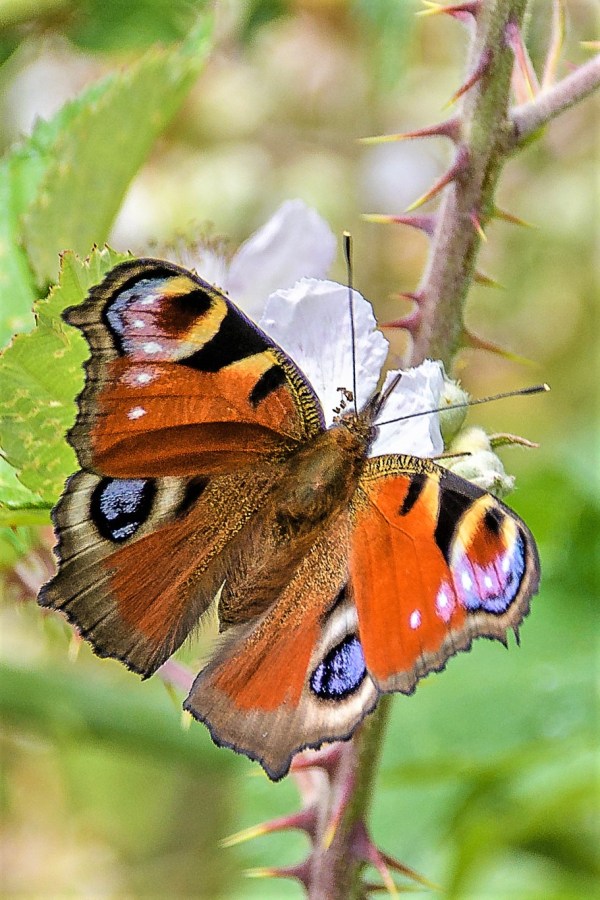
The temperature is dropping and we have already seen the first frosts. The park’s invertebrates are preparing for hibernation.
Continue reading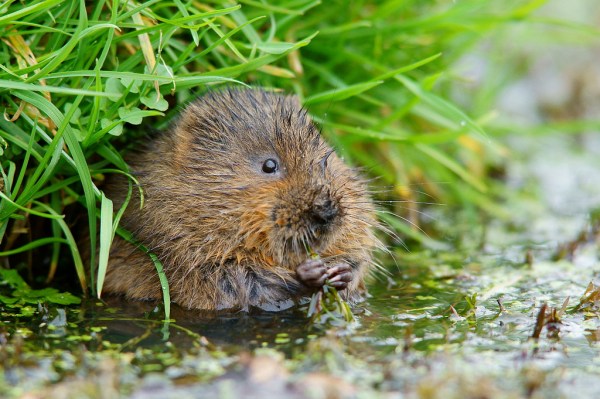
Here are some fascinating facts about water voles:
Continue reading “Ten water vole facts”
If you are visiting the garden centre this weekend, looking for flowers and shrubs to brighten your garden next year, consider planting for our pollinators and especially our dwindling bee populations.
Continue reading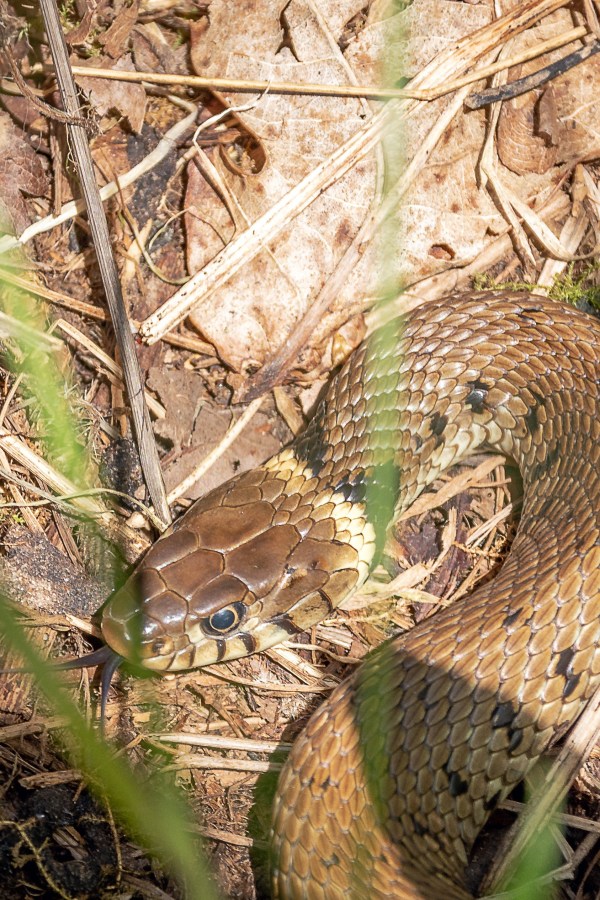
Yesterday was National Reptile Awareness Day and we missed it!
We make a habit of missing these National and International celebratory days. Sorry; we will try to do better.
Continue reading “National Reptile Awareness Day”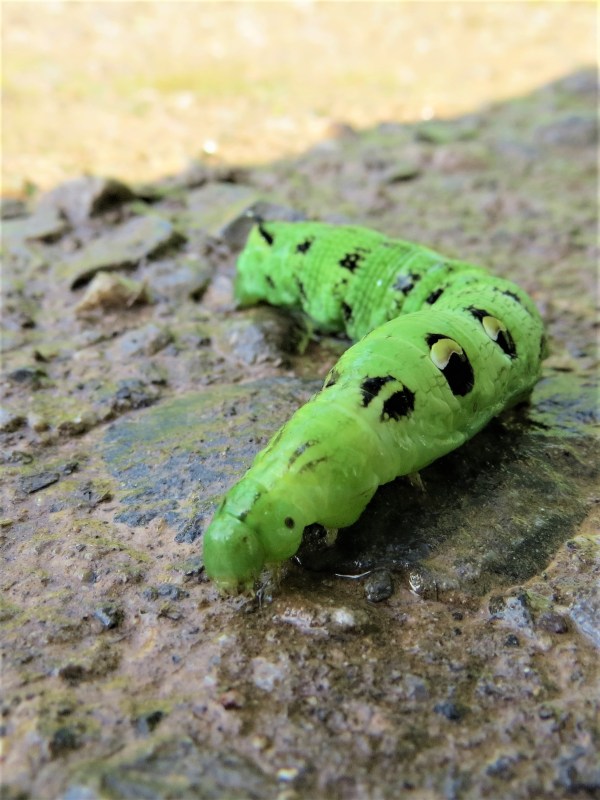
Elephant hawk-moth – Deilephila elpenor – one of the eighteen species of hawk-moths found in Britain, all of whose caterpillars have a characteristic horn at their tail.
Continue reading “Elephant hawk moth”
We have just endured a spell of exceptionally wet weather that has been hard work for both people and wildlife.
Continue reading “Surviving the floodwaters”
Of the 21 species of butterfly identified in the park this summer, two do not overwinter here: the painted lady (Vanessa cardui) and the red admiral (Vanessa atalanta)
Continue reading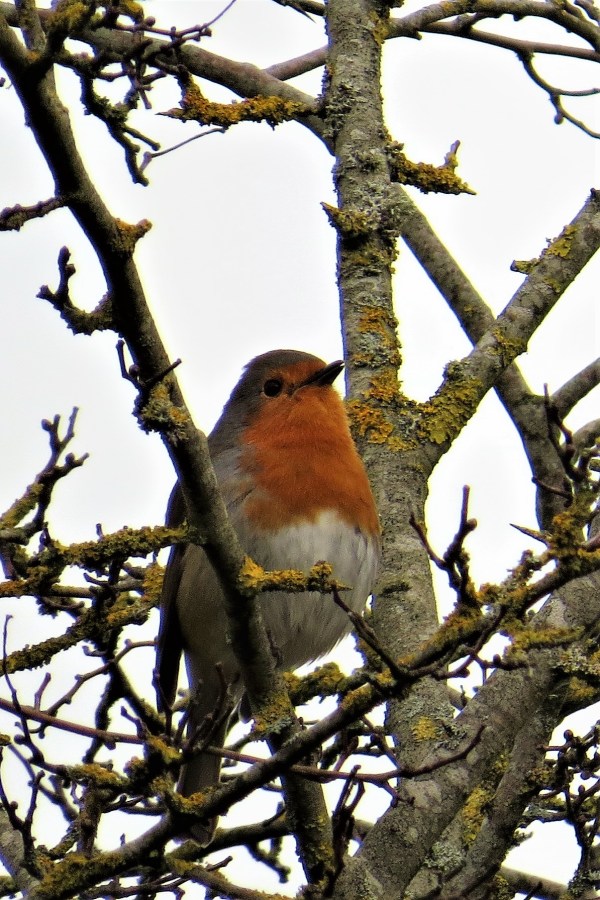
The robin is one of the few birds in the UK that sing in the winter as well as the summer. The purpose of the song is territorial; robins winter here and defend their territories all year round.
Continue reading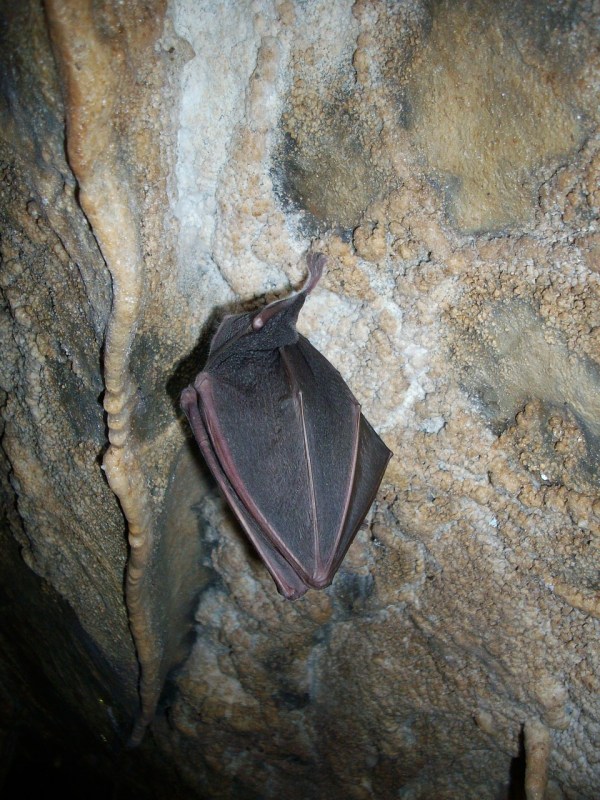
Ten numerical facts about bats:
Continue reading “Bat numbers”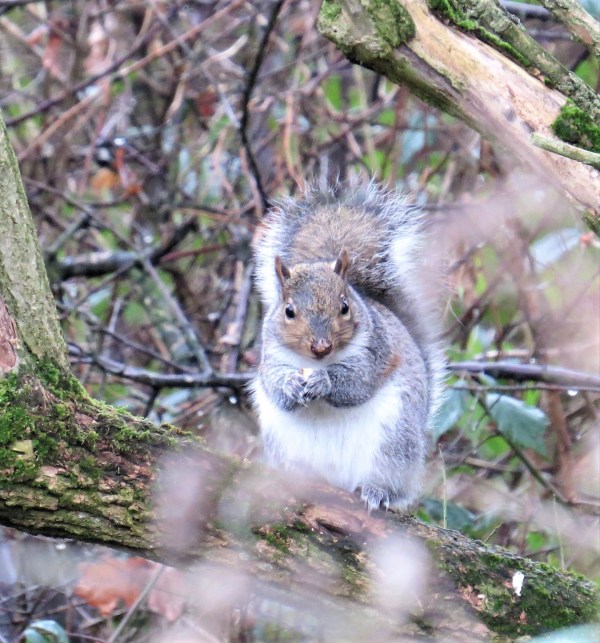
A squirrel video to cheer you up on a really wet Sunday morning.
Enjoy!
Ian Bushell reports on cutting back the set-aside on the northern edge of Village Green with brush cutters.
Continue reading “Wet Wednesday cont.”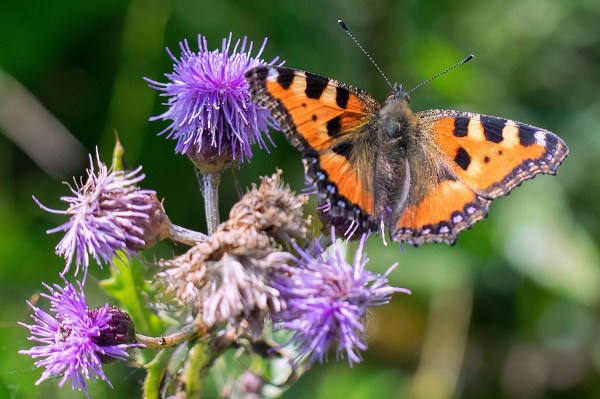
Almost all of the 21 species of butterfly that have been seen in the park this summer, will overwinter here. Butterflies can hibernate in all four of the stages of their development.
Britain has fifty eight species of butterfly, and nine of these species spend the winter as an egg, thirty two spend it as a caterpillar, eleven as a pupa, and six as an adult.
Here are some examples:
It was National Badger Day yesterday and we missed it. Sorry.
Click here for pictures and posts: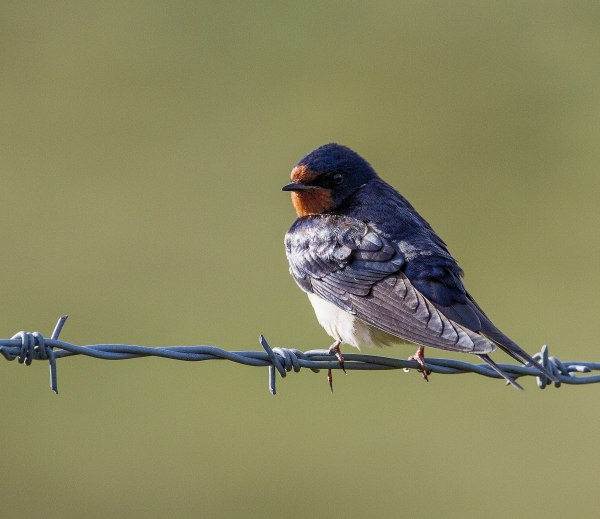
Most of our swallows have left by this time of year; Britain’s swallows overwinter South Africa.
Continue reading
As required by NPPF 2019, WC has made FMMs to WHSAP to include policy statements for the sites at H2.4, H2.5 and H2.6 which take full account of the TBMS and the BoA SAC.
What does any of this mean? Click here: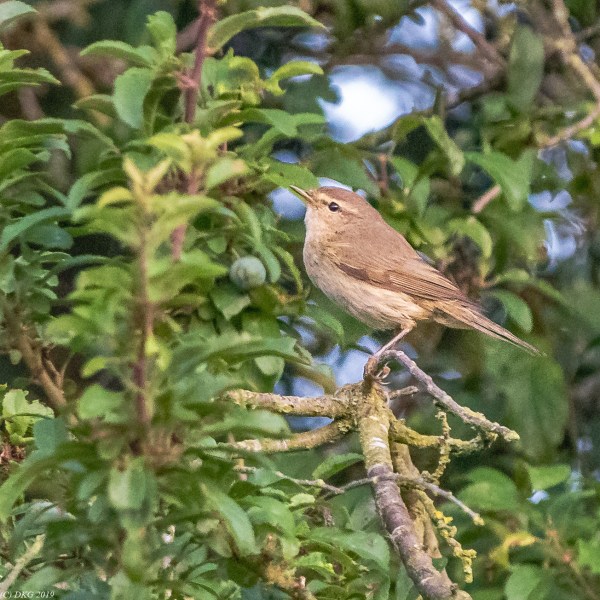
All our willow warblers will have left by now; they are on their way to sub-Saharan Africa where they will spend their winter. Theirs is the longest journey undertaken by any of the park’s migratory birds. Why do such tiny birds fly so far and take such risks to do it?
Continue reading “Willow warbler migration”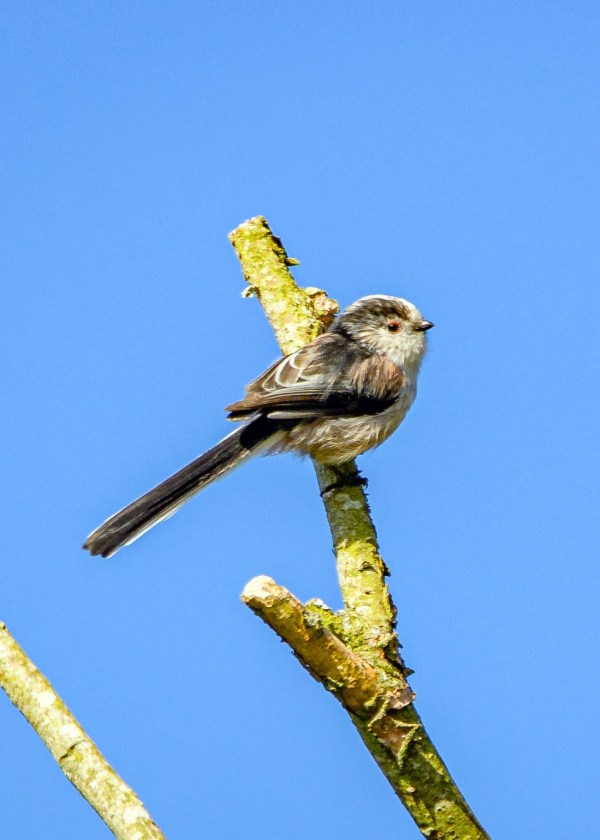
Long-tailed tits, Aegithalos caudatus, form small, excitable flocks at this time of year of up to twenty individuals.
Continue reading “Long tailed tit”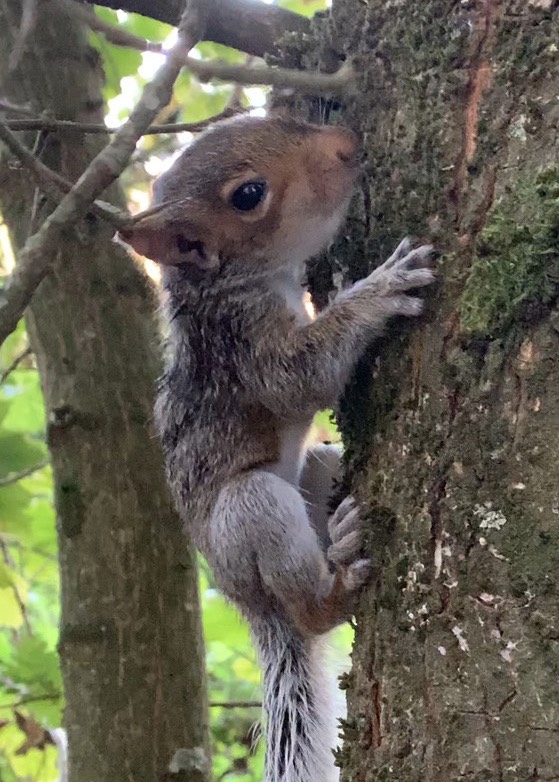
Dear FoSCP,
Thought you’d like these photos of a juvenile squirrel discovered in the park yesterday. I think it was probably ground feeding as there were no signs of injury and he scampered up the nearest tree after a brief look around! Lovely little chap 😊
Kind regards
Simon Handley


Pictures by Simon Handley
If you regularly walk near the Lambrok or any of its tributary streams, keep a lookout for water voles. They are an important protected species and any planned development along the stream will need to take their presence into account.
Continue reading “Water voles”

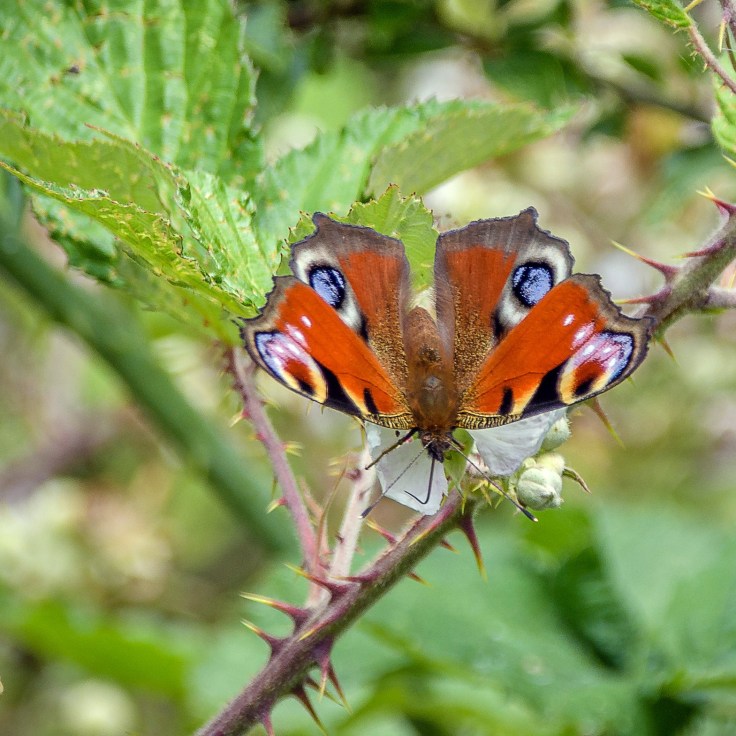
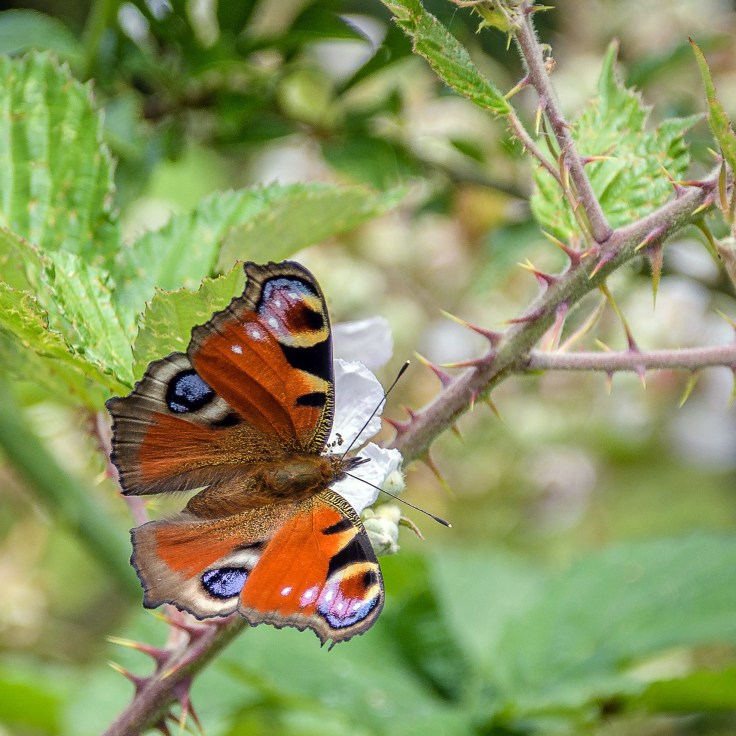

Pictures of a peacock butterfly taken by DKG during the summer.

A nursery web spider (Pisaura mirabilis) photographed in the park by DKG on a dewy Sunday morning.
Continue reading
This is a drone fly (Eristalis tenax), named for its mimicry of a male honeybee.
Continue reading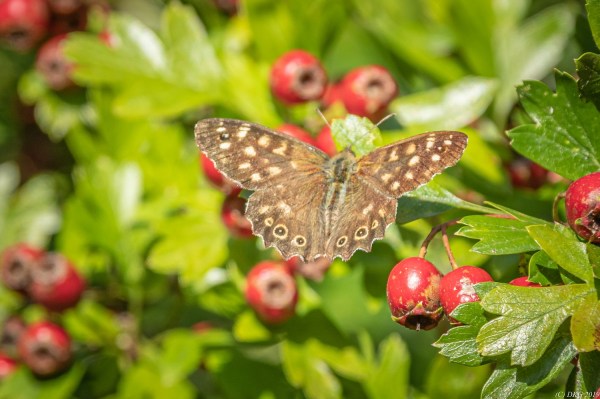
A speckled wood (Pararge aegeriais) on hawthorn berries photographed last weekend by DKG.
Continue reading “Speckled wood”
Yesterday’s picture of an artichoke gall among oak tree leaves produced questions and enquiries from our readers via Messenger, Facebook and our website’s below-the-line comments column. Here is more information about oak gall wasps.
Continue reading