Anemone blanda…
…found and photographed in the reserve last week. Anemone blanda isn’t a native species so this is a garden escape but it naturalises easily in the partial shade of woodland edges and our bees will love it. Let’s make it welcome.

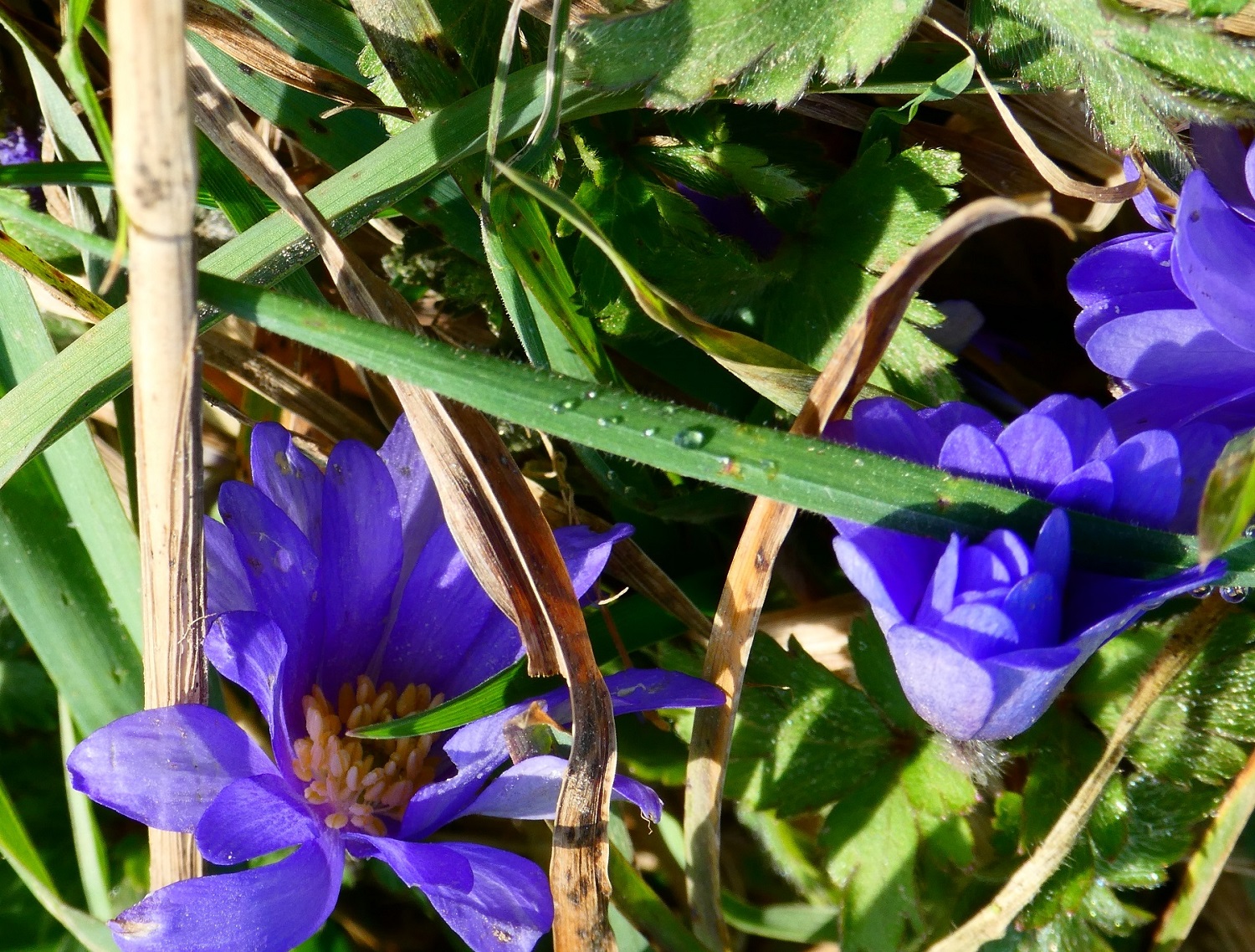
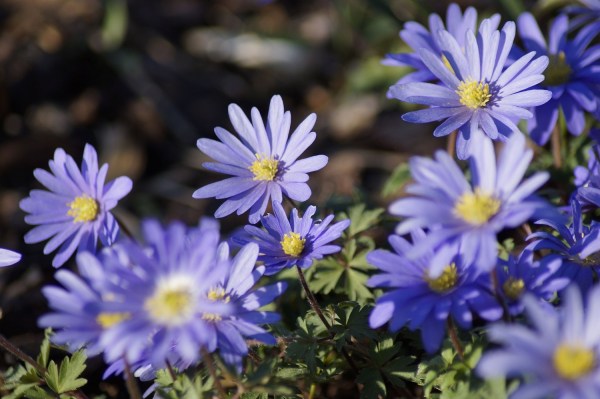
Anemone blanda…
…found and photographed in the reserve last week. Anemone blanda isn’t a native species so this is a garden escape but it naturalises easily in the partial shade of woodland edges and our bees will love it. Let’s make it welcome.
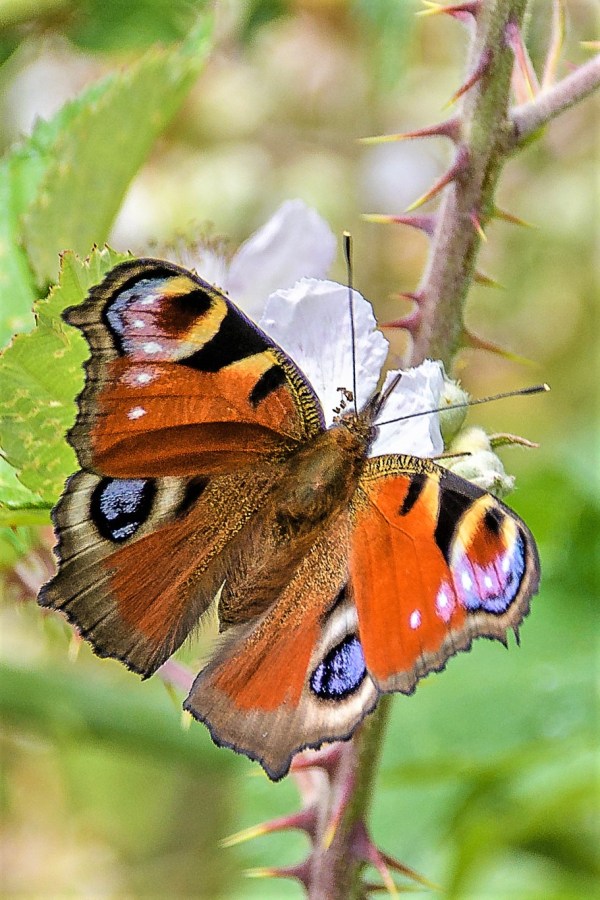
Butterflies
The spring weather has brought our butterflies out of hibernation. On Wednesday, Ian reported a peacock, brimstones, commas and a small tortoiseshell.


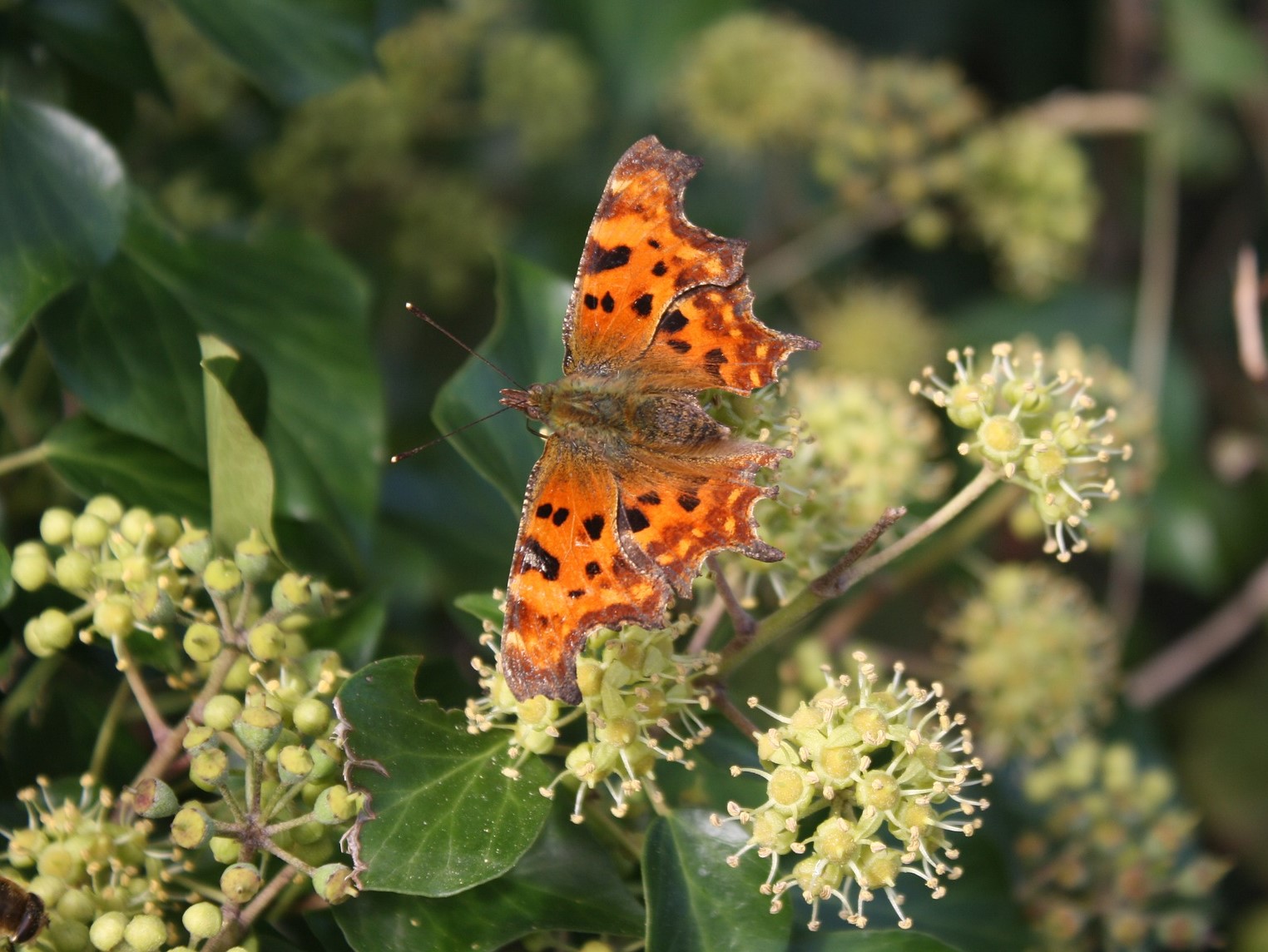
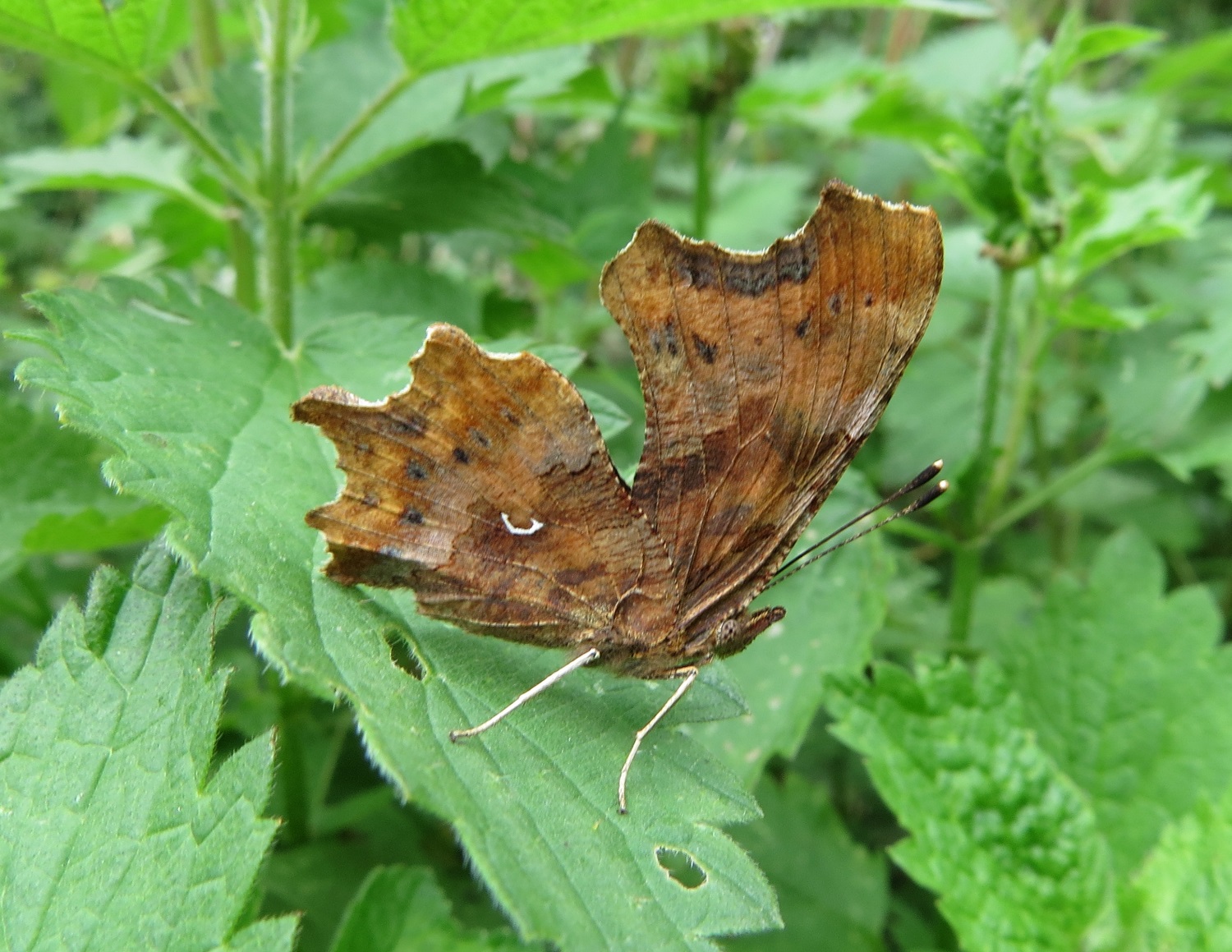
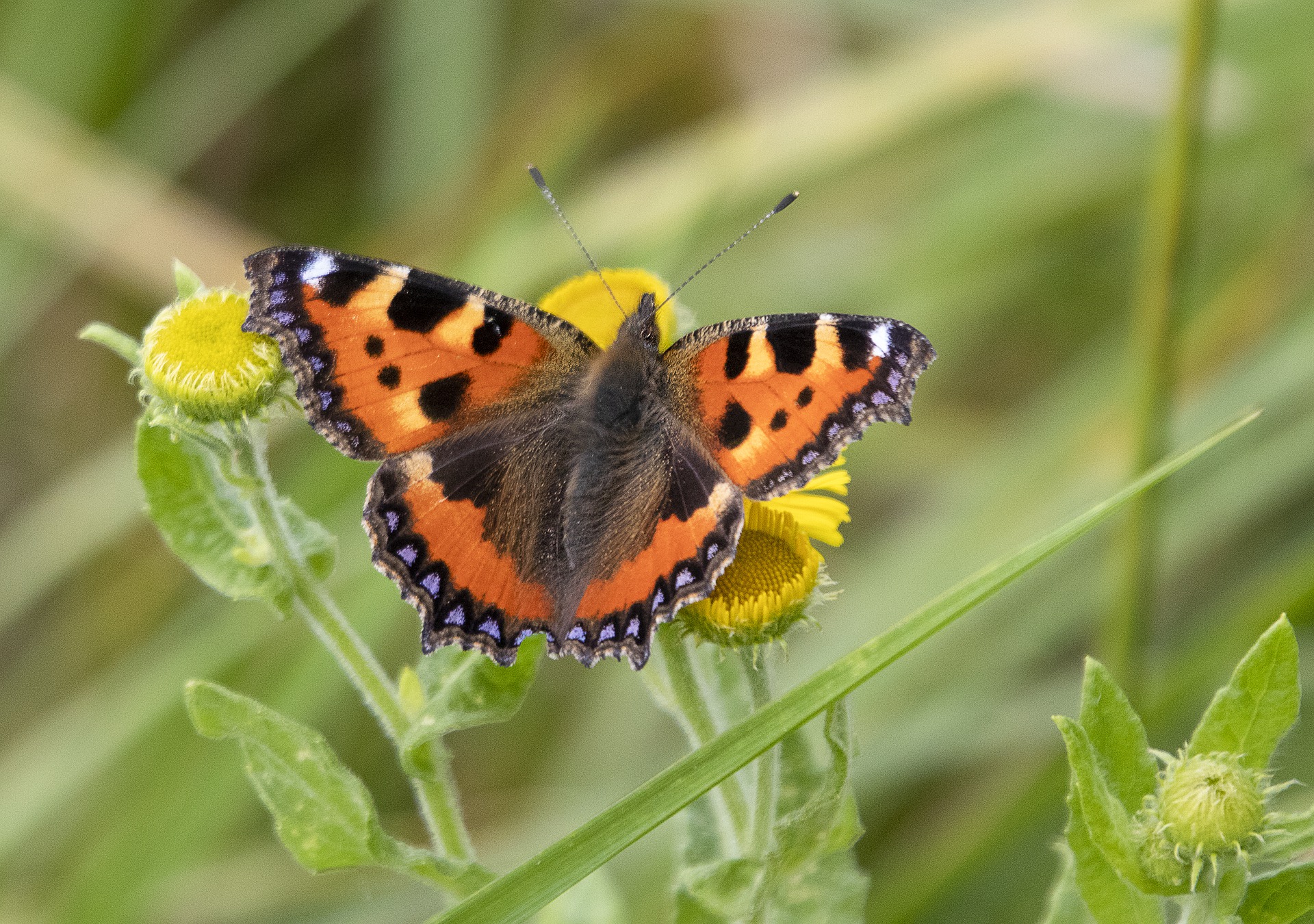

1&2 Brimstone 3&4 Comma 5&6 Small tortoiseshell.
Header Image: peacock by DKG

This week has see the return of our chiffchaffs!
Continue reading “Our chiffchaffs are back”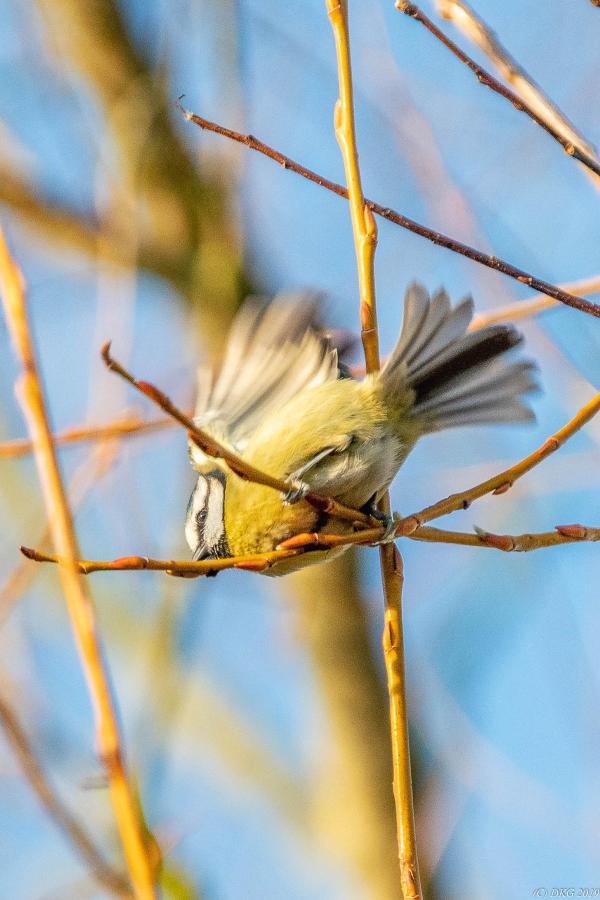
During the winter, in natural woodlands, blue tits spend most of their time in oaks, searching for insect food in the trees’ rich ecosystems. But at this time of year they turn their attention to the midges, mites and wasps that come to lay eggs in the new leaf buds.
Read more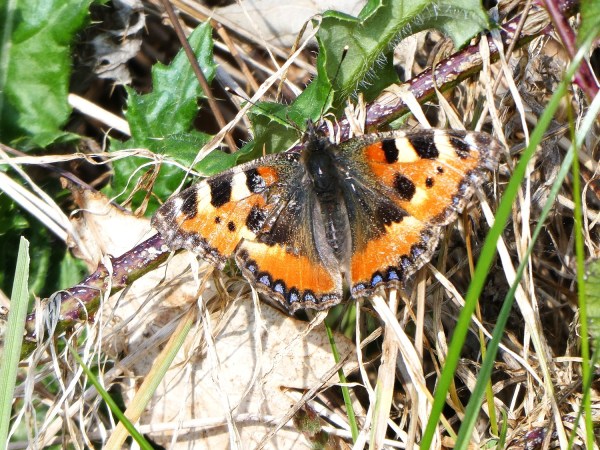
Fresh out of hibernation, a small tortoiseshell (Aglais urticae), photographed by Clive Knight in the reserve on Monday.
Continue reading
Red dead Nettle
This is a red dead nettle (Lamium purpureum), the commonest of weeds. It flowers for most of the year in untidy vegetable plots, roadside verges and, in this case, Local Nature Reserve car parks. Nobody gives it a second glance but its flowers, hidden among its topmost purple leaves, are extraordinarily beautiful.

The Eurasian collared dove, Streptopelia decaocto, seems ubiquitous: one of the park’s noisiest and most common species. But it wasn’t always so.
How come?
Blackthorn (Prunus spinosa) is the earliest of our native flowering trees.
Continue reading “Blackthorn”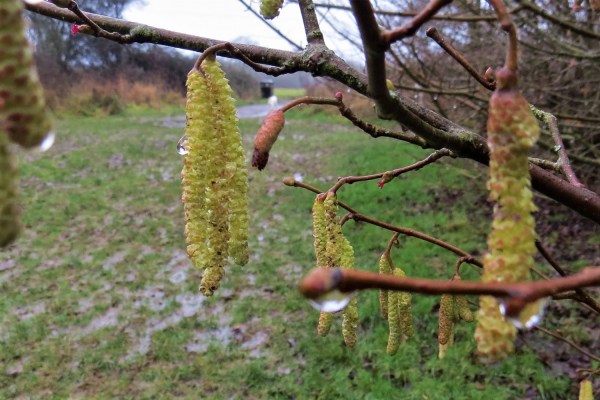
Wet Work Party
by Ian Bushell
We had a particularly wet and foul day for Wednesday’s work party. It didn’t stop raining the whole morning. That is two weeks on the trot now and most unusual for the Friends, normally we have good weather days between the bad.
Continue reading
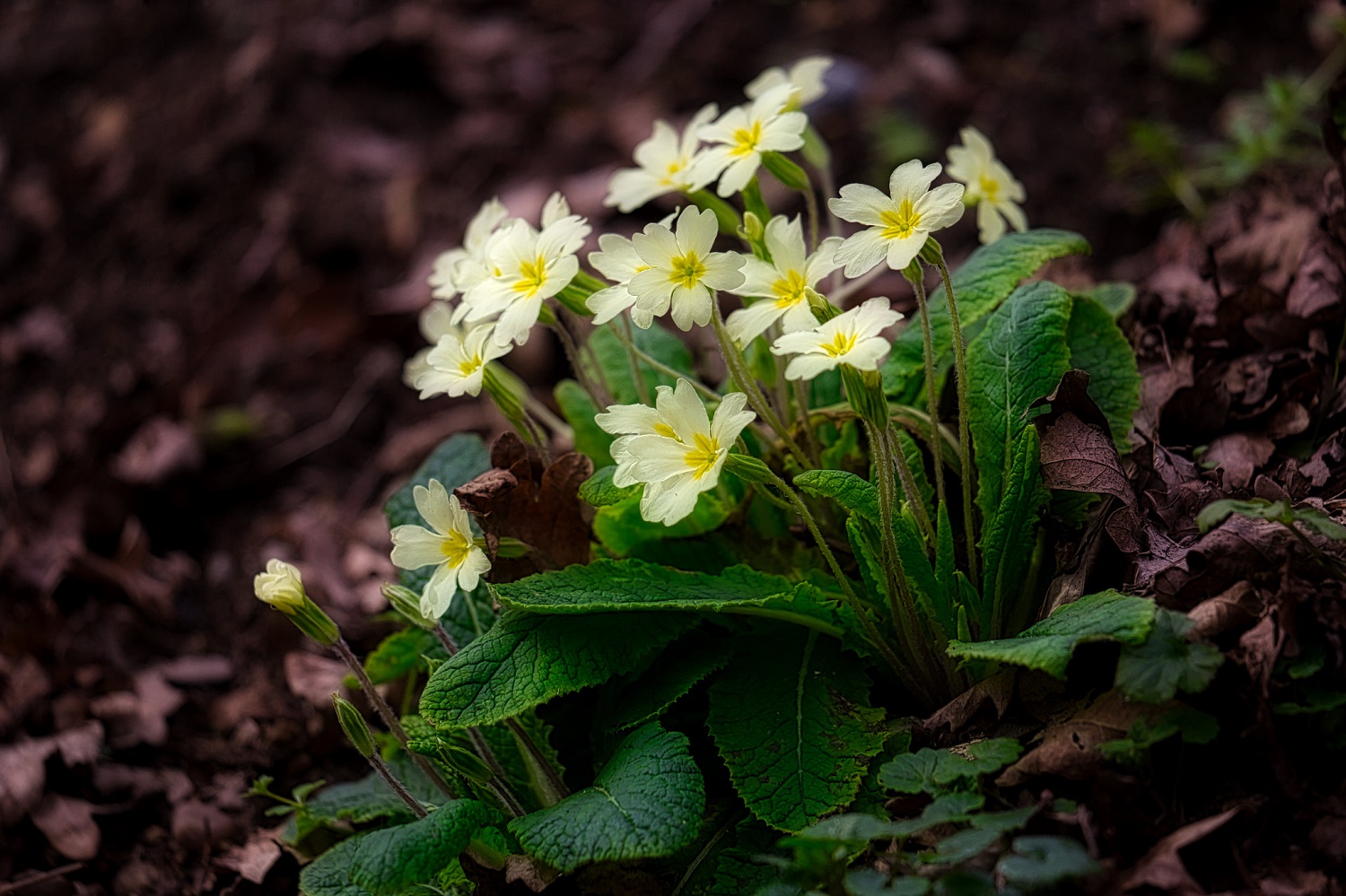
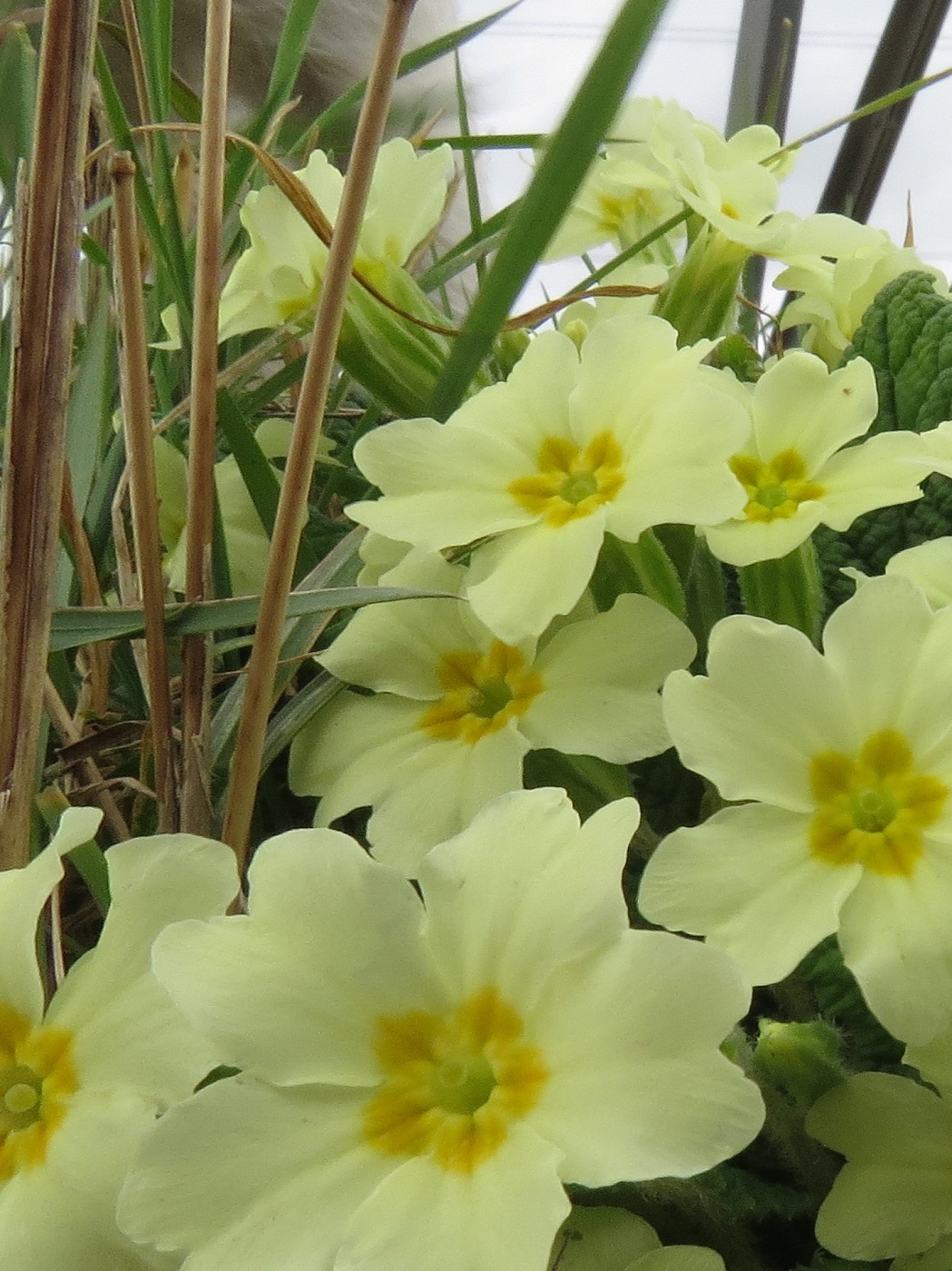
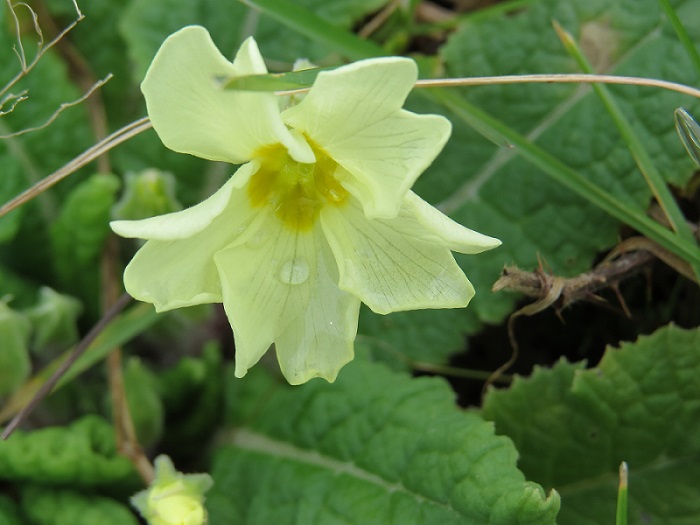
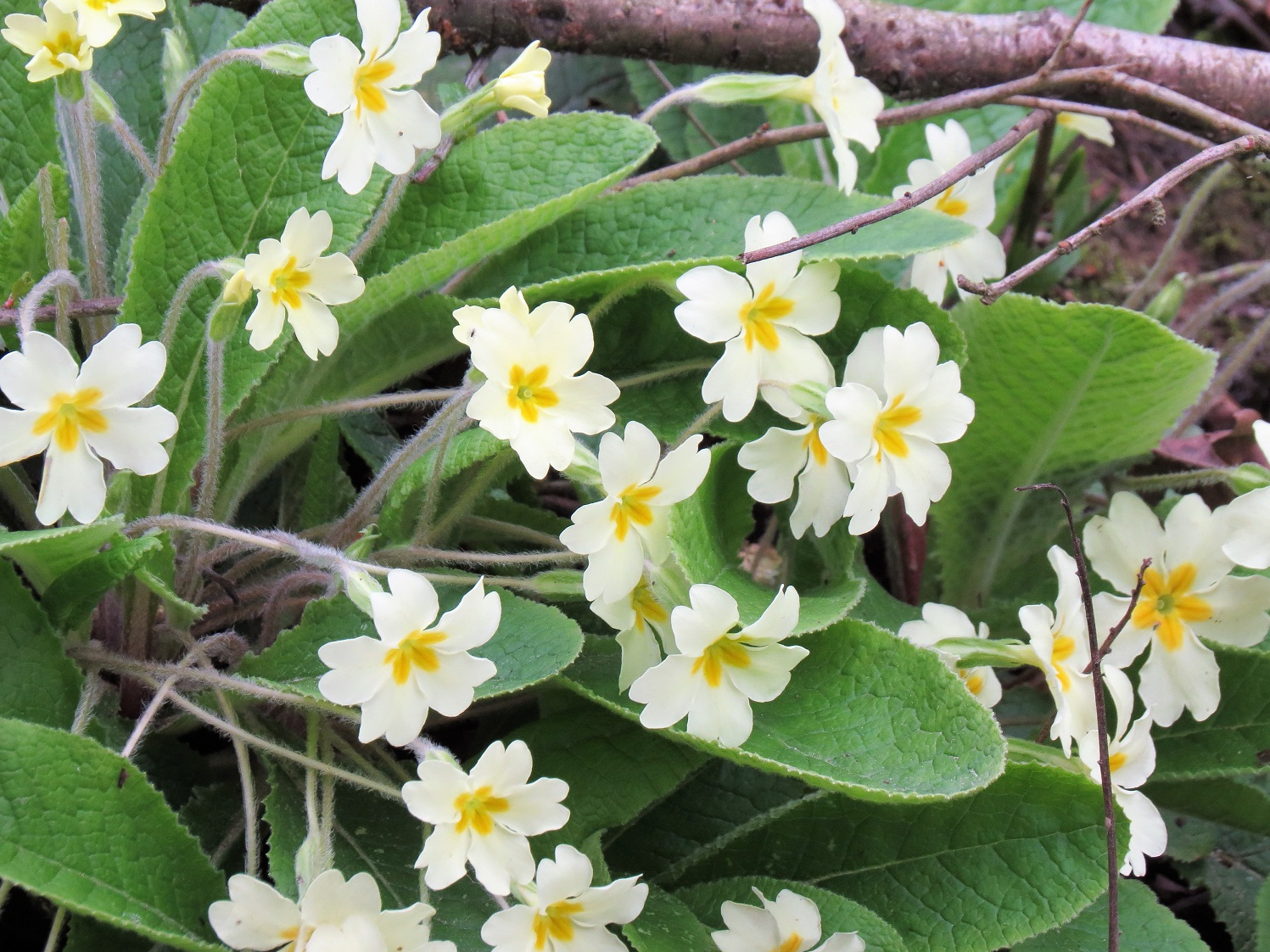
The primroses are coming into flower. The woods will soon be full of them.


It’s not often that the reserve’s first reported butterfly of the year is a comma. This pair, basking in the sunshine, were photographed by Clive Knight on Monday.


Jay
Ian Bushell photographed this young jay in the reserve on Sunday morning. He said:
It is last year’s chick, a one year old bird that has raised its crest; adults have black and white bands on their heads. Its call, which was what attracted my attention, was more like the mew of a buzzard rather than the harsh call of the Jay.
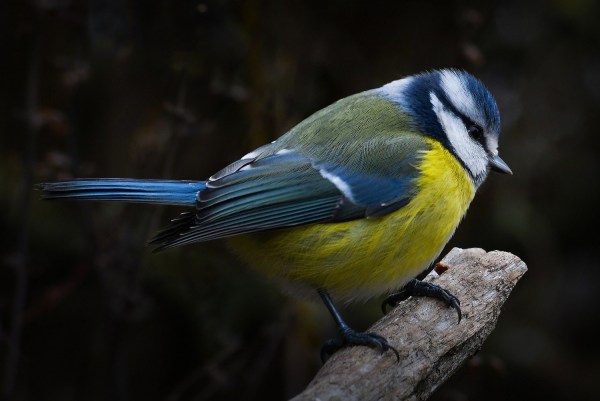
…blue tits are surprisingly long lived. In Britain, the maximum recorded age of a blue tit is 10 years and 3 months but the world record is 11 years and 7 months.
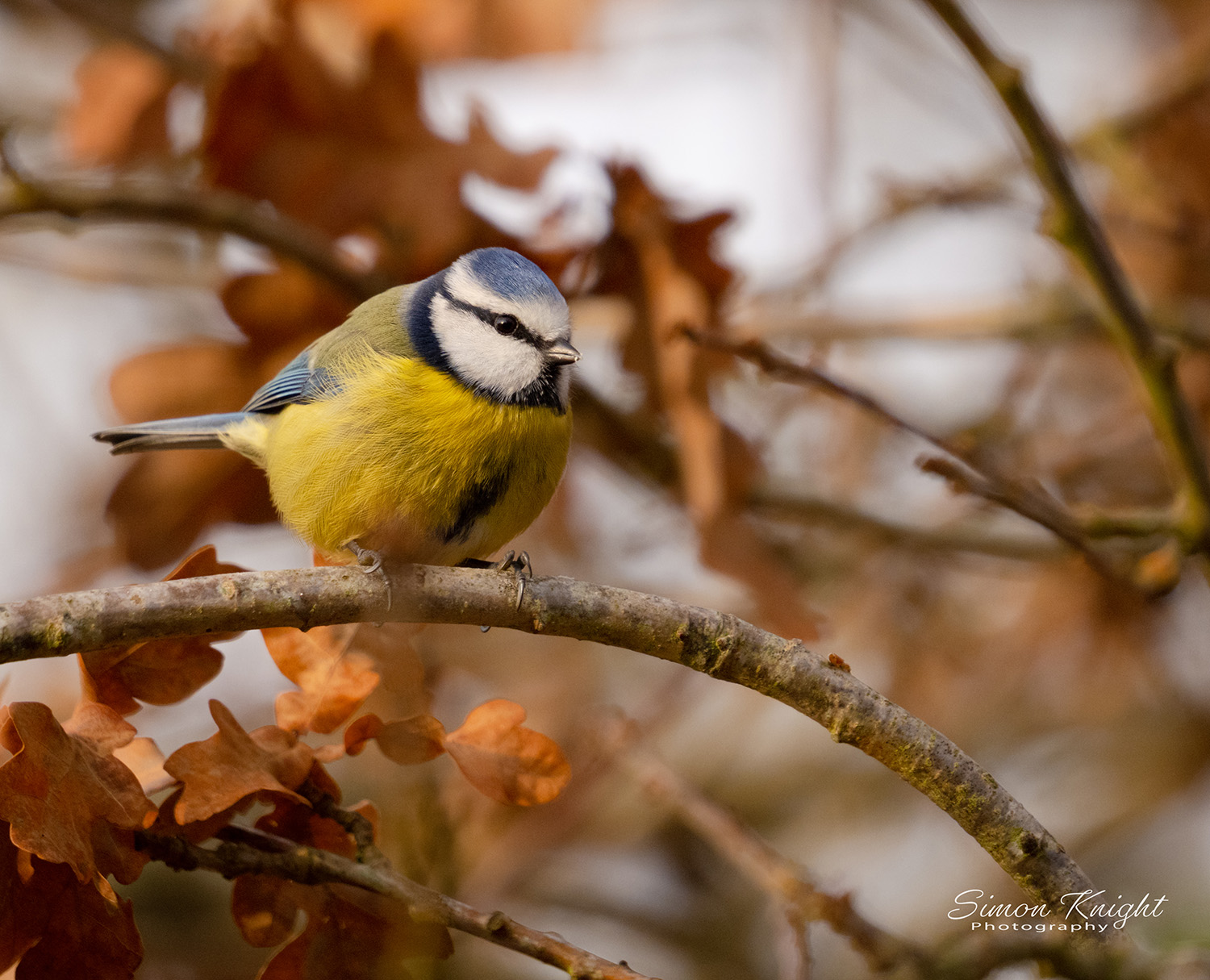

Gallery images taken in the reserve by wildlife photographer Simon Knight

Blue tit colours
The blue tit (Parus caeruleus) has been classified as sexually monochromatic, which means that male and female are the same colour. This classification is based, though, on human colour perception, not on blue tit colour perception.
Continue reading
by David Feather
A few days ago, the postman delivered a brochure from the Whitehall Garden Centre. I was pleased to read an article about making a garden a place of well-being. Very few have a garden as big as the Country Park, but we can try to have some elements of it.
Continue reading “Your own sensory garden”
A host of golden daffodils….
After their short, golden flowering period, the above-ground parts of our daffodils will die back and they will spend the rest of the year hidden underground as bulbs. The bulbs are adapted stems and leaves in which the plants store their food to fuel next year’s spring growth.
Continue reading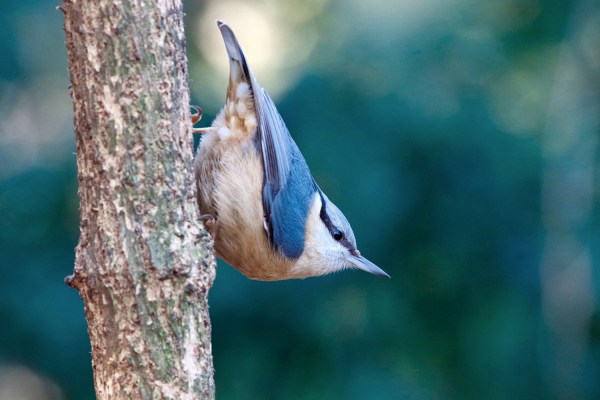
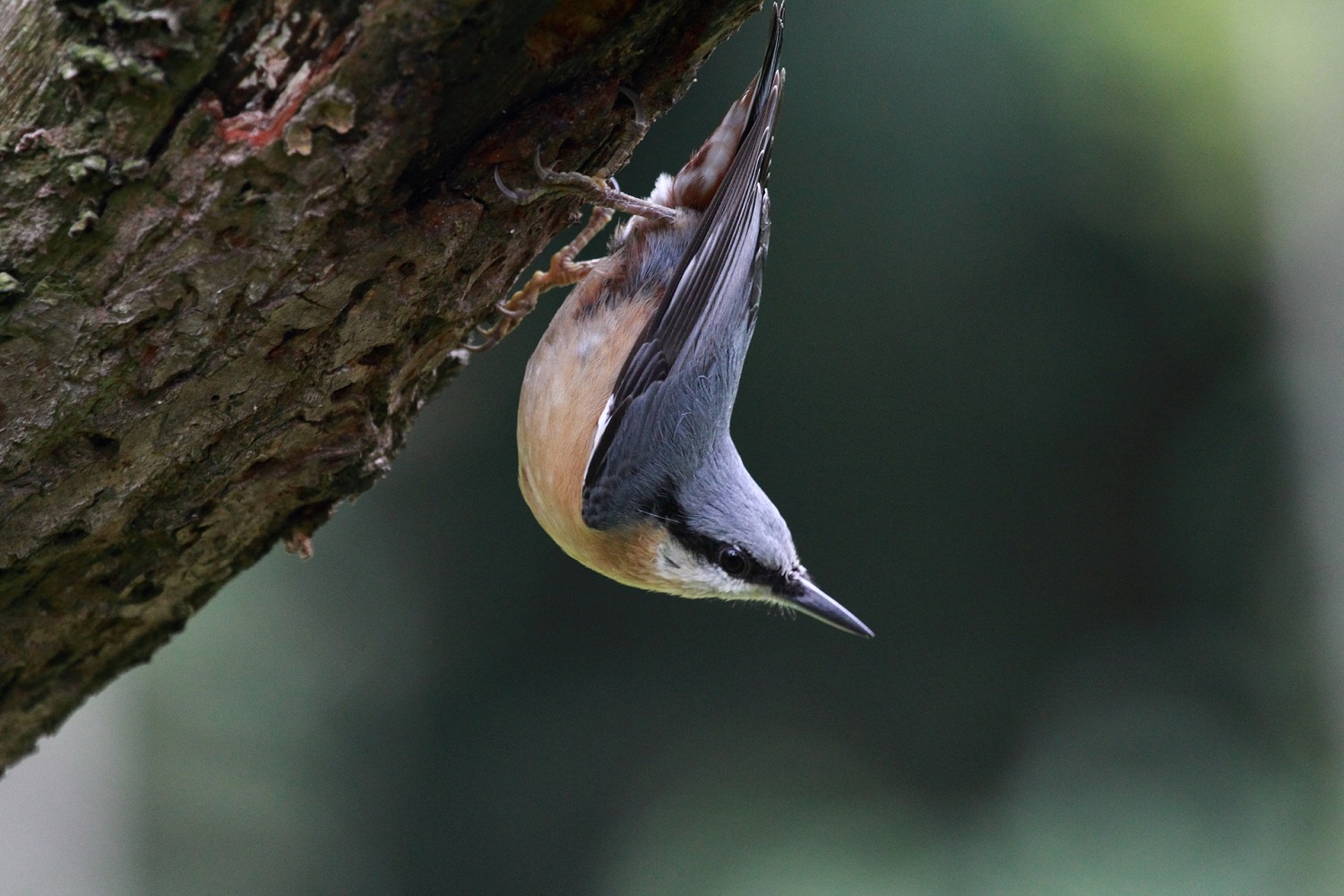
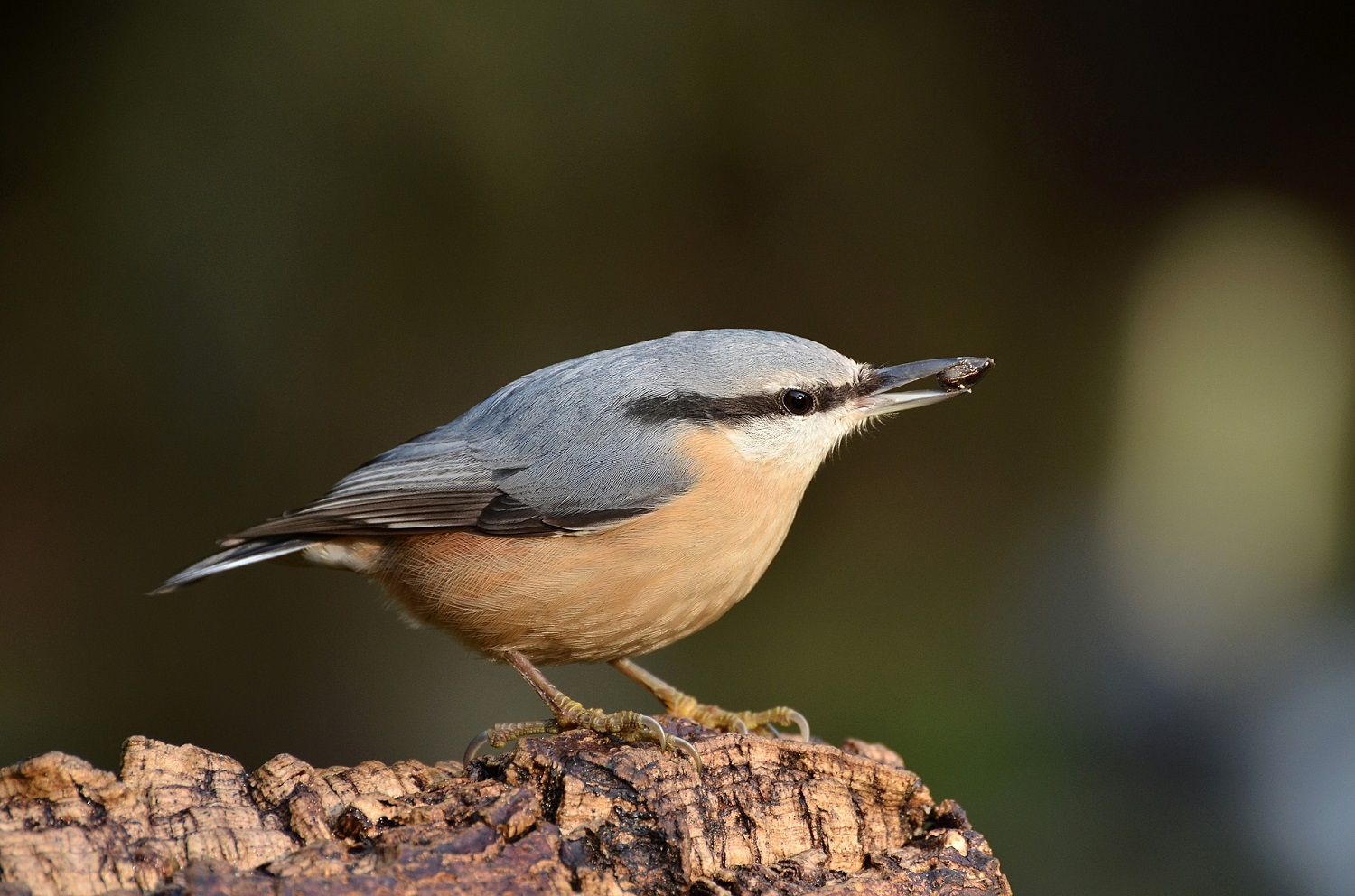
Ian spotted a nuthatch at the weekend; the first he had seen in the reserve for about seven years. Let’s hope it’s one of a pair that are building their nest in a hole up in an old tree.

Research has shown that making small changes to our lives can have a huge impact in reducing carbon emissions. Apparently, we can help avert climate collapse by making just six fairly easy lifestyle changes.
Continue reading “Personal choices”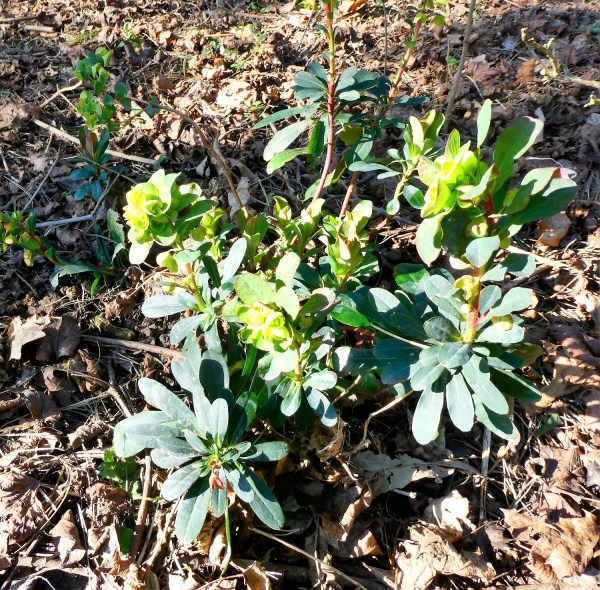
Ian Bushell has sent us pictures of wood spurge (Euphorbia amygdaloides) in the copse between the Arboretum and Simpson’s Field.
Continue reading
The aerodynamically unlikely buff tailed bumblebee queens are already out of hibernation and buzzing around between the park’s spring flowers. Here is a video about their surprising flying skills:

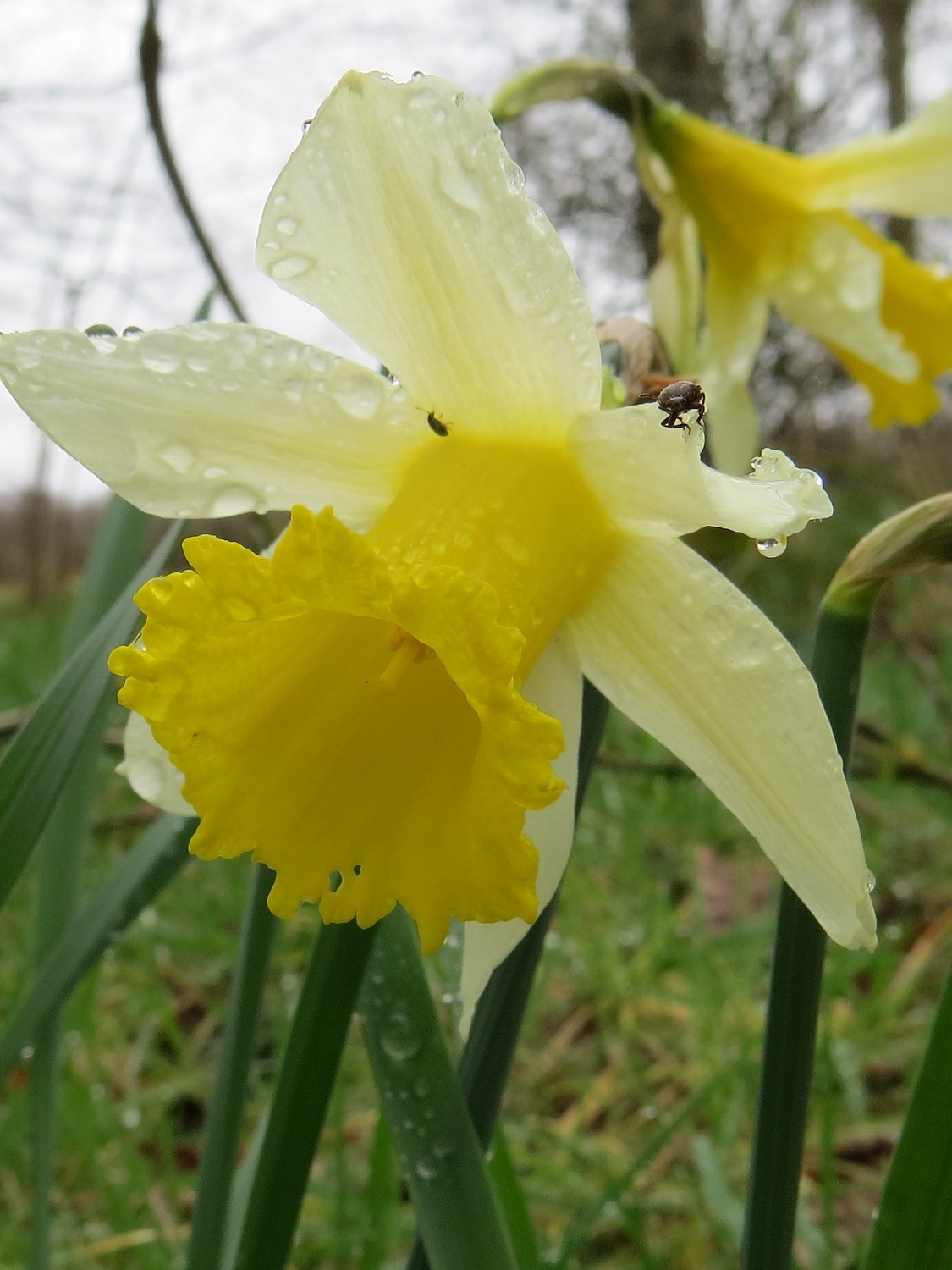
Daffodil time! In 2017 the Friends planted 1,000 native daffodil bulbs in the woodland edges of Village Green. They are now well established and beginning to spread, and we are hoping that the sunshine forecast for next week will bring them all into flower.



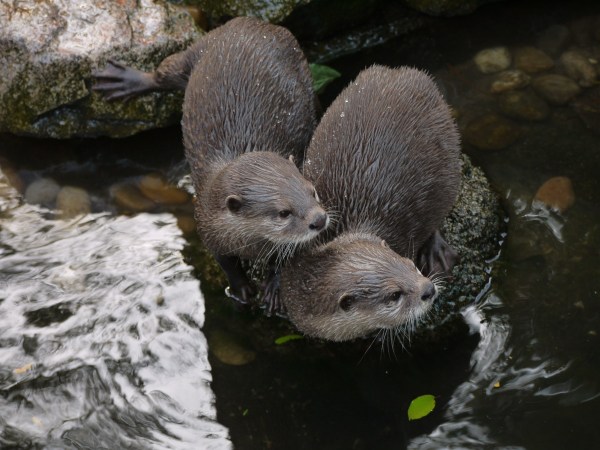
Every year, otters are seen in the Lambrok right the way up into Southwick village. They hunt swan mussels in the stream in the reserve and fish in the moat at Southwick Court. Here are some things you may not have known about otters.
Read on for ten Fascinatng Facts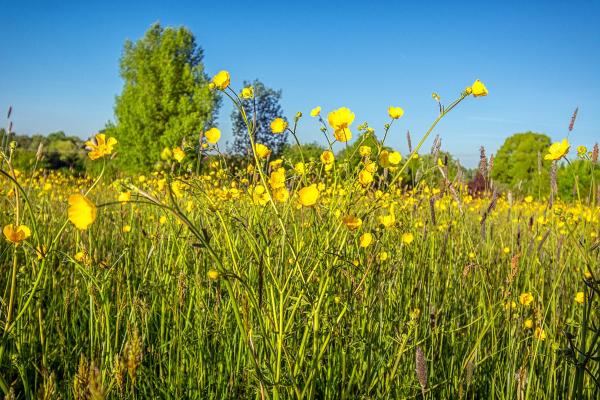
by David Feather
On Wednesday, we were reminded about the importance of private gardens for the well-being of our wildlife. However, there is an aspect of private gardens which needs and deserves a lot more public discussion.
Continue reading “Right to Nature”
by Ian Bushell
A miserable morning, cold and very wet, with just the “Three Musketeers” turning up, Frank, Clive and myself.
Continue reading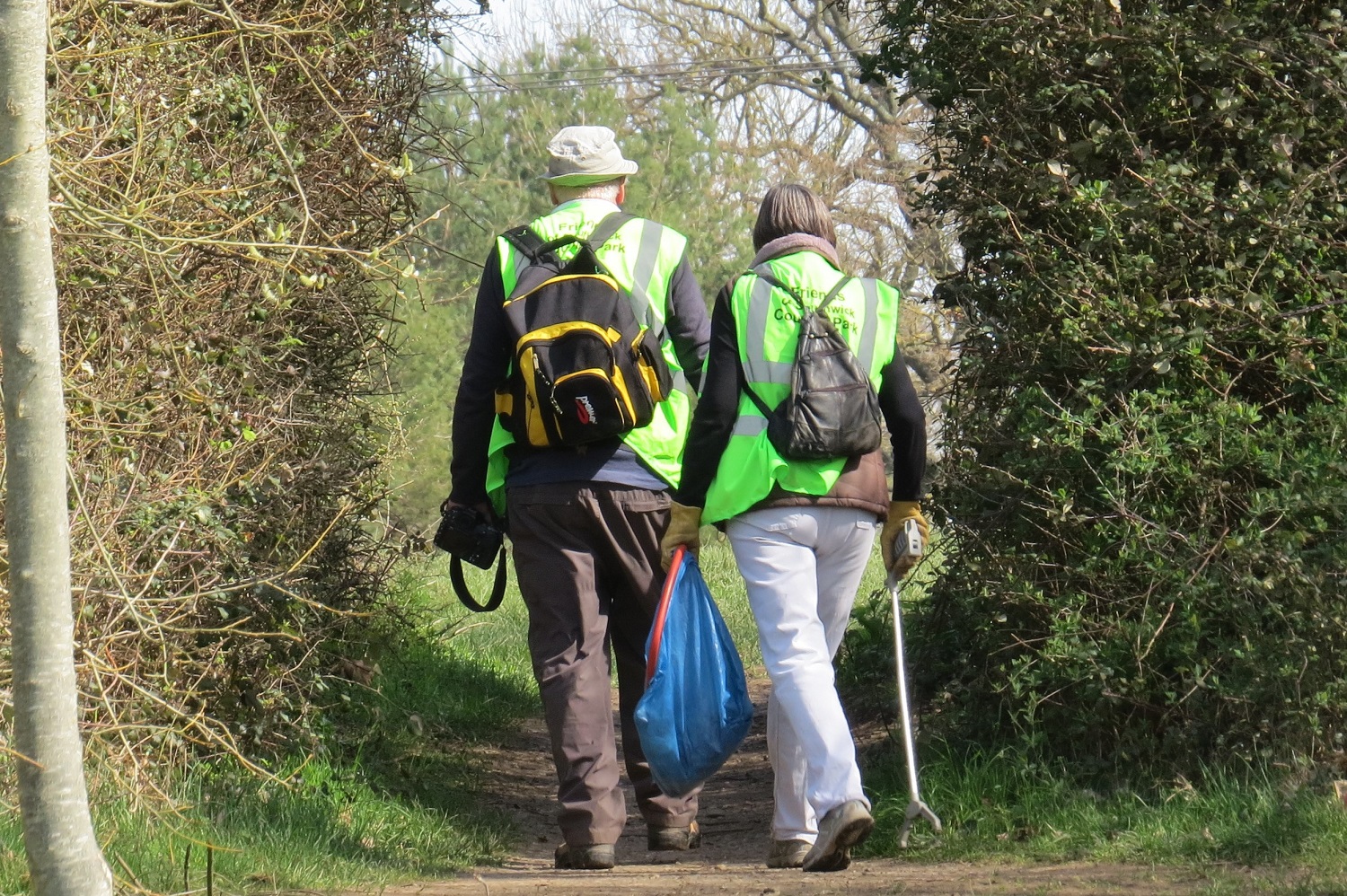


 Southwick Country Park Nature Reserve