
Woodpeckers
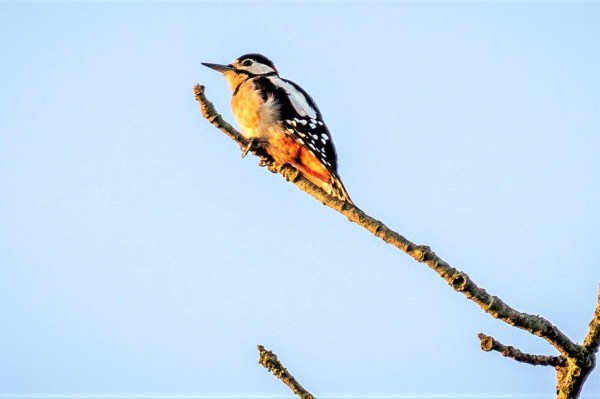
We have both greater and lesser spotted woodpeckers on our species lists but it is many years since the single sighting of a lesser spotted woodpecker in the park. Here is a video from the BTO to help you tell the difference between the two.
Header picture: greater spotted woodpecker in the reserve photographed by DKG
The return of neonicotinoids

On 1st September 2020, the EU’s ban on the use of neonicotinoid pesticides came into effect but investigators have found that eight EU countries and the UK have since exported neonicotinoids to other nations with weaker environmental regulations. These are unacceptable double standards: the companies that produce these dangerous chemicals are prioritising their profits at the expense of our environment.
Continue reading “The return of neonicotinoids”
Blackcap
Since the 1960s, the number of Eurasian blackcaps that overwinter in the UK has got bigger and bigger. It’s no longer a rare sight to see them in the reserve in the middle of winter. The blackcap (Sylvia atricapilla) is one of the rare species that sings all year round. Listen out for them:
Recording: Blackcap by Alexander Henderson (CC BY-NC-ND 4.0) xeno-canto.org
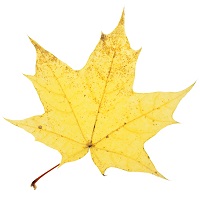
Winter moths

The Winter moth (Operophtera brumata) is one of the few moth species that can cope with winter’s freezing temperatures in its adult stage. They are endothermic which means that they can produce heat internally by biochemical processes, just as warm-blooded creatures do.
Continue reading “Winter moths”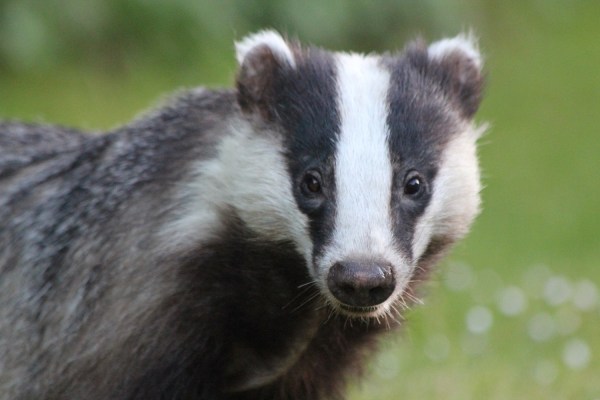
Badger Timetable
What are our badgers doing in the middle of this damp and overcast November?
Continue readingHouse sparrow
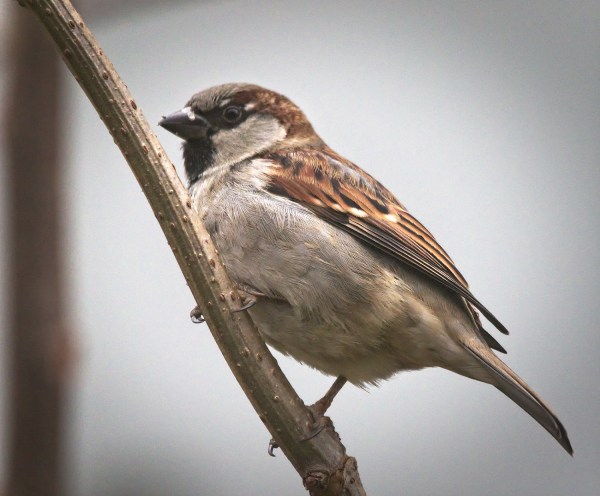
A study by scientists from the RSPB, BirdLife International and the Czech Society for Ornithology has found that there are 247million fewer house sparrows in Europe than there were in 1980. This is a loss of almost half the house sparrow’s European population.
Continue reading “House sparrow”
Cop 26 does not appear to have reached an agreement that will limit global heating to 1.5°C. The really frightening thing is that we all know what has to be done but the people who make the decisions are not listening to us.
Here is Sir David Attenborough on the simple matter of saving our planet:
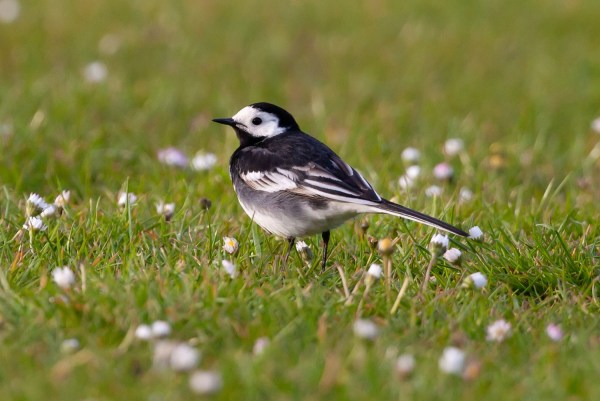
Pied wagtail
The car park wagtails are a pair of grey wagtails but we have pied wagtails too.
Continue readingSome of our resident mammals
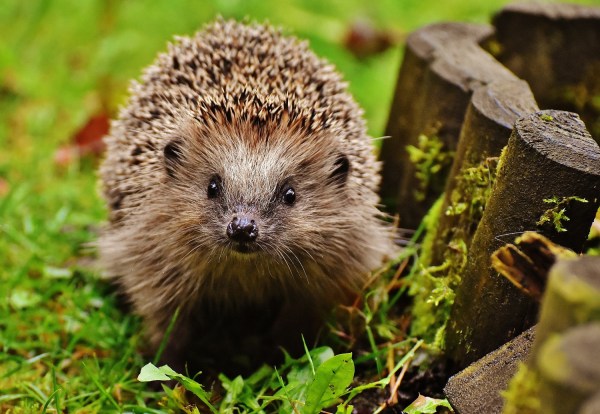

1 
2 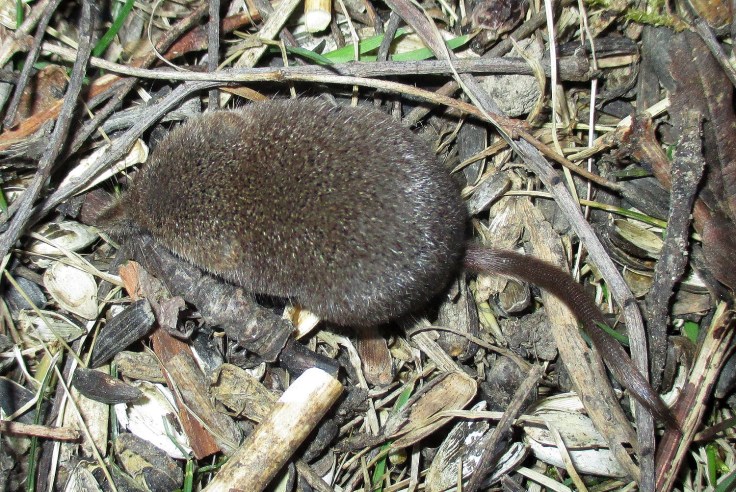
3 
4 
5 
6 
7 
8 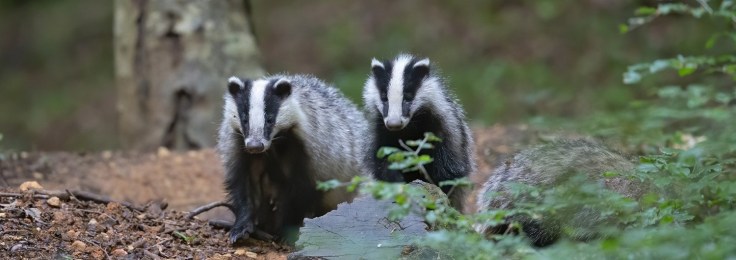
9
[1] Wood mouse [2] Water vole [3] Pigmy shrew [4] Grey squirrel [5] Rabbit [6] Stoat [7] Common mouse [8] Brown hare [9] Badger.
Header image: hedgehog (CC0)
Tree slug!
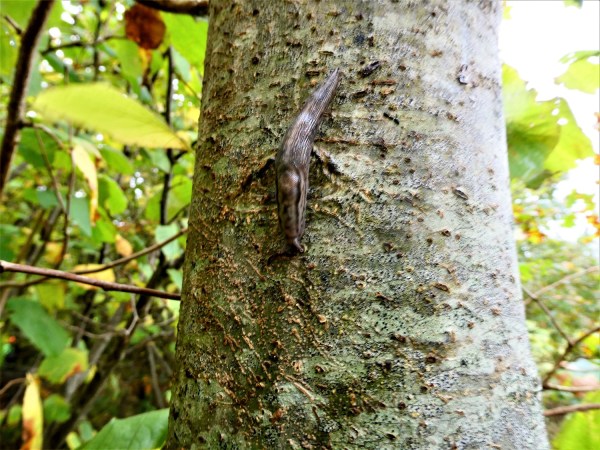
Message and a picture from Ian Bushell.
Continue reading “Tree slug!”
A beautiful photograph from Ian Bushell of the pollarded oak tree by the footbridge between Cornfield and Sleepers.

Toy Story in the Park
by David Feather
Get your children creative with their favourite teddy or other toy character.
Continue reading
Bonfire Night damage
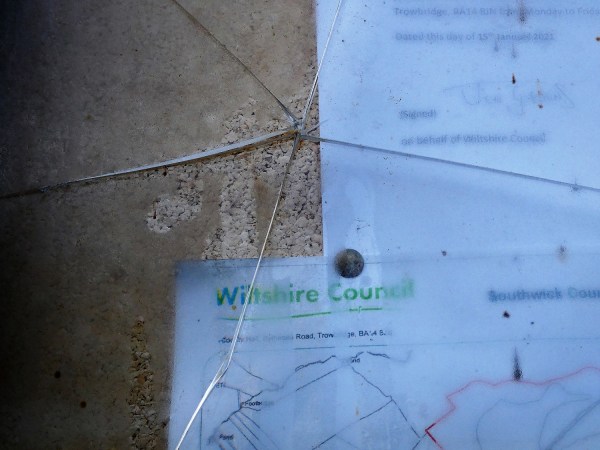
Over the weekend, the main notice board at the entrance has been damaged and somebody appears to have held a firework party somewhere in the park.
Continue reading “Bonfire Night damage”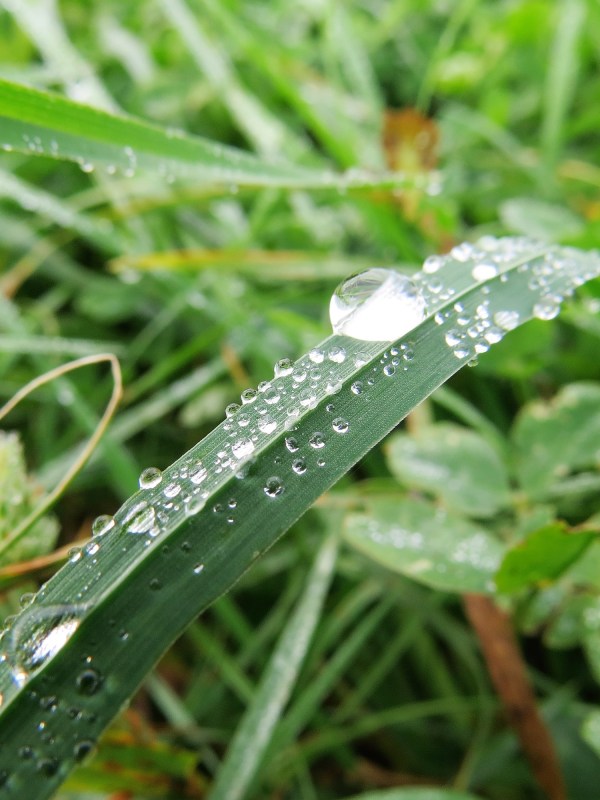
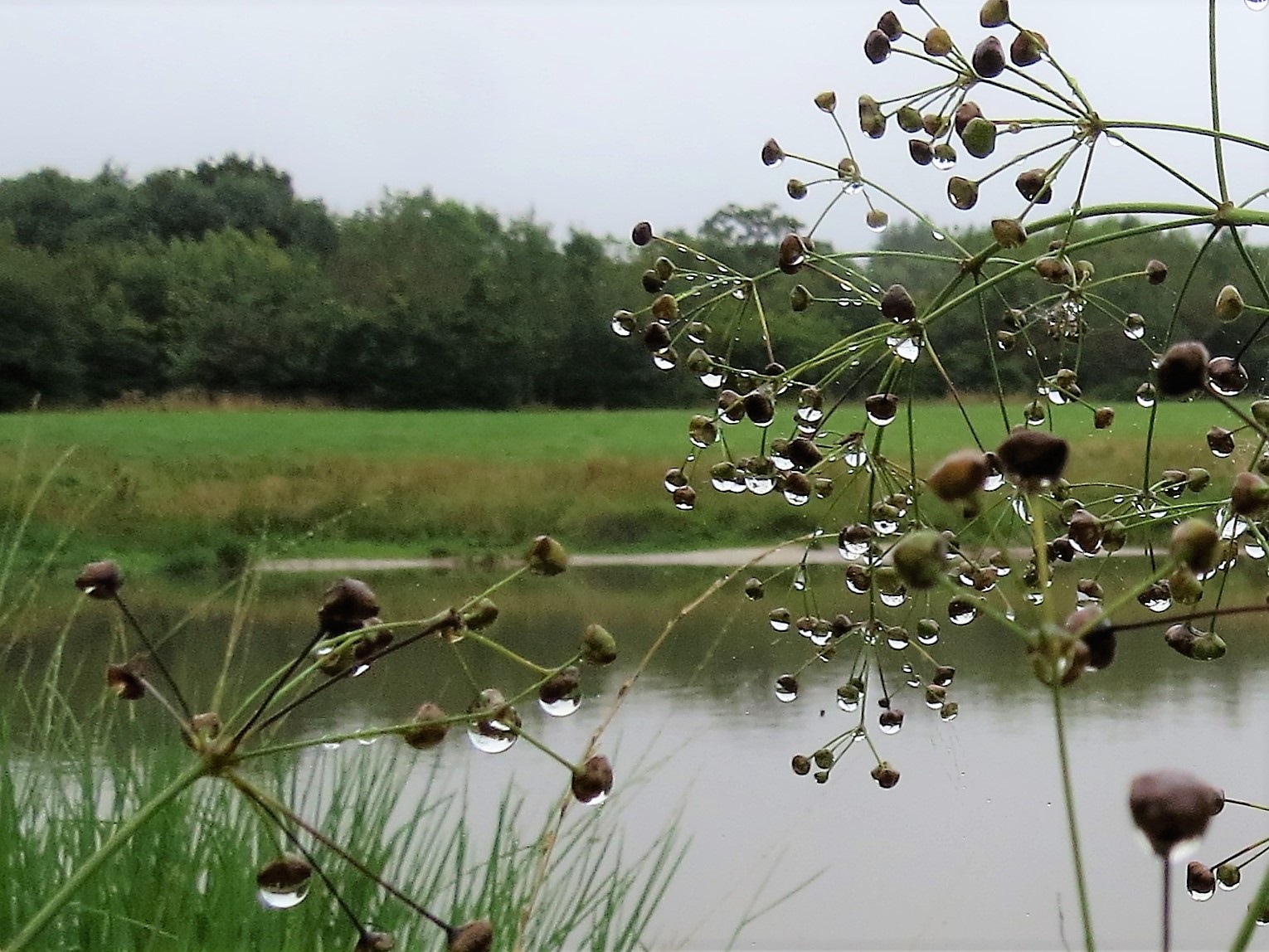
Pictures from a rain-soaked park




Slime mould

Slime moulds are extraordinary things; here is a fascinating video of time-lapse photography:
Click here for more of the park’s extraordinary organisms

Occasionally, while we are clearing the undergrowth in the reserve’s copses, we find the secret places, among the ivy and blackthorn, where somebody has hidden their plastic bags full of dog poop.
Continue readingFirst frost

Last night brought the year’s first frost to many parts of the country.
Video: Timelapse of frost forming on European beech leaves ©Alastair MacEwen/naturepl.com
Header image: frosted leaves by DKG
Hibernating mammals
Of all the mammals on our species list, only the bats and hedgehogs truly hibernate. We have found the tiniest piece of evidence that there might be dormice in the park, if so, that would be a third hibernating species.
Continue reading “Hibernating mammals”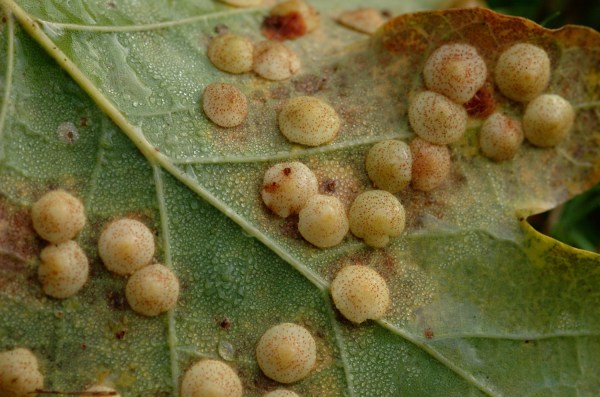
These are spangle galls on an oak leaf.
Continue readingEuropean hornets
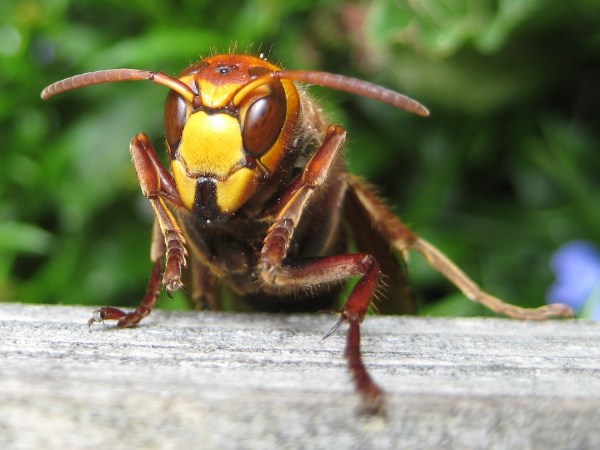
There are European hornets (Vespa crabro) still hunting in the Lone Oak.
Continue reading “European hornets”
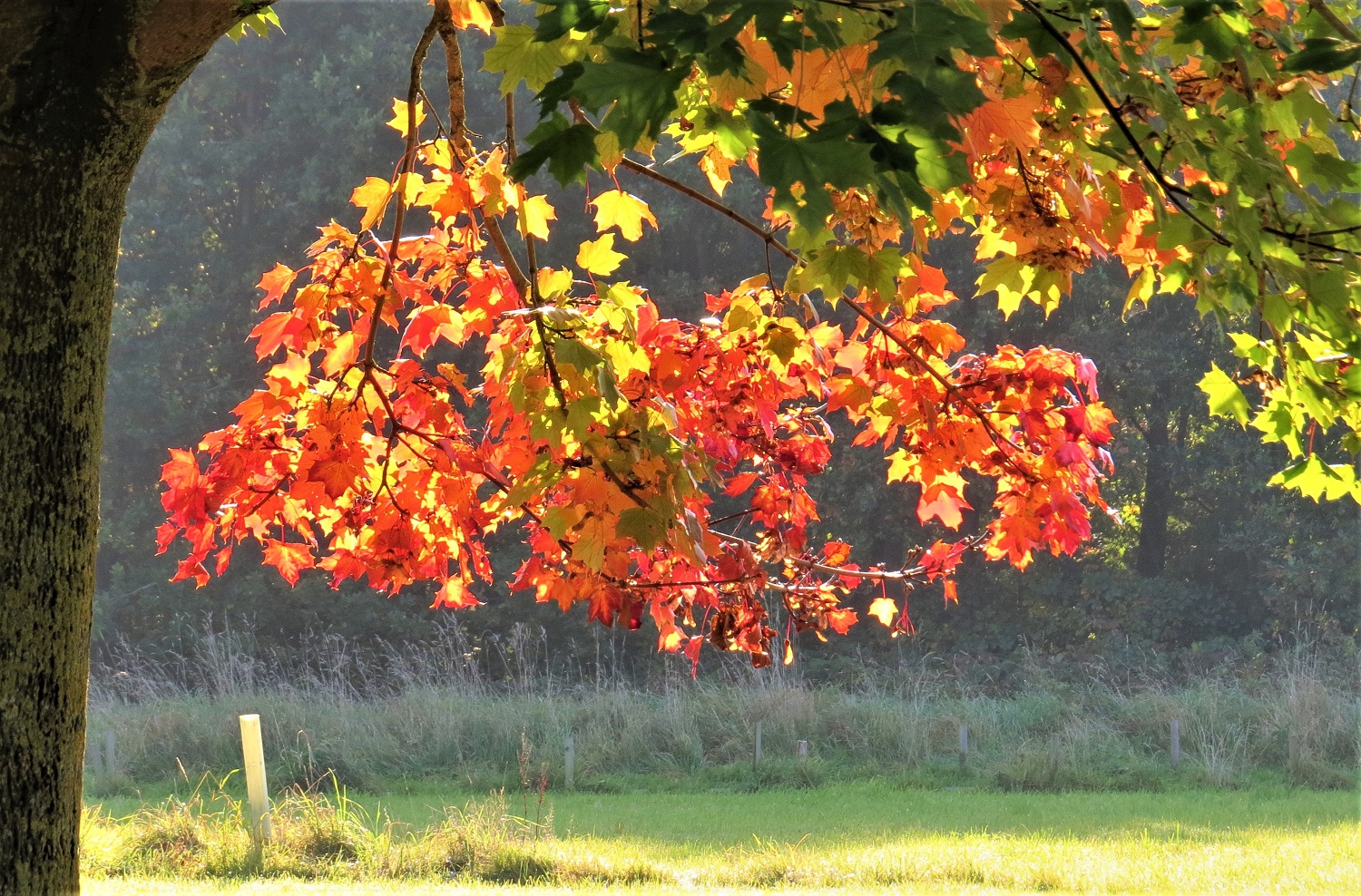
A gallery of autumn leaves
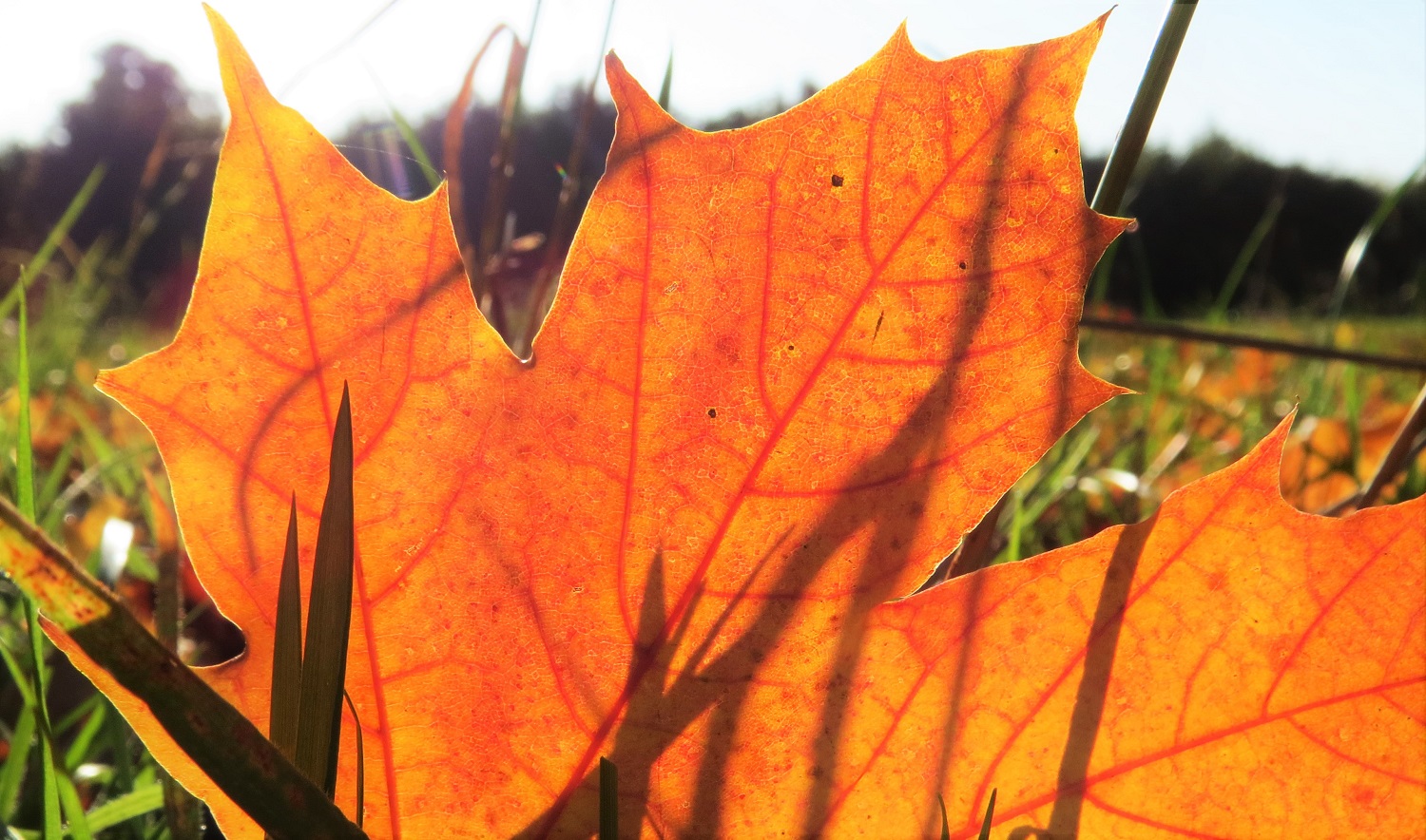
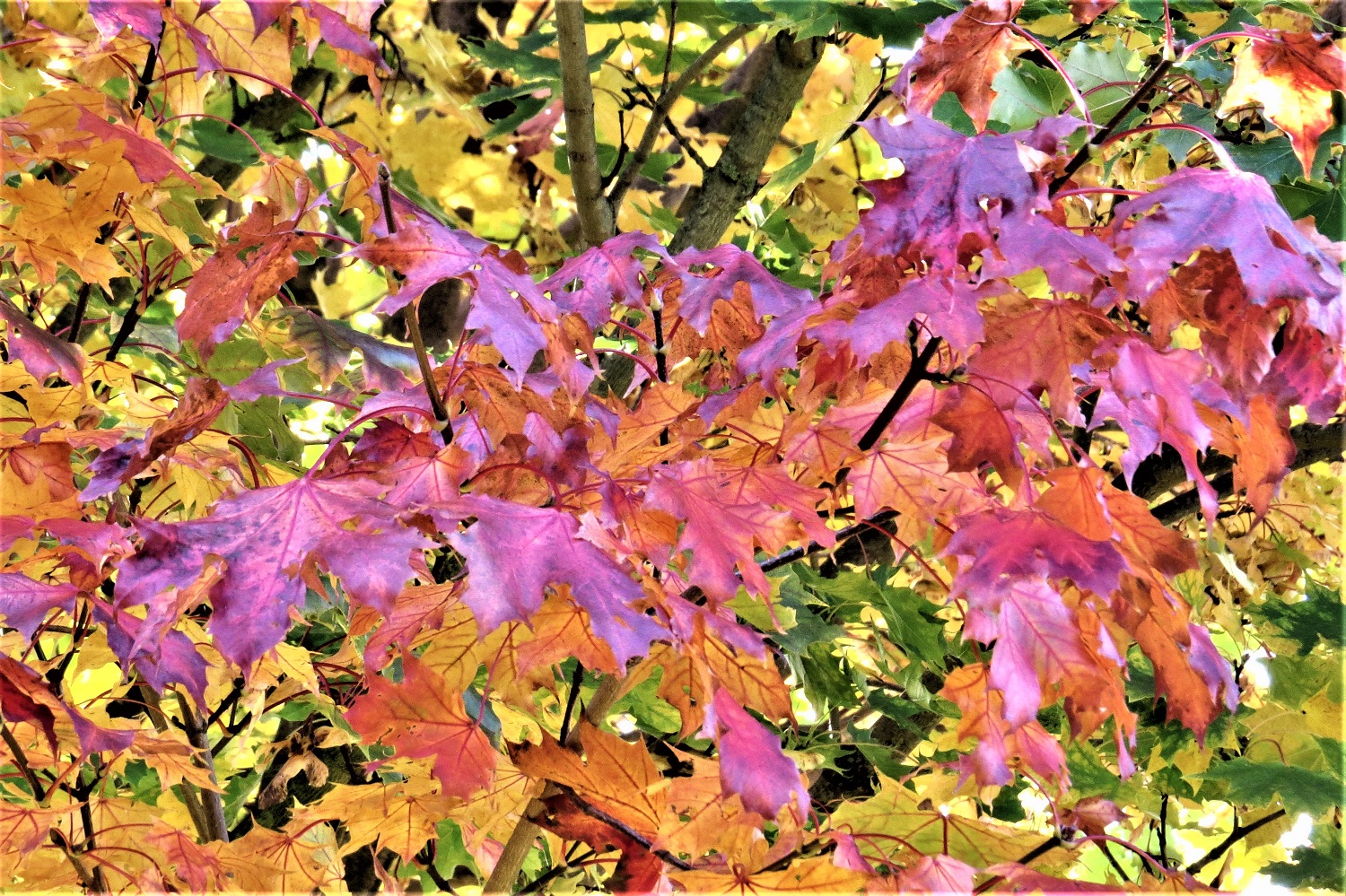

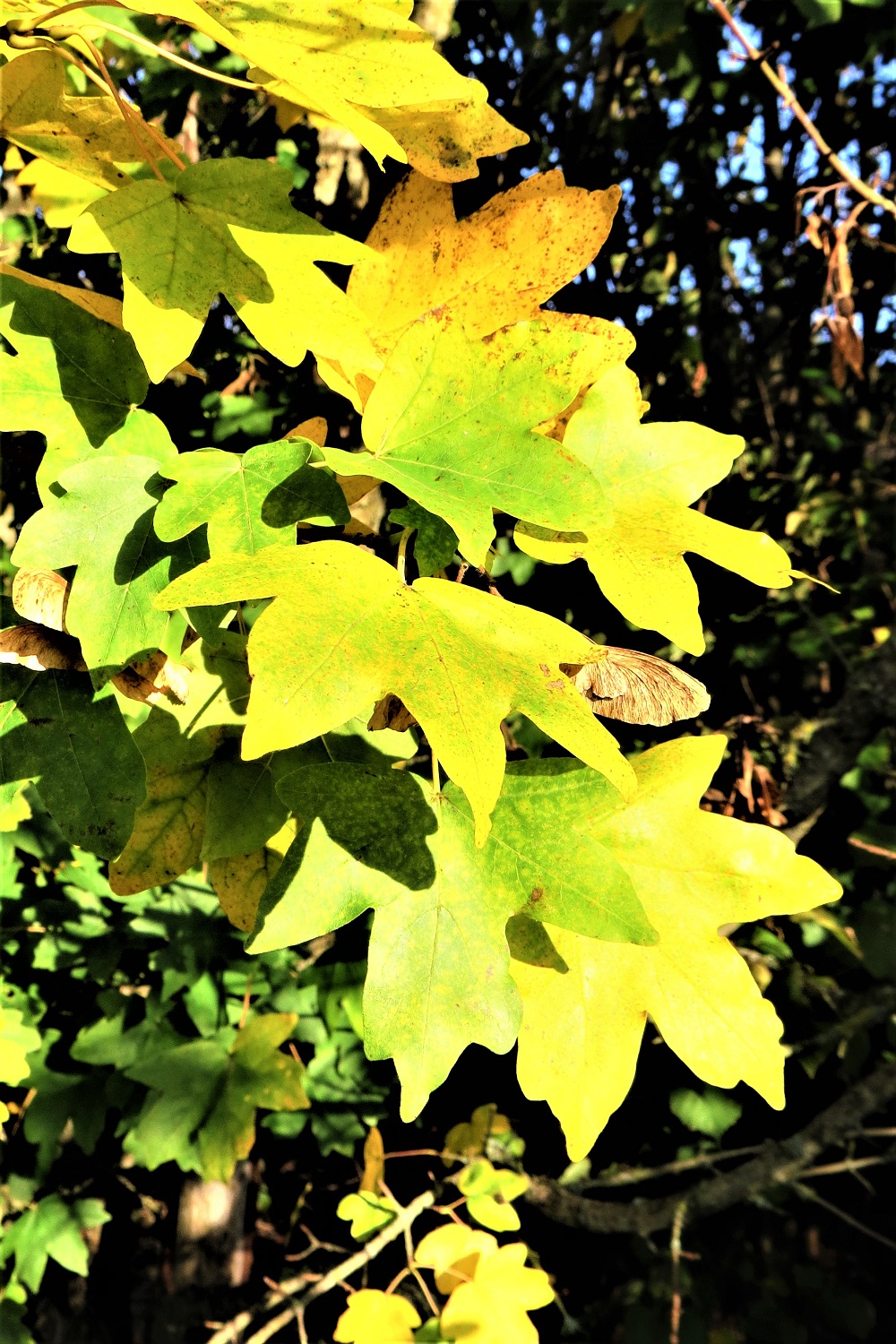
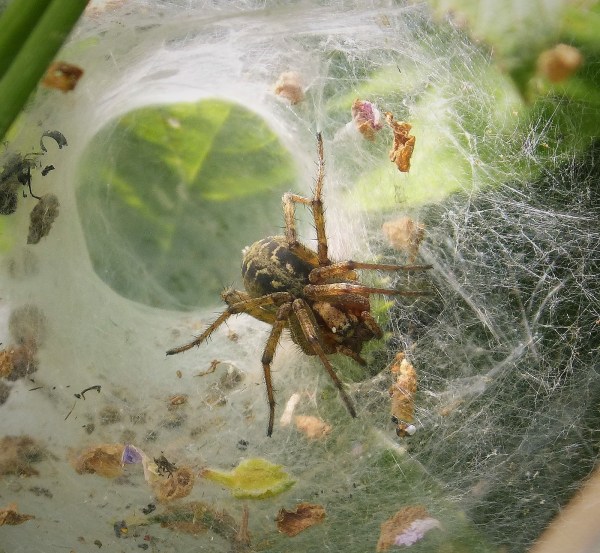
Hallowe’en Greetings to all our arachnophobes from park resident, Agelena labyrinthica.
Header picture: Labyrinth spider by Gail Hampshire (CC BY 2.0)
Video from: Animalia Kingdom – Łukasz Karnatowski
Lichen on the Wildlife Wheel

The Wildlife Wheel has been there, at the end of The Race, for more than twenty years. It has aged in those years, changed colour, split and grown a fascinating crop of lichens.
…and there’s more


by Clive Knight


 Southwick Country Park Nature Reserve