The Woodland Trust has given us 420 sapling trees: rowan, dogwood, silver birch, hawthorn, hazel and wild cherry.
Continue reading “Trees”Trees
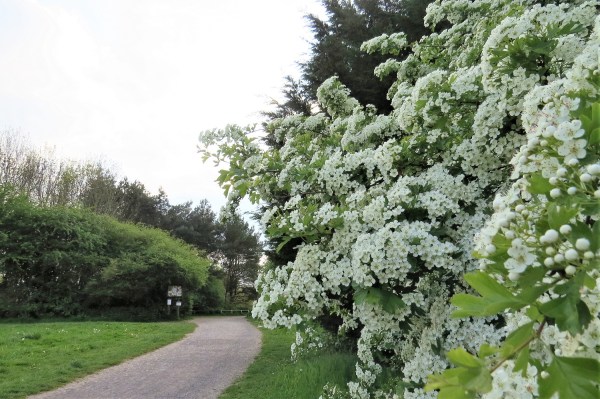
The Woodland Trust has given us 420 sapling trees: rowan, dogwood, silver birch, hawthorn, hazel and wild cherry.
Continue reading “Trees”
This winter has been the hottest ever recorded in Europe.
Continue reading
Two years ago, in the first week of March, there was a pair of barn owls in the park. They hunted over Lambrok Meadow and the field between Lambrok Stream and Church Lane where a developer plans to build 45 houses.
Continue reading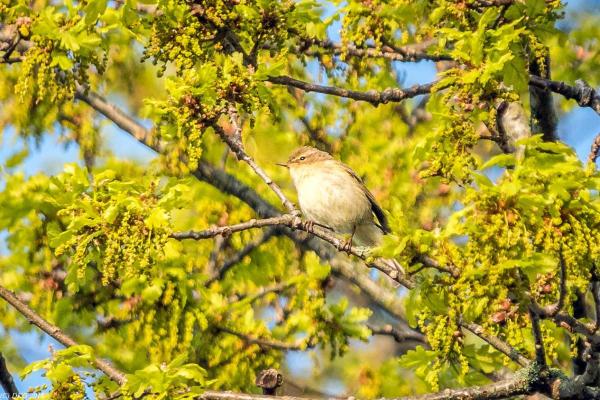
Has anybody heard our chiffchaffs yet? This is the time of year when they come back from the Mediterranean and Africa to nest here and their unmistakeable call is a welcome sign that spring is here. Message or email us if you have heard them .
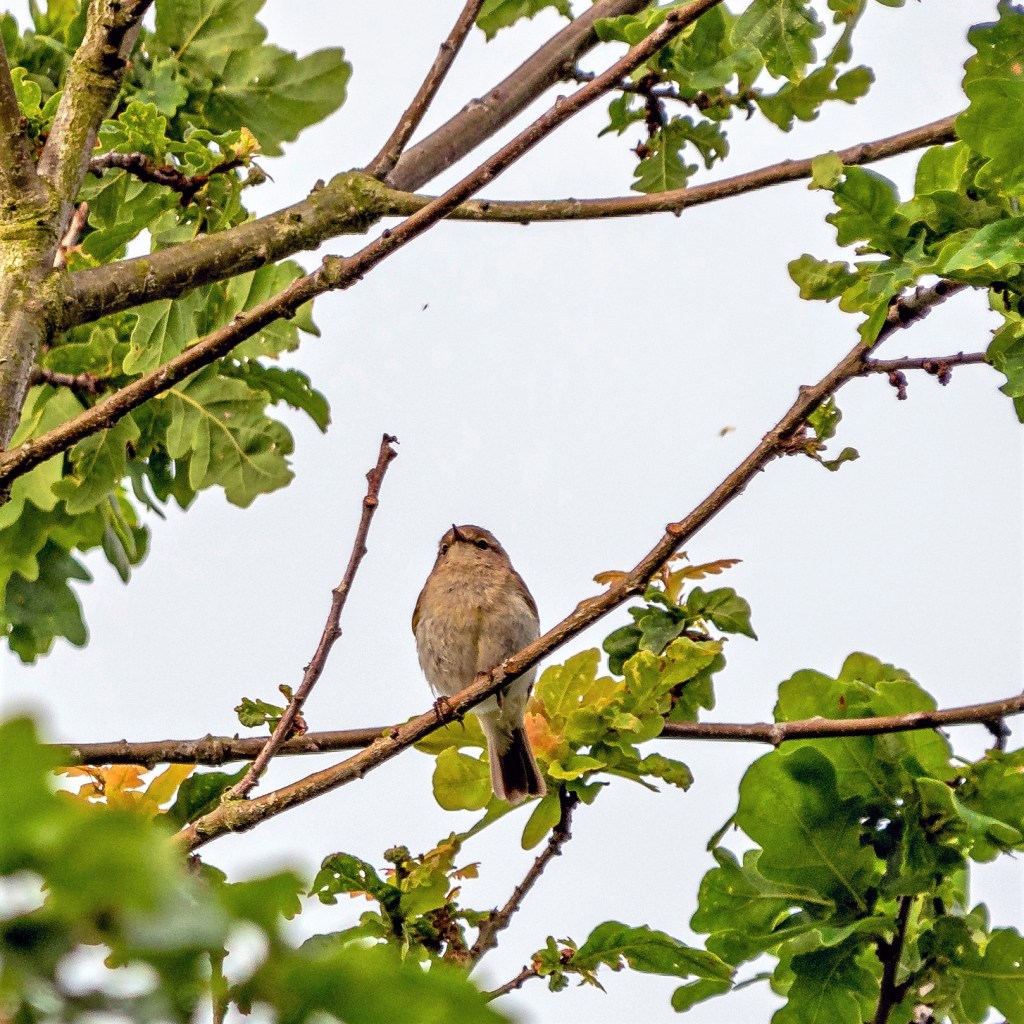

All these pictures were taken in the park by DKG.

Ian Bushell has sent in a picture of Crocus vernus doing its best in heavy rain, with this message:
“. . . this is the small clump of Spring Crocus (Crocus vernus) on the edge of the copse by the pond. Naturalised as a result of escape from cultivation/or possibly introduced to SCP.”
Continue reading
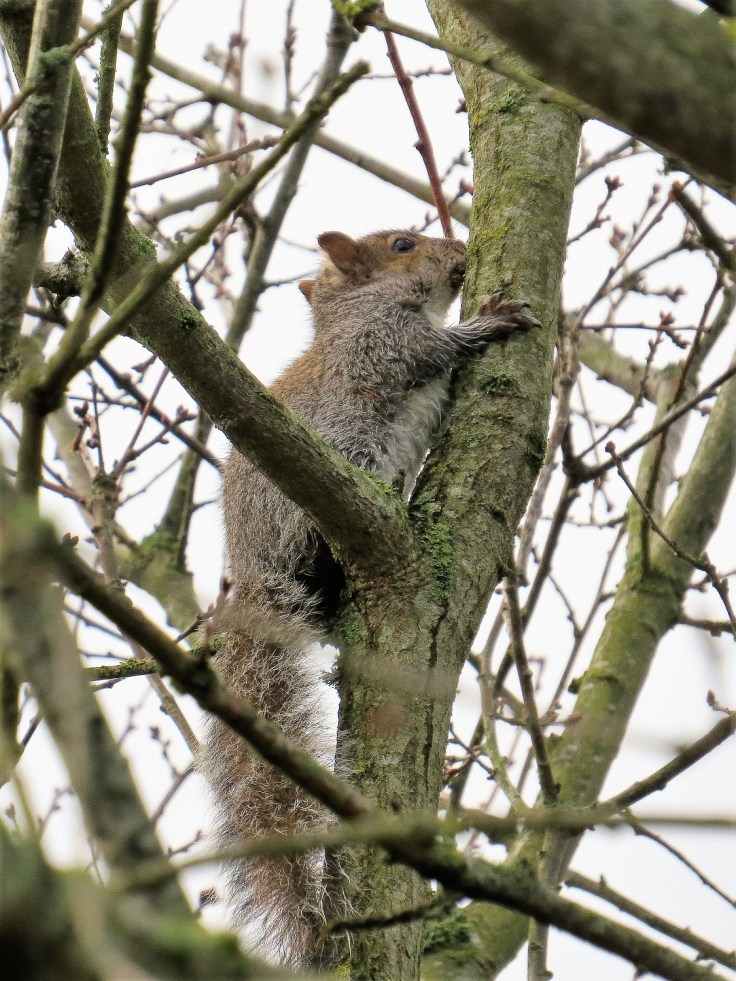
The park’s grey squirrels are invasive aliens, brought here during the 19th Century, when the possession of rare and exotic species of plants and animals was the height of fashion. Grey squirrels, native to eastern North America, were first released into the wild in Britain, at Henbury Park, in Cheshire, in 1876.
Read on: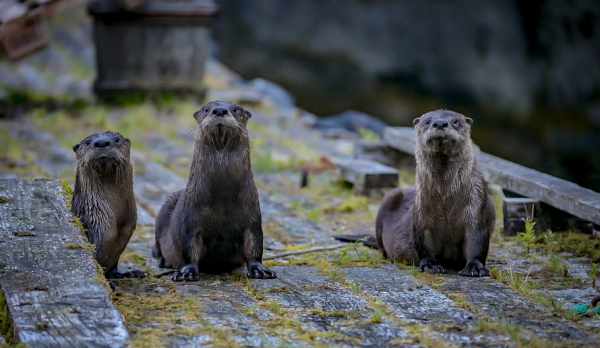
Simon Tesler of Southwick Court has written a letter of objection to planning application 20/00379/OUT.
Continue reading “Objection letter to 20/00379/OUT”
Somebody has stripped bark from the whole length of the trunk of tree number 5477. Why would anybody do that?
Continue reading “What happened here?”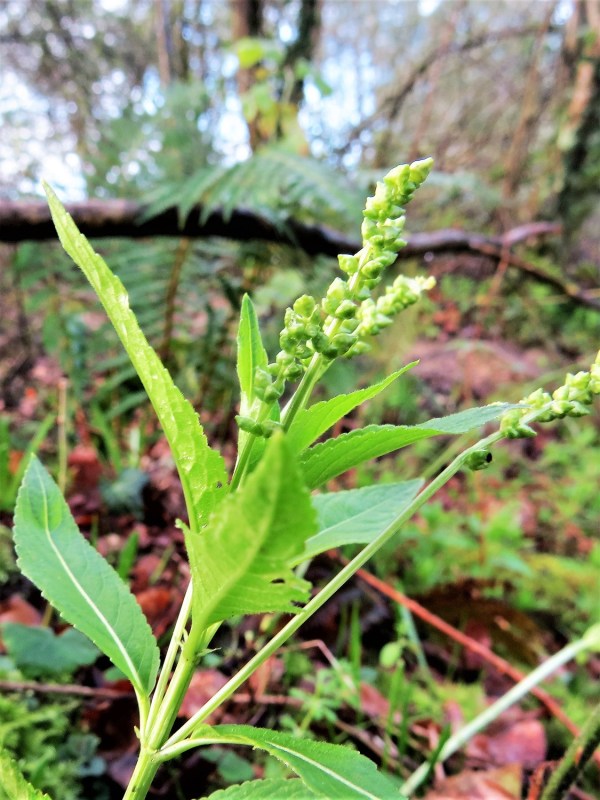
Dog’s mercury (Mercurialis perennis) is one of those mysterious, usually nameless, plants that is hardly ever noticed. It forms dense carpets on the woodland floor and beneath old hedgerows but appears to most passers-by as just background for the bluebells and primroses.
Continue reading “Dog’s mercury”PUBLIC CONSULTATION
The public consultation on planning application 20/00379/OUT has been extended until Friday March 13th.

Mail from Simon Tesler at Southwick Court:
Continue reading “Objections to application 20/00379/OUT”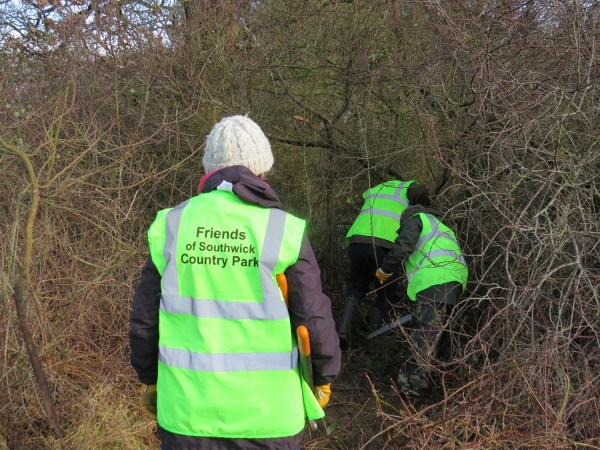
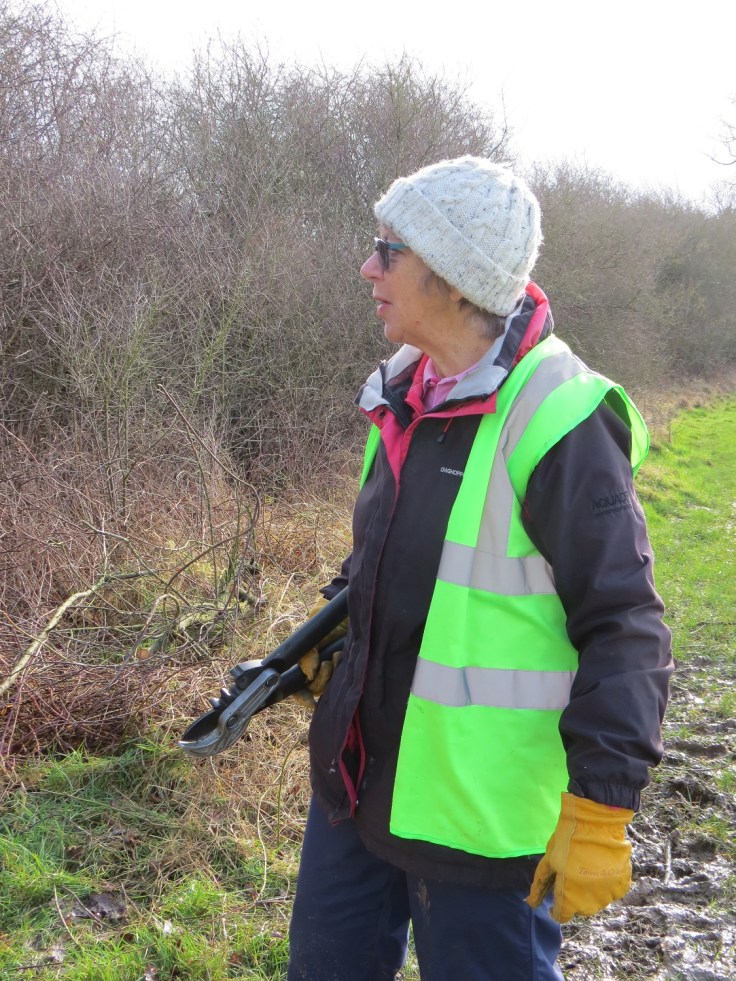
A gallery of pictures from Tuesday’s work party.





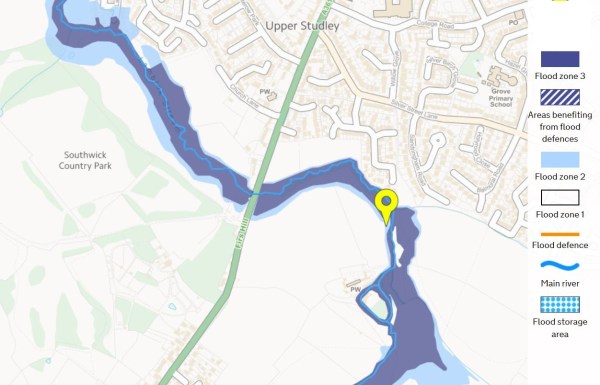
This is a screenshot taken from the Environment Agency’s Flood Map; it shows the risk of Lambrok Stream flooding. We have dropped a yellow marker at the place where the access road to the planned development of 180 houses (planning application 20/00379/OUT) is intended to cross the Lambrok.
Continue reading “Flood Map”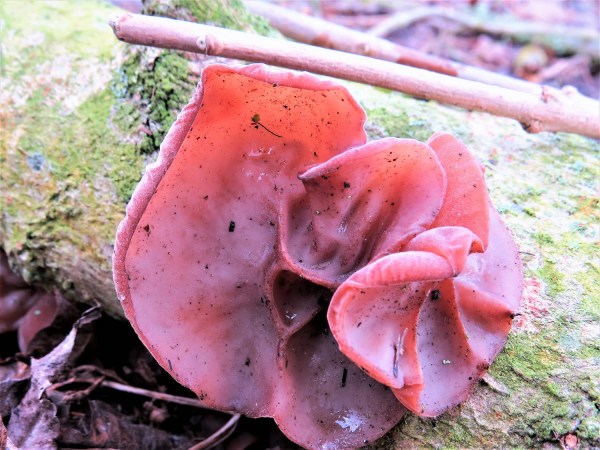
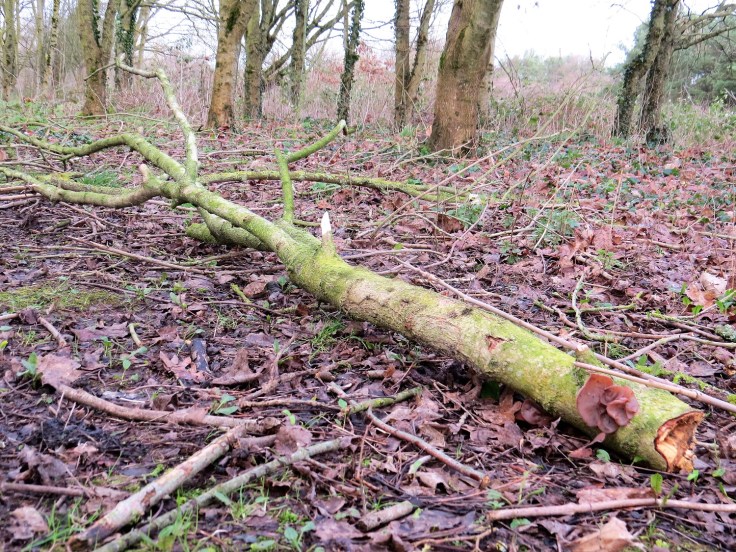
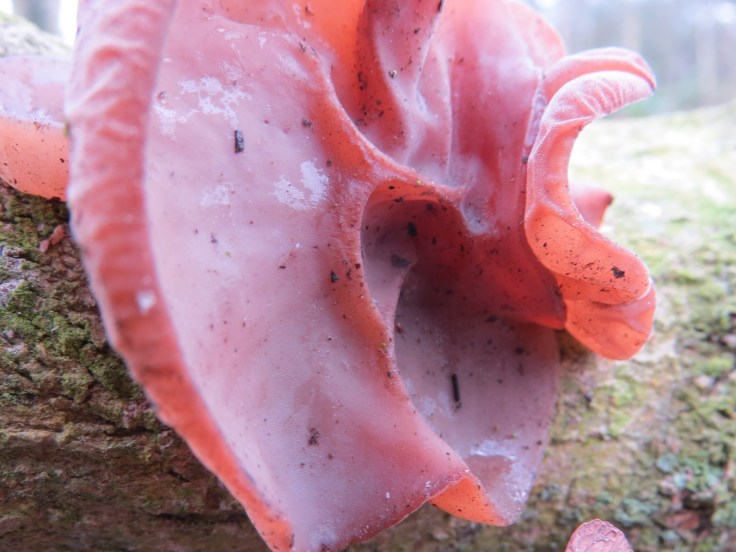
Wood ear (Auricular auricula-judae) found growing on a branch brought down in one of the copses by Storm Ciara.


LOST
A bunch of keys was lost in the park on Sunday morning. If anybody has found them, please contact us.
Thanks.
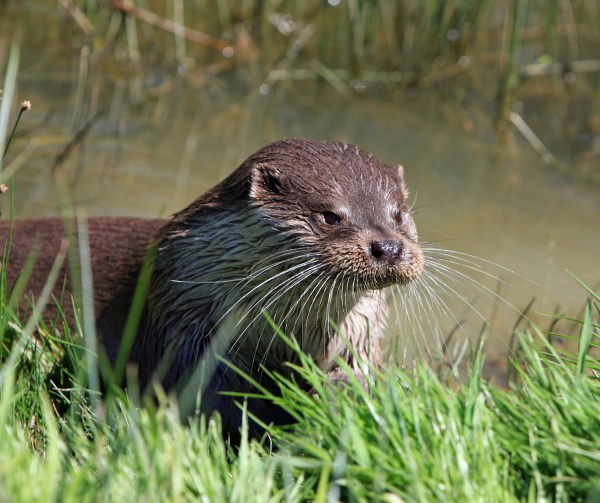
The otters that come to Southwick Court moat are probably a female and maybe her last year’s cubs; they will have come to feed, via the Lambrok, from the Biss or even from the Avon. Planning application 20/00379/OUT does not show how the Lambrok is to be bridged without interrupting the otters’ route.
Continue reading “Bridging the Lambrok”
The lesser celandines (Ficaria verna) are in flower. Celandines are the floral equivalent of the swallow, they appear around the same time and mark the coming of spring. In fact the word celandine comes from the Greek name for swallow: chelidon. One of its local names is spring messenger; others are brighteye, butter and cheese, frog’s foot, golden guineas and, less romantically, pilewort because it was once used to treat haemorrhoids.
Continue reading “Lesser Celandine”
The public consultation on planning application 20/00379/OUT has been extended.
Continue reading “20/00379/OUT public consultation extended”
While reviewing our species lists, we found that eleven species of our Lepidoptera are UK Biodiversity Action Plan Priority Species!
Continue reading “UK BAP Priority Species”
While rummaging through our species lists looking for ammunition to throw in the direction of Planning Application 20/00379/OUT, we found a 2018 record of a small heath (Coenonympha pamphilus) hidden in the Lepidoptera section. The small heath is the park’s third UK BAP Priority Species of butterfly.
Continue reading “Small heath”
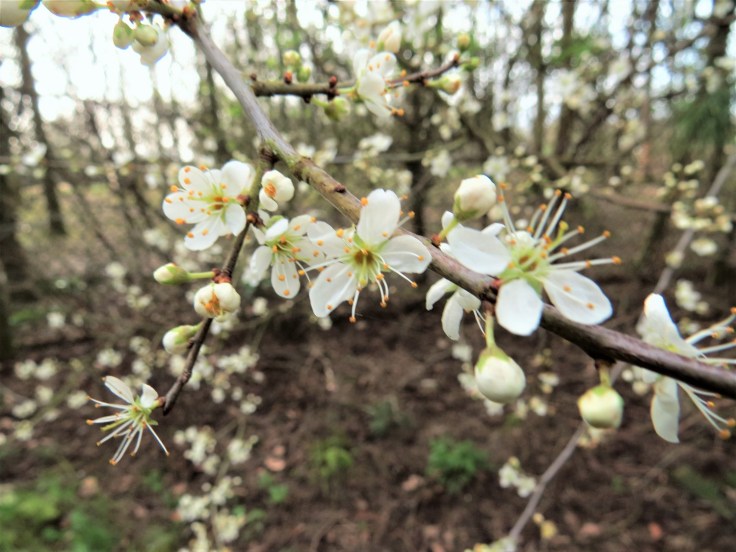
Despite being battered by the weekend’s storm, the blackthorn is just beginning to flower; you’ll find it at the top of the hill as you leave Simpson’s Field.


The Ecological Survey and Report that was submitted with Planning Application 20/00379/OUT says this:
Continue reading “More about 20/00379/OUT”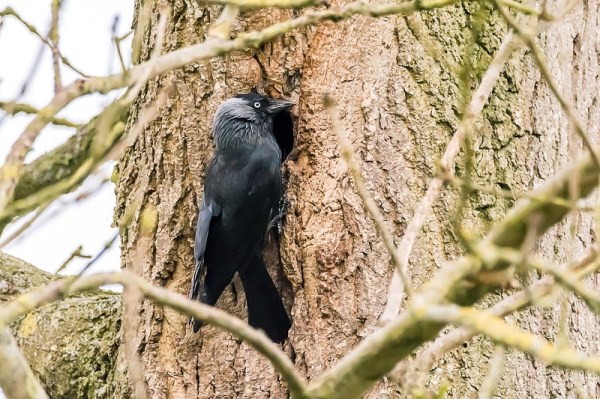
Of the five species of Britain’s black corvids, four have been seen in Southwick Country Park park: crow, rook, jackdaw and raven.
Continue reading “How to tell corvids apart”
Most of the Friends of Southwick Country Park are retirees, all of us inclined to begin sentences with: When I was a child….
Continue reading “Splatometer”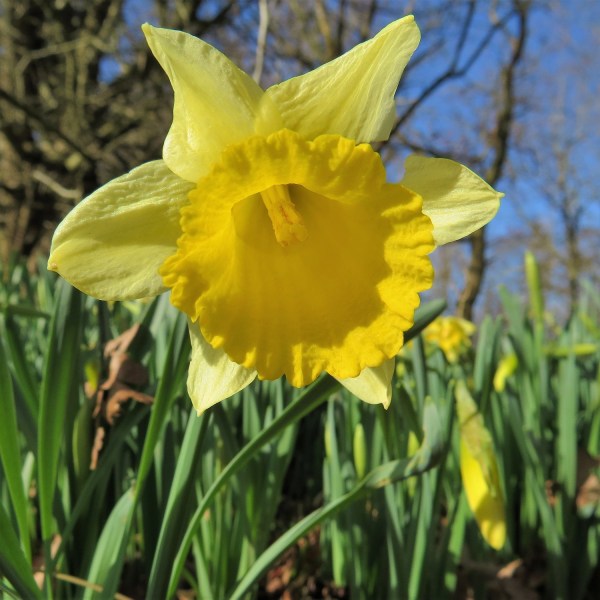
These are not the daffodils we planted in the autumn of 2017; these are a rapidly spreading clump at the bottom of Kestrel Field on the edge of the copse.
Continue reading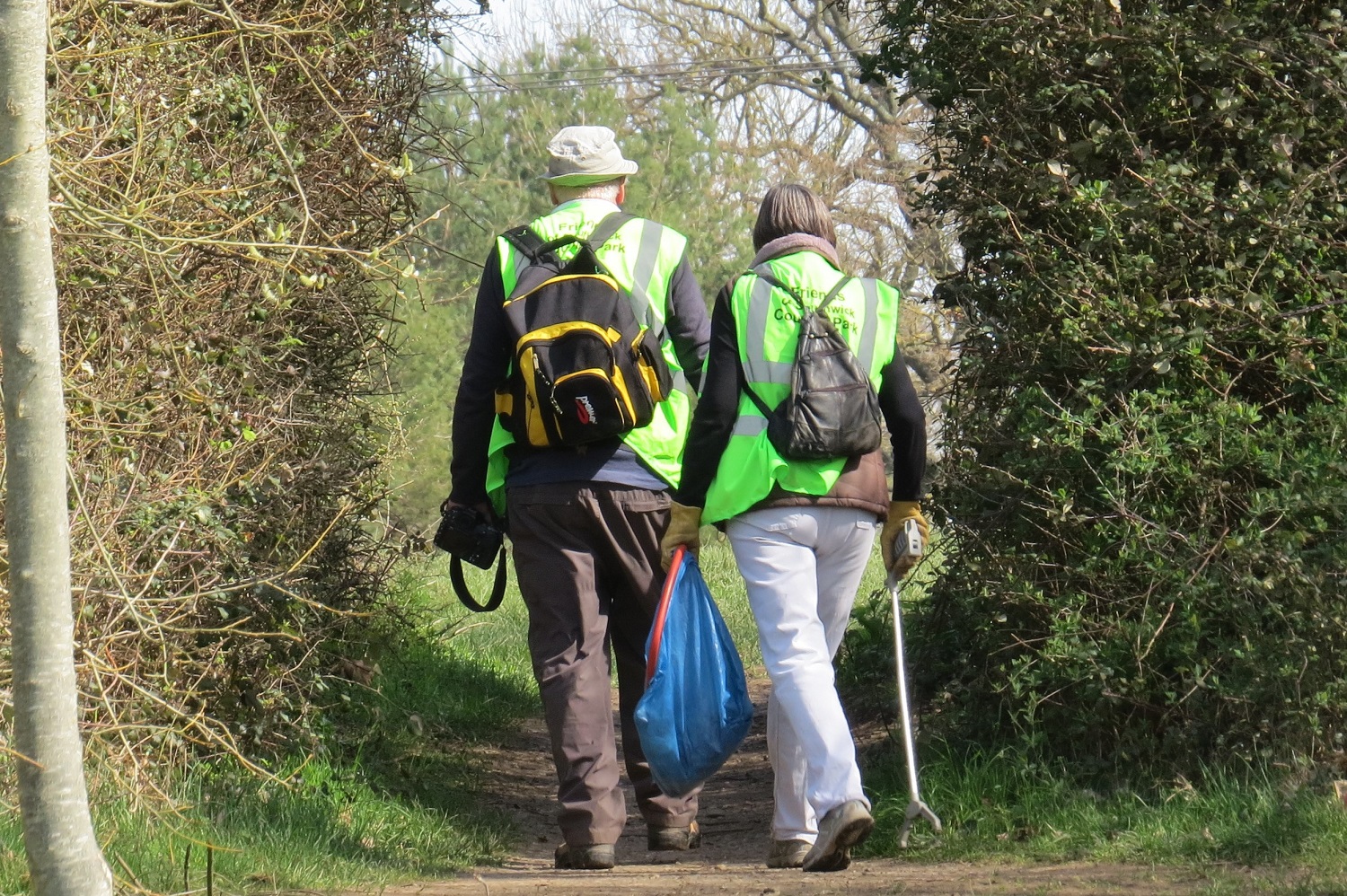


 Southwick Country Park Nature Reserve