Just two new species of birds were seen in the park this year:
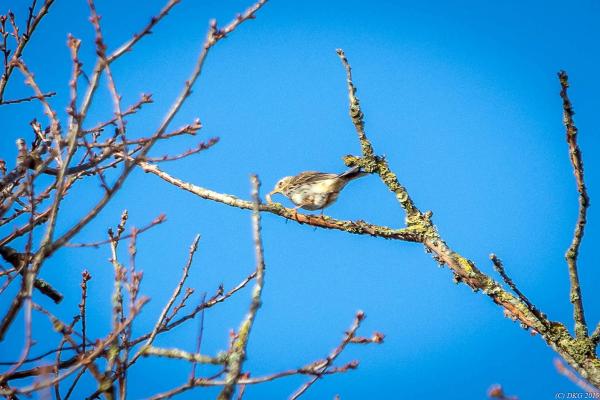
Meadow Pipit (Anthus pratensis) seen by Dave Galliers on 03/05/19
and Coot (Fulica atra) seen by Ian Bushell on 31/3/19
Header picture: meadow pipit, taken in the park by DKG
Just two new species of birds were seen in the park this year:
Meadow Pipit (Anthus pratensis) seen by Dave Galliers on 03/05/19

and Coot (Fulica atra) seen by Ian Bushell on 31/3/19

Header picture: meadow pipit, taken in the park by DKG
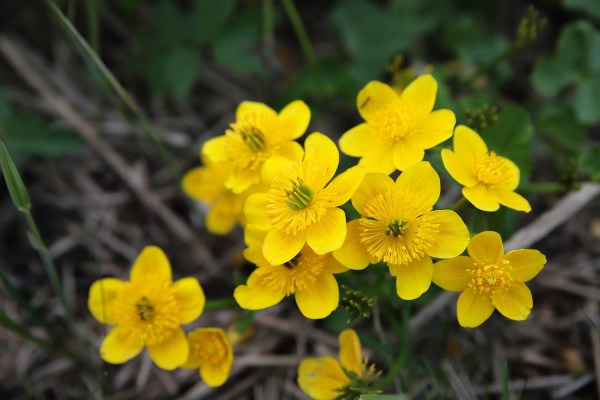
We only added four new flowering plants to our species lists in 2019. . .
Continue reading
We are going to use the last few days of 2019 to review the year’s new entrants to our species lists.
Continue reading “2019 review – part 1”
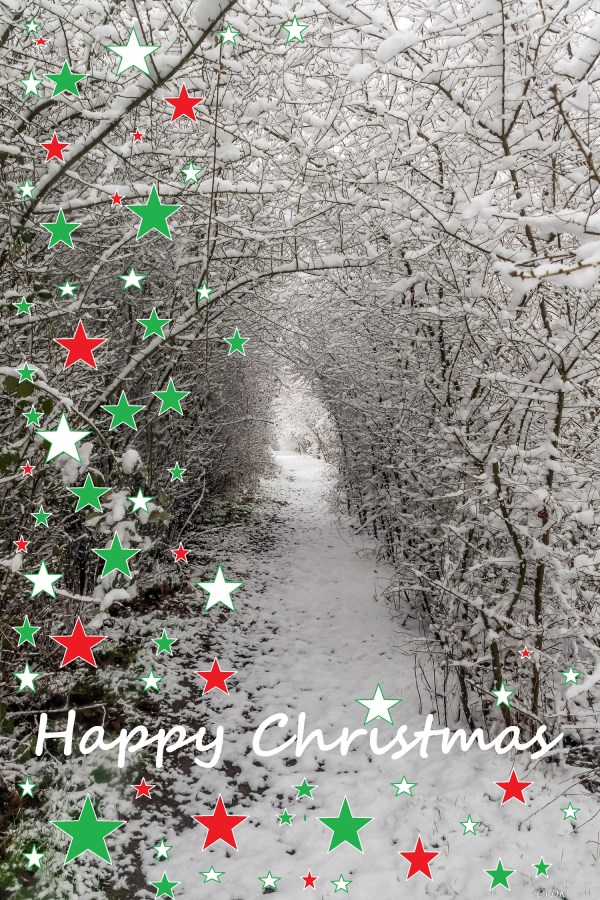
. . . to all our followers and to all the people who visit our park; thank you for your care and support.
We will be taking a couple of days off now but will be back and posting on the 27th.
FoSCP
The picture is by DKG.

“It is that range of biodiversity that we must care for – the whole thing – rather than just one or two stars.” David Attenborough
Our park doesn’t have snow leopards or white rhinos. Our rarities are small and fragile: water voles, pondweeds, dragonflies zipping past so suddenly they make you jump, a visiting marsh tit, a linnet singing in the trees, little bottom-feeding fish. Then there are the hundreds of flowering plants, thousands of invertebrates and probably tens of thousands of species of fungi hidden away where we can’t see them.
Continue reading “The whole thing”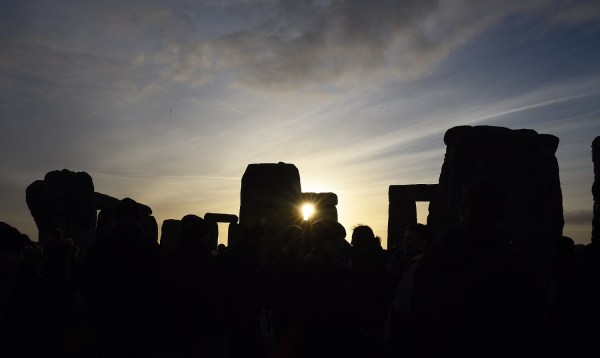

Come for a wade around the park with Clive Knight.
Follow the link for the pictures that Clive has sent us today.
Fieldfare (Turdus pilarus) and redwing (Turdus musicus), migratory thrushes from mainland Europe, are common winter visitors to the park. They are easily confused; here is a video to help you distinguish the two species.
Header picture: Fieldfare (Turdus pilaris) by Teresa Reynolds (CC BY-SA 3.0)

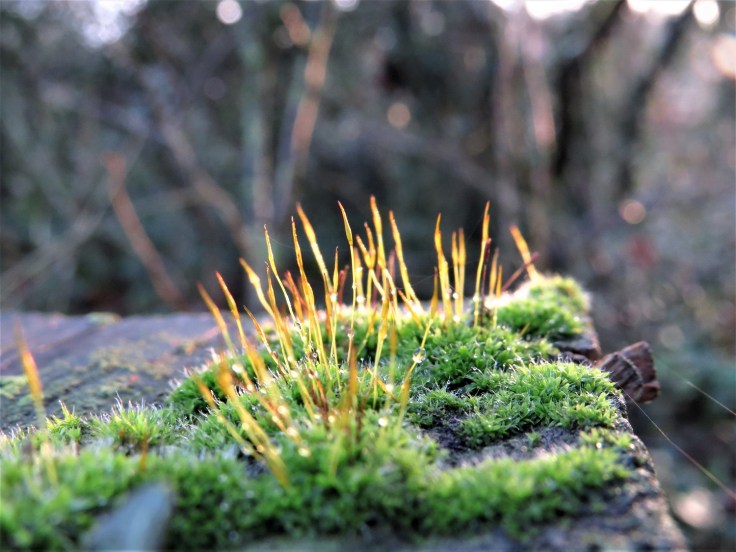
Here is a little cushion moss growing on the fence at the entrance to the park. Can anybody help us identify it please?


Keep an eye out for the kingfisher that Jay Pickard saw and photographed two weeks ago.
Continue reading “Winter fishing”







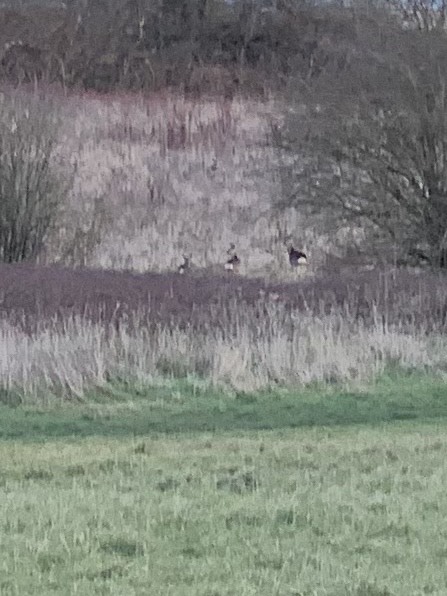
Roe deer photographed by Simon Handley on Saturday, in the field between Church Lane and Lambrok Stream. This is the site (H2.4) which developers, who are are proposing to build 65 houses there, have called: “. . .fields which were considered of low ecological value.”
The planning application reference number is 18/10035/OUT if you want to take a look at the details.
Follow this link for a Post about Planning Application 18/10035/OUT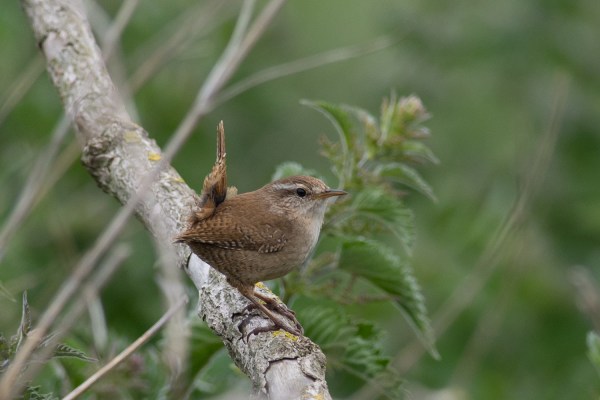
Jenny Wren, the Eurasian wren, Troglodytes troglodytes.
Continue reading “Jenny Wren”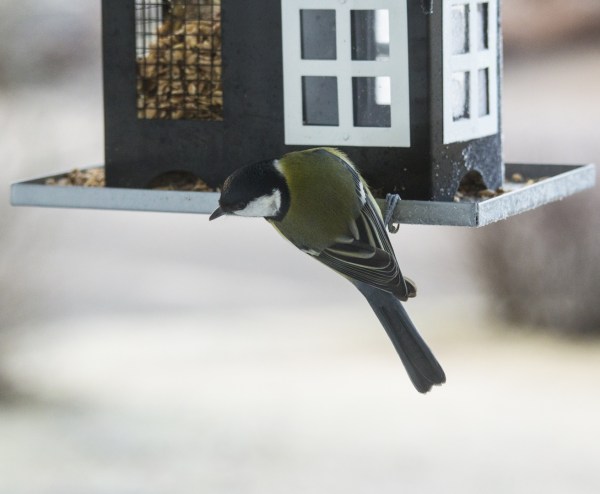
Treat your garden birds with a Christmas bird table. Here are some suggestions:
Continue reading “Christmas bird table”
. . . trametes hirsuta growing on dead oak in the wood between Kestrel Field and Lambrok Meadow.
Continue reading
On a brisk Wednesday morning, FoSCP hacked its way through the woods in Kestrel Field, cleared the path between the trees and then settled down to mince pies and brandy butter. Yummy!



Read on for pictures of a tiny candlesnuff fungus, Xylaria hypoxylon, growing in the rotting wood and moss of the old willow tree (number 5477 ) by the footpath alongside the Lambrok Tributary.
Continue reading “Candlesnuff fungus”
Christmas crackers spill plastic trinkets onto your Christmas table every year. Nobody keeps them; who even remembers what fell out of their Christmas cracker last year?
It all ends up in landfill with the paper hats. The hats will biodegrade in a matter of weeks but nobody knows how long the cheap petrochemical-derived plastic dinosaurs and whistles will remain in the ground. The best estimates of the time it will take such plastics to biodegrade are anywhere between 5,000 years and never.
Here is Friends of the Earth’s thought provoking video about Christmas crackers.

It’s nearly Christmas and we have scoured the internet for last minute doggy ideas . . .
. . . and here are some of the best.
What would Christmas be without mistletoe? There is only one species of mistletoe native to Britain, Viscum album, but there is none growing in the park. We would love to see it established here but we are not sure how we would go about it.
Continue reading “Mistletoe”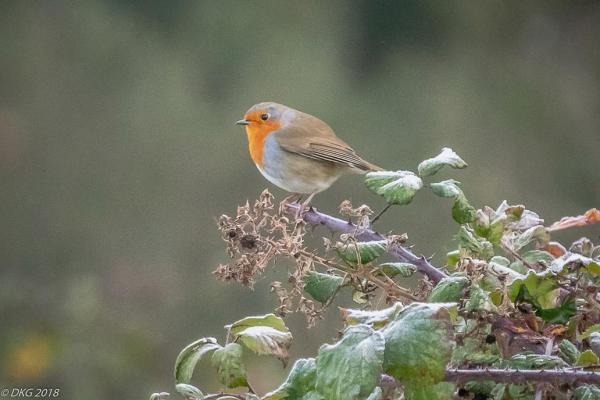
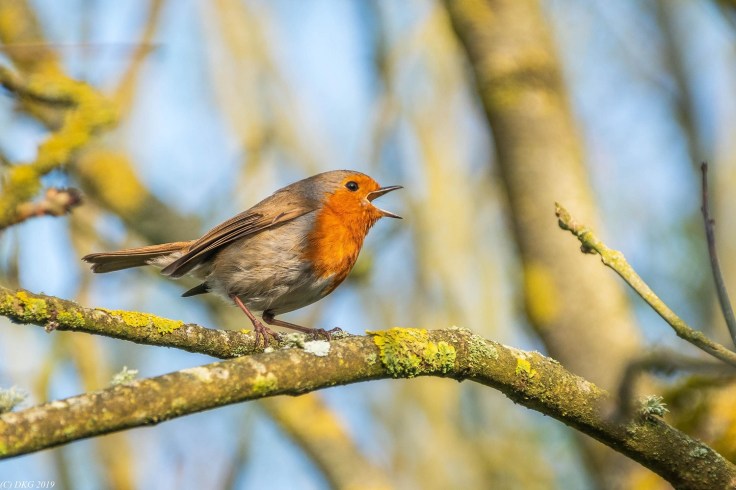
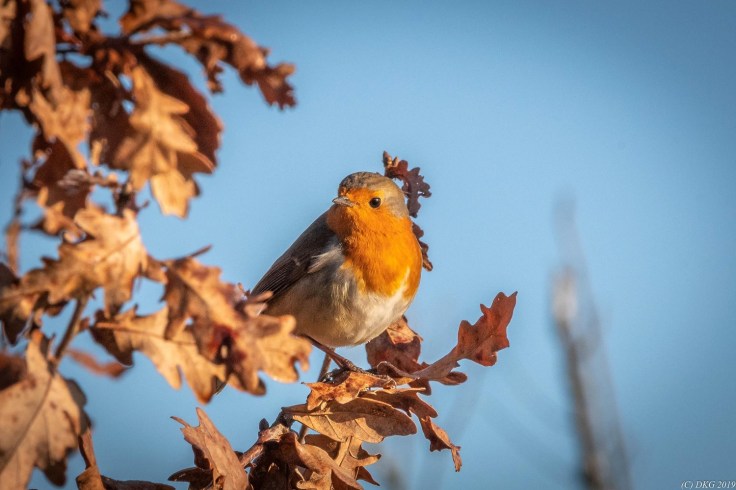
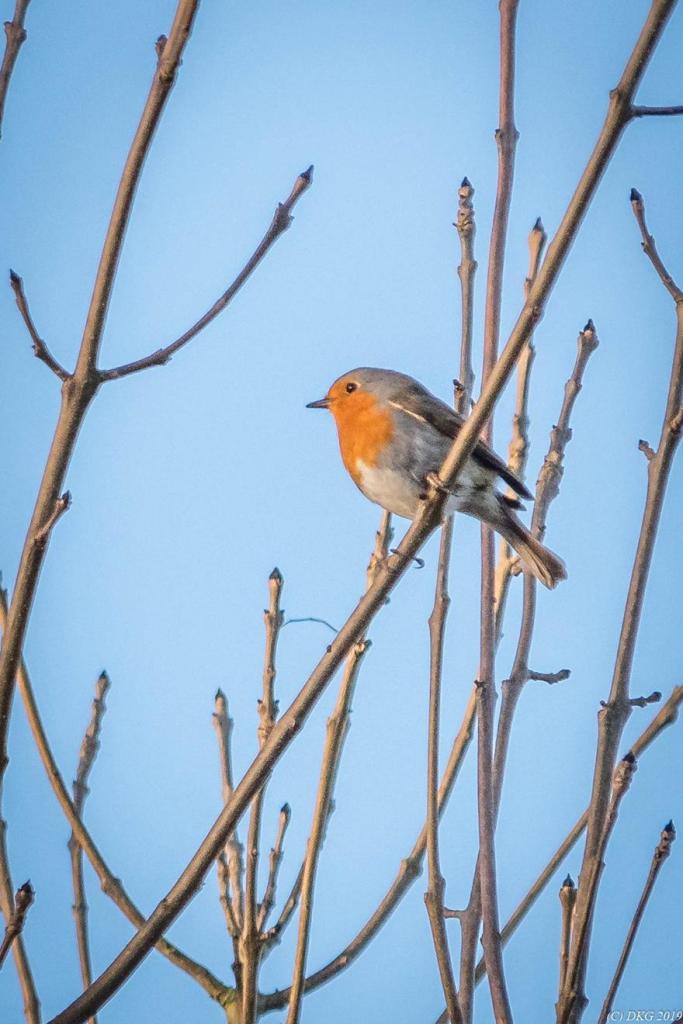
. . .photographed in the park by DKG

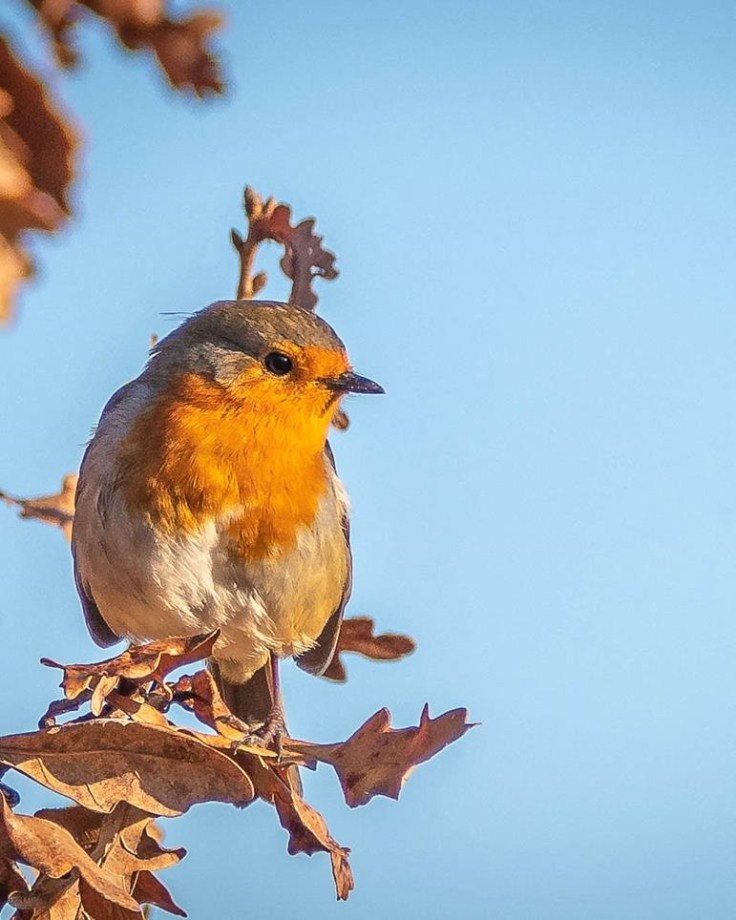




A message and a picture from Jay Pickard:
Spotted a Kingfisher this morning over the pond and stream. Great to see!

Thanks Jay, we love to get pictures from park users.

Over the years the Friends of Southwick Country Park have planted many holly whips in the hedges around the park’s fields.
Continue reading “Holly”
A lot of people are buying artificial Christmas trees in the belief that it benefits the environment, but environmentalists and energy analysts would beg to disagree. We need only look at a single element of the hundreds of thousands of artificial trees that will be put up and decorated this Christmas: they are all made of plastic.
Continue reading “Real or fake?”



 Southwick Country Park Nature Reserve