Picture by Manuel Ruedi CC-BY-SA-3.0
A very rare bat, Myotis alcathoe, has been discovered in the caves near Bradford on Avon where many species of bat swarm during the breeding season in early autumn.
Continue reading “Alcathoe bat”
Picture by Manuel Ruedi CC-BY-SA-3.0
A very rare bat, Myotis alcathoe, has been discovered in the caves near Bradford on Avon where many species of bat swarm during the breeding season in early autumn.
Continue reading “Alcathoe bat”By Sarah Marsh


Damming the Digger’s Ditch
We approached Wiltshire Wildlife for an expert opinion on the ditch that is draining our boggy patch in Lambrok Meadow. Their Water Team has concluded: we think the most likely cause is that it is part of an historic drainage channel that has just opened up naturally.
Continue reading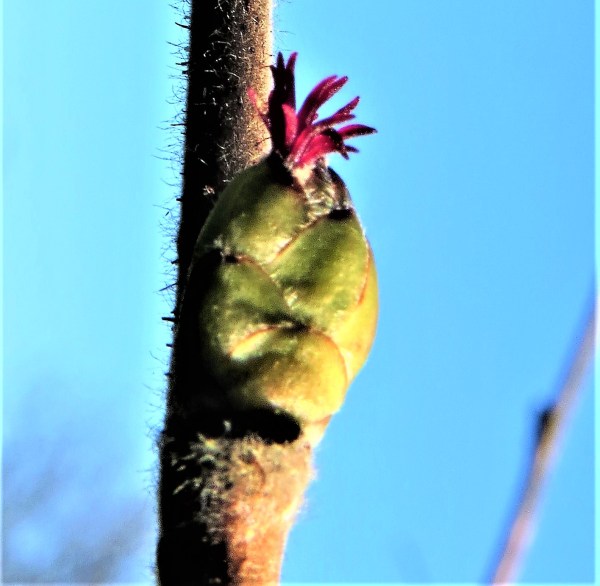
Hazel has both male and female flowers. The familiar yellow catkins are made up of about 250 male flowers. They produce the pollen; if you tap a ripe hazel catkin it will release a cloud of pollen. The female flower is a minutely small red tassel, somewhere on the same twig as the catkins.
Continue reading “Hazel’s female flowers”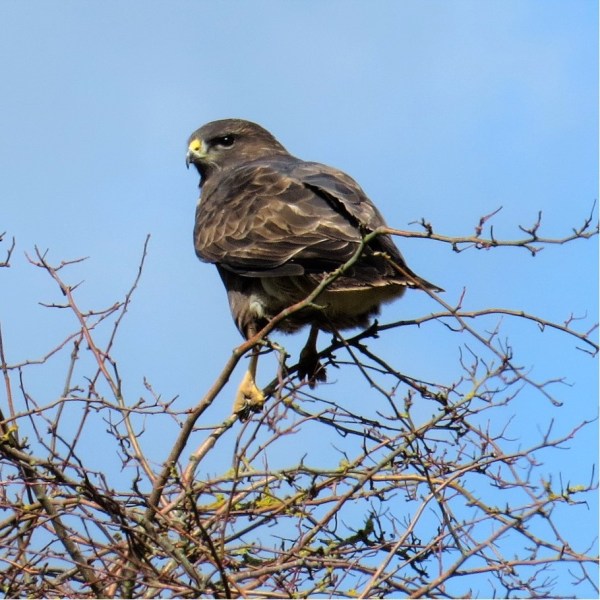
This is a young buzzard, photographed in the hawthorn trees beside Lambrok Stream. For a couple of weeks he has been hunting in the field on the Church Lane side of the stream, where there are field vole colonies. He roosts in the same oak the barn owls visited last spring.
It would be wonderful if he found a mate and nested in or around the park this year; fingers crossed.
Header photograph by Suzanne Humphries
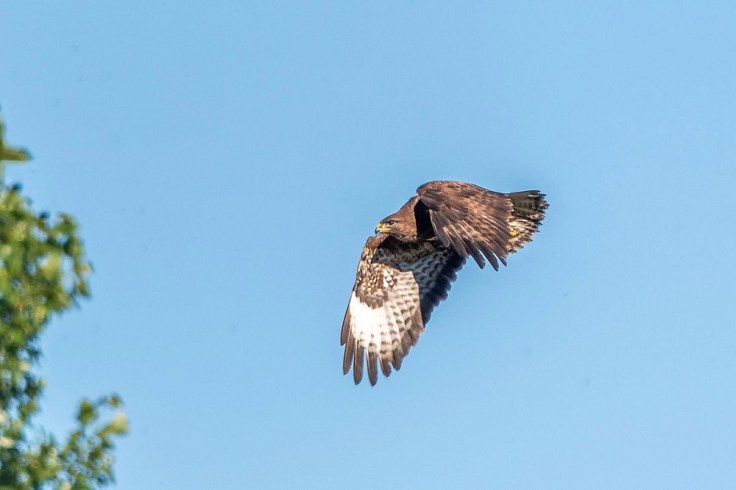
More about buzzards:
Buzzard
There has been a suggestion that the Phantom Ditch Digger of Lambrok Meadow is, in fact, a colony of water voles. There are water vole holes in the Lambrok’s banks opposite the place where the Digger’s drain empties into the stream and there are small grazed areas in the boggy patch, just like the grazed areas a grazing water vole might leave. We are taking expert advice; watch this space.
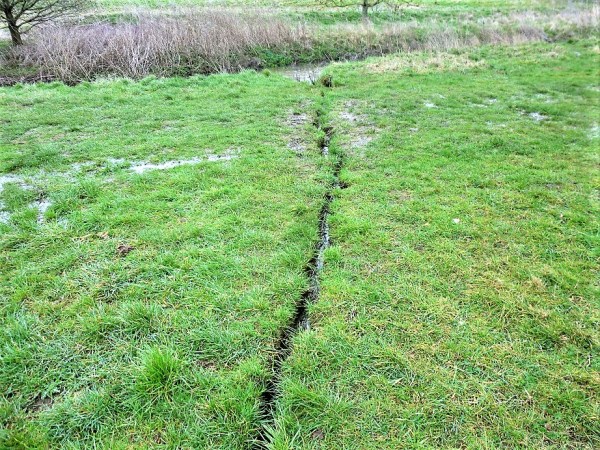
Somebody is STILL trying to drain our boggy patch in Lambrok Meadow. If you know who the Phantom Ditch Digger is, or if you see them in action, PLEASE will you ask them to stop or at least ask them to explain to us why they are doing it; our contact details are here.
Continue reading “Phantom Ditch Digger update”
Nesting time for our squirrels
Grey squirrels are building nests at this time of year. A squirrel’s nest is an untidy ball of sticks that looks so haphazard that you might wonder if it arrived there by accident: snapped twigs and dead leaves blown by the winter’s storm winds. It’s called a drey.
Continue reading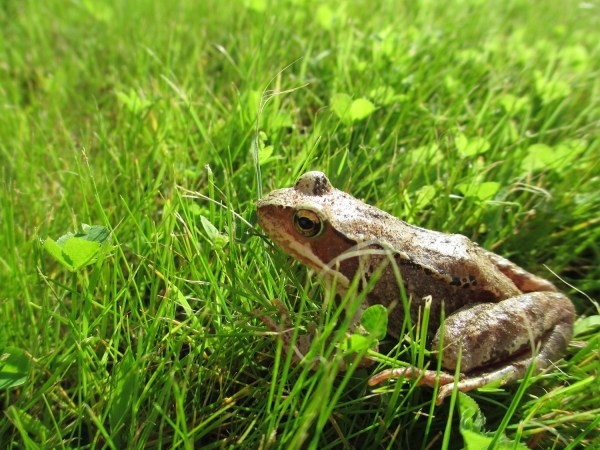
Over the past several years, FoSCP has been monitoring the development of the boggy patch right in the middle of Lambrok Meadow, south east of the goat willow.
Last year, there were caddis fly larvae there, which we think had time to develop into adults before the the puddles dried out. There has been frogspawn and even tadpoles there for the last two years. The flora is developing too, with sedges, rushes and cuckoo flowers.
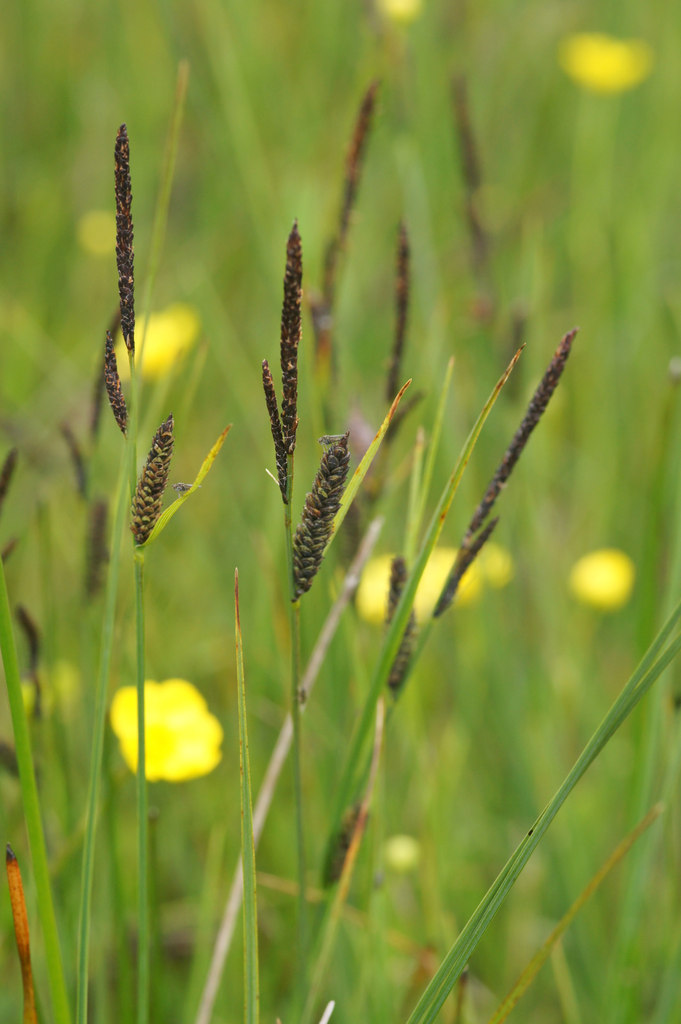

Pictures from Creative Commons
Somebody has been trying to drain our boggy patch!
read on for the details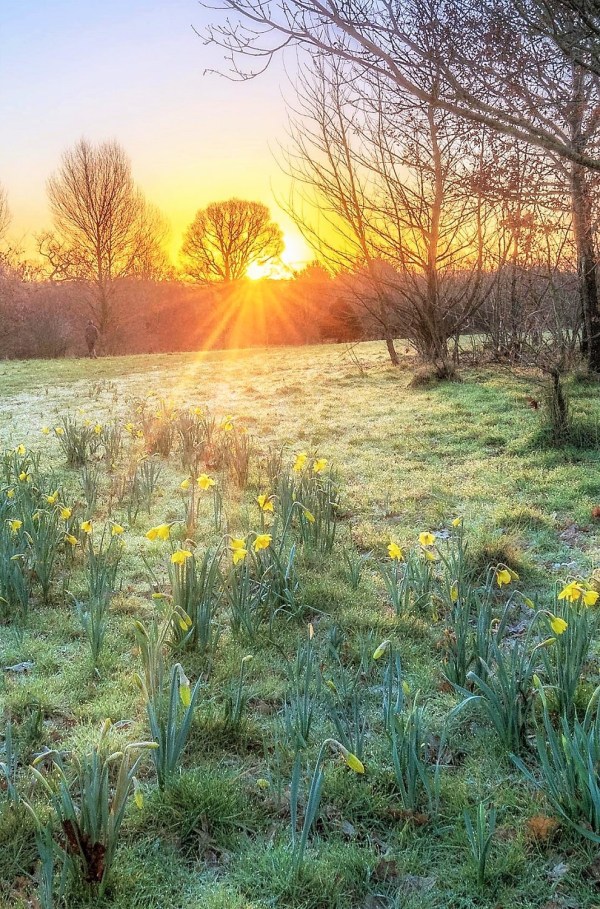
Daffs at Dawn by DKG
by DKG
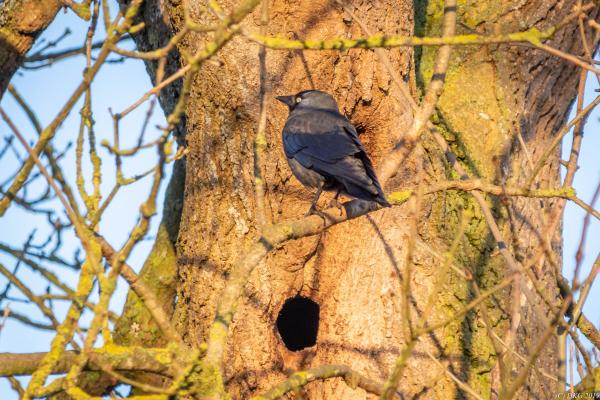
A few bird photos taken early yesterday morning, some proving uncooperative (yet again). Our resident Jackdaws near the picnic area are nest building in their usual hole, in fact this pair remain here or close by throughout the year.
Continue reading “Bird watching”
The WHSAP public hearings will begin on April 2nd. FoSCP have submitted additional written representation and have asked permission to speak at the hearing to be held on the morning of April 4th, when the biodiversity at sites at H2.4, H2.5 and H2.6 will be discussed.
Here is our second submission to the WHSAP Examination.
Our first submission can be found on the main menu under the heading WHSAP. All our posts about Wiltshire’s Housing Site Allocation Plan are tagged WHSAP and our posts about the planning application at Church Lane are tagged Church Lane.

Celandine shine
Have you ever tried to photograph lesser celandine or buttercup flowers on a sunny day? The petals are so shiny, like little cups of mirrors, that the reflected sunlight flares and obscures the details of the flower; if you are trying to photograph a celandine in close up, you have to do it in the shade.
Continue reading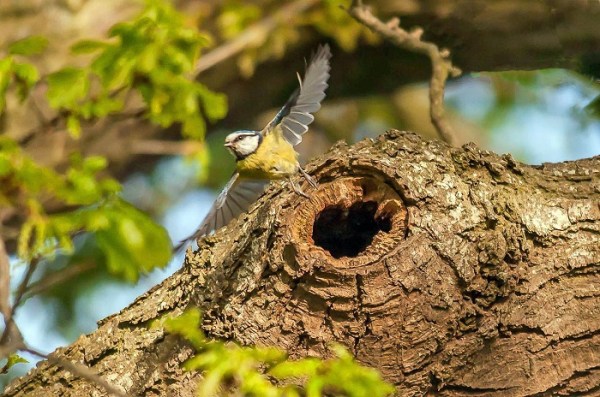
The bluetit (Parus caeruleus) has been classified as sexually monochromatic, which means that male and female are the same colour. This classification is based, though, on human colour perception, not on bluetit colour perception.
Continue reading “Bluetit factoid 2”From Jeremy Riggs.
Sunlight through the trees
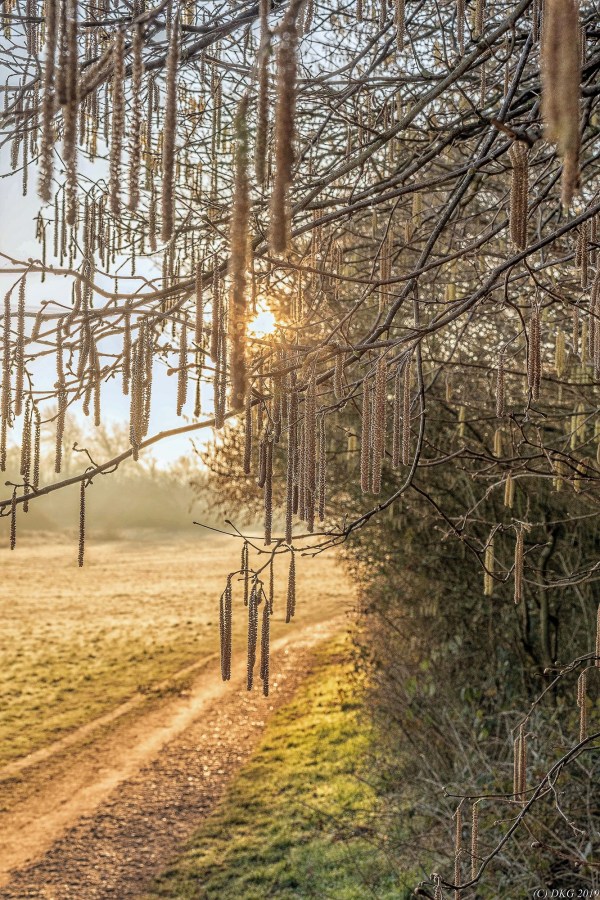
The Winter Flu caught DKG this year and put him out of commission for a while; we missed him and the website missed his pictures. He’s back with a gallery of pictures all about his obsessions with the rising sun and trees. There is a squirrel keeping a eye on him, though.
Click to go to the gallery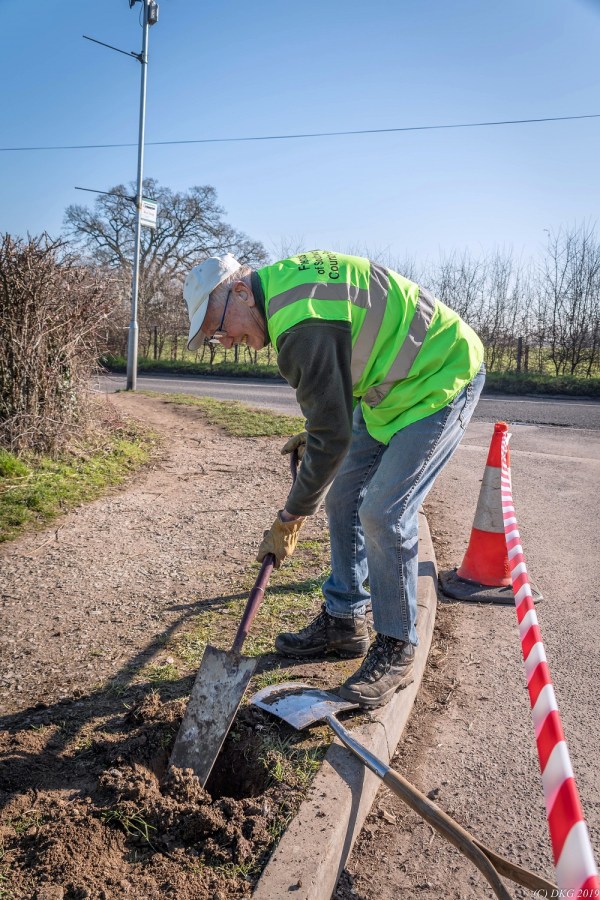
By DKG
A lovely sunny morning greeted the FoSCP and Richard from the countryside team for our Tuesday’s tasks. A warm welcome was also extended to Jamie, a new volunteer, who will be joining us on future Tuesdays. Welcome aboard Jamie, hoping you enjoy your days with us.
Continue reading “Work Party Report”
SAVING BUMBLE BEES
The warm weather has brought some queen bumblebees out from hibernation before there are enough nectar producing flowers to keep them going. If you find a bumblebee on the ground, too cold and weak to fly, you can help.
Click here to find out how to help
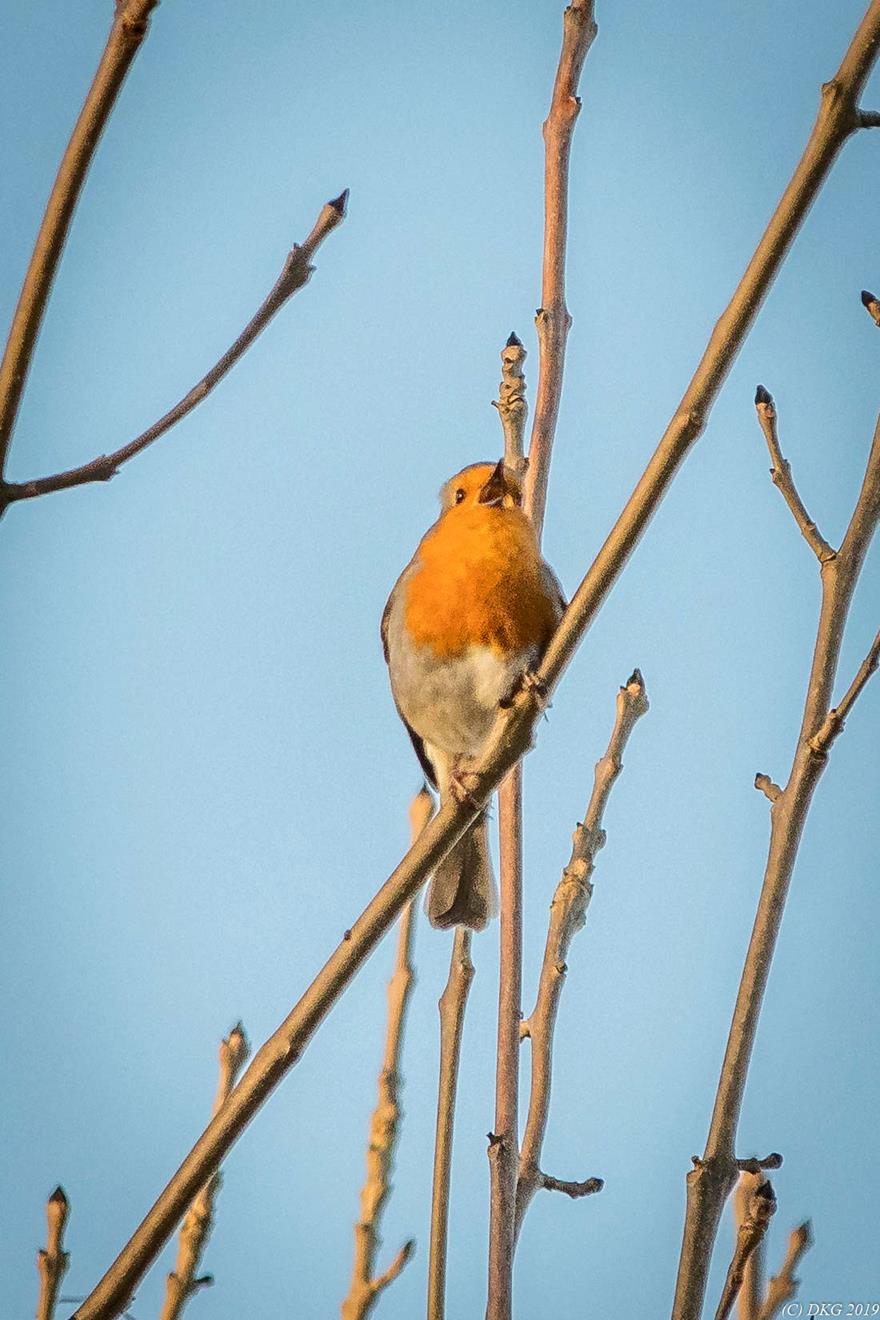
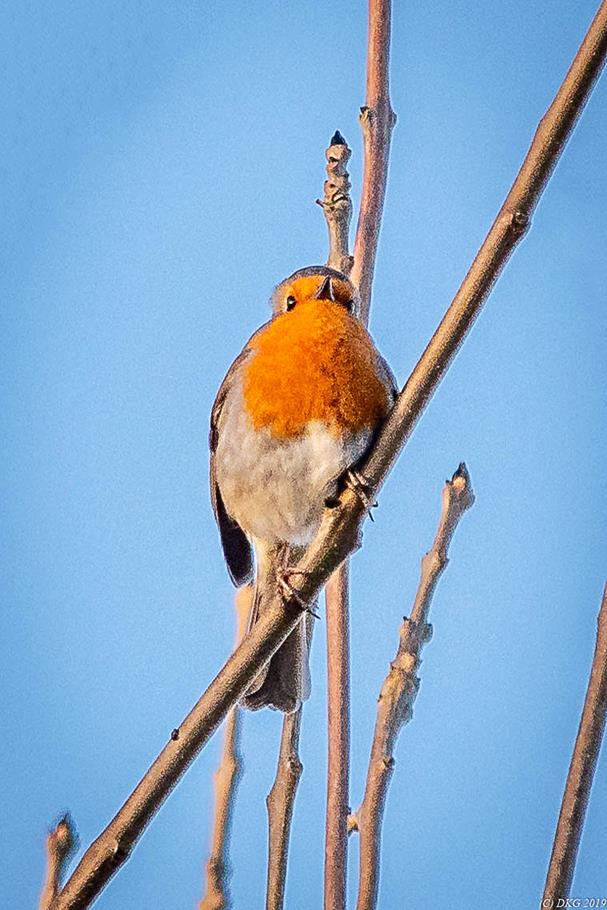
Photographs by DKG
There seem to be lots of robins in the park this year. In fact, there are lots of robins everywhere in Trowbridge. We know that their population in Britain has grown almost 50% since the 1970s but population growth is measured in means and averages, not in sudden seasonal spikes. There could be several reasons for this spike, not all of them necessarily good news for the park.
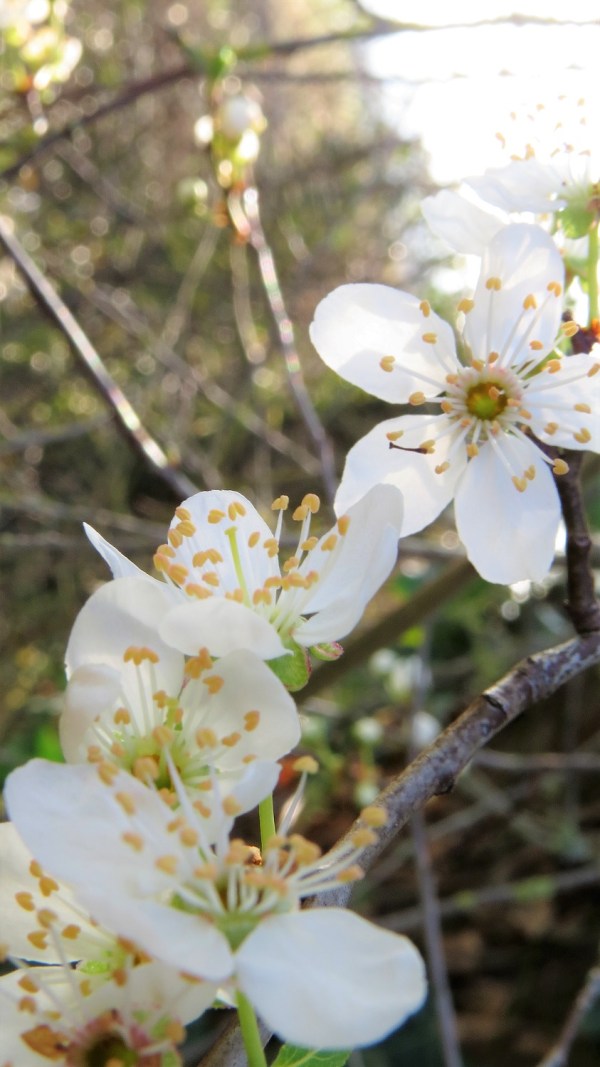
Spring is on the way


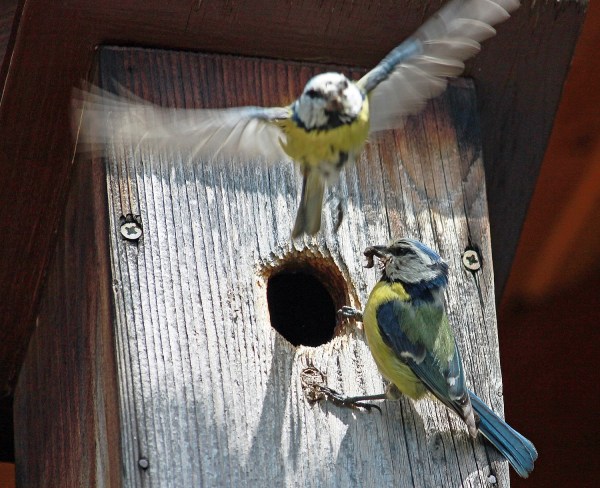
By Barbara Johnson
We have two nest-boxes, one either side of our garden. One with a smaller hole, just for blue tits, the other with a larger hole to accommodate great tits, sparrows etc.
Read on for the rest of Barbara’s story
The draft Trowbridge Bat Mitigation Strategy was published yesterday, February 21st. It contains information and proposals that will certainly be significant to both the WHSAP Examination and to RPS’s application to develop the Church Lane site.
Click here for the details


Please clean up after your dog
Lambrok Meadow is full of dog waste; people seem to drive to the bottom of the car park, let their dogs straight out into the field and then just walk away while the dog defecates in the grass. It is impossible to walk in the field without walking in dog poop.
Southwick Country Park is a public space, a resource for our families and for local schools. It comes under the same rules as the Town Park and should be open and accessible for everybody to enjoy – but we have had complaints from people because they get dog poop on their clothes and shoes.
Nobody wants to limit anybody’s access to the park but the selfishness of some dog walkers is doing just that; there are families who no longer bring their children here because of the dog poop.
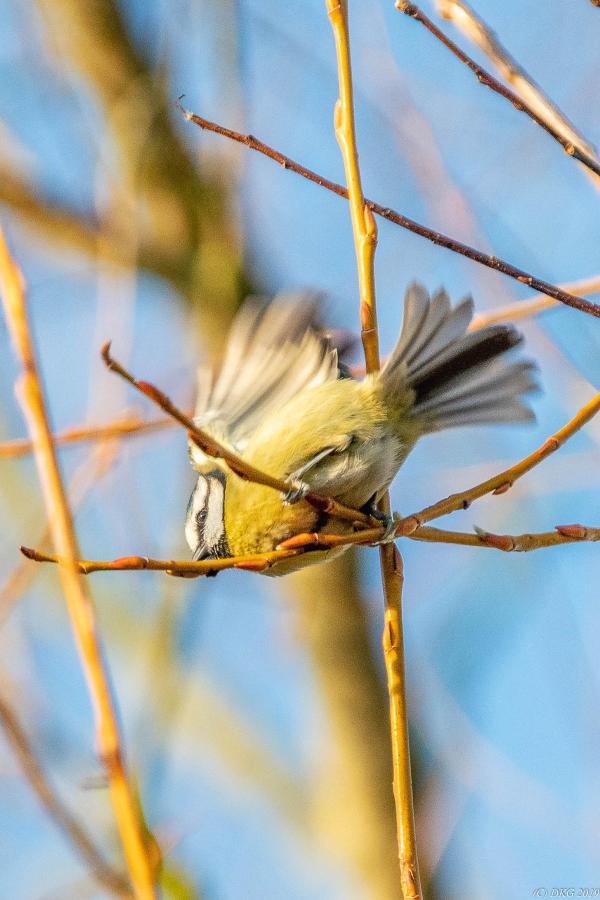
During the winter, in natural woodlands, blue tits spend most of their time in oaks, searching for insect food in the trees’ rich ecosystems. At this time of year they turn their attention to the midges, mites and wasps that come to lay eggs in the new leaf buds.
Read more



 Southwick Country Park Nature Reserve