This ivy bee (Colletes hederaea) was photographed in the park in November but has just now been positively identified by an entomologist; not only a new name for our species lists but a relative newcomer to the UK.
Continue reading “Ivy bee”Ivy bee

This ivy bee (Colletes hederaea) was photographed in the park in November but has just now been positively identified by an entomologist; not only a new name for our species lists but a relative newcomer to the UK.
Continue reading “Ivy bee”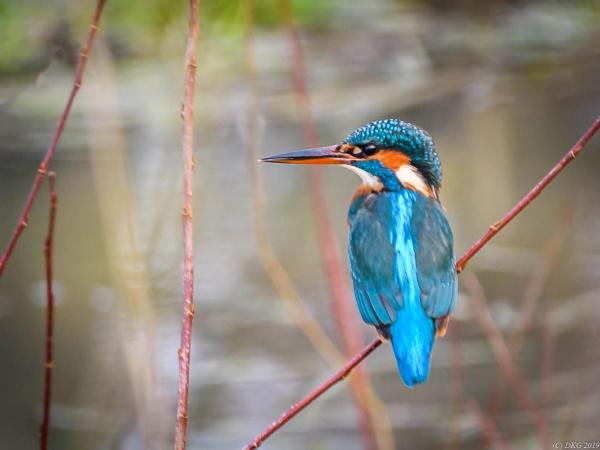
An excited email from DKG this morning:
” A few photos of our Kingfisher at last. After 5 years of trying to capture photos of the park’s resident kingfisher, yesterday (Sunday 20th) finally produced the photos I had been after. But these came about as usual with no intention of looking for it and if not for Ian, I would have even missed these shots.”


These are densely packed crustose lichens, on the bark of a young birch tree in Sheepfield Copse. Groups of lichen species are often consistently associated together, forming recognisable communities. It is probable this is a community, containing several species of Arthonia, that grows on smooth barked trees.
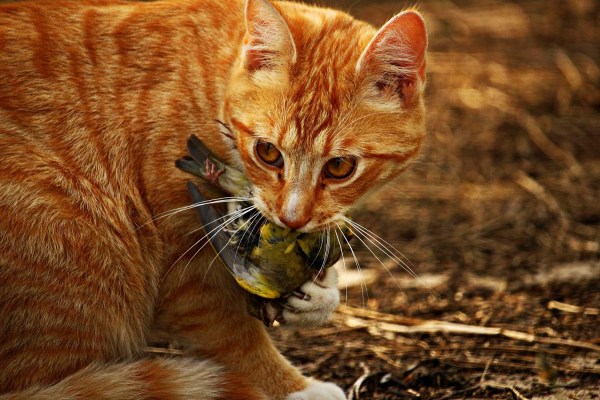
We, the Friends of Southwick Country Park, love animals. But we love animals in the right places and sadly, cats are not good for the Country Park. The picture shows a cat with a bird in its mouth but the range of creatures it can kill is wide. Cats can be really good predators. There is one report of a cat owner counting 10 prey brought home in one night.
Continue reading “Cats and Country Park don’t mix”
Three cheers for Pat, FoSCP’s litter-picking gold medallist, now 89 years old, pictured here with her dog Zack. At least once a week, Pat quarters the park with a litter picker and a bin bag; you have probably seen her.
Continue reading “Queen of the litter pickers”
Here is the second in our occasional series attempting to de-mystify the jargon surrounding conservation.
Continue reading “Habitat loss”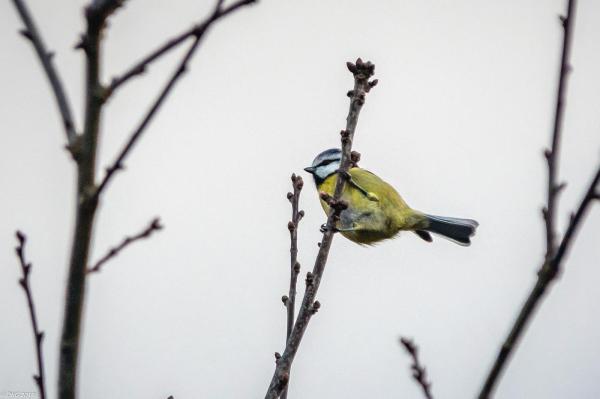
Bluetit factoid
Most birds can’t create pigments, other than melanin, on their own. This bluetit, high in the park’s canopy, can’t produce the pigment, carotene, that makes his tummy yellow; it comes from pigments in the green caterpillars he eats. The more caterpillars he eats and the brighter his tummy, the more likely he is to attract a mate.


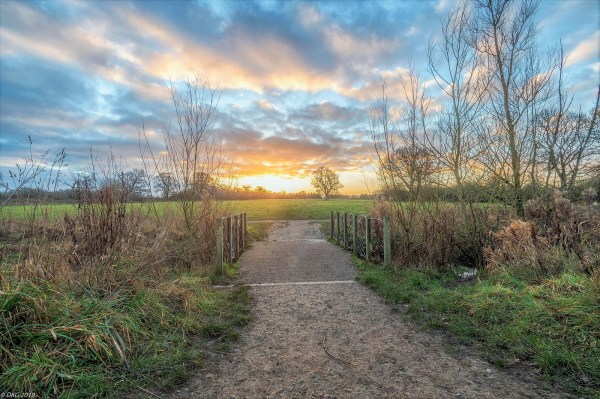
Header picture by DKG; others CC0 from pixabay
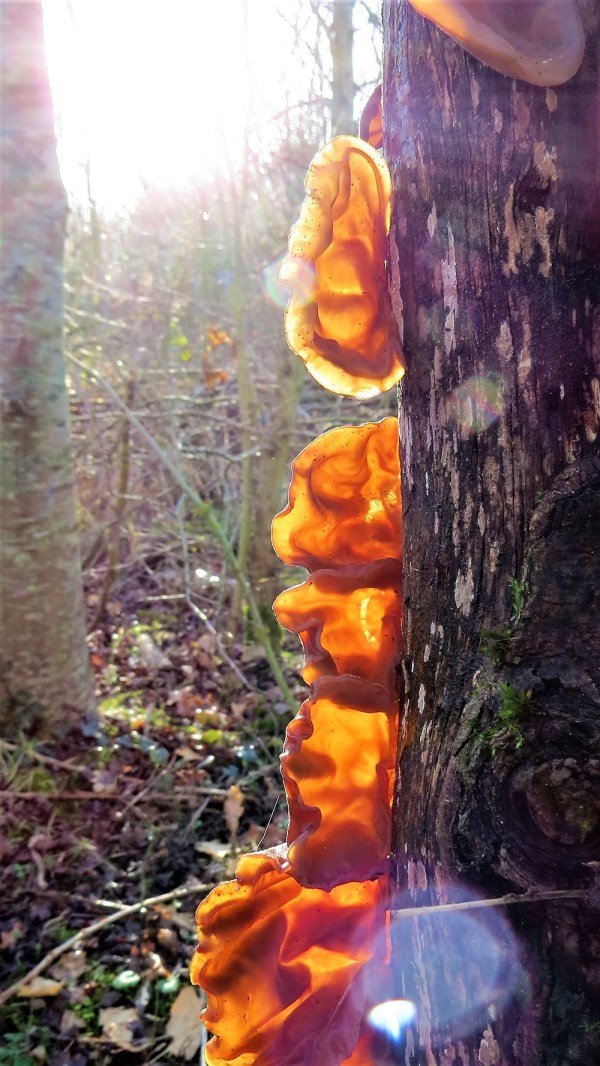
Auricularia auricula-judae is one of the few fungi that produces fruiting bodies all year round. Winter hardly seems to trouble it and we found these specimens in the strip of wood between Lambrok Meadow and Kestrel Field, in the second week of January with the early sunshine just beginning to melt the frost that had covered them overnight.
Continue reading “Wood ear”

More about our oaks.
Continue reading “Oak gall ink”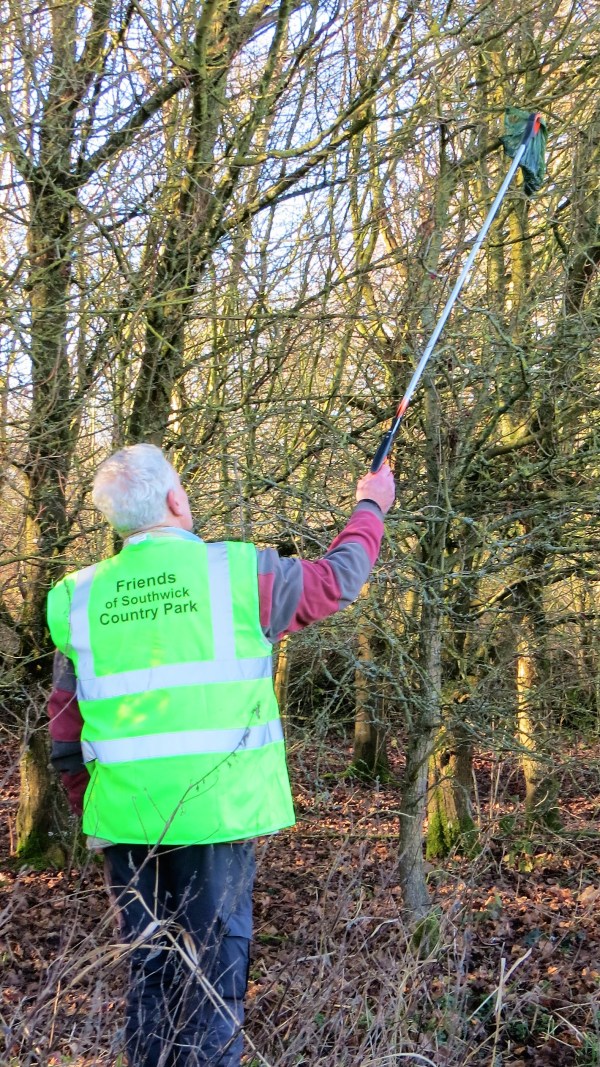
Who does this? Who wraps their dog’s faeces up in a green plastic bag and then throws it into the trees next to the path alongside Lambrok Meadow? There are bins specifically for dogs’ faeces at each end of that stretch of path and a bin for general rubbish somewhere in the middle.
What do they think will happen to their dangling green bag of poop? Who do they think clears it up? The Friends of SCP clear it up; that’s who.
We should be braver; all of us should be brave enough to say something when we see fellow park users do stuff like this. We should be polite and non-confrontational and, for the sake of the park, we should ask people to clean up properly after their dogs.
By Ian Bushell.
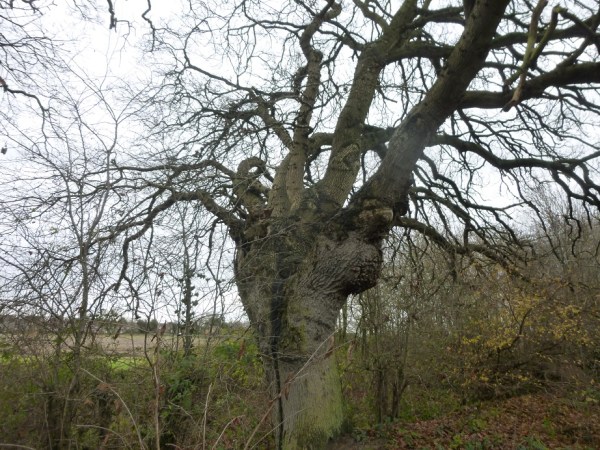
Southwick Country Park has a number of veteran oaks and one identified ancient oak, but what is a veteran or ancient oak? There are no hard and fast rules; in different environments and soils oaks grow at different rates. Here the underlying Oxford clay provides an excellent medium and the trees are large. One criterion for assessing veteran trees is those with a girth of 3.2 m are considered of potential interest, and those with a girth of 4.7 m as being valuable in terms of conservation.
Continue reading “The Park’s Old Oaks”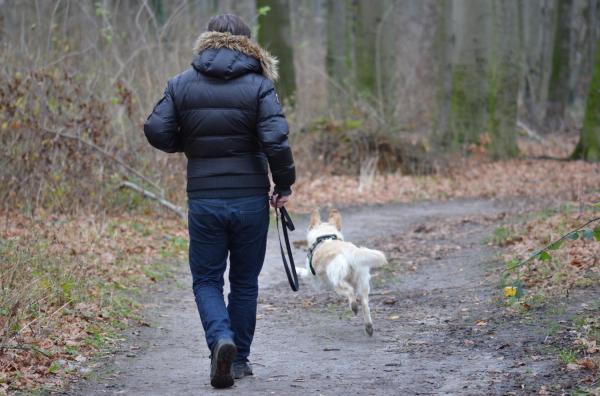
By David Feather
A newish hazard for dogs is Alabama Rot Disease which is caught from walking in muddy woody areas. Not a lot appears to be known about it, but it is a very dangerous disease that can lead to kidney failure.
Continue reading “Check your dog after a walk”
“It is that range of biodiversity that we must care for – the whole thing – rather than just one or two stars.” David Attenborough
Our park doesn’t have snow leopards or white rhinos. Our rarities are small and fragile: water voles, pondweeds, dragonflies zipping past so suddenly they make you jump, a visiting marsh tit, a linnet singing in the trees, little bottom-feeding fish. Then there are the hundreds of flowering plants, thousands of invertebrates and probably tens of thousands of species of fungi hidden away where we can’t see them.
Continue reading “The whole thing”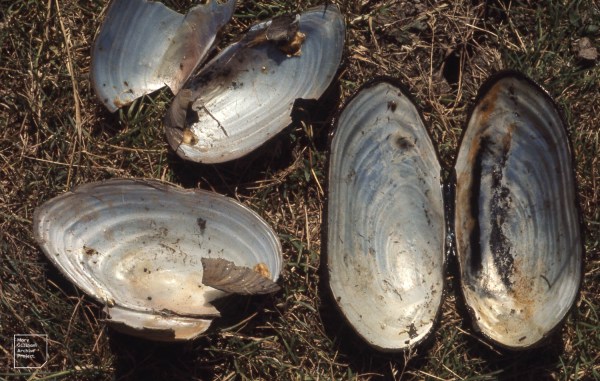
Swan mussels have growth rings on their shells, inside and out, and you can tell a mussel’s age by counting the rings, just like counting the growth rings in a tree trunk.

We have asked the police to help us to reduce vandalism in the park in 2019. PCSO Melissa Glover and Community Policing Team 5 are collecting intelligence. If you have information that you think will help or see anything in the park that you know shouldn’t be happening , please contact her or her team. The contact details are below:

Thank you.
Conservation is full of jargon, full of words and phrases that sound good, as if you really did know what you were talking about know. We all do it and we do it to save ourselves the trouble of finding out stuff.
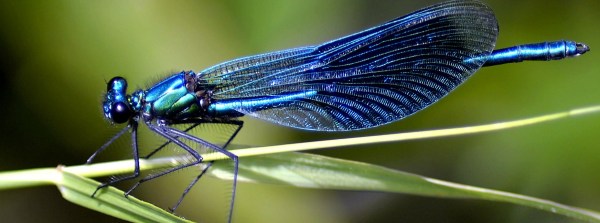
FoSCP is going to begin 2019 with some eco-definitions. We’ll start here with habitat fragmentation, a serious problem for British wildlife in its intensely farmed and increasingly built-up environment, a particular problem for the park’s Odonata and water voles.
Continue reading “Habitat fragmentation”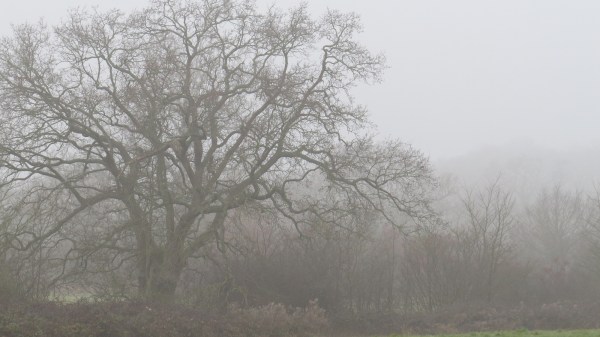
Oak tree number 5521 through the mist on Friday morning.
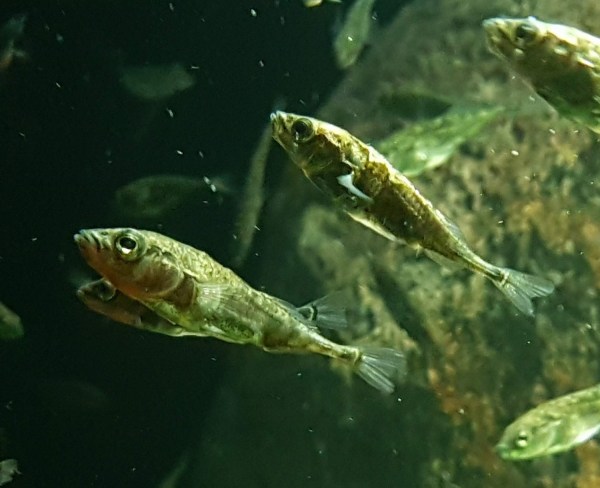
The life cycle of a swan mussel (Anodonta cygnea) is extraordinary, a real illustration of the complexity of the park’s freshwater ecosystem, and the reason for the picture of a little shoal of three -spined sticklebacks . . .
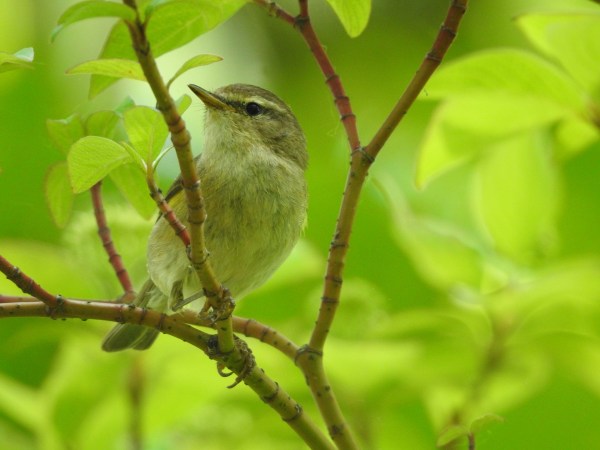
Our willow warblers are among the park’s smallest birds; at 8.7 grams, they are only half the size of a robin. Their migration route, though, is the longest of any of the park’s birds: over 8,000km all the way to sub-Saharan Africa, an astonishing feat of endurance, and in April they will come all the way back to the park.

by keithwlarson (CC BY-SA 3.0)
Another migrator from the spring of 2018:
The Chiffchaffs are back

Water voles and their burrows are fully protected under the Wildlife and Countryside Act but Natural England can grant developers a licence that permits disturbance. In fact disturbance is the very name of the game; the licence allows vegetation to be removed from up to 50 metres of bank in order to drive water voles from areas where development is planned.
Continue reading “New research on water voles”
Back from our Christmas break with an interesting tidbit of scientific discovery from 2018.
Continue reading “Migration”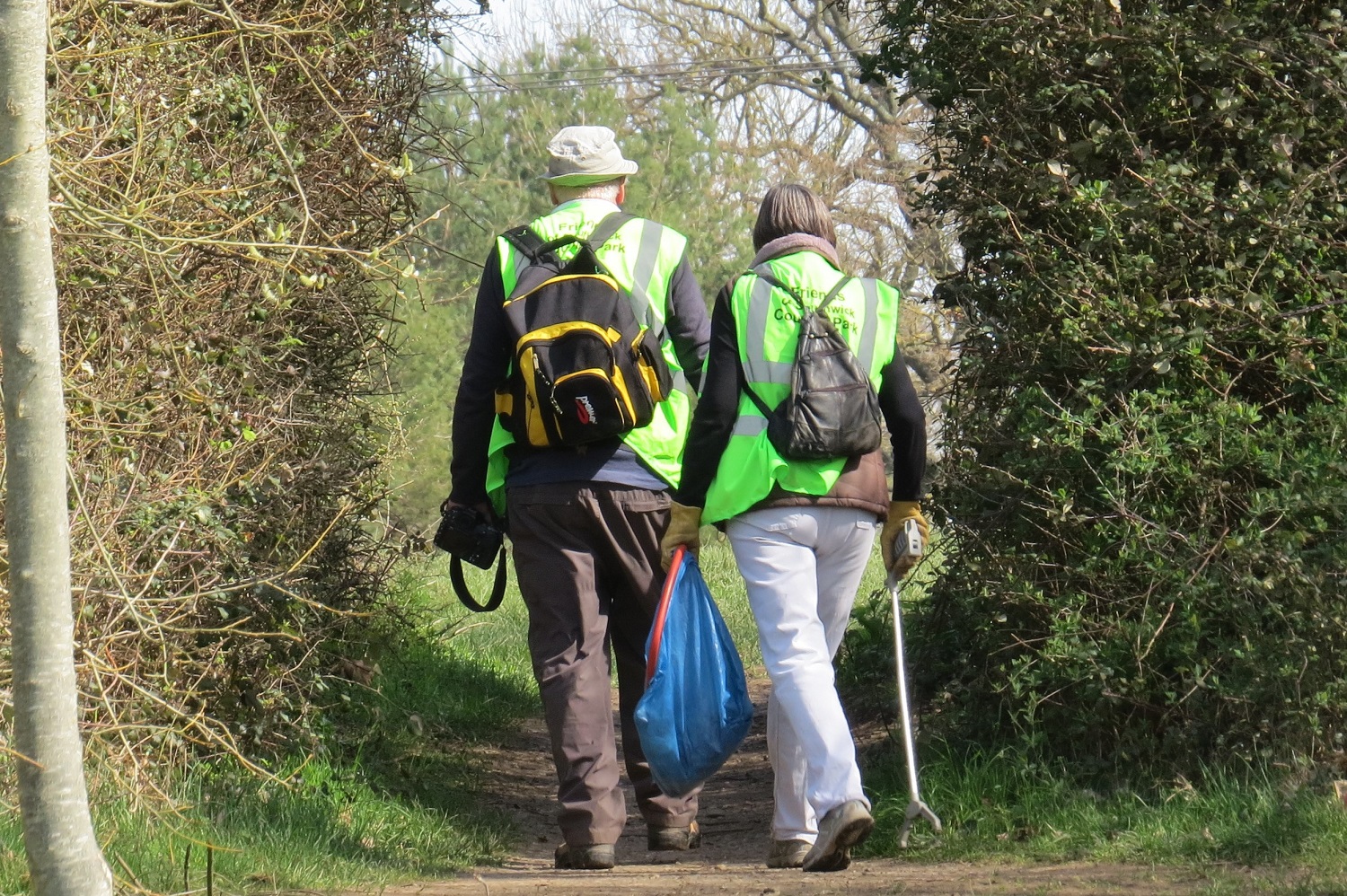




 Southwick Country Park Nature Reserve