Kingfisher
A message and a picture from Jay Pickard:
Spotted a Kingfisher this morning over the pond and stream. Great to see!

Thanks Jay, we love to get pictures from park users.

A message and a picture from Jay Pickard:
Spotted a Kingfisher this morning over the pond and stream. Great to see!
Thanks Jay, we love to get pictures from park users.
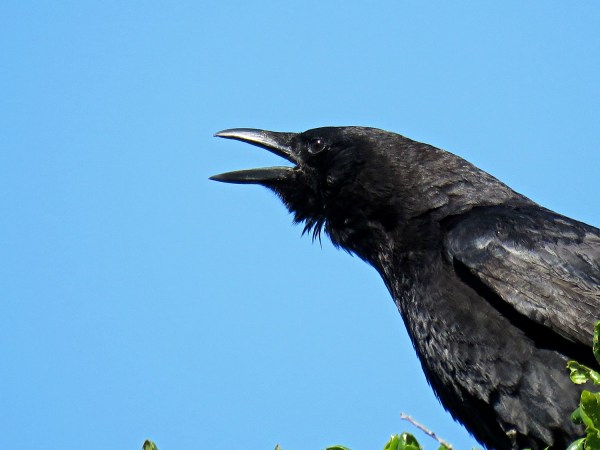
Yesterday’s post about jackdaws produced an email asking how to tell rooks from crows.
Continue reading “Rook or crow?”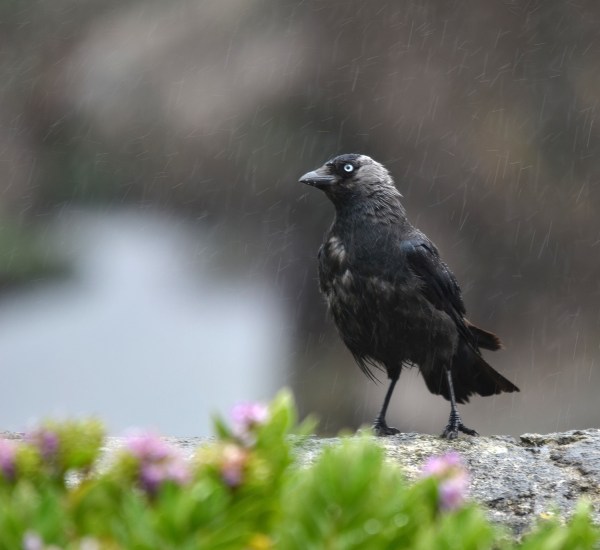
The park’s jackdaws are clever and successful opportunists, ready to step into almost any ecological niche.
Continue reading “Successful generalists”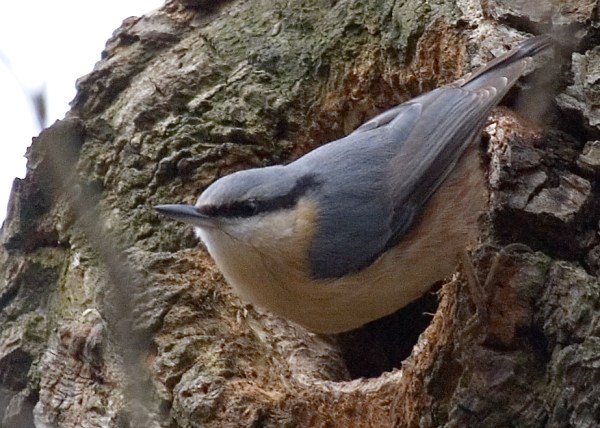
Now that the leaves are falling you might be lucky enough to spot a Nuthatch (Sitta europaea) hunting insects on a tree trunk. Here are five interesting things about nuthatches.
Continue reading “Five fun nuthatch facts”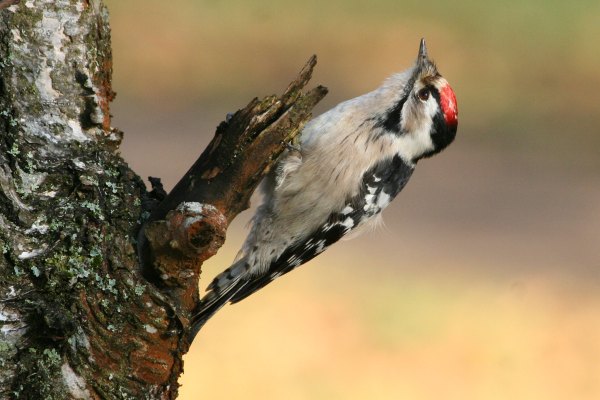
In Wednesday’s post about the short term population decline of some of the park’s bird species, we used a picture of an immature greater spotted woodpecker instead of a lesser spotted woodpecker; sorry. The picture above is definitely of a lesser spotted woodpecker ( Dryobates minor) and we will use it to replace the picture in Wednesday’s post as soon as possible.
Continue reading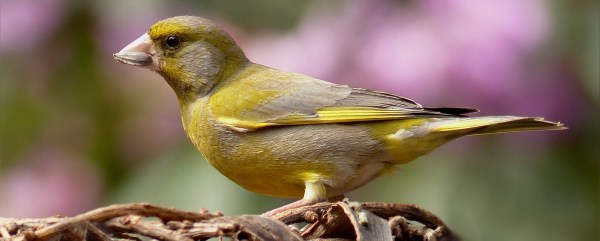
Defra’s recent report, Wild Bird Populations in England, 1970 to 2018, ends with a very disturbing Annex called Trends in bird species, by habitat group, in England.
Continue reading “Bird populations in the park”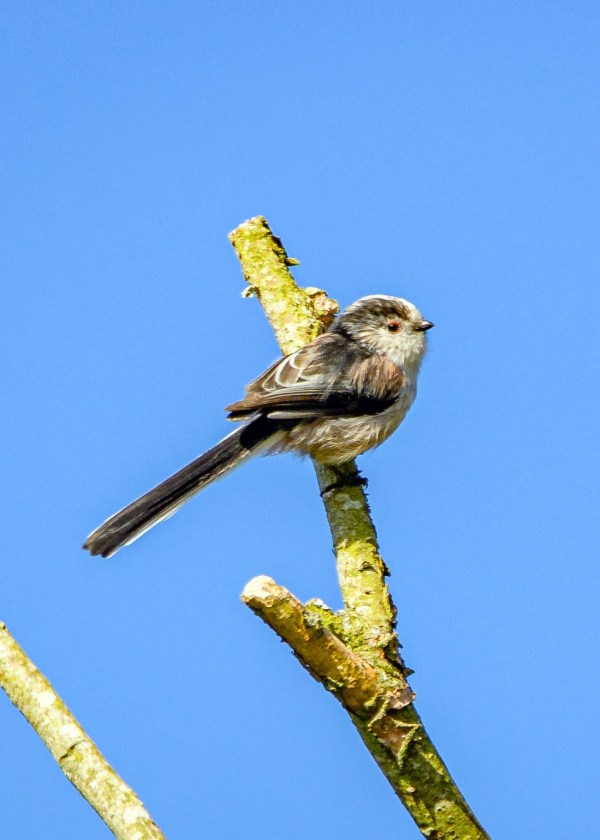
Last week the Department for Environment Food and Rural Affairs (DEFRA) published a report called Wild Bird Populations in the UK, 1970 to 2018
Continue reading “Bird populations in crisis”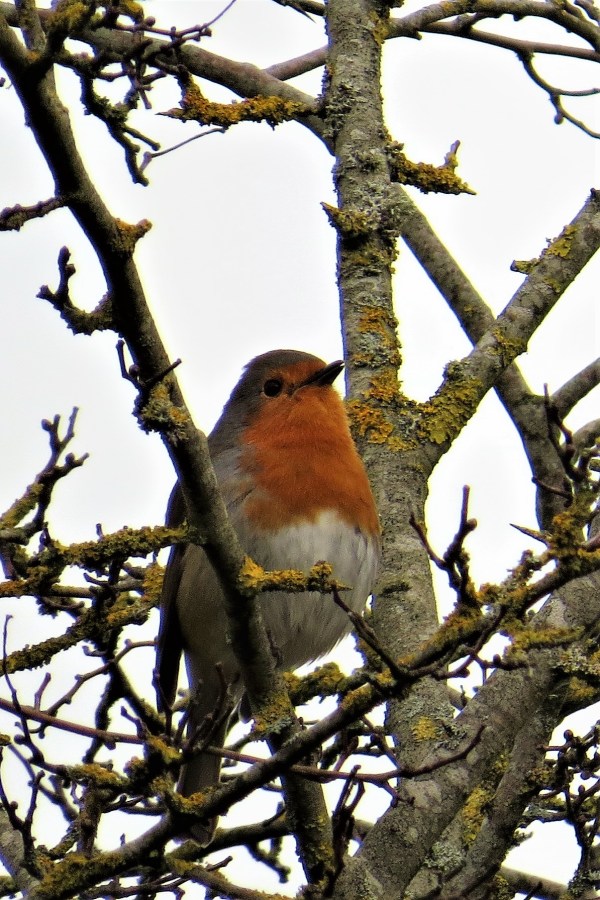
The robin is one of the few birds in the UK that sing in the winter as well as the summer. The purpose of the song is territorial; robins winter here and defend their territories all year round.
Continue reading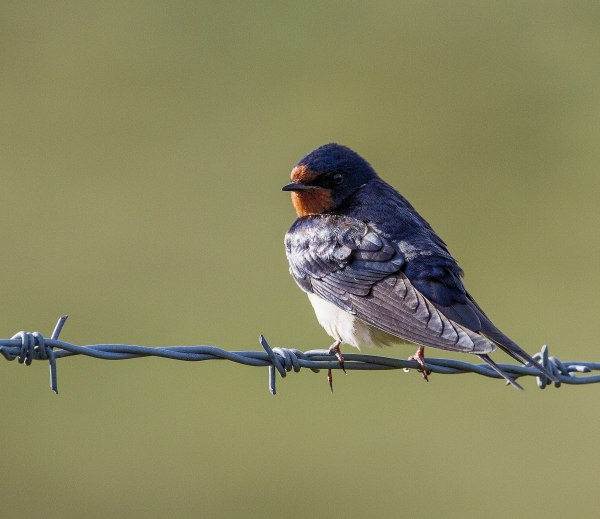
Most of our swallows have left by this time of year; Britain’s swallows overwinter South Africa.
Continue reading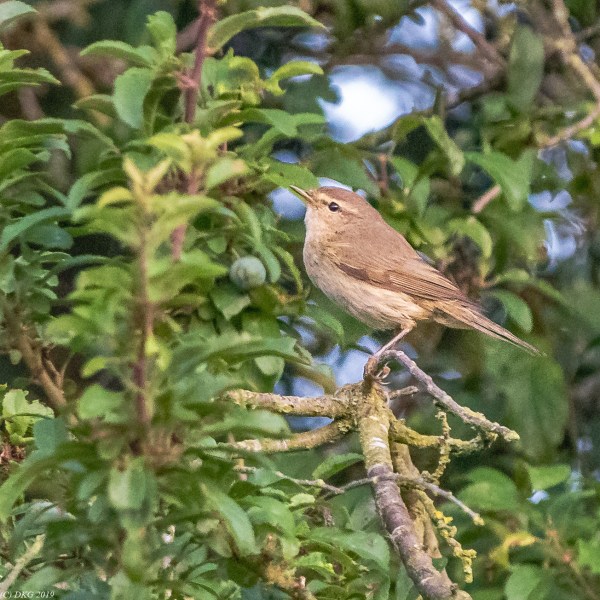
All our willow warblers will have left by now; they are on their way to sub-Saharan Africa where they will spend their winter. Theirs is the longest journey undertaken by any of the park’s migratory birds. Why do such tiny birds fly so far and take such risks to do it?
Continue reading “Willow warbler migration”
Long-tailed tits, Aegithalos caudatus, form small, excitable flocks at this time of year of up to twenty individuals.
Continue reading “Long tailed tit”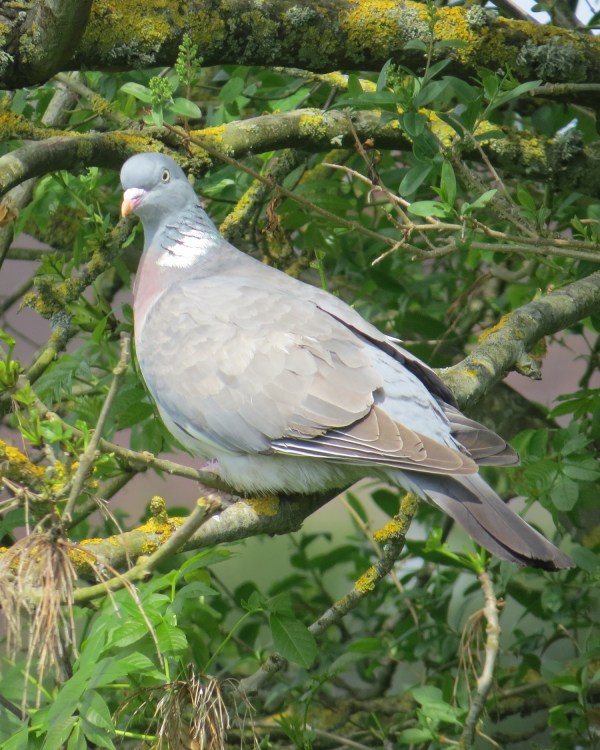
Pigeons are known to have been domesticated for more than 5,000 years. They are mentioned in cuneiform writing on clay tablets dug up in Mesopotamia and in hieroglyphics on the walls of ancient Egyptian tombs. There is a growing belief among archaeologists that pigeons were, in fact, the first birds to be domesticated, more than 10,000 years ago,
Continue reading “Pigeon post”
The Eurasian wren (Troglodytes troglodytes) is one of our commonest birds; it is very widely distributed, with an estimated population of eight million breeding pairs.
Continue reading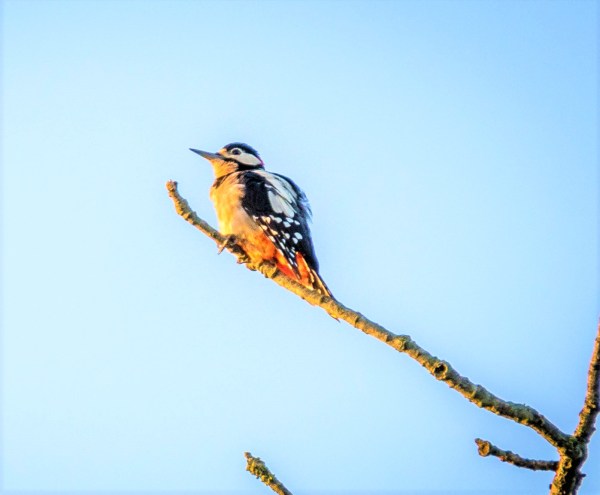
DKG’s first sighting of a great spotted woodpecker this year.
Continue reading “Great spotted woodpecker”At least three pairs of song thrushes nested in the park this year. On any clear July evening, especially after rain, it has been possible to walk right round the park’s boundaries and never be out of earshot of a song thrush singing from the top of a tree.
Here is five minutes of a song thrush’s song; listen to it while you check the morning’s news.
Song thrush recorded by David Bisset in Essex
Header picture:- Song thrush by Simon Chinnery [CC BY-SA 4.0]
A willow warbler (Phylloscopus trochilus) seen and photographed by DKG yesterday morning.
Continue reading
A common whitethroat (Sylvia communis), seen, identified and photographed by DKG near the Lambrok this week. This is probably either a female or a juvenile; the male is more distinctively coloured.
Continue reading “Whitethroat”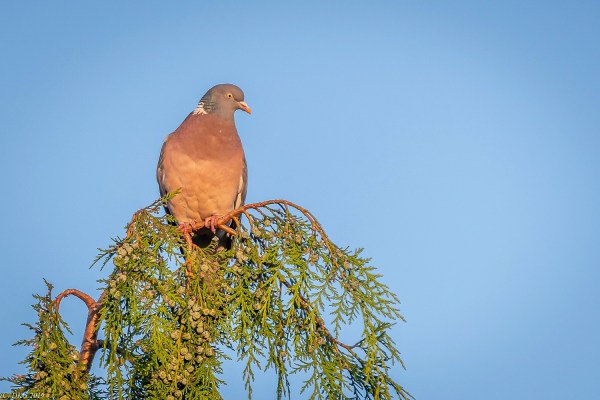
ONE: Wood pigeons are the most numerous large bird in Britain with an estimated 5 million breeding pairs.
Click here for more
” Took these early this morning whilst the butterflies were still resting. A Gatekeeper and one other which may be a Meadow Brown or may not. There were so many of them in The Triangle near the picnic area.”
Continue reading “Mail from DKG”
The temperature has soared this weekend and the RSPB has asked people to help their local bird populations through the heat wave with a supply of clean, fresh water in a place safe from predators.
Continue reading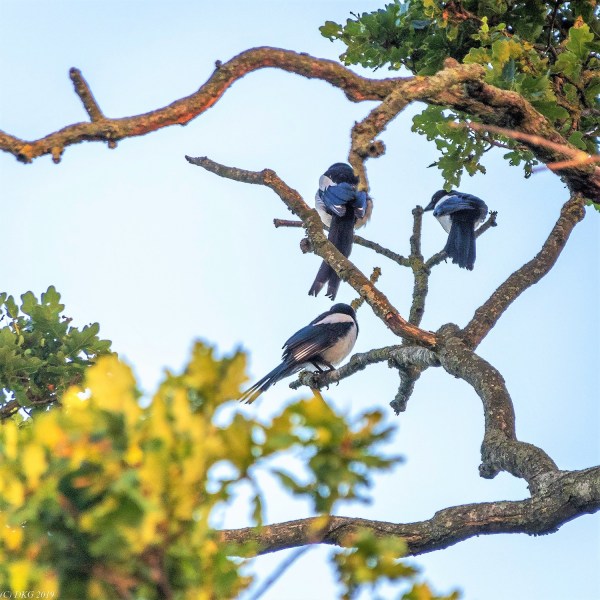
A picture of three magpies by DKG
Why is blue so rare in nature?
Click here for a video that explores this topic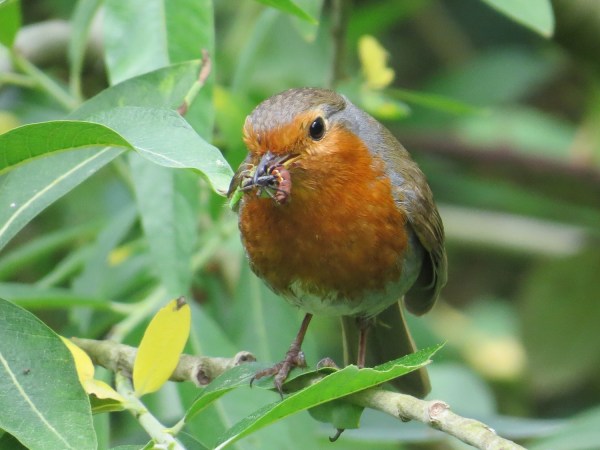
A robin in the willows by Fiveways; it has a mouthful of invertebrates for a nearby nest of hatchlings. It doesn’t want to reveal its nest site so is waiting quietly for the photographer to go away but in waiting, is providing an excellent view of its catch.
Read on for the gory details
The pair of blue tits that DKG has been watching are very busy feeding green winter moth caterpillars to their young.


Here are more posts about this nest:
Blue tit update
Has our blue tits’ nest been abandoned?
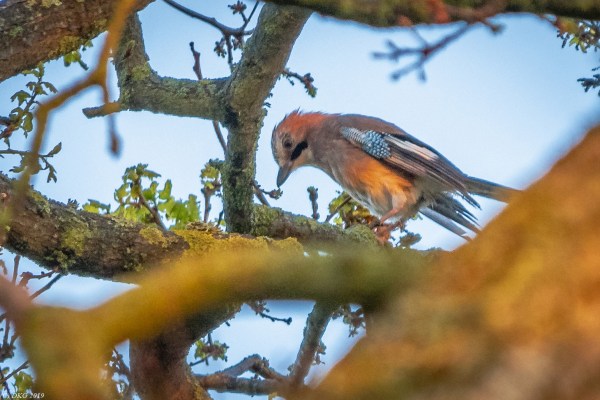
Last year’s acorn crop was poor and we expected that our resident jays (Garrulus glandarius) would chase away any winter incomers migrating from northern Europe. Jays are very territorial, defending what they consider their oak tree and all their caches of its acorns.
Continue reading “The park’s jays”



 Southwick Country Park Nature Reserve