The meadow pipit (Anthus pratensis) is the default pipit. In the UK there are, besides meadow pipits, tree pipits, water pipits and rock pipits all very much alike.
Continue reading “Meadow pipit”Meadow pipit
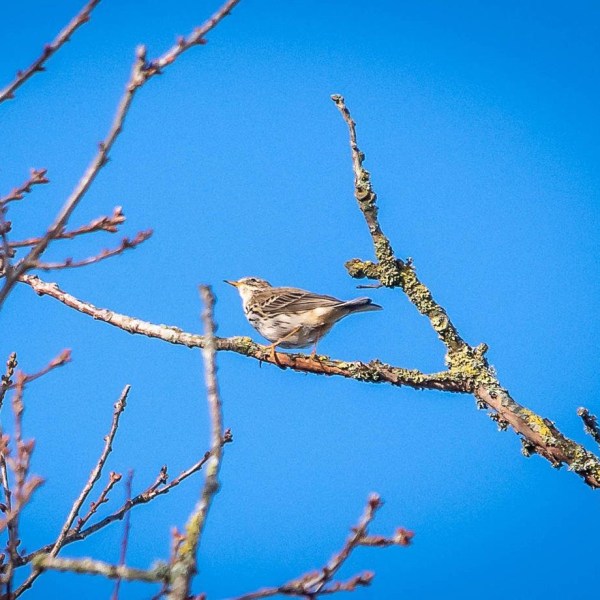
The meadow pipit (Anthus pratensis) is the default pipit. In the UK there are, besides meadow pipits, tree pipits, water pipits and rock pipits all very much alike.
Continue reading “Meadow pipit”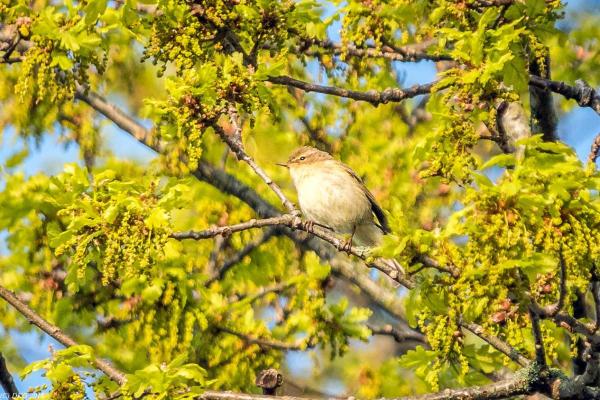
DKG photographed a small grey green bird with a pale eyestripe and cream underparts. This is either a chiffchaff or a willow warbler and it’s very hard to tell the difference.
Continue reading “Chiffchaff or willow warbler”
Bullfinches are regular visitors to the park. Despite the male’s glorious colouring, they are quiet, retiring types, rarely seen; DKG took this picture early on Saturday morning when the park was pretty much empty of visitors.
Continue reading “Bullfinch”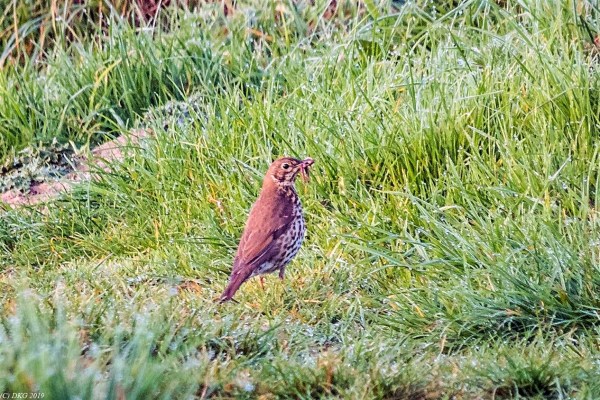
A song thrush, busy feeding a nestful of babies somewhere in the park.
Read on for conservation status and a recording of its song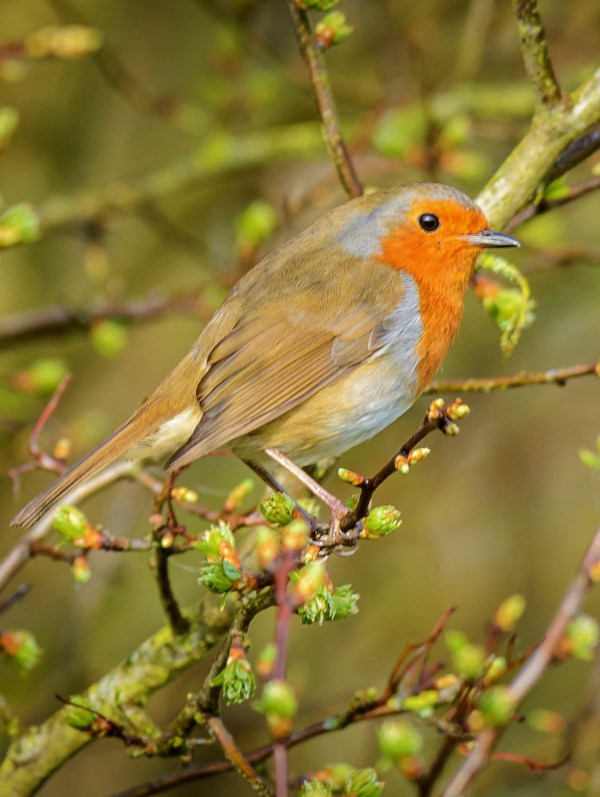
A robin (Erithacus rubecula), by DKG, among new hawthorn leaves.

While our female blue tit incubates her eggs and the male visits to feed her, here is a look back to 2016 when DKG staked out another nest in a different oak tree.


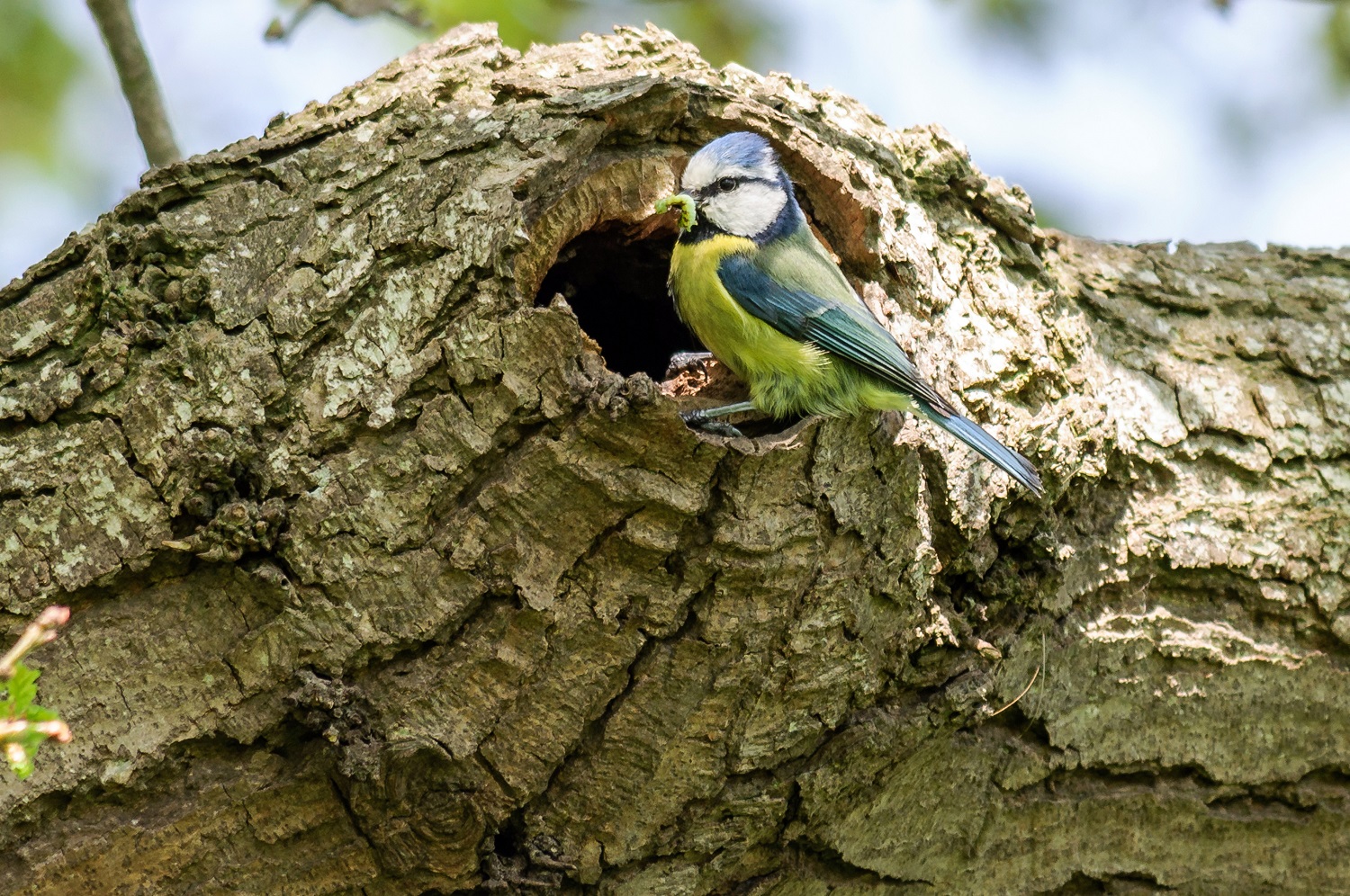

All the pictures are by DKG
Below is the full story of this year’s nest:
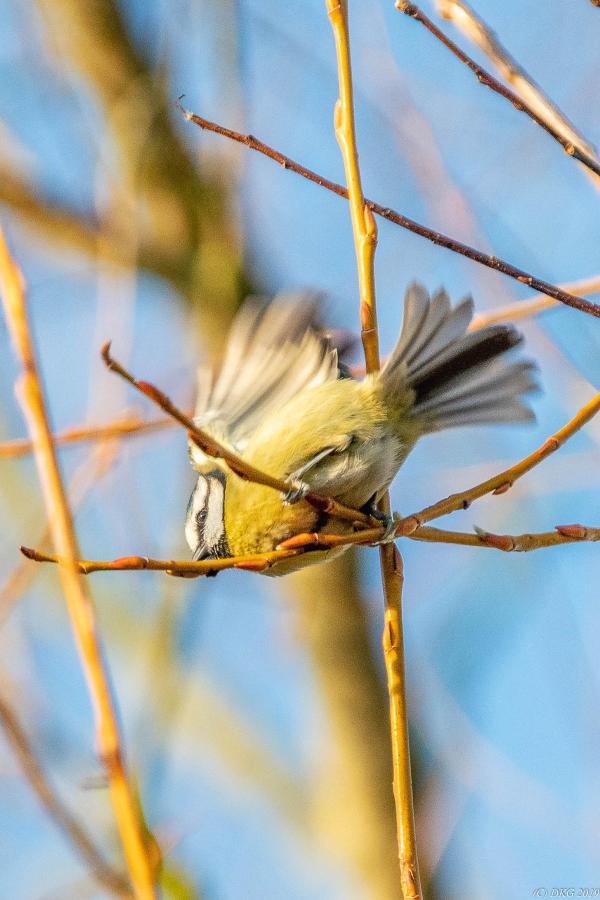
The blue tits have been seen at their nest. There was a message from DKG yesterday afternoon:
Continue reading
Either we have misread the blue tits’ timetable or the nest has been abandoned. During his last two visits to the nest site, DKG has not seen the birds at all.
Continue reading “What has happened to the blue tits?”
A message and pictures from DKG.
Click here for the rest of the story
Yesterday morning’s FoSCP work party, armed with saws and loppers and marching up the hill past Simpson’s Field, saw a pair of goldcrests (Regulus regulus) in the conifers by the path. Goldcrests are Britain’s smallest bird; a tiny flash of yellow against the dark green of a pine tree.
Continue reading “Goldcrest”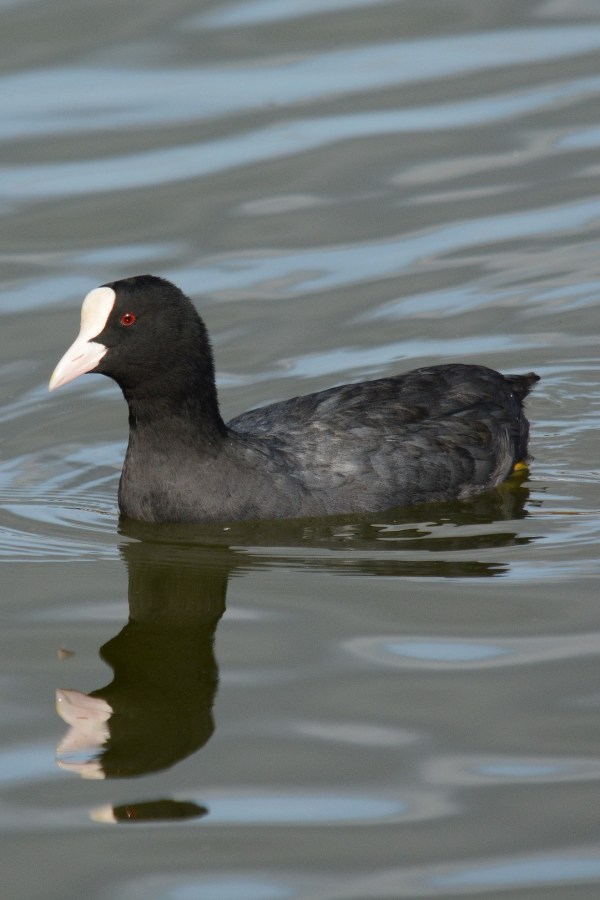
Ian has reported a coot (fulica atra), a new species for the park. Coots are small black waterbirds, close relatives of moorhens. Both species belong to the family Raillidae.
Continue reading “A new species”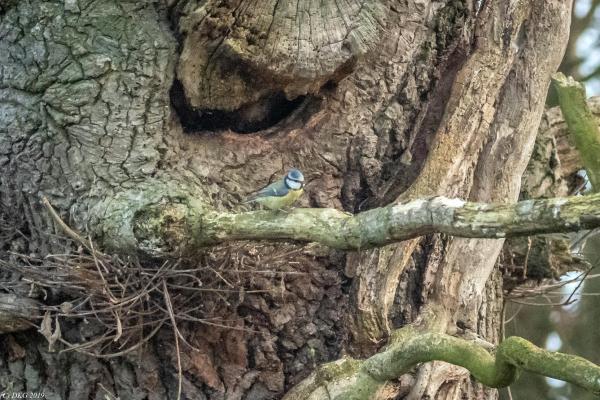
A message from DKG during the week
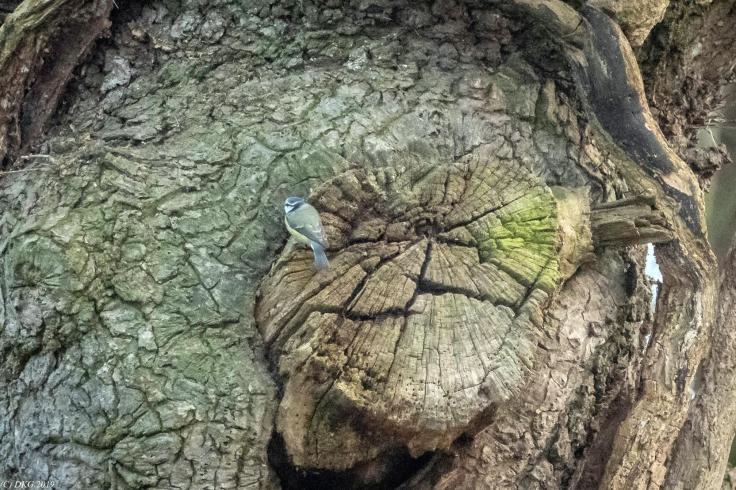
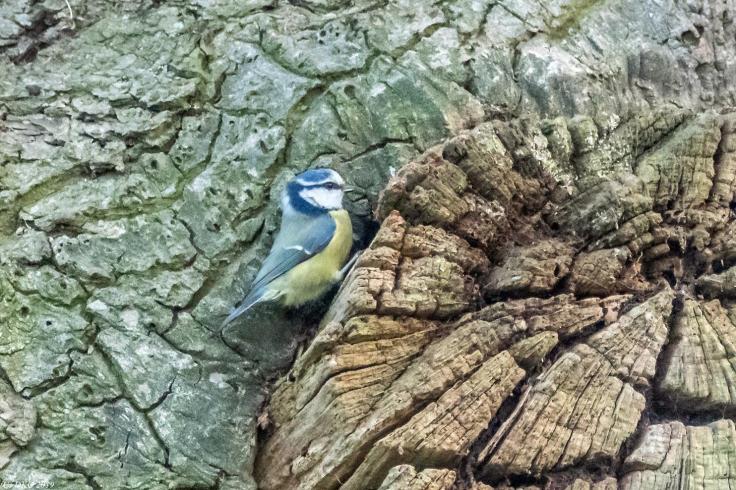
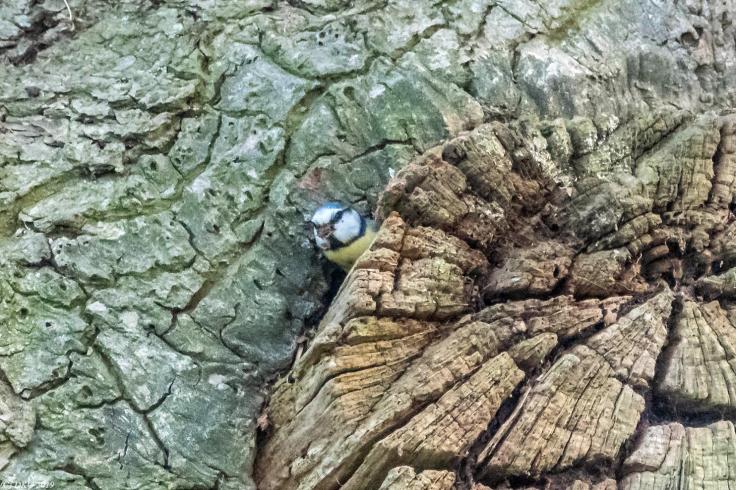
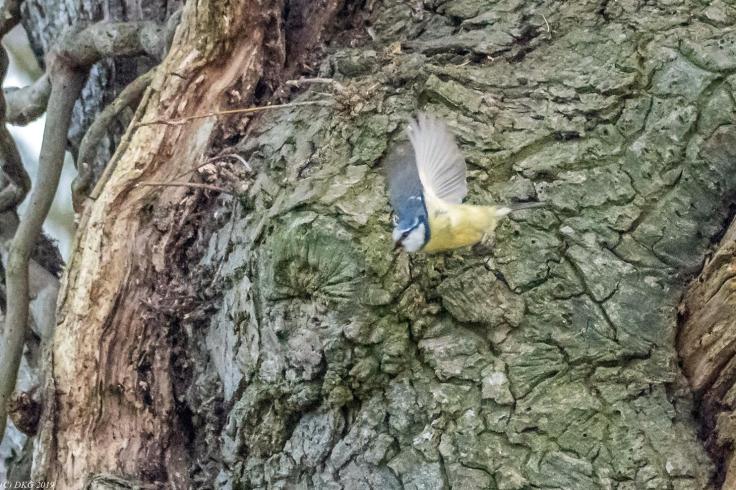
A long stay observing and photographing the Blue Tits. I am certain they have young. They were both frantically entering and leaving the nest all the time I was there. Still no sightings of the Green Woodpeckers but I did see a Great Spotted Woodpecker, although I was not quick enough to get any photos.
Click on any picture to open the gallery

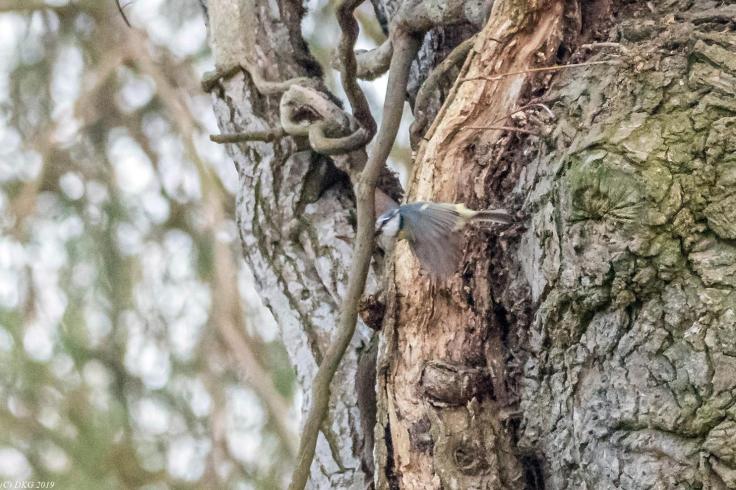
An old ash tree at the top of The Race has been cut back by tree surgeons because it was very rotten in places and branches had fallen during the winter. It was considered too dangerously close to the path to be left to fall down and rot away at its own speed.
Read on to see what was found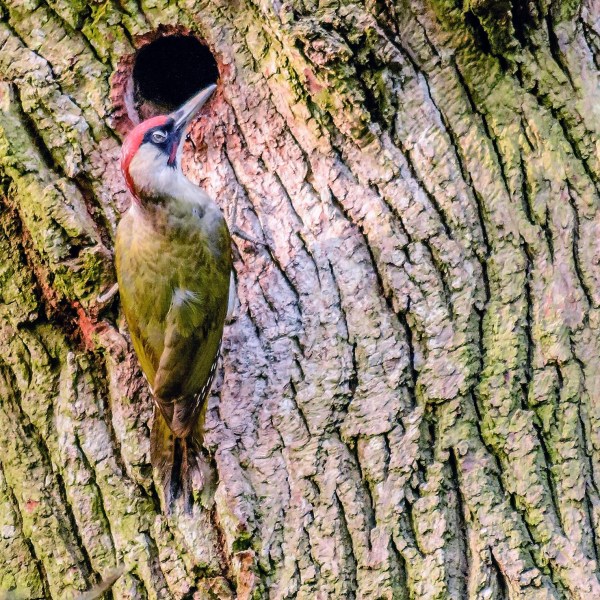
Great spotted and green. . .
read on for more about the park’s woodpeckers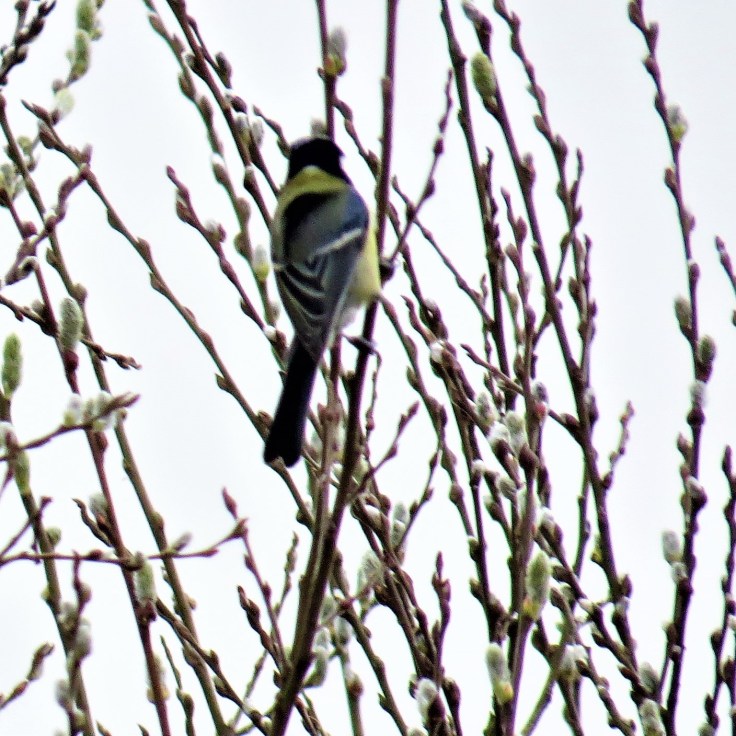
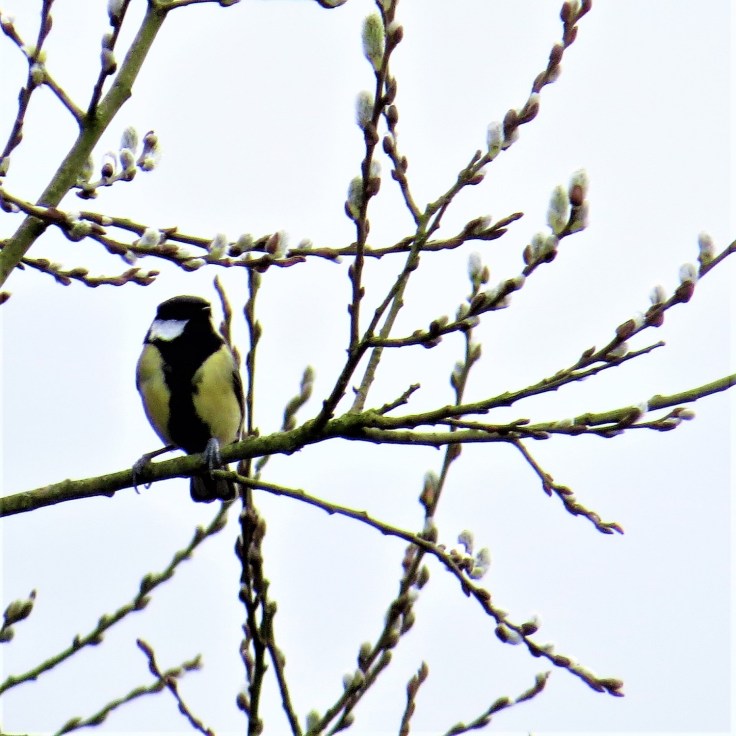
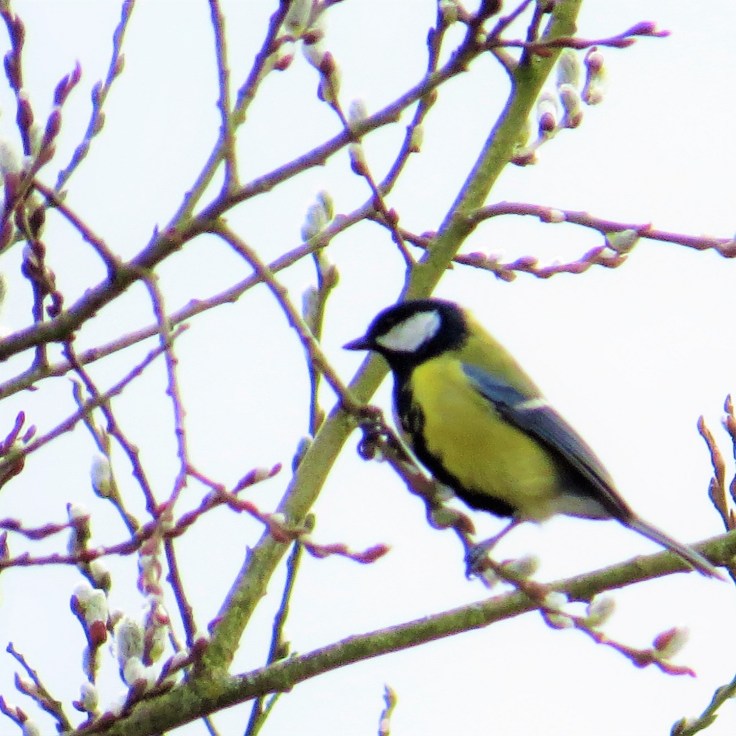
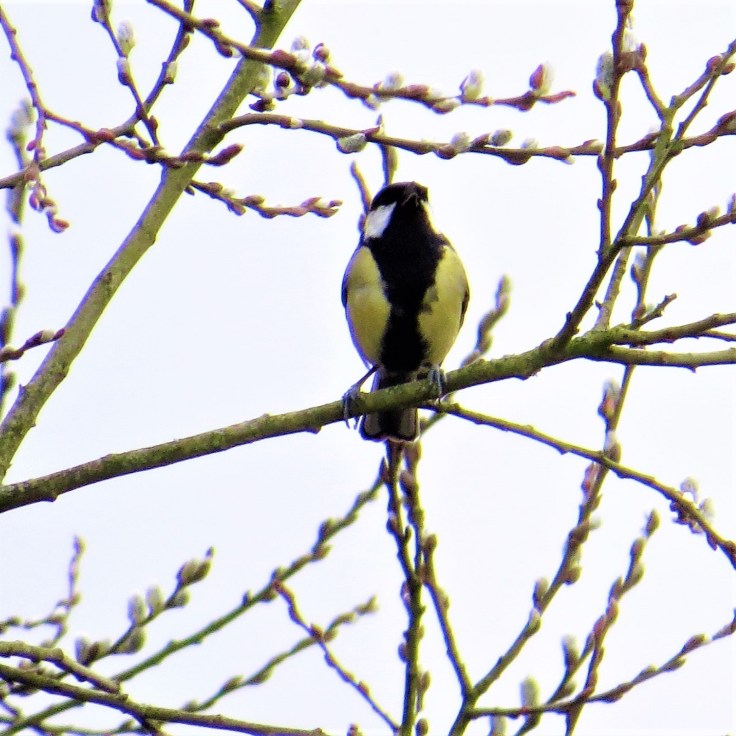
Great tits are very loud at this time of year. They sit high in the trees, like this one in the willows by the decorated bridge, and shout. It is a distinctive repetitive call like a creaky gate. Listen out for it.
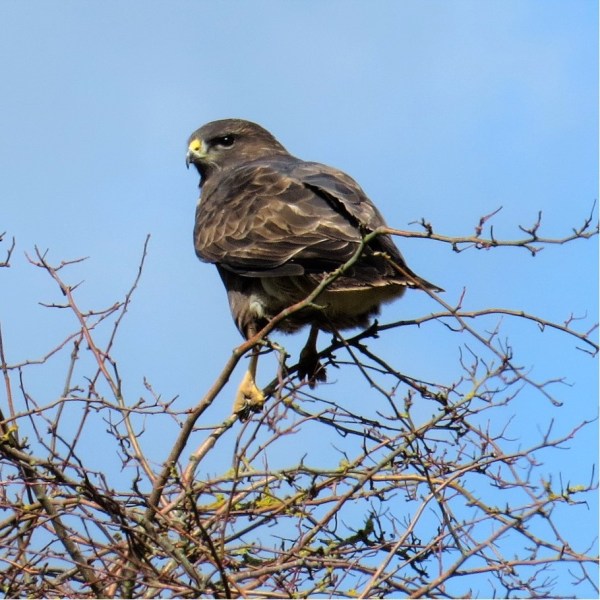
This is a young buzzard, photographed in the hawthorn trees beside Lambrok Stream. For a couple of weeks he has been hunting in the field on the Church Lane side of the stream, where there are field vole colonies. He roosts in the same oak the barn owls visited last spring.
It would be wonderful if he found a mate and nested in or around the park this year; fingers crossed.
Header photograph by Suzanne Humphries
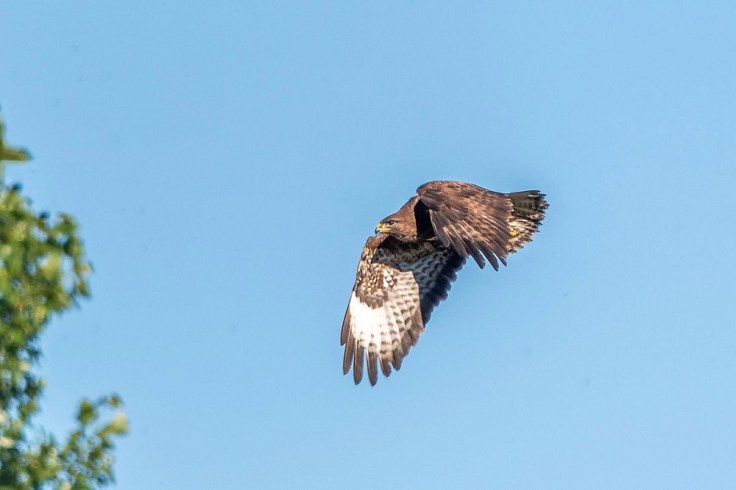
More about buzzards:
Buzzard
by DKG
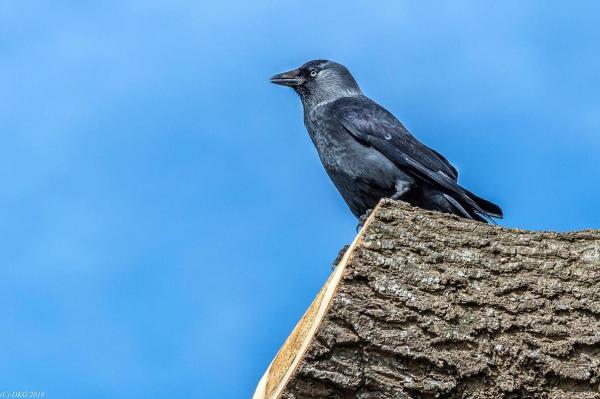
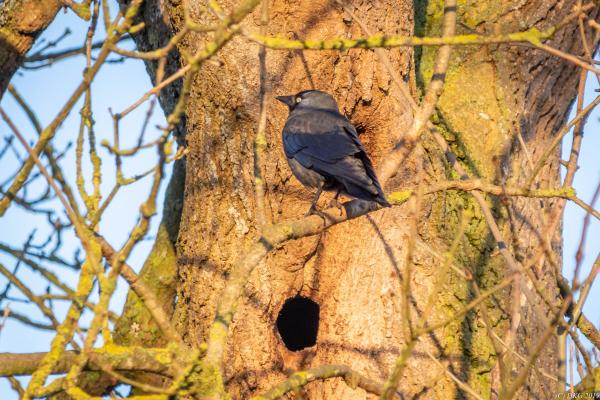
A few bird photos taken early yesterday morning, some proving uncooperative (yet again). Our resident Jackdaws near the picnic area are nest building in their usual hole, in fact this pair remain here or close by throughout the year.
Continue reading “Bird watching”
Photographs by DKG
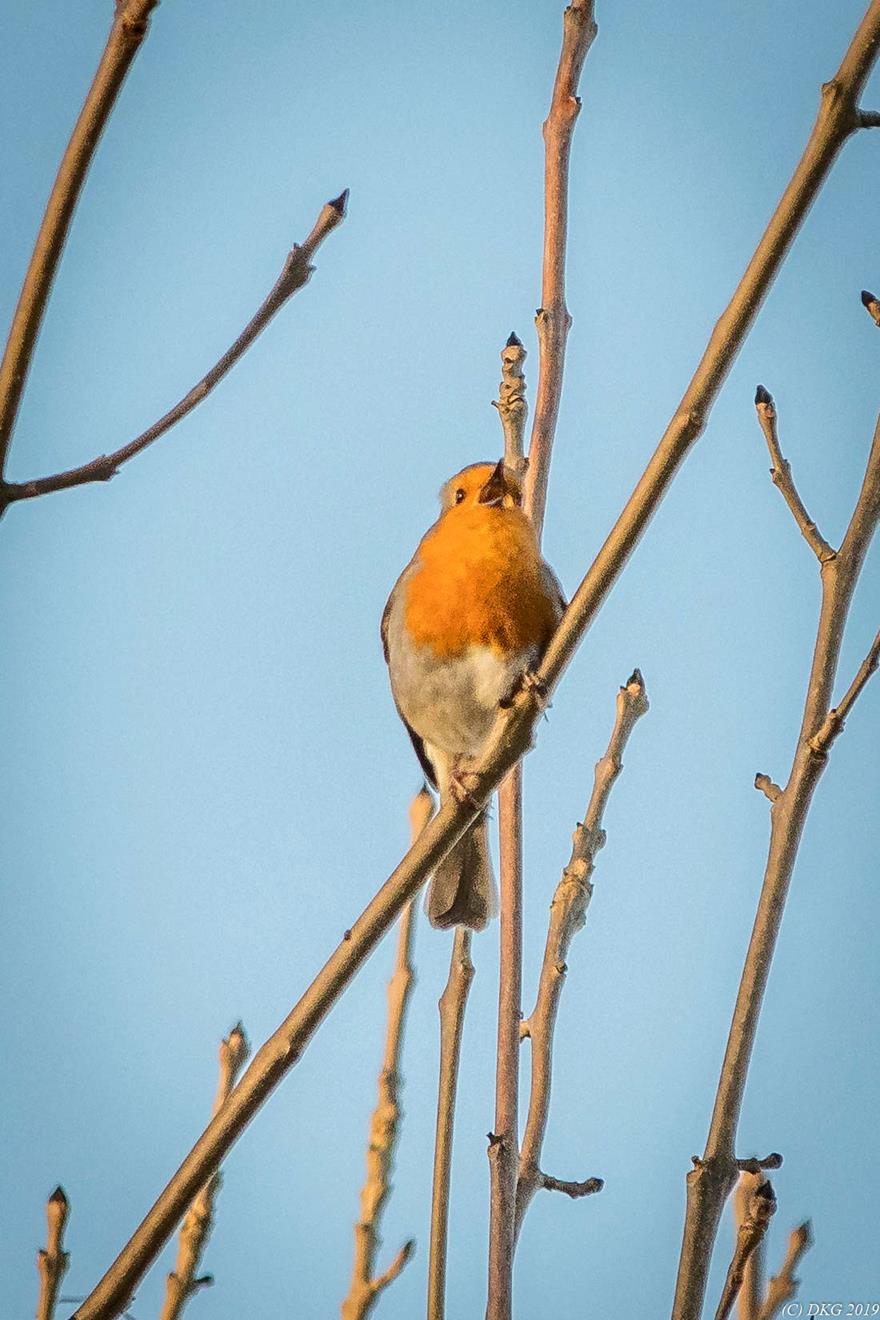
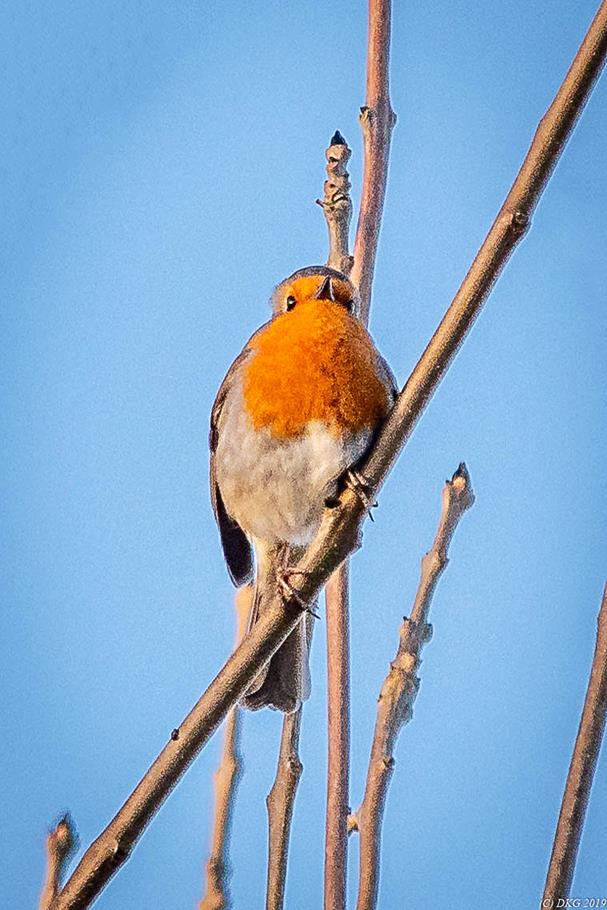
There seem to be lots of robins in the park this year. In fact, there are lots of robins everywhere in Trowbridge. We know that their population in Britain has grown almost 50% since the 1970s but population growth is measured in means and averages, not in sudden seasonal spikes. There could be several reasons for this spike, not all of them necessarily good news for the park.
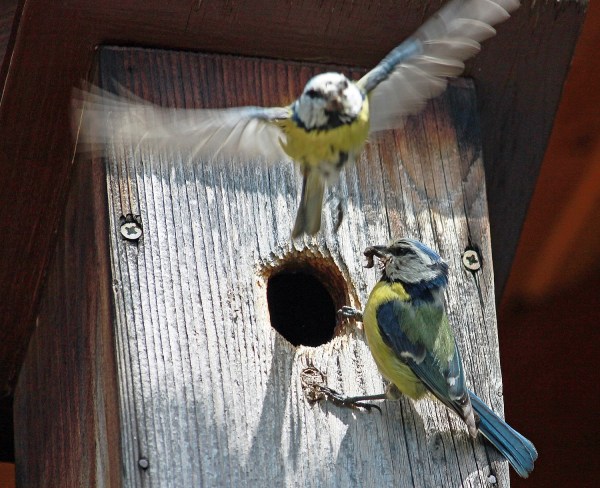
By Barbara Johnson
We have two nest-boxes, one either side of our garden. One with a smaller hole, just for blue tits, the other with a larger hole to accommodate great tits, sparrows etc.
Read on for the rest of Barbara’s story
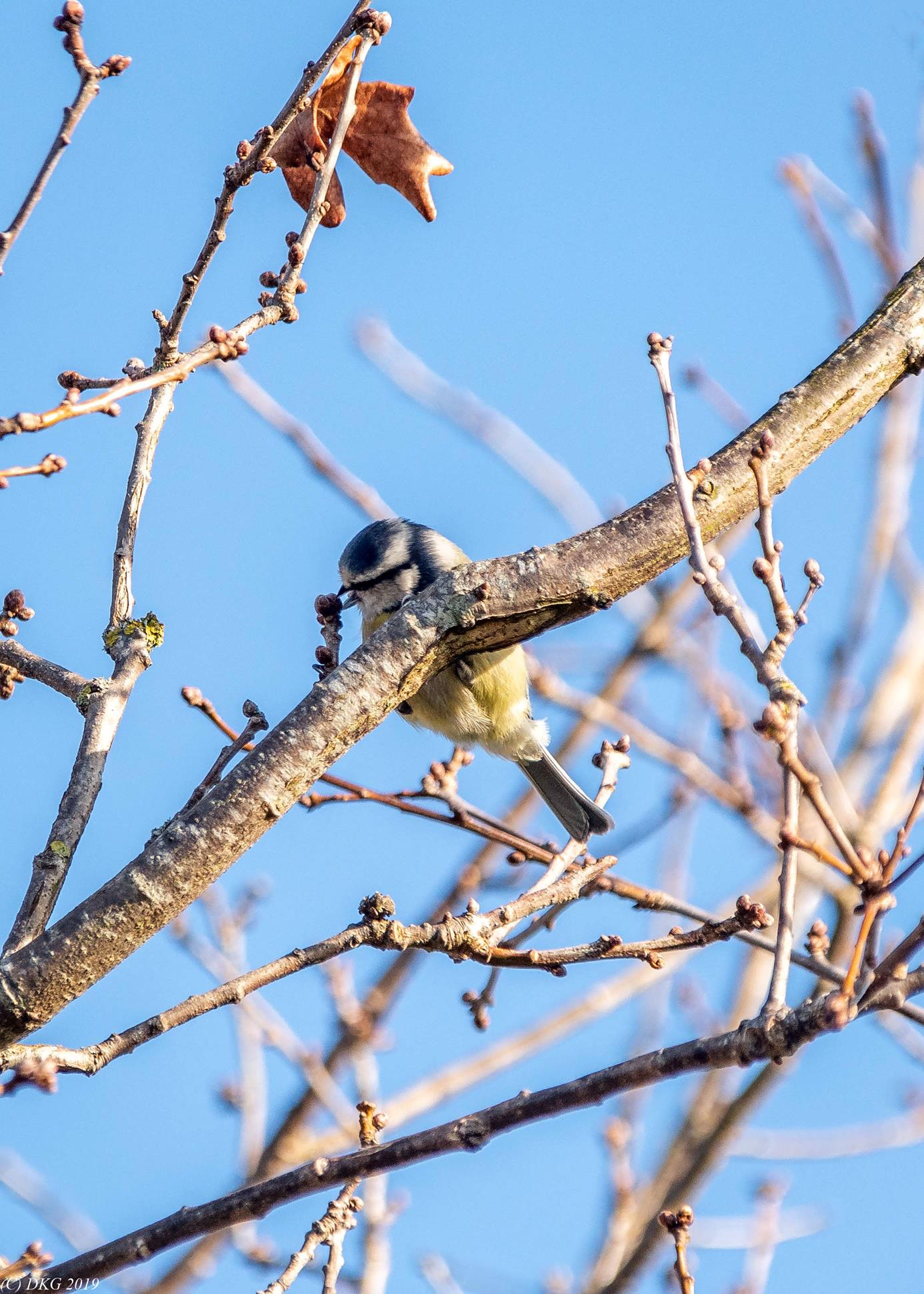
During the winter, in natural woodlands, blue tits spend most of their time in oaks, searching for insect food in the trees’ rich ecosystems. At this time of year they turn their attention to the midges, mites and wasps that come to lay eggs in the new leaf buds.
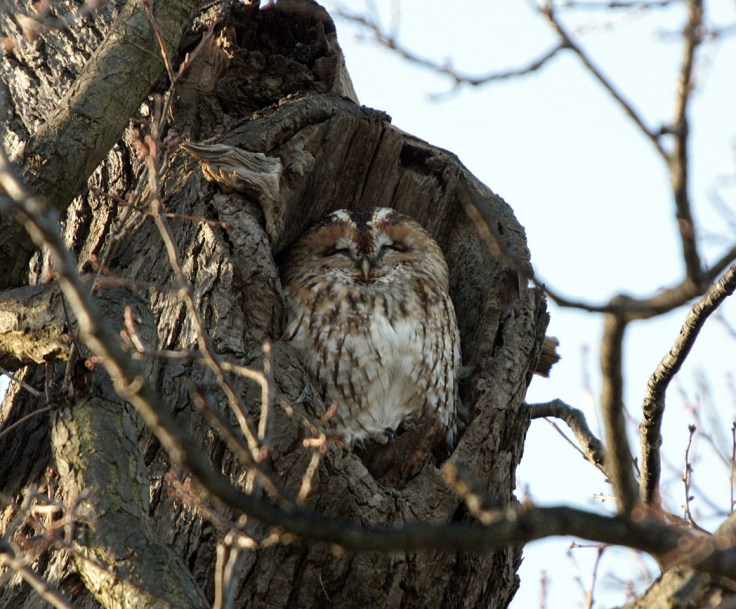
Read moreHas anybody heard or seen the tawny owl that was spotted in the park three weeks ago? We are hoping it is still here, perhaps with a mate, looking for nest sites.
Tawny owl calls are unmistakeable, the classic too-wit-too-woo, but their camouflage is excellent and they are difficult to spot against a background of tree bark. Here is a short video from YouTube to help with identification.
Contact details, if you have anything to report, are here.
More about tawnies:

While checking goldfinch facts to go with DKG’s pictures last week, we discovered, to our delight, that the collective noun for goldfinches is a charm. How charming is that?
Continue reading “A charm of goldfinches”
A letter from local ornithologist, David C.
I must say DKG’s Tawny Owl & Kingfisher photos are really good. Tawny Owls seem to be doing okay in Wiltshire and Kingfishers are also widely distributed. They seem very inefficient breeders with only about half the chicks surviving their first Winter from more than one brood each Spring!
Continue reading “Notes from the past”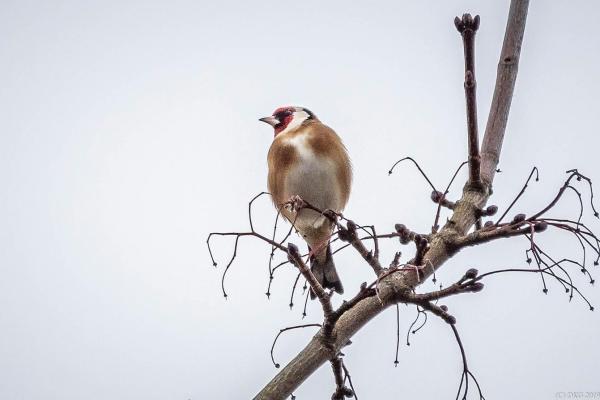
A goldfinch high in an ash tree, photographed by DKG early on Tuesday.
Continue reading “Goldfinch”





 Southwick Country Park Nature Reserve