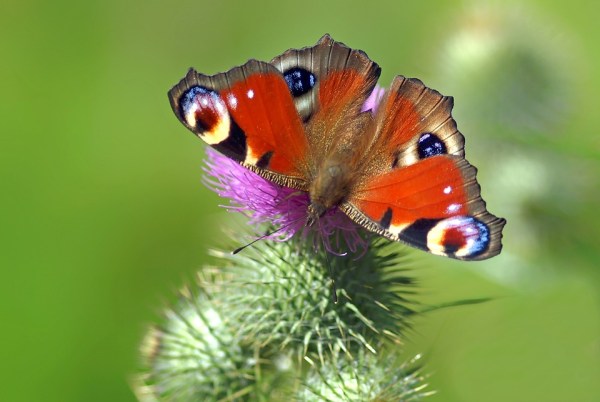
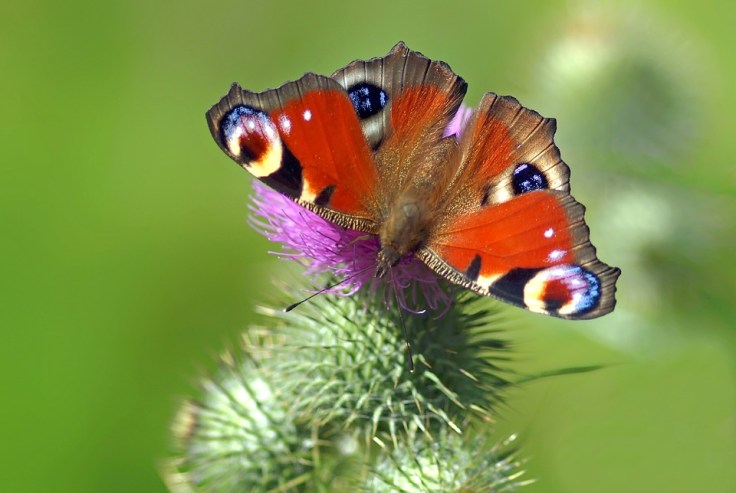
Four nests of peacock caterpillars have been photographed in the park this year and we hope there are more. Those caterpillars will be pupating soon and we will begin to see the new adults this month.
Continue reading “Peacock butterflies”Six-spot burnet moth
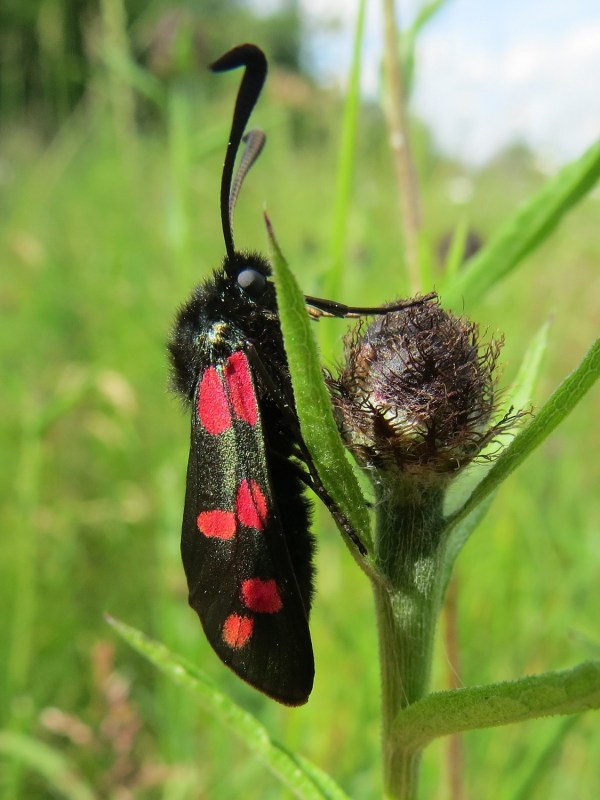
Six-spot burnet moth (Zygaena filipendulae) seen in Village Green. The adults feed on the nectar of the thistles and knapweed that grow there. They lay their eggs on the caterpillar’s food plant, birdsfoot trefoil, among the grass.
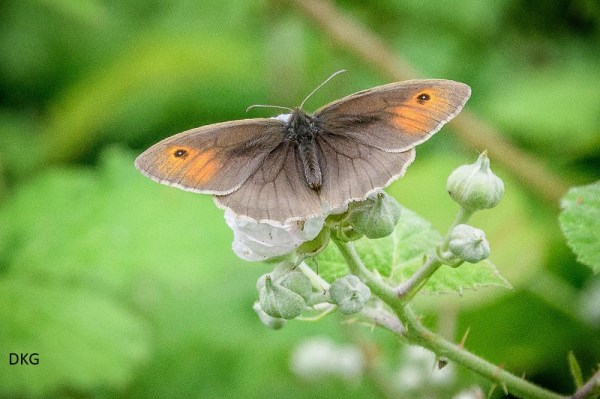
Mail from DKG
” Took these early this morning whilst the butterflies were still resting. A Gatekeeper and one other which may be a Meadow Brown or may not. There were so many of them in The Triangle near the picnic area.”
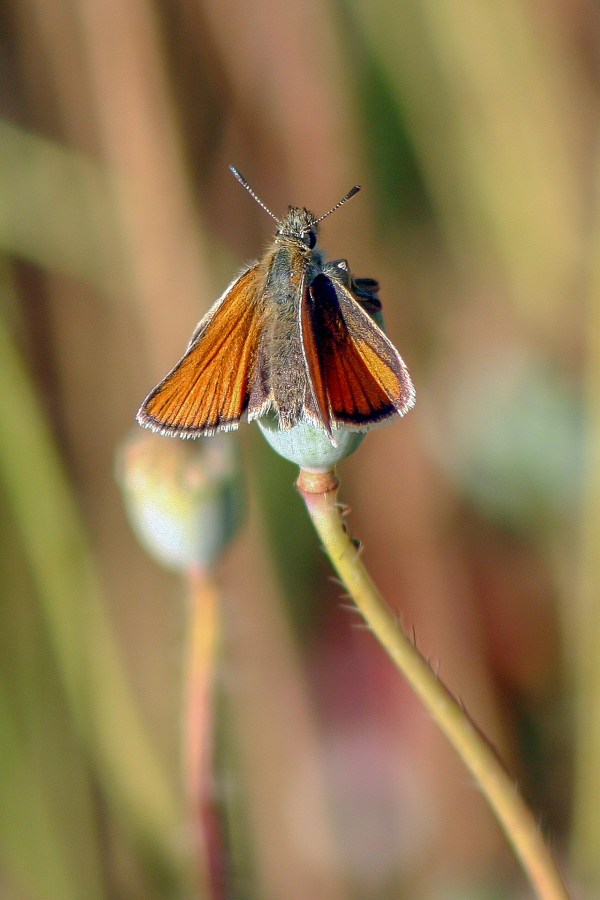
Continue reading “Mail from DKG”.….. and a small skipper (Thymelicus sylvestris), which is number sixteen on our list.
Image: Creative Commons
Three more butterflies for our 2019 list and two more peacock nests; things are finally looking better.
Continue readingPart two of Ian’s walk
After he had polished the mud off his glasses, Ian Bushell continued his survey of the park:
Read on hereHere is a fascinating little video of a peacock butterfly emerging from its chrysalis. We know that there are at least two nests of peacock caterpillars in the park so, by the end of July, we should see these beautiful adults.
A new species seen in the park on two occasions last week: A cereal leaf beetle (Oulema melanopus) spotted, identified and photographed by Ian Bushell.
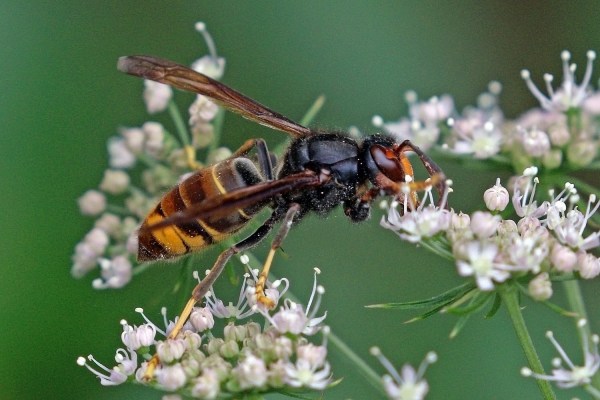
Continue readingAsian hornets
Click here for facts rather than tabloid fictionsAsian hornet warning: Hundreds of killer insects set to plague the UK this summer
Daily Express
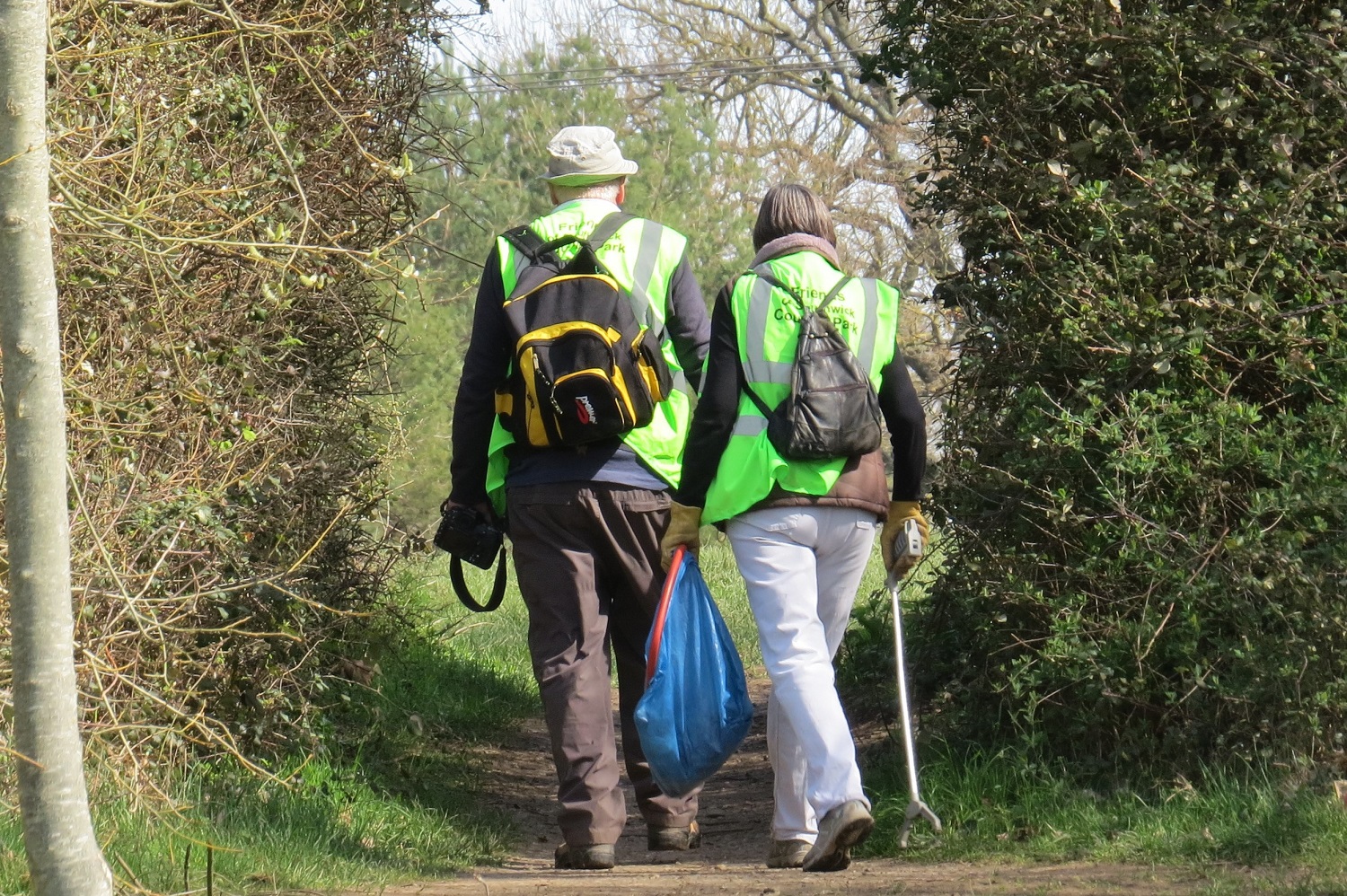
A buff tailed bumble bee collecting nectar from hogweed at Puddle Corner while, in the background, the Friends of the Park clear a fallen willow from the path.

Nettle bed safari
If you look closely enough, you can see that the nettles are beginning to flower. If you look even closer you will find a whole miniature ecosystem living in the nettle bed: sap suckers, nectar feeders, predators and terrifying creatures that hunt the predators.
Read onMeadow brown
Lots of meadow browns yesterday morning among the long grass. Added to our 2019 butterfly list, they are the eleventh species of butterfly seen in the park this year.
Continue reading “Meadow brown”Another new species
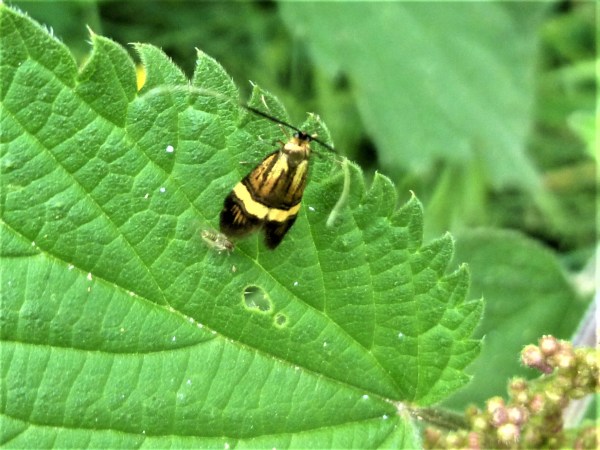
A yellow-barred longhorn moth (Nemophora degeerella) found and photographed in the nettles near the park’s main entrance by Ian Bushell. It is a new addition to our species lists.
Continue reading “Another new species”Painted lady
A painted lady (Vanessa cardui) spotted this morning at the far end of Lambrok Meadow and added to our 2019 butterfly list.
UPDATE 13.06.2019: THIS IS A NEW SPECIES IN THE PARK.
Continue reading “Painted lady”Large skipper
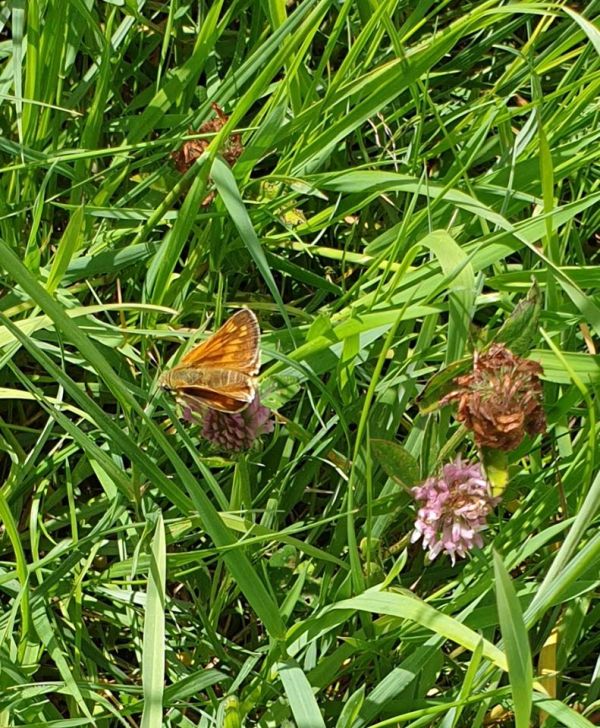
On Thursday, Lisa Burge sent us this picture and a message via Facebook:
” What type of butterfly is this please? Seen in Southwick Country Park.”
Continue reading “Large skipper”Queen wasp
A queen wasp (Vespula vulgaris) in the hedge in Sleepers Field.
Continue reading “Queen wasp”Froghoppers
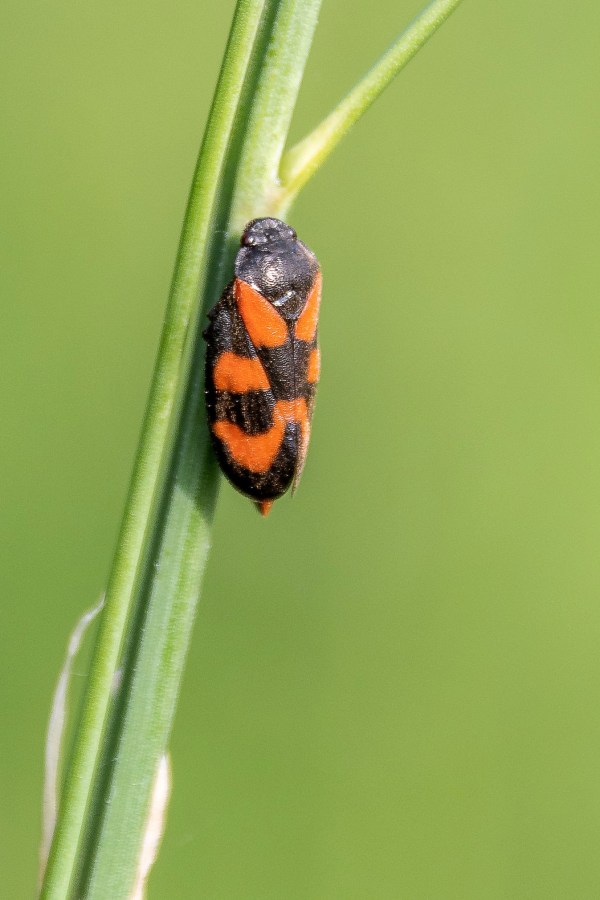
Red-and-black froghopper
This is a red-and-black froghopper (Cercopis vulnerata) photographed by DKG on Sunday morning in Village Green. There are ten different species of froghopper in the UK and while the red-and-black froghopper is not the most common, it is widespread.
Continue reading “Froghoppers”Common blue
A new species for our 2019 butterfly list: a common blue (Polyommatus icarus) identified and photographed on the next page by Ian Bushell.
Turn the page hereProbably a white tailed bumblebee worker (Bombus lucornum) in meadow buttercup; it is sometimes difficult to tell.
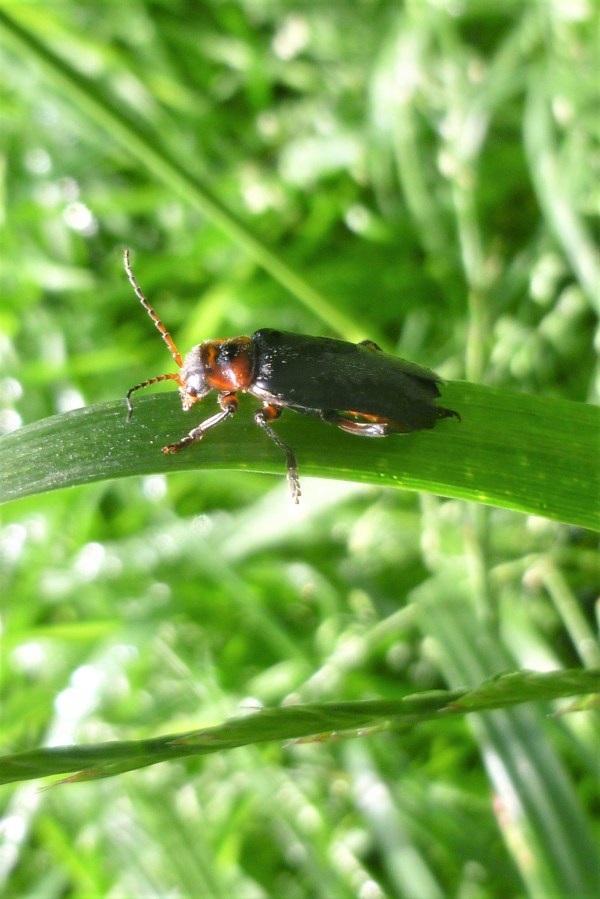
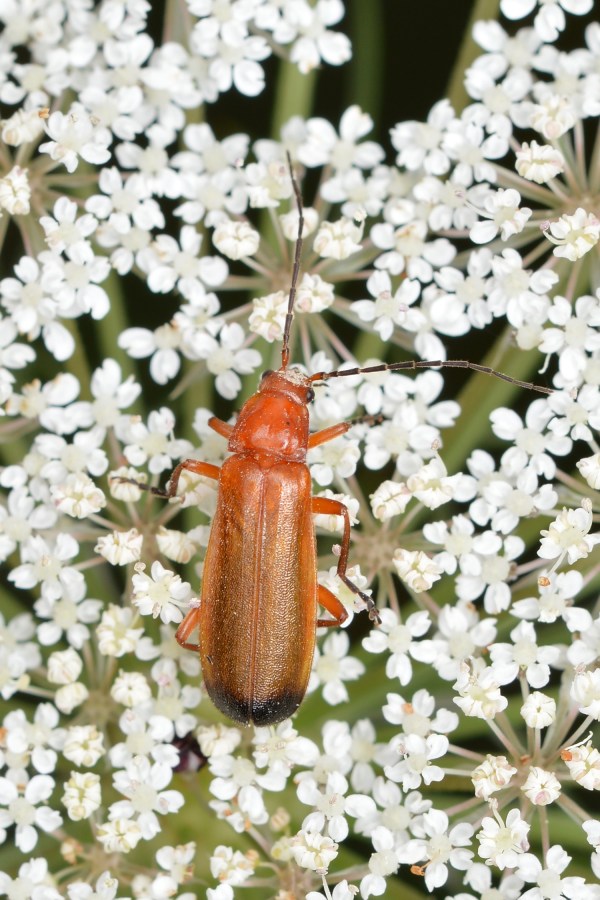
Continue readingThere are lots of common red soldier beetles (Rhagonycha fulva) around. Fortunately there are also lots of aphids, a favourite source of food.
Continue readingHow to feed your nestlings
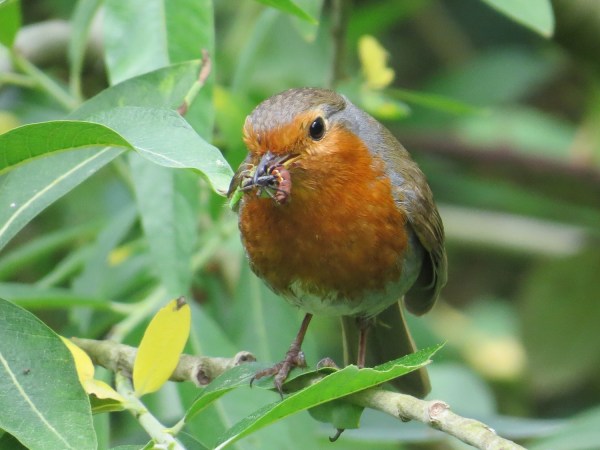
A robin in the willows by Fiveways; it has a mouthful of invertebrates for a nearby nest of hatchlings. It doesn’t want to reveal its nest site so is waiting quietly for the photographer to go away but in waiting, is providing an excellent view of its catch.
Read on for the gory detailsA bee on a bramble leaf, photographed by DKG on a hot May morning.
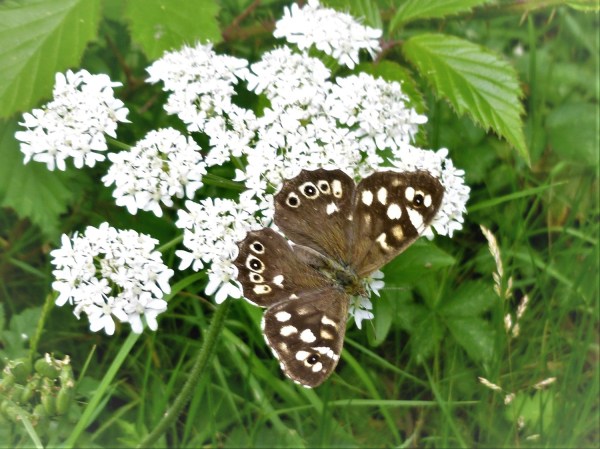
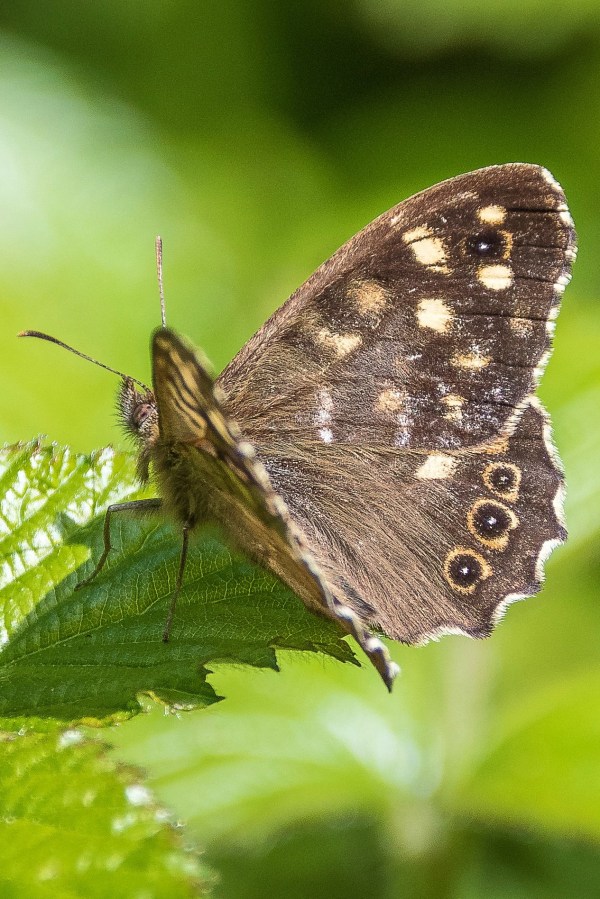
Continue readingThe complex surface of the wing of a speckled wood
(Pararge aegeria) photographed by DKG.
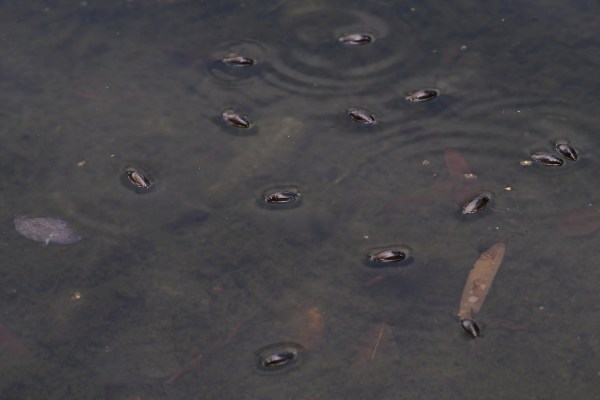
Whirligig beetles
Whirligig beetles are actually a whole family (Gyrinidae) of water beetles: almost 700 different species globally, most of them very much alike and extremely difficult to tell apart. We have no idea what particular species live in the pond above the wooden bridge but all the Gyridinae share some fascinating features.
Read on for details and a short videoPond skaters
Yesterday, there were pond skaters (Gerris lacustris) on the little pond under the wooden bridge.
Continue reading “Pond skaters”


![birdsfoot trefoil by Horia Varlen [CC BY 2.0]](https://southwickcountrypark.com/wp-content/uploads/2019/07/birdsfoot-trefoil-by-horia-varlen-cc-by-2.0.jpg?w=736)