Badger Timetable
What are our badgers doing in the middle of this damp and overcast November?
Continue reading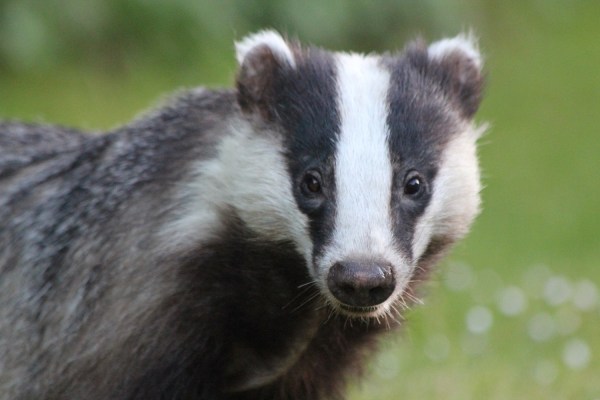
What are our badgers doing in the middle of this damp and overcast November?
Continue reading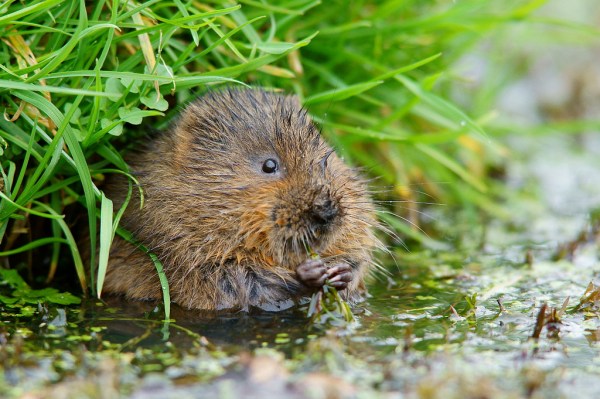
Here are some fascinating facts about water voles:
Continue reading “Ten water vole facts”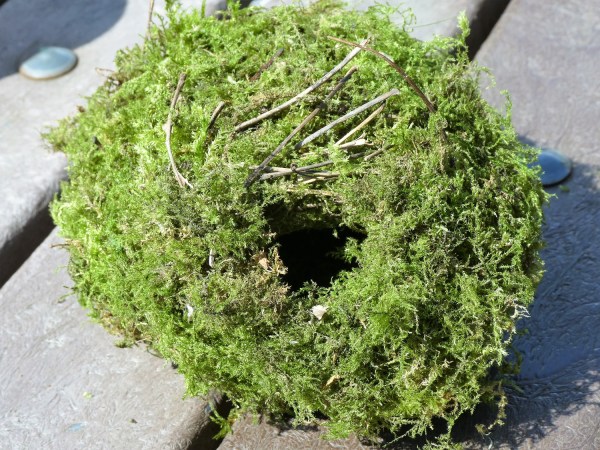
Sarah found a nest, just above ground level, among the blackthorn, close to all the hazel that runs downhill alongside the hedge between Kestrel Field and Cornfield. Does anybody know what makes a nest like this?
Continue reading “Who lives here?”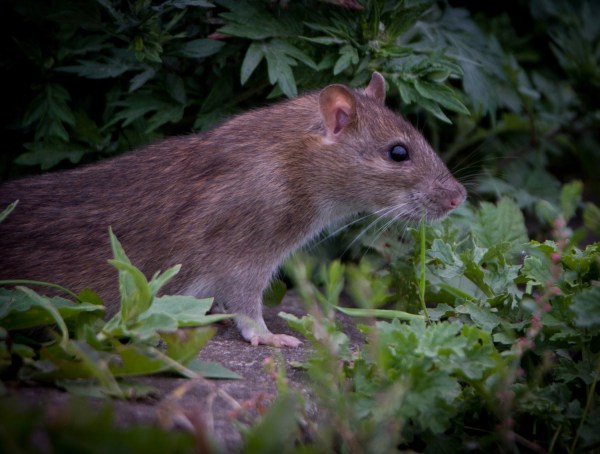
The brown rat (Rattus norvegicus) is an incredibly adaptable animal; it can be found almost anywhere in the UK, including our nature reserve. All it needs is shelter and food.
Continue reading “The brown rat”
The nature reserve’s rabbits are beginning their long and busy breeding season.
Continue reading “Rabbits”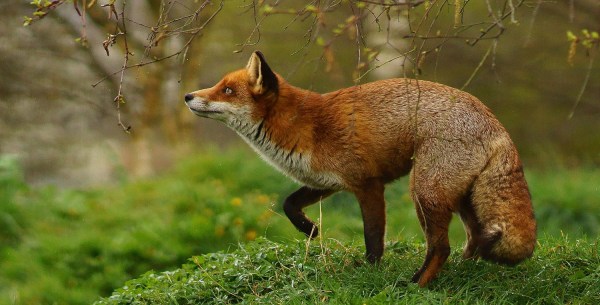
January is mid-mating season for foxes.
Continue reading “Fox”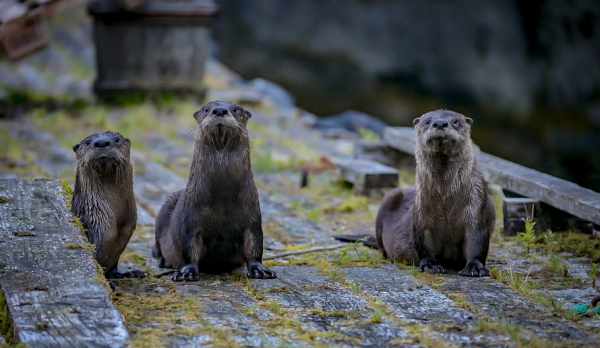
among mammals, otters have the thickest fur. In every square inch of a Eurasian otter’s skin, there are around half a million hairs. For comparison: the average dog has 15,000 hairs per square inch and the average human, only 1,000.


Though you may not have seen them, there are field voles all over the park. Here ten things you may not have known about them.
Continue reading
The picture is a cheat, taken from the internet’s public domain. We haven’t seen a mole in the park, only lots of recent molehills in The Arboretum.
Continue reading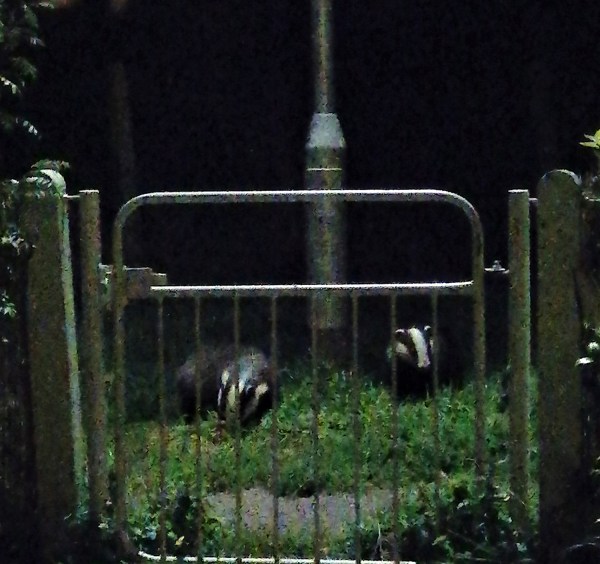
“I have photos of badgers eating below my bird feeding station which is on the edge of Southwick Country Park, by Lambrok stream. I thought people may like to see them. They’re not great quality but still nice. Cheers.“
Thanks Jude; brilliant picture!

There is a badger sett in the park, hidden away in the boundary hedges.
Continue reading “Badger”
The third, and last, of the short videos about the mammals that live underneath the park’s green fields:
Grass is very hard to digest and most of the animals that eat it have evolved complicated digestive systems to deal with it.
Continue reading
Foxes have scent glands on their feet to mark well-used trails so they can follow them easily at night.
Picture by Peter Trimming (CC BY 2.0) commons.wikimedia.org
January is mid-mating season for foxes.
Continue reading “Fox”
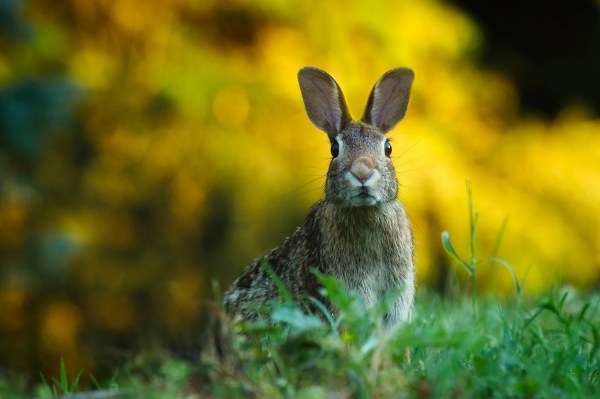
There are rabbits in the park.
Continue reading “Rabbits”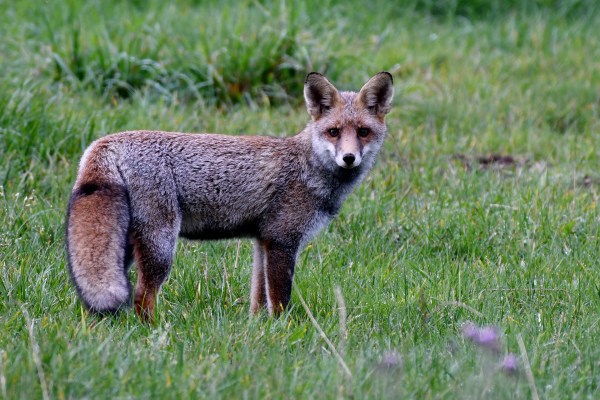
Vulpes vulpes, Britain’s only species of fox; in fact Britain’s only native member of the Canidae family.
Continue reading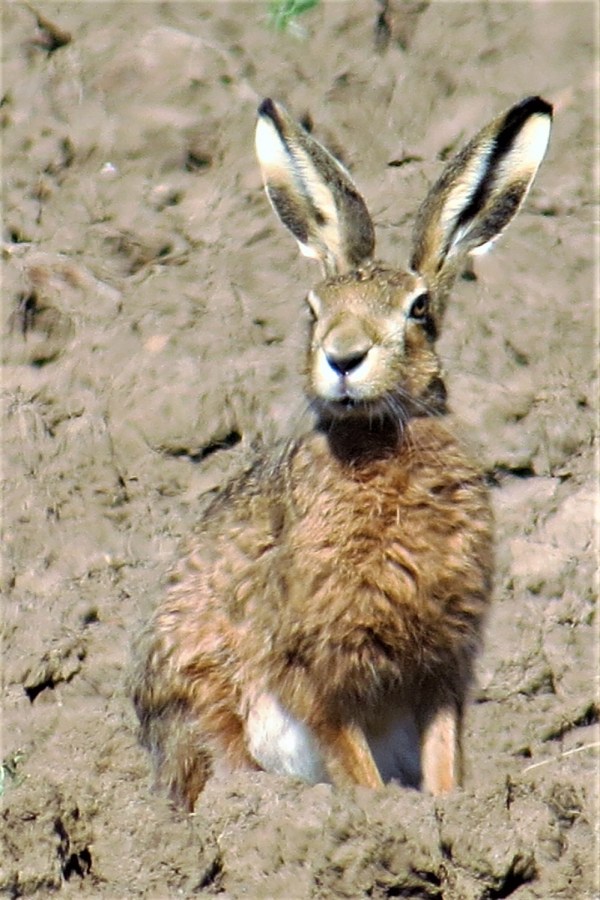
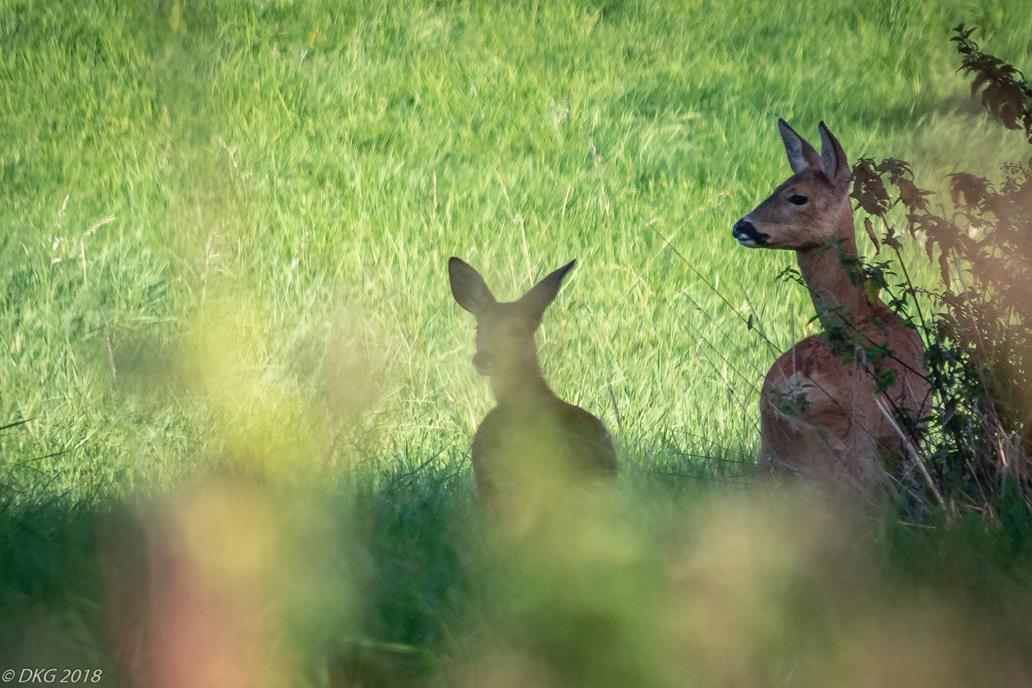
Some of the larger mammals on our species list are just passing through.




Here are some fascinating facts about water voles:
Continue reading “Ten water vole facts”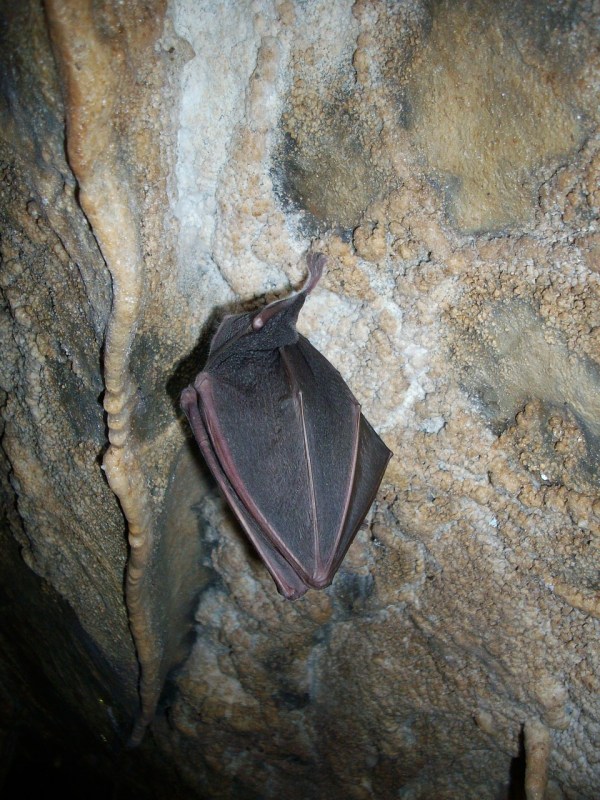
Ten numerical facts about bats:
Continue reading “Bat numbers”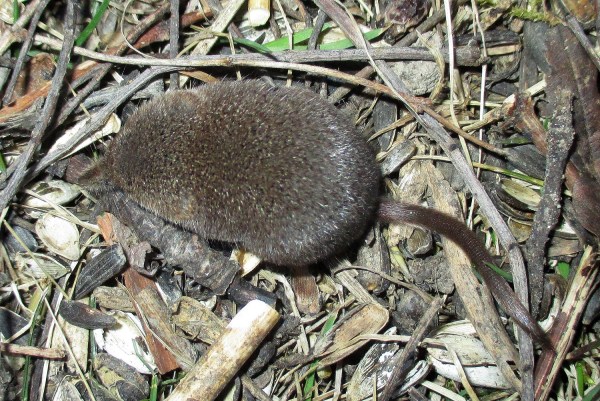
The smallest mammal in the world is the bumblebee bat but the Eurasian pygmy shrew (Sorex minutus), a park resident, comes a close second.
Continue reading “Pygmy shrew”
By Ali Rasey
Some of you have been on our bat walks over the last few years. We have heard (using bat detectors) and seen many different species of bats, including noctules, serotines, pipistrelles, Myotis species, and brown long-eared bats. There is also a record of a greater horseshoe bat (very exciting) – but we haven’t heard or seen that on our bat walks. The best time for us to see/hear bats I think is in August and September; at this time juveniles as well as the adults are flying, and sunset is earlier so the bats are out earlier in the evening.
Continue reading
There is a badger sett in the park, hidden away in the boundary hedges.
Continue reading “Badger”



 Southwick Country Park Nature Reserve