Click here to see pictures of the red-listed birds identified in the park
Red list birds


Birds of Conservation Concern Red List
According to the RSPB, there are 67 species of British birds now on the Birds of Conservation Concern Red List, more than ever before. The Red List are those birds that need urgent conservation action if their falling populations are to survive our environmental emergency.
Continue reading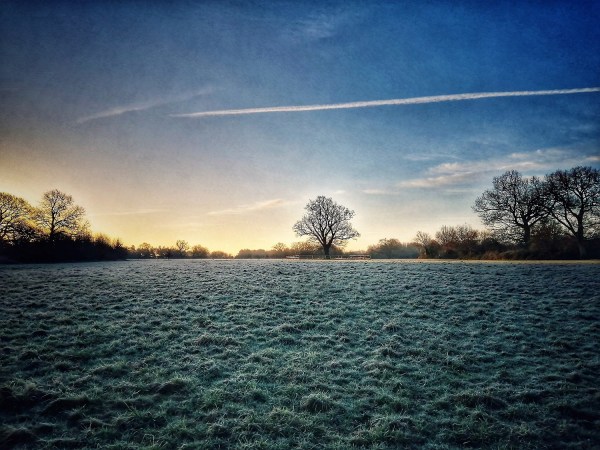
Diane Wheeler has sent us beautiful pictures of the park in yesterday’s early morning frost.

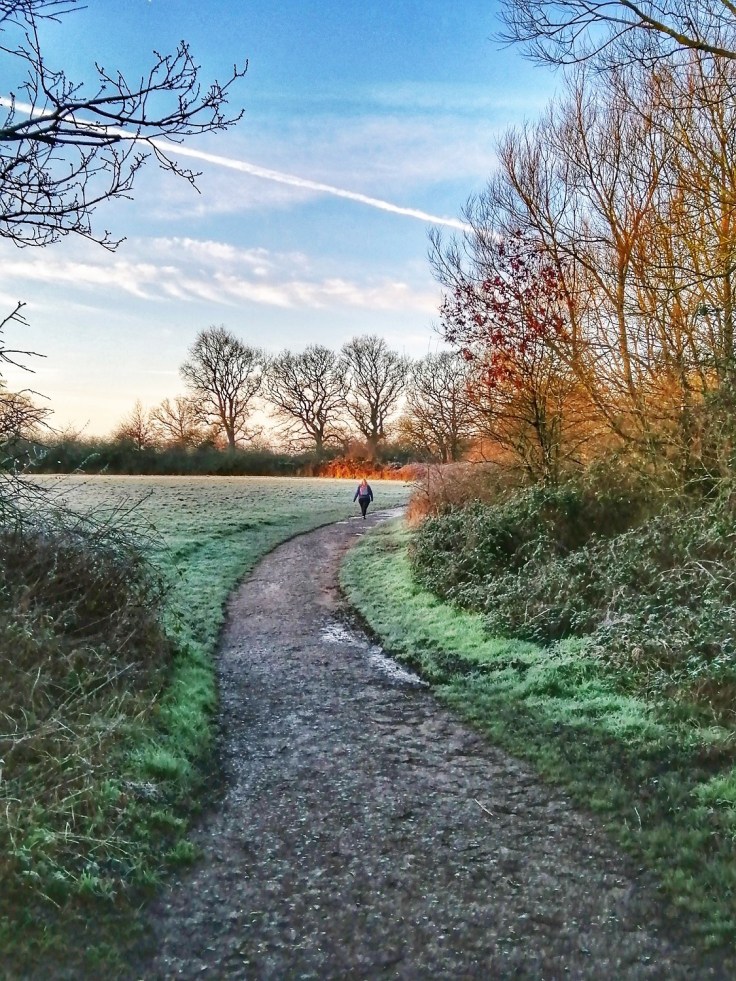
Thank you, Diane.

We know that a walk in the countryside is good for us. Physical activity in the fresh air, be it walking, running or conservation work, has been shown to improve our well-being; it can even be an aid in the treatment of mental illness. Some analysis suggests that such physical activity outdoors can reduce the physiological symptoms of stress.
Read onMessage from Alison – January 17, 2020 at 6:36pm
“Just to say what a great website! Bang up to date even though it is the middle of winter – with bullfinch sightings and sounds one might hear in January etc. My Mum is in a home in Trowbridge and I’ll be visiting her from Yorkshire soon so I’ve been looking around local websites for places we might go. So many give the message that yes you might like to visit but not now, wait until spring! – but not yours. Well done somebody!”

As always, the first flowers of the year are the hazel catkins: a familiar and friendly sign that spring is on its way.
Continue reading
There is a male bullfinch in the hawthorn hedge between Sleepers and Cornfield. He has been spotted on a couple of occasions this week.
Continue reading “Bullfinch”
We are too inclined to view floods negatively. We assess them in terms of the disruption they cause or the financial cost of repairing the damage they do to our property. But in natural ecosystems, such as our park, floods play an important role in maintaining biodiversity.
Continue reading
We usually write about the park but today we are branching out a good half-mile, as far away as the junction between Frome Road and Manor Road on the A361.
Continue reading “Blackbird singing in the dead of night”
Our quest to identify some of the many lichens that grow in the park continues with common orange lichen, Xanthoria parietina, also known as yellow scale or maritime sunburst lichen.
Continue reading “Common orange lichen”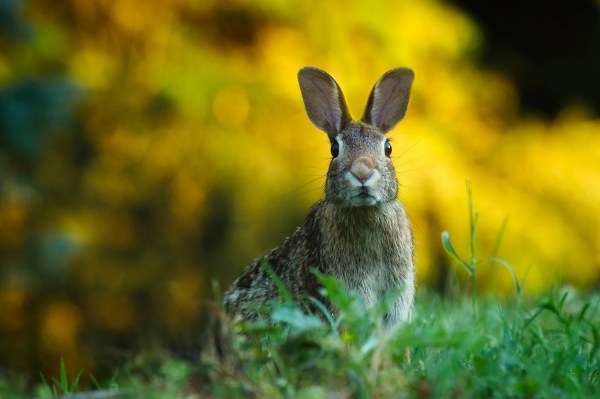
Grass is very hard to digest and most of the animals that eat it have evolved complicated digestive systems to deal with it.
Continue reading
Foxes have scent glands on their feet to mark well-used trails so they can follow them easily at night.
Picture by Peter Trimming (CC BY 2.0) commons.wikimedia.org

by Suzanne Humphries
Last year, 2019, was the 11th warmest year on record in the UK, which doesn’t sound too bad until you realise that all the other ten have occurred since 2002.
Continue reading “Record temperatures in 2019”
Staghorn lichen (Evernia prunastri), also called oakmoss, is common and widespread in deciduous woodlands. This example was found in the park by Ian, on low growing oak branches. It is very sensitive to air pollution and is an indicator of good air quality.
Continue reading “Staghorn Lichen”
Buddy, a handsome and very energetic springer spaniel, one of our volunteers, who regularly brings his human, Louise, to FoSCP work parties. Thank you Buddy .
Another of the park’s canine fans:
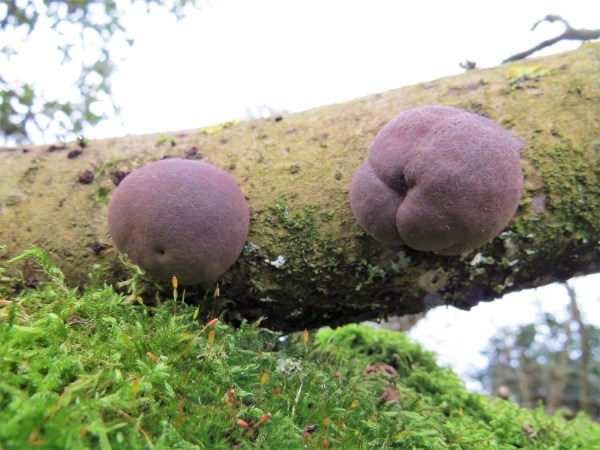
Daldinia concentrica: known as King Alfred’s cakes or coal fungus grows on the park’s trees, in this case on a dead ash tree.
Read more
Tomorrow will be the second Wednesday of the month and FoSCP’s first work party of the year. Come and join us; come and help us look after the park and its wildlife.
The Met Office says it will be cold, there is always a chance of rain and we know it will be muddy but the company is good, the conversation enlightening and there will be coffee and biscuits at half time. We meet at 9.30am in the car park, wellied and waterproofed, and we work until midday. New volunteers will be very welcome.

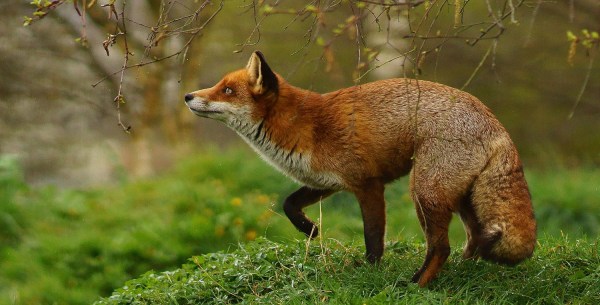
January is mid-mating season for foxes.
Continue reading “Fox”
We pick up plastic trash around the park almost every day. Plastic is an environmental problem that we must take seriously; here is a video made by the UN that clearly explains the extent of the problem.

There are rabbits in the park.
Continue reading “Rabbits”Keys were found in the park yesterday.
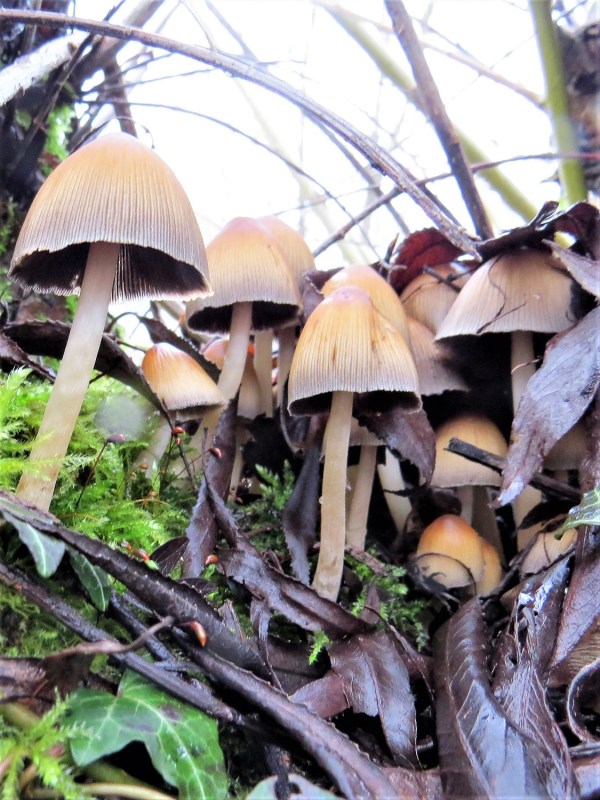
We have been more successful in 2019 at identifying some of the enormous number of fungi that grow in the park. We were able to add five new species to our rather sparse fungi list.


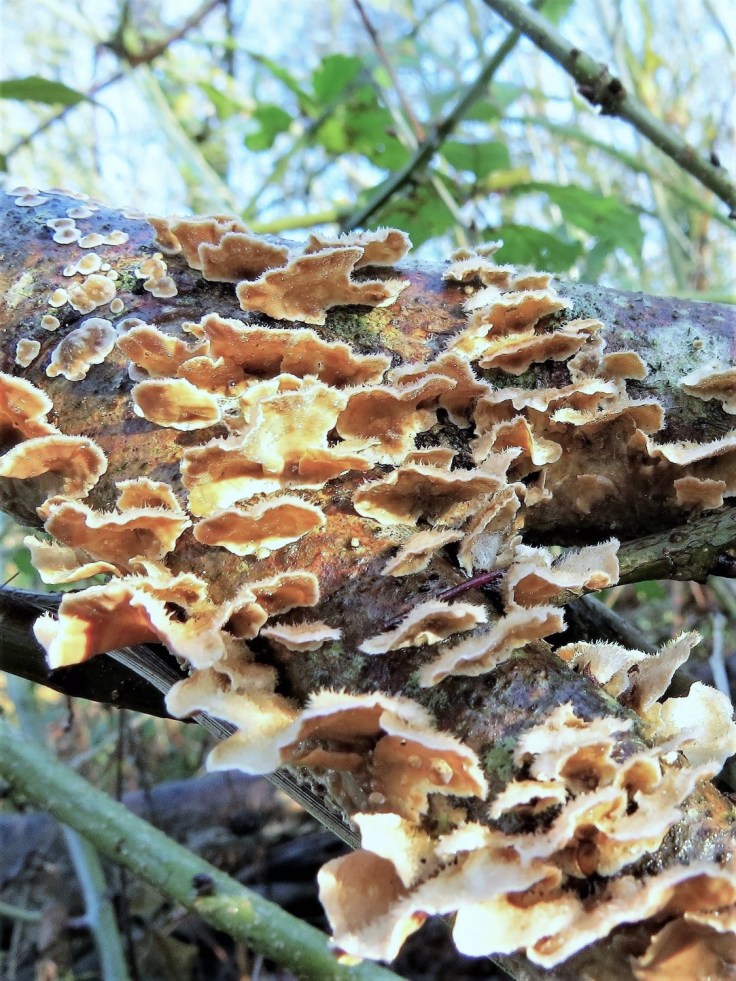

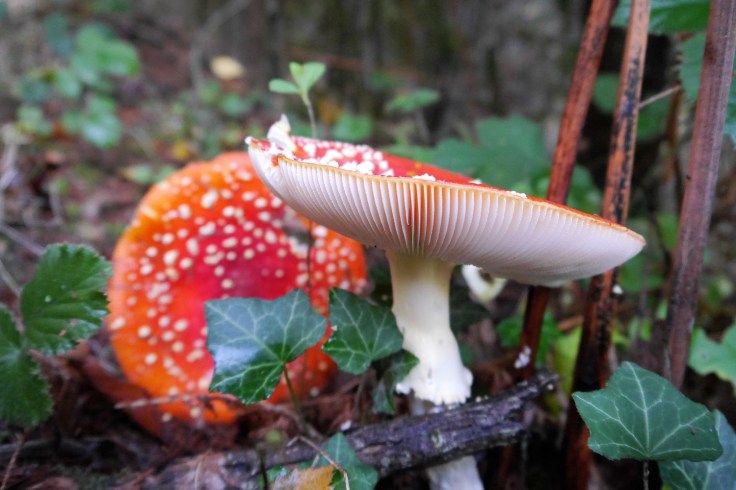
1.Hypholoma fasciculare Sulphur Tuft
2. Xylaria hypoxylon Candle snuff
3.Trametes hirsuta Hairy bracket fungus
4. Fuligo septica Dog’s vomit slime mould
5. Amanita muscaria Fly Agaric
Header picture – one of the many species we have been unable to identify.

Background. The following programme of actions was taken as an outcome of the review of the park on 27th January 2013 by the Wiltshire Countryside Team and Friends of Southwick Country Park. It is intended that this is a living document: a record of previous projects and tasks conducted, and an update of works carried out during 2019, a review of the park in general, and suggestions for possible future progress.
Continue reading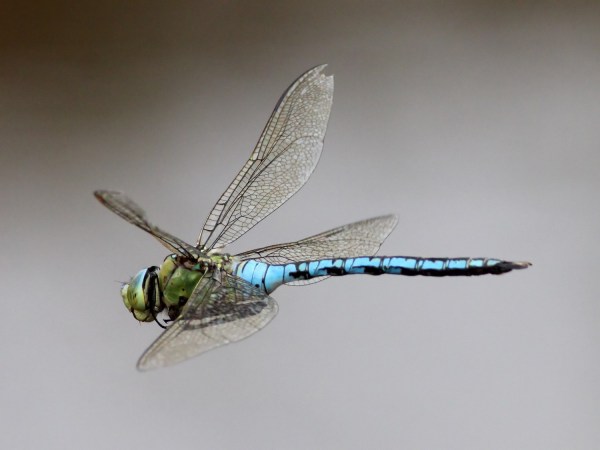
We have added three species of Odonata (dragonflies and damselflies) to our species lists this year. They have raised our total to a round dozen.
Continue reading “2019 review – part 4”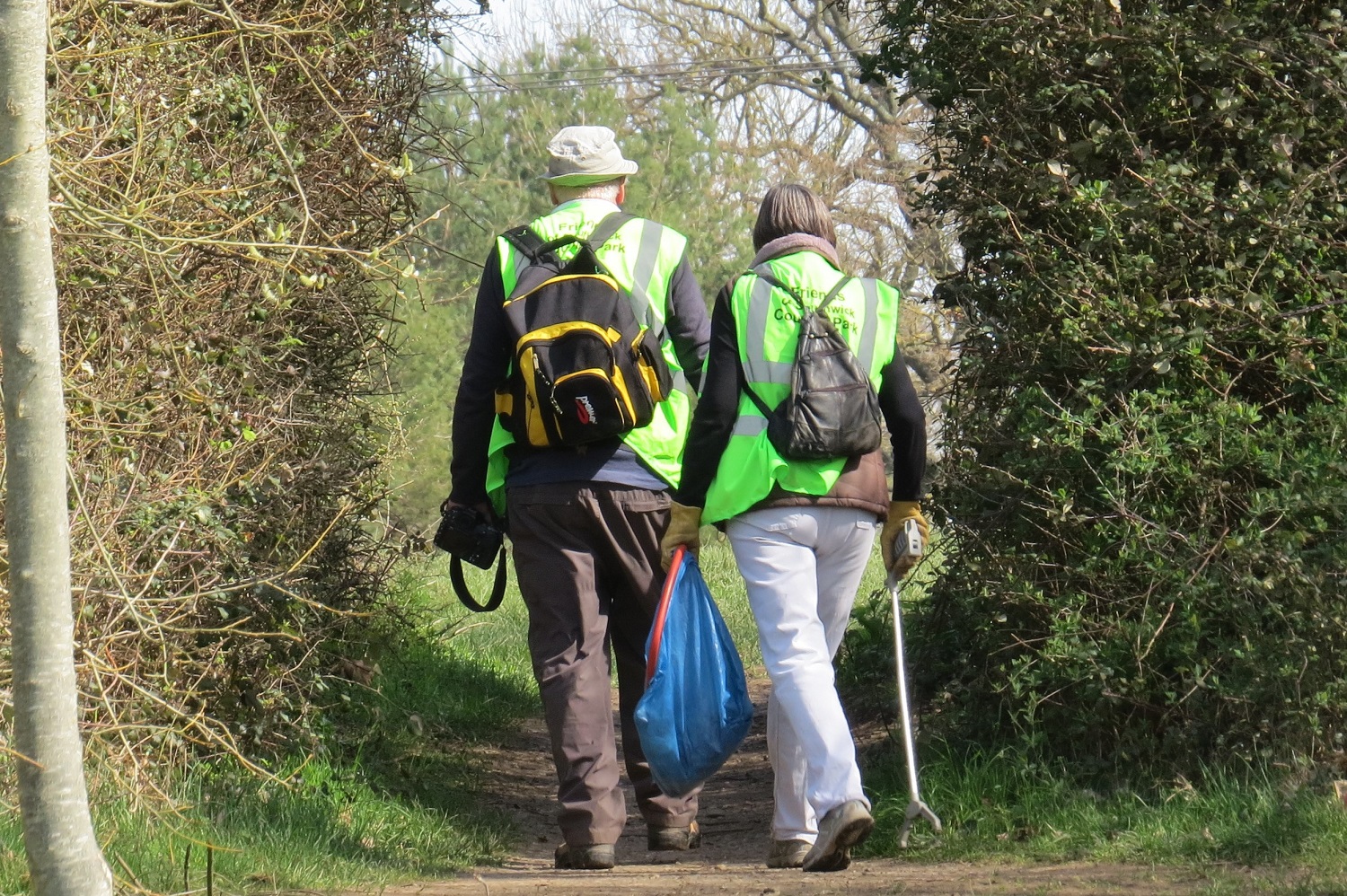



 Southwick Country Park Nature Reserve