Natural Climate Solutions?
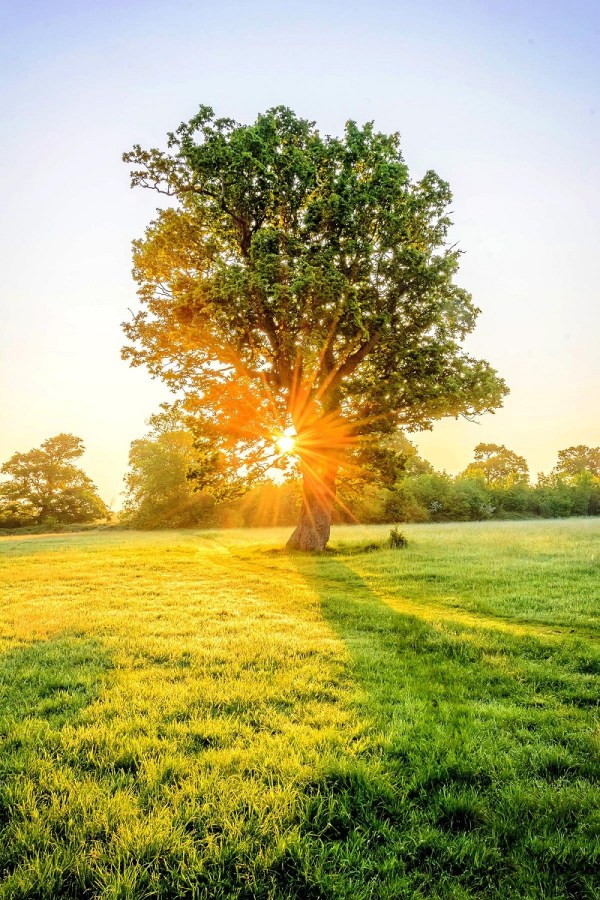

Equinox means equal night, and today, the 23rd of September, there will be equal amounts of darkness and daylight all over the World.
Continue reading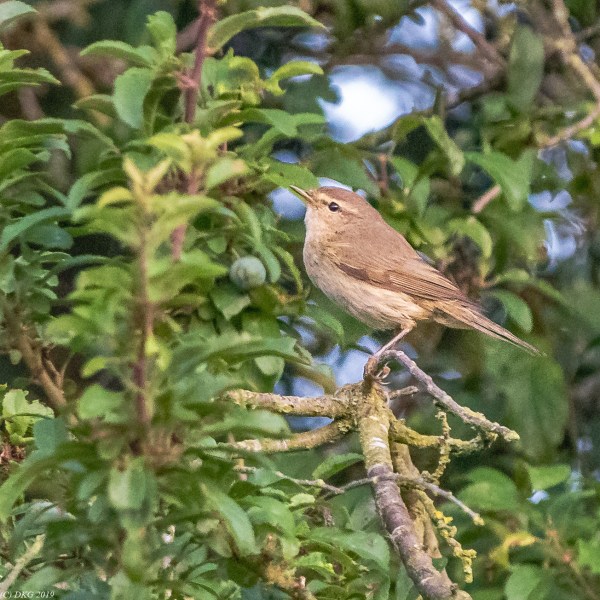
All our willow warblers will have left by now; they are on their way to sub-Saharan Africa where they will spend their winter. Theirs is the longest journey undertaken by any of the park’s migratory birds. Why do such tiny birds fly so far and take such risks to do it?
Continue reading “Willow warbler migration”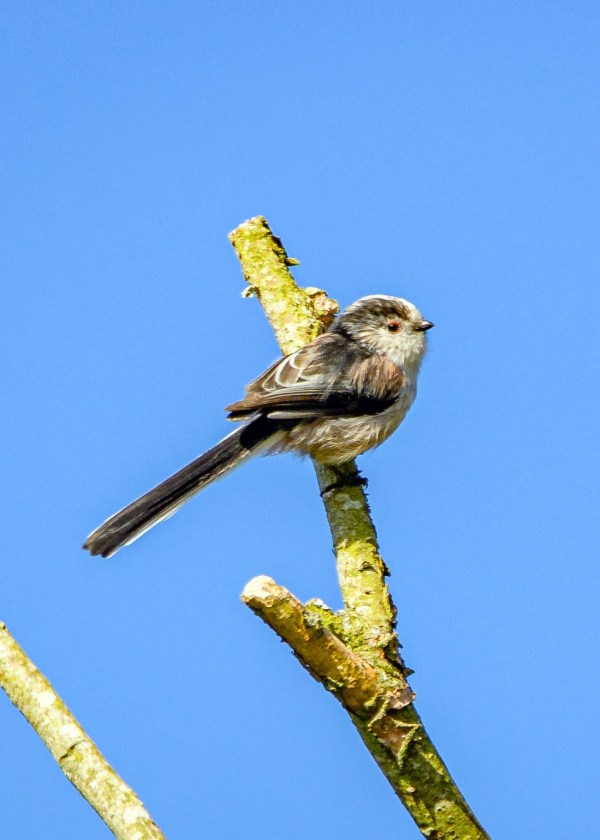
Long-tailed tits, Aegithalos caudatus, form small, excitable flocks at this time of year of up to twenty individuals.
Continue reading “Long tailed tit”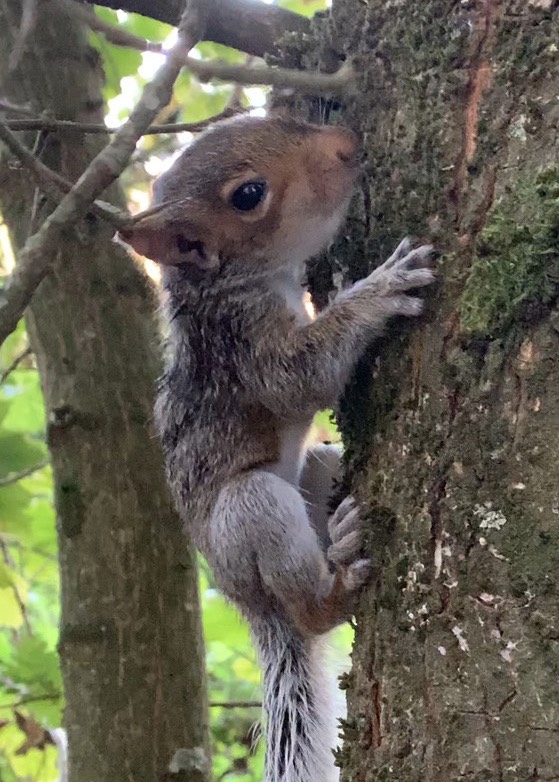
Dear FoSCP,
Thought you’d like these photos of a juvenile squirrel discovered in the park yesterday. I think it was probably ground feeding as there were no signs of injury and he scampered up the nearest tree after a brief look around! Lovely little chap 😊
Kind regards
Simon Handley


Pictures by Simon Handley
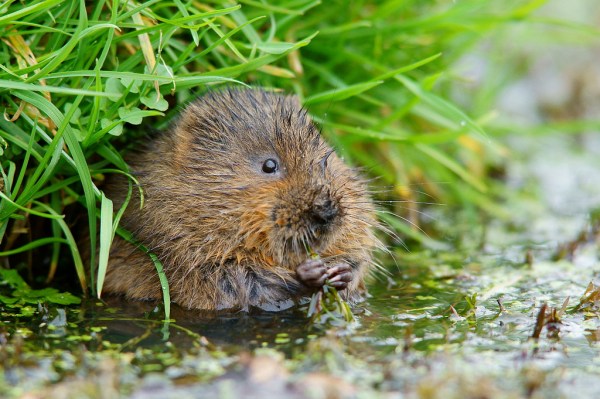
If you regularly walk near the Lambrok or any of its tributary streams, keep a lookout for water voles. They are an important protected species and any planned development along the stream will need to take their presence into account.
Continue reading “Water voles”
More about WHSAP’s Further Main Modifications
On page 20 of the Schedule of Further Main Modifications (which you can find on the WHSAP Examination page, under Consultation Documents), FMM 25 proposes that at the Church Lane site, H2.4:
[t]he Lambrok Stream should be enhanced as a local amenity feature of the site in conjunction with development proposed at Southwick Court and Upper Studley
Continue reading “Local Amenity Feature”
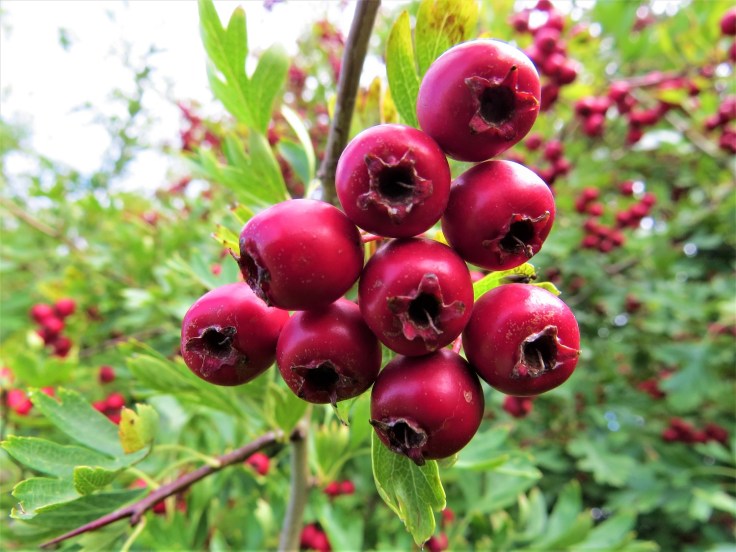
Hawthorn is an important winter food source for birds; they’re the favourite berry of blackbirds, redwings and fieldfares and are enjoyed by many other of the park’s species, including chaffinches, starlings and greenfinches.
Haws are edible though they are said to taste like overripe apples. Traditionally they were used to make jellies, wines and ketchup. They are such a prolific crop, so pretty and nearly always within reach; sometimes it seems a shame that we don’t make better use of them.
Let’s leave them to the birds: an autumnal bonanza.
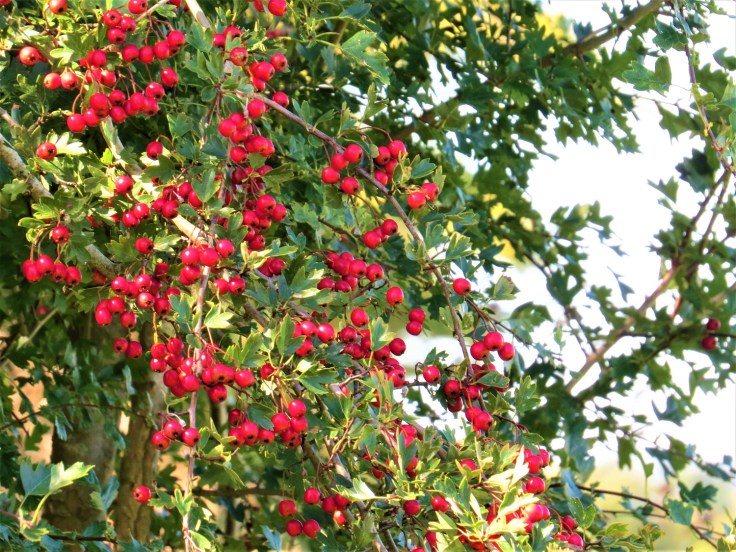
Another autumnal bonanza:

At last! Wiltshire Council has added the requirement that the WHSAP sites bordering Lambrok Stream at Church Lane (H2.4), Upper Studley (H2.5) and Southwick Court (H2.6), should be treated as a single ecological unit.
Continue reading “Planning for our water voles”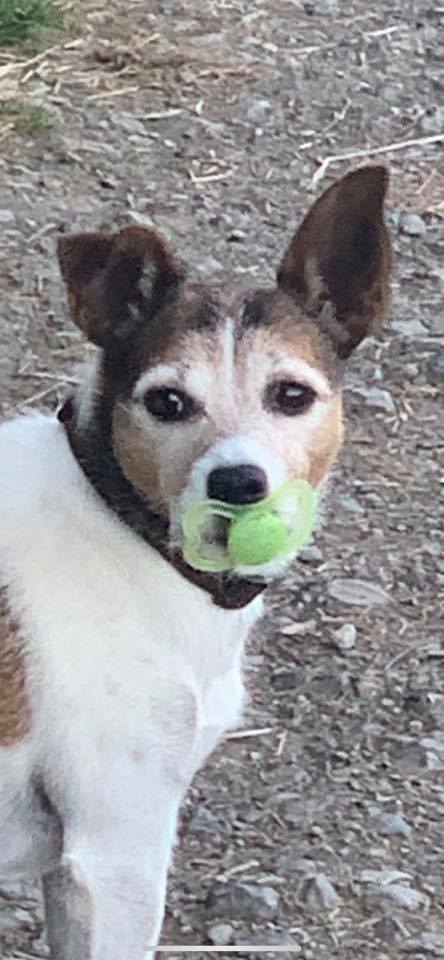
“If anyone has lost their baby’s dummy down the park today, I apologise. My big baby Mollie found it and sucked it nearly the whole way around.”
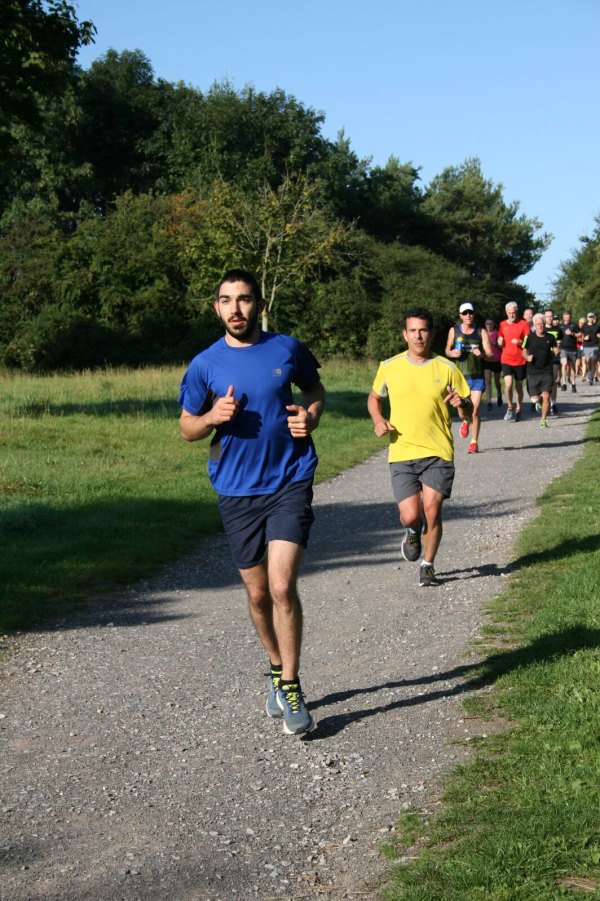
THE FRIENDS OF SOUTHWICK COUNTRY PARK met up for our normal last Tuesday of the month day on the 27th August. Richard from the council was in charge of our band of volunteers.
Continue reading “Cutting back for parkrun”
The FoSCP met up on Wednesday in the car park at 09:30 for the day’s tasks with Countryside Officer Alison. A dry start made a change and thankfully this was how it remained for the morning, although a shower or two had been forecast.
Continue reading “Another Wednesday Workparty”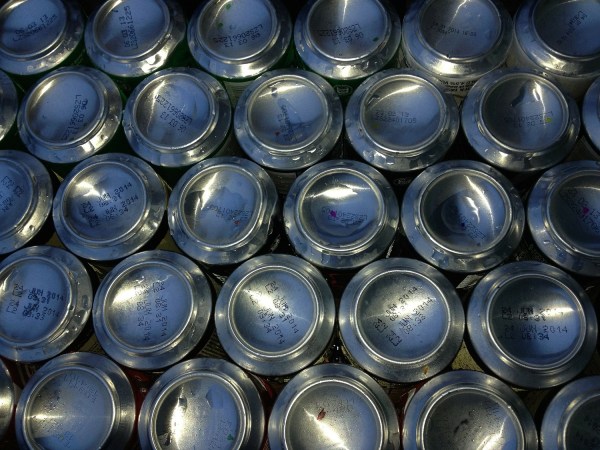
Our thanks to the kind lady who brought aluminium cans for us on Wednesday.
help Sarah and Alan collect aluminium cans

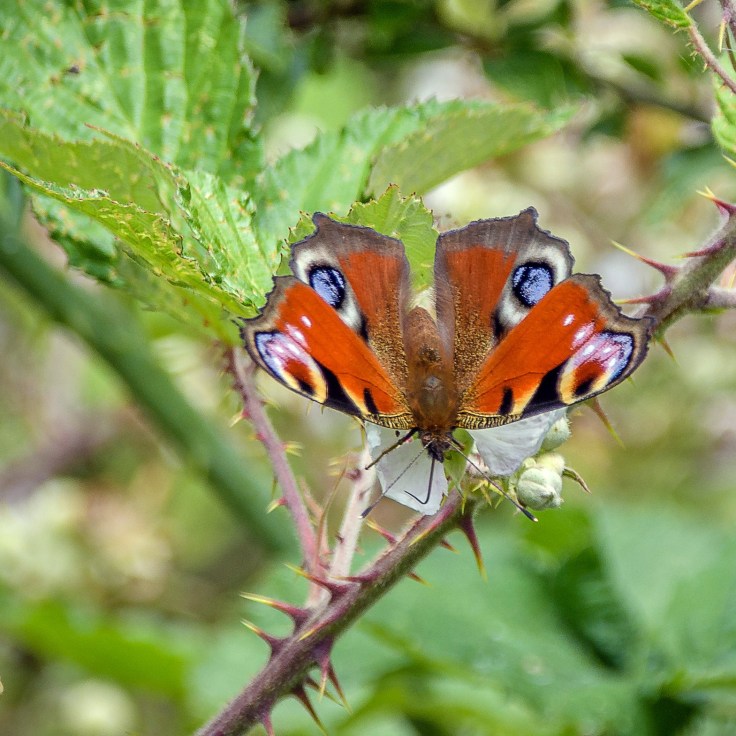
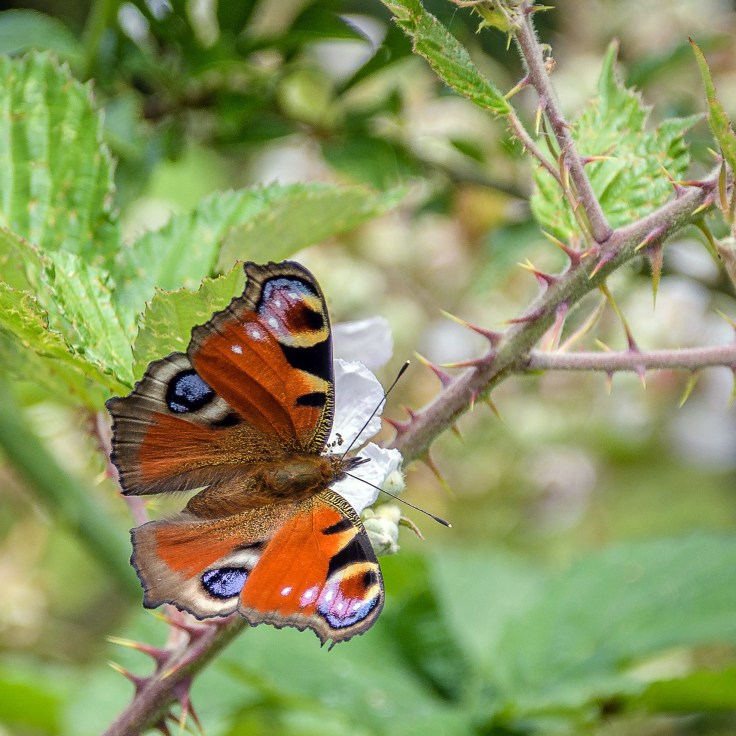

Pictures of a peacock butterfly taken by DKG during the summer.

Yesterday, Wiltshire Council published A Schedule of Further Main Modifications to its Housing Site Allocation Plan (WHSAP).
Continue reading “Main Modifications to WHSAP”
Usually we would welcome predators into the park; they are a sign of a healthy ecology. We have resident stoats and weasels, foxes and badgers and are happy to know that the park can support them. Domestic cats, like this one that DKG photographed early in the morning in the woods in Village Green, are very different.
Continue reading “Cats”
A nursery web spider (Pisaura mirabilis) photographed in the park by DKG on a dewy Sunday morning.
Continue reading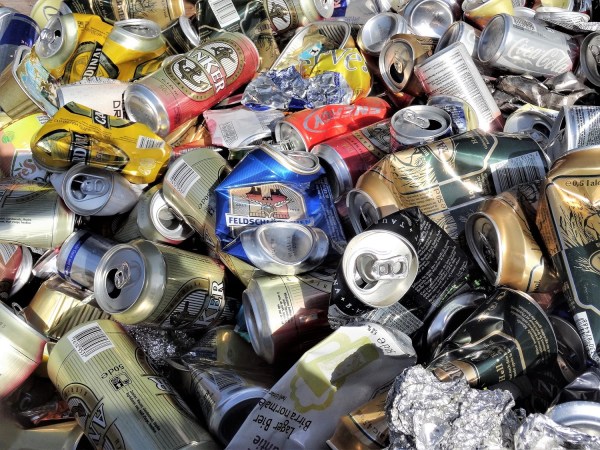
by Sarah Marsh
Always looking for new ways to raise funds, the Friends have found that some of the litter collected around the Park can be turned into cash.
Continue reading “CASH FOR TRASH”
This is a drone fly (Eristalis tenax), named for its mimicry of a male honeybee.
Continue reading
by Barbara Johnson
A Neighbourhood Plan is able to put forward sites for future housing development. As part of Southwick’s Neighbourhood Planning process, we have to review sites in Southwick that have been included on Wiltshire Council’s Strategic Housing and Economic Land Availability Assessment (SHELAA) map, plus any other sites that come forward. Collectively, it is known as a ‘Call for Sites’.
Continue reading “Impact of Housing Development on the Lambrok”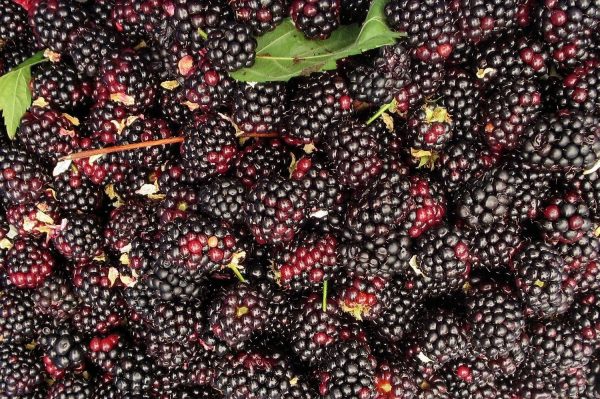
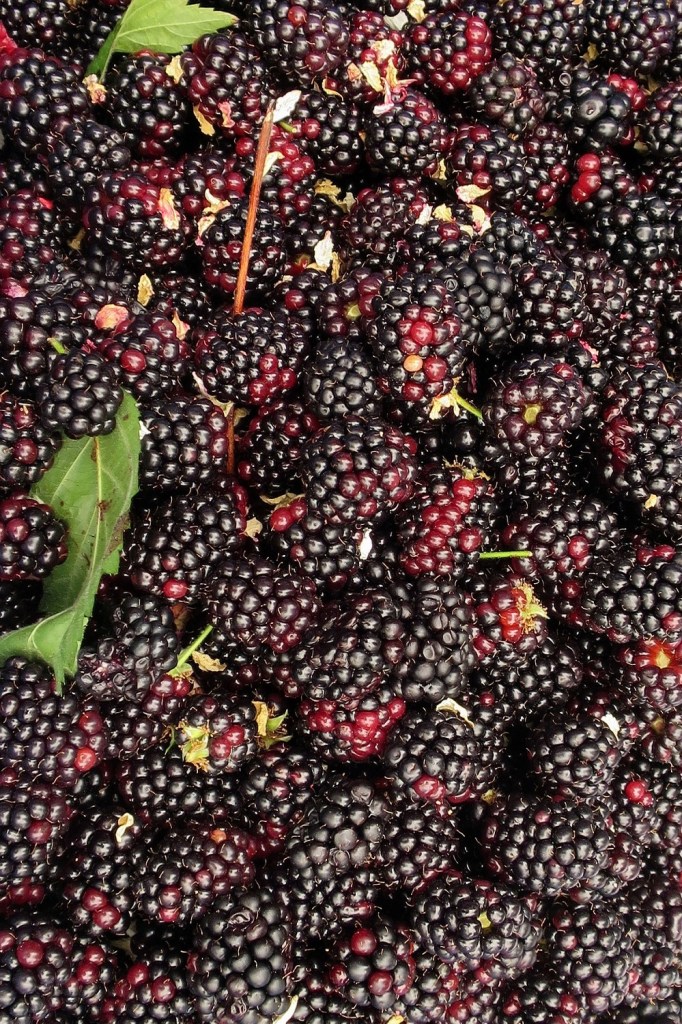
The park is full of ripening blackberries, all free from the contaminants of vehicle exhaust. Here is a recipe for blackberry and apple jam.
Continue reading “Blackberry and apple jam”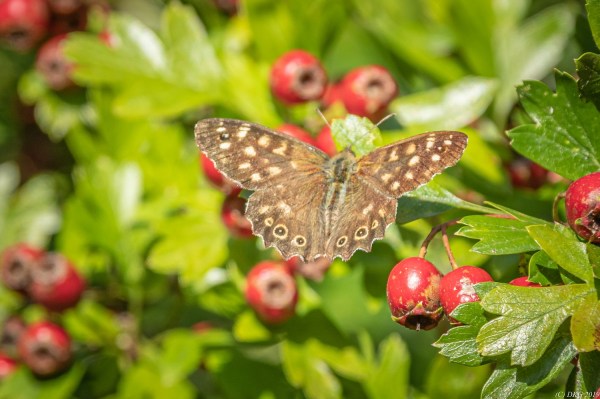
A speckled wood (Pararge aegeriais) on hawthorn berries photographed last weekend by DKG.
Continue reading “Speckled wood”
Yesterday’s picture of an artichoke gall among oak tree leaves produced questions and enquiries from our readers via Messenger, Facebook and our website’s below-the-line comments column. Here is more information about oak gall wasps.
Continue reading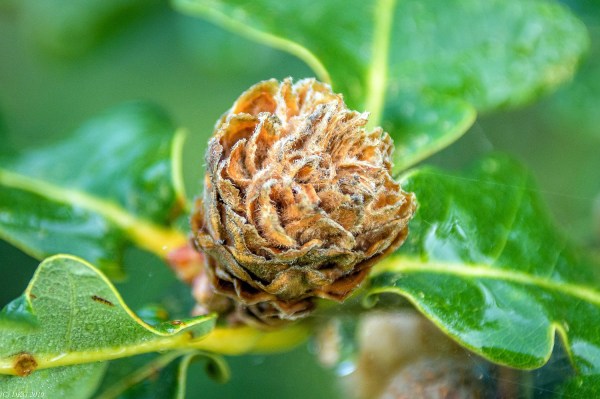
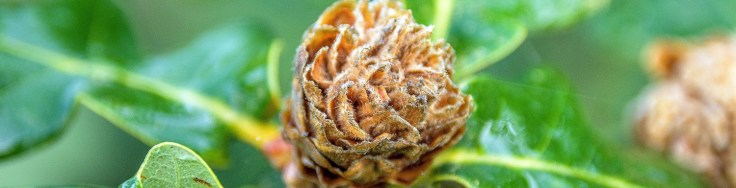
An artichoke gall on an oak tree photographed by DKG last week. The artichoke gall wasp (Andricus foecundatrix) lays its eggs in the leaf buds of an oak tree; the egg and the growing larva produce chemicals that force the tree’s extraordinary outgrowth.
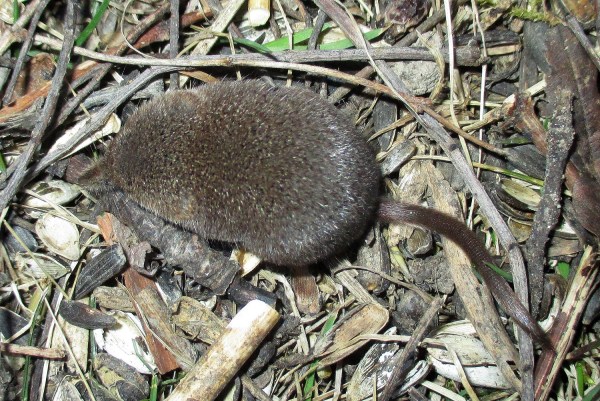
The smallest mammal in the world is the bumblebee bat but the Eurasian pygmy shrew (Sorex minutus), a park resident, comes a close second.
Continue reading “Pygmy shrew”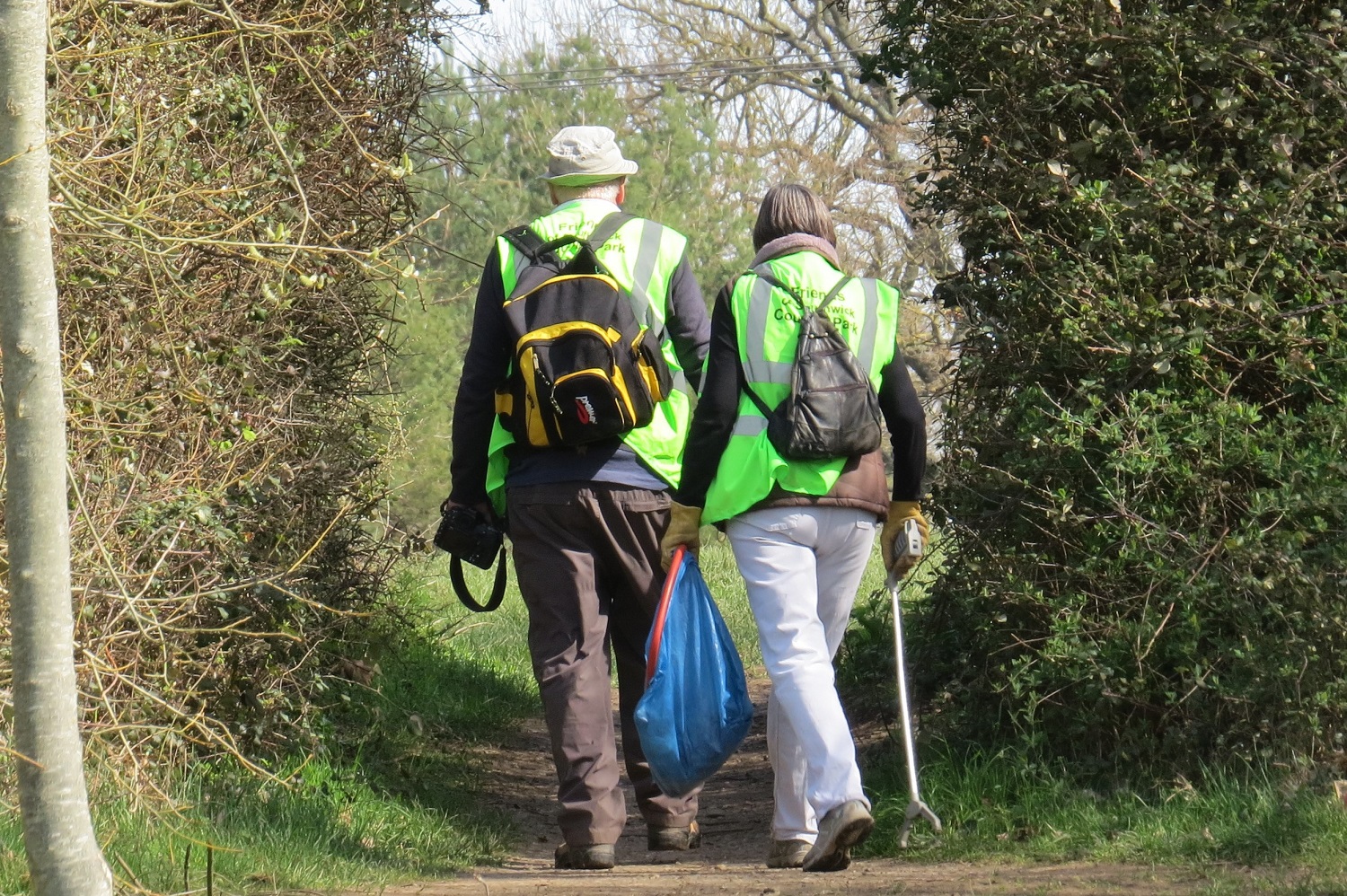


 Southwick Country Park Nature Reserve