A message from a park user:

” Hi, I was walking back Friday evening when I saw the teenagers that were doing it. There was a group of mixed aged teenagers 2 boys were destroying the one side and another 2 trying to jump on the south side. They had a cable tied to the panels and tried pulling them off with their push bike. They stopped when I started to approach them. I rang 101 and the police came straight out and went to inspect. The police saw them and they ran off. I gave a statement that night but unfortunately no body was caught.”

Thanks; our community police will probably know who they are. Lets hope we can put a stop to this.

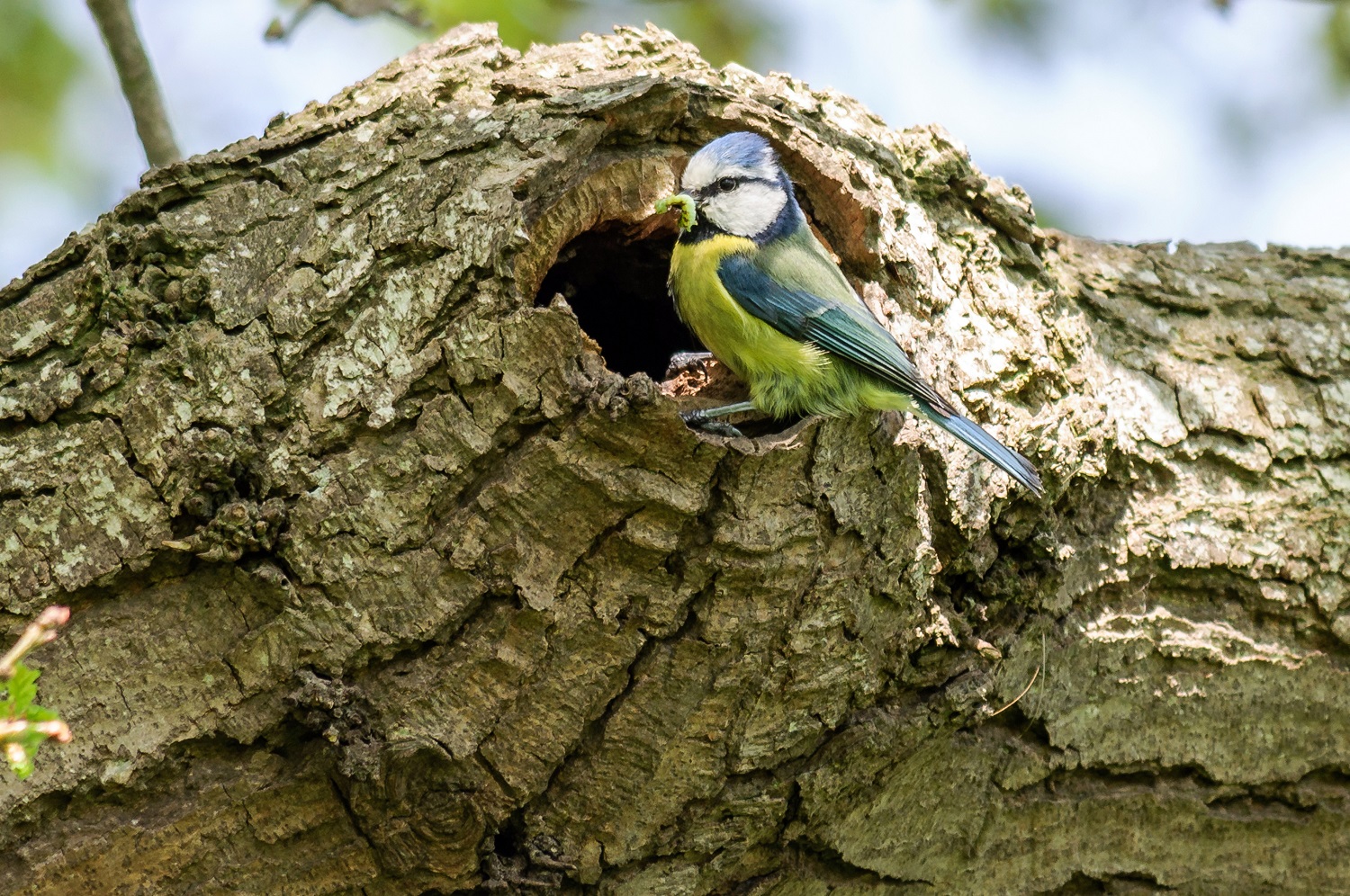
2016’s blue tit nest

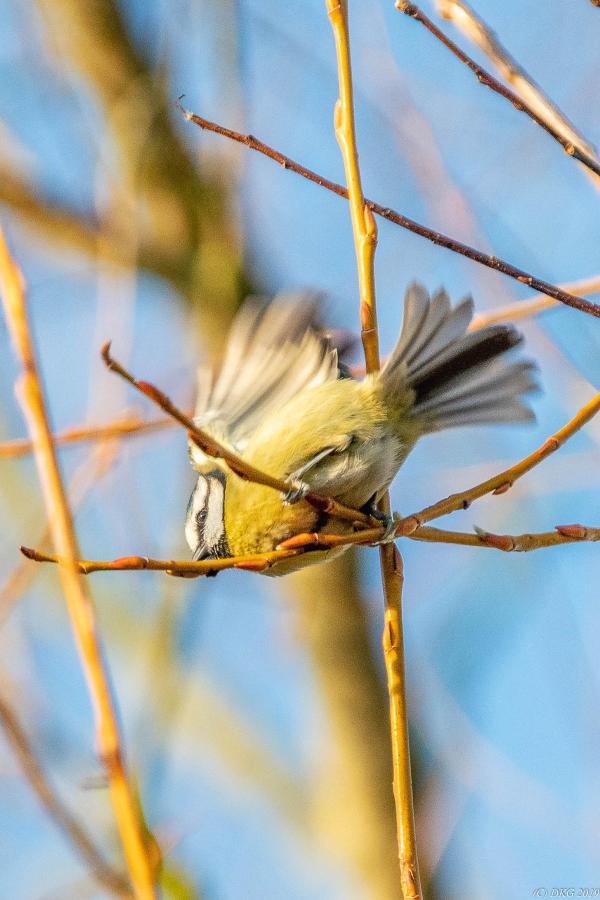
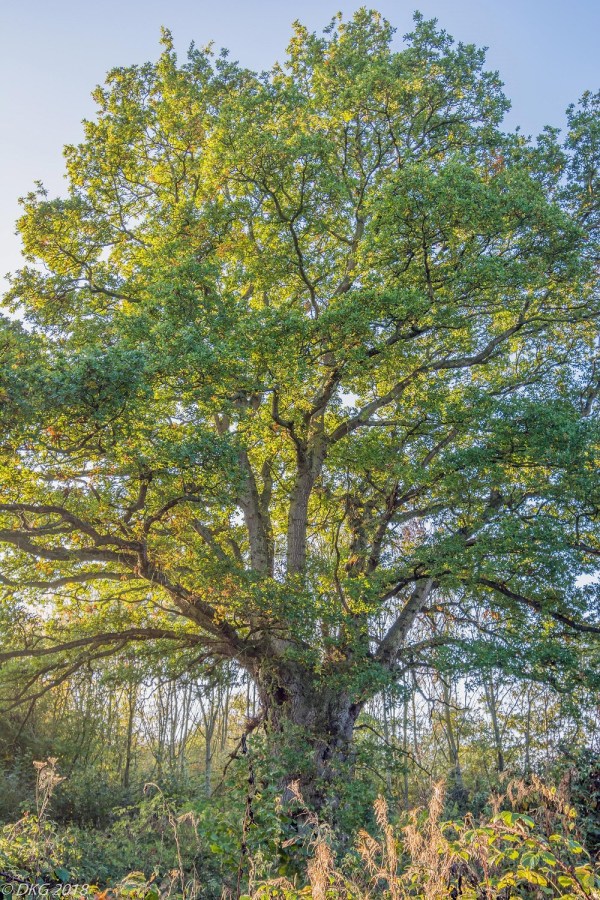
While our female blue tit incubates her eggs and the male visits to feed her, here is a look back to 2016 when DKG staked out another nest in a different oak tree.


All the pictures are by DKG

Below is the full story of this year’s nest:

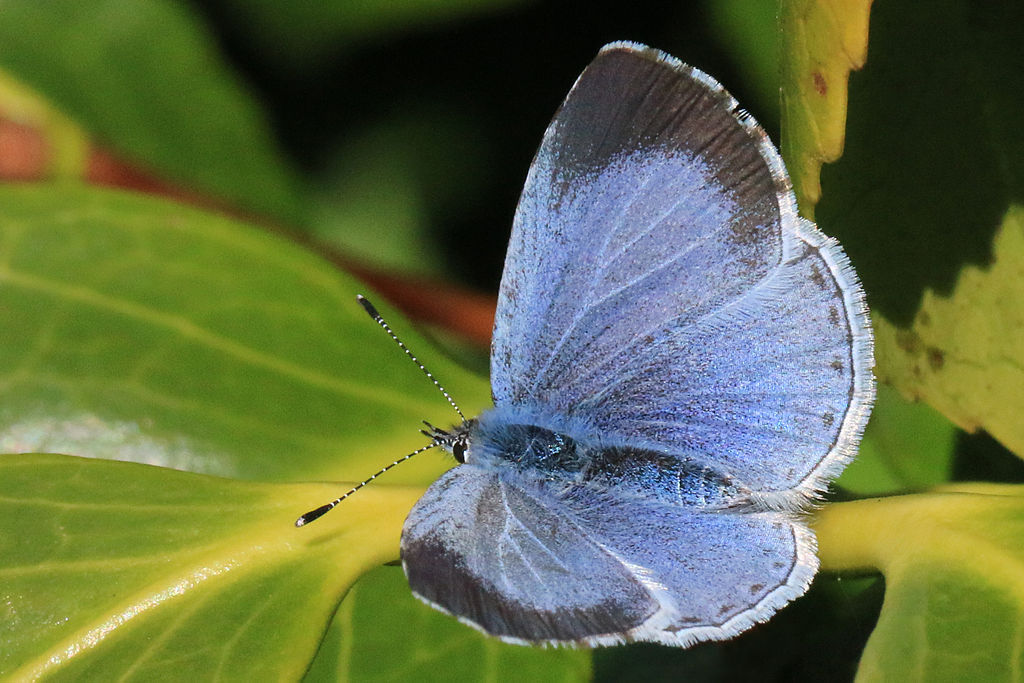
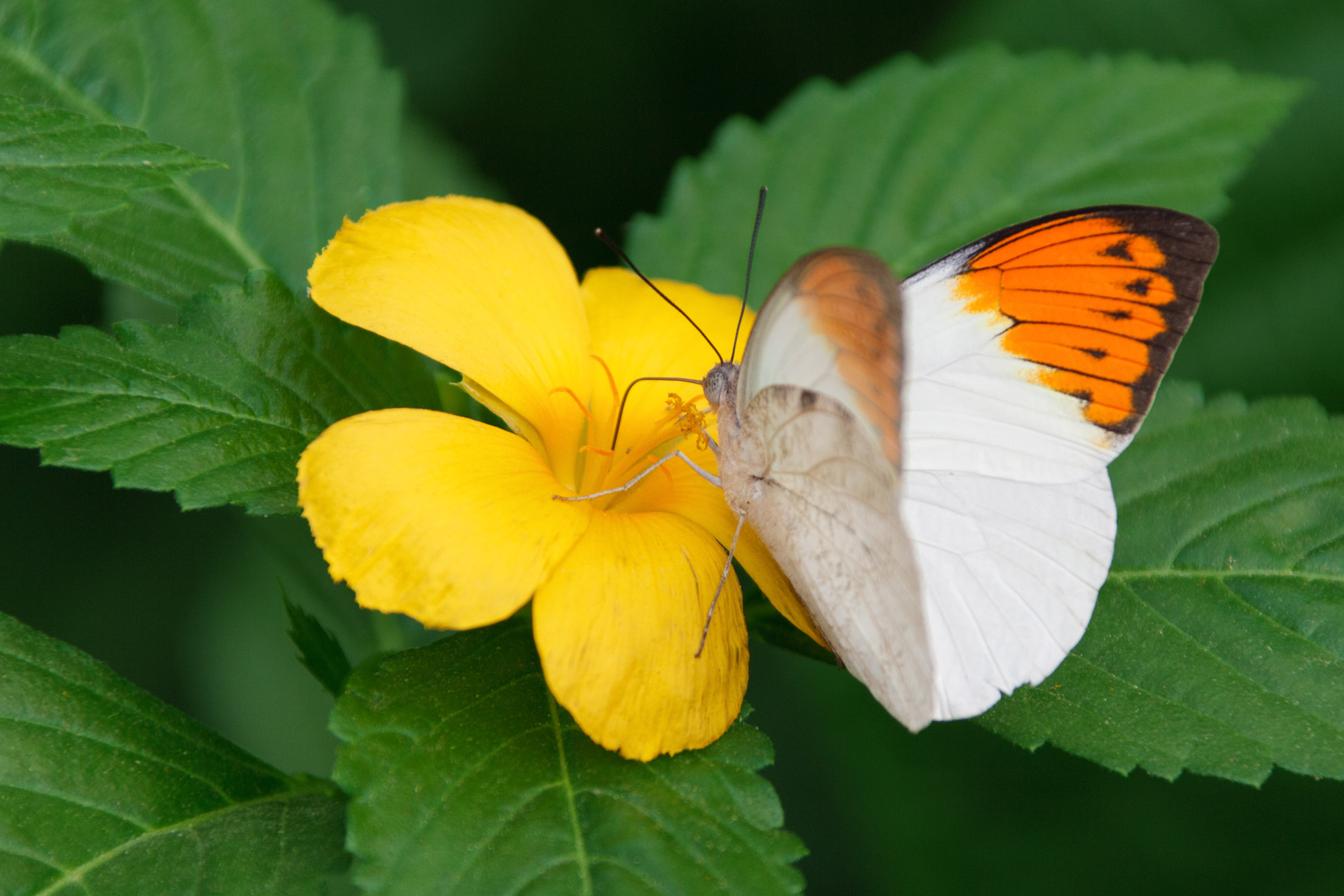
holly blue, large white and orange tip

Butterfly count

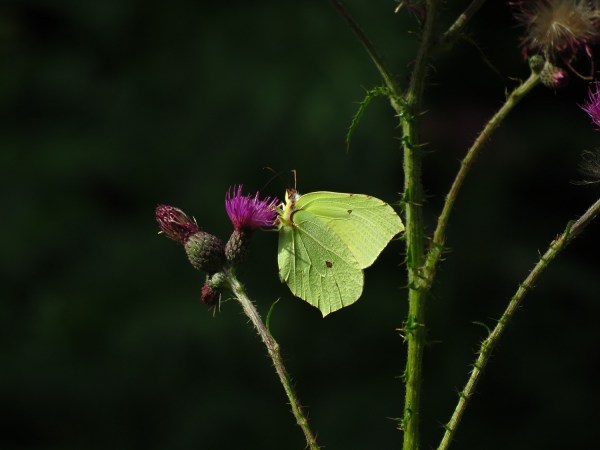
Ian Bushell walking round the park with our Countryside Officer, Ali Rasey, spotted a large white, a male brimstone, two male orange tips, a speckled wood, a small tortoiseshell and a holly blue. That is four more species for our spotter’s list

small tortoiseshell. speckled wood, brimstone

Butterfly list

Usually the butterfly population of the park is estimated by walking transects during the summer. This means regularly walking a set route through the park, on days of butterfly-friendly weather, and counting the number of species and individuals within a certain distance of that route.

Continue reading “Butterfly list”

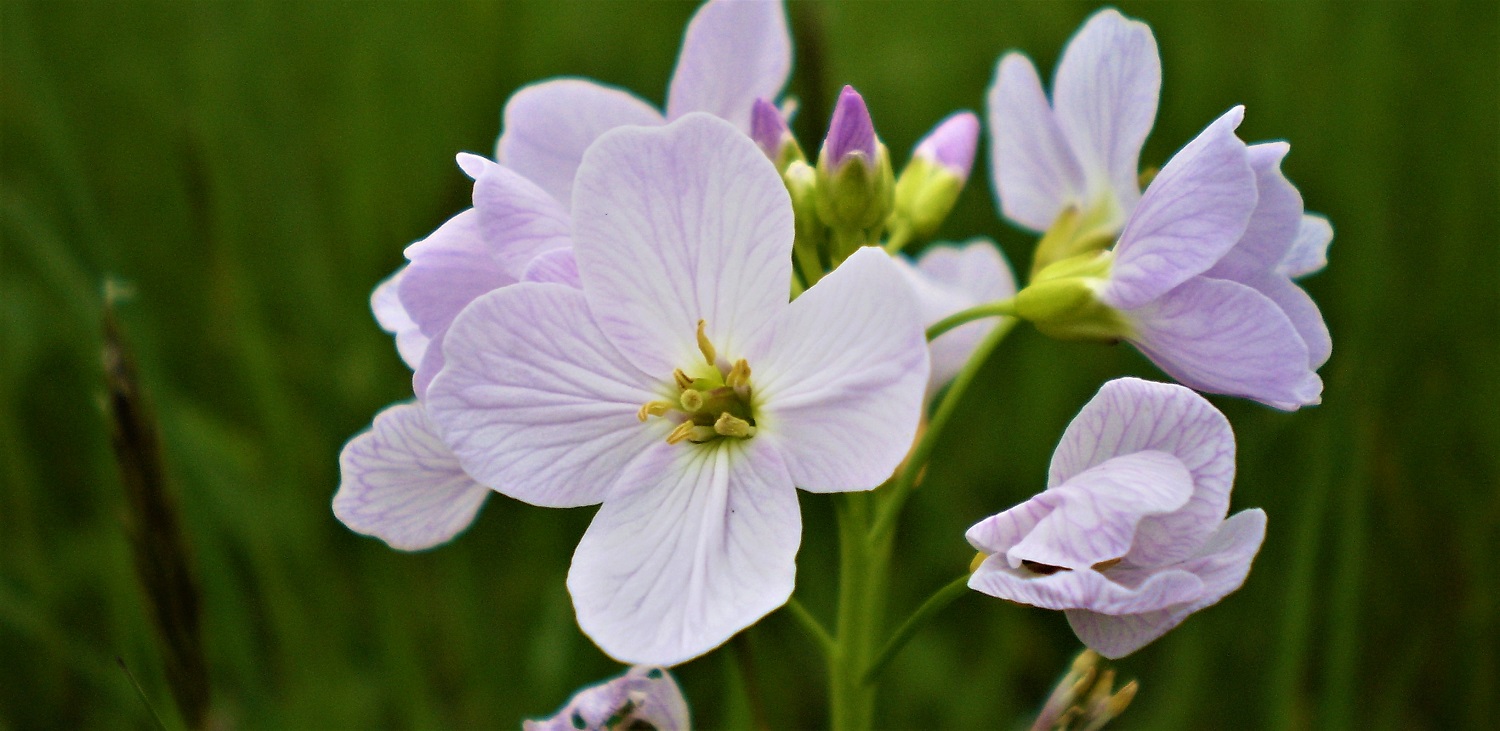
Cardamine pratensis

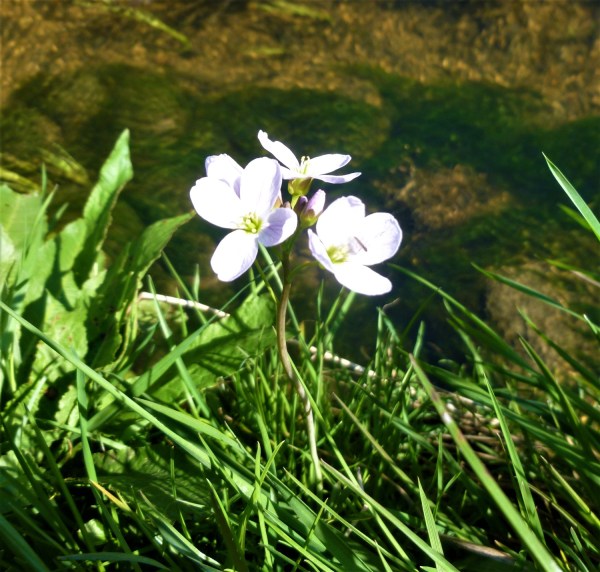
A picture of Cardamine pratensis sent by Ian Bushell with this message:

” . . .Milkmaid flowering on the Lambrok bank very near the boggy area. ”

Does anybody else call it milkmaid? I call it lady’s smock; is it another of those plants with many different names, like ragwort?

Tell us in the comments below if you have a different name for it.

Cardamine pratensis conservation status UK: Common and widespread

Goldcrest

Yesterday morning’s FoSCP work party, armed with saws and loppers and marching up the hill past Simpson’s Field, saw a pair of goldcrests (Regulus regulus) in the conifers by the path. Goldcrests are Britain’s smallest bird; a tiny flash of yellow against the dark green of a pine tree.

Continue reading “Goldcrest”

Create a website or blog at WordPress.com

Up ↑