RPS, acting for a named client, has submitted an outline planning application for the Church Lane site. The Wiltshire Council reference number for the application is 18/10035/OUT. This morning, searching with this reference produced this result:
Continue reading “Another Church Lane planning submission”Wednesday work party
By DKG
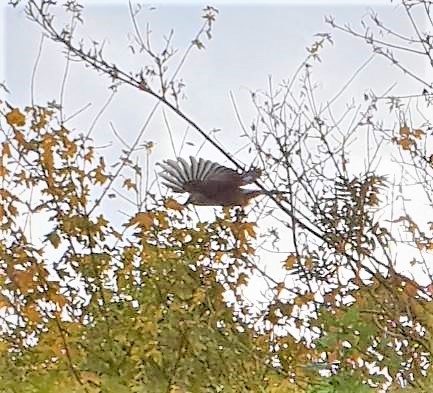
Apologies but only a few photos from Wednesday’s work party. A Collared Dove enjoying the early morning sun and a Dunnock in a bramble bush, the latter not very sharp.
Eurasian collared dove
Collared doves (Streptopelia decaocto) bred in Britain for the first time in 1955, in Norfolk. Within 20 years they had colonised every county in the British Isles, and had even reached Shetland and the Outer Hebrides.
Continue reading “Eurasian collared dove”Apology
Our web host, in its geeky wisdom, has updated us with a new editing suite, parts of which are still under development. Please bear with us; everything is taking twice as long as usual but we have been assured that the result will be worth it.
FoSCP
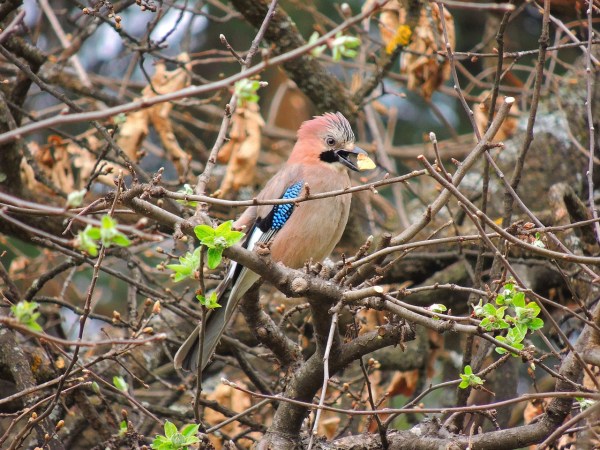
Jay
Lisa Burge’s photograph of a jay in flight prompted some research; we wondered how many jays our park could support.
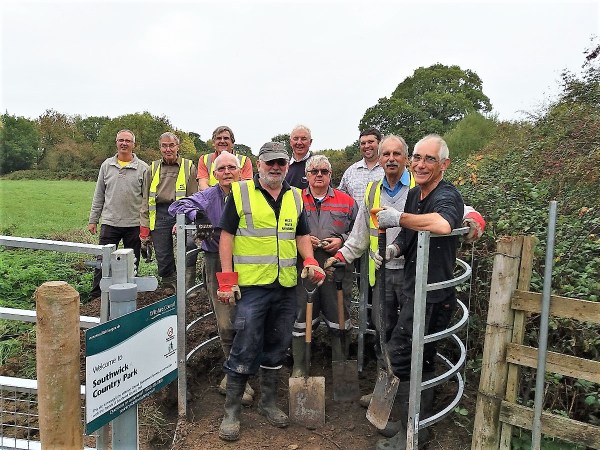
Tomorrow is the second Wednesday of the month: a work party day. Come and join us; we meet at 9.30am in the main car park and we work until midday. Bring thornproof gloves, sturdy footwear and a coffee mug. Looking forward to meeting you.
Carbon Capture
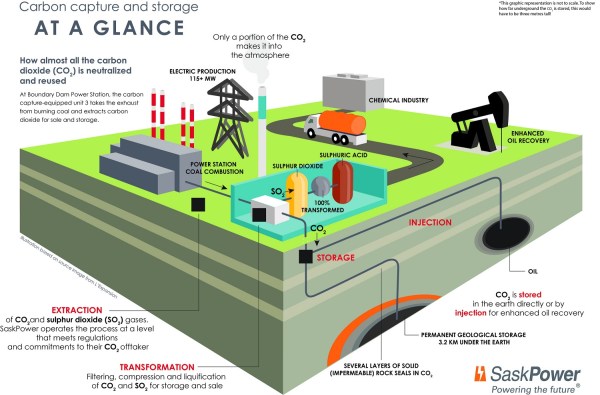
We need to take carbon out of our atmosphere and hide it where it can’t contribute, as carbon dioxide, to global warming; the process is called carbon capture and sequestration. Above is the power industry’s solution to the problem; on the next page is FoSCP’s solution:
Click hereSimon Handley has reported a brown and white magpie in the park, at the top of the Arboretum; this is a rare genetic fault called leucism. Please don’t forget your camera next time you visit; we would love a photograph of it.
Lichen on the Wildlife Wheel
The Wildlife Wheel has been there, in the corner of Sheepfield, for almost twenty years. It has aged in those years, changed colour, split and grown a fascinating crop of lichens.
Read on:
Kingfisher
Kingfishers come to the park regularly. Many people associate them with rivers and are surprised to see them here, fishing in our little streams.
Read on:
WHSAP – report submitted
Today, FoSCP submitted the report of their objections to the Schedule of Changes to the Wiltshire Housing Site Allocation plan. The plan proposes that land at Church Lane, Upper Studley and Southwick Court should be made available for development; we believe that development at these sites will damage the ecology of Lambrok Stream and subsequently the ecology of the park.
HDR Photography
A Brief Description by DKG
Click here to read more:
Tree creeper
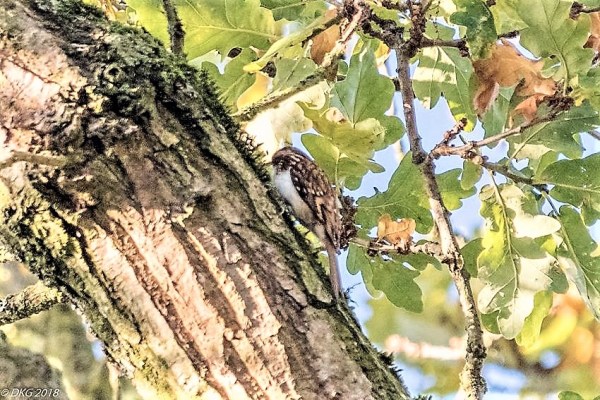
A tree creeper (Certhia familiaris) photographed in the park on Friday by DKG. Read on:
DKG’s regular report on Tuesday’s work party:
Tuesday work party
Tomorrow (Tuesday 30th October) is a regular work party day. Please come and join us; we meet in the car park at 9.30am and work until midday with a pause for coffee; there will be biscuits.
You will need sturdy footwear and thorn proof-gloves; the tools will be provided. The Met Office says it will be very cold.

Fly Agaric
This is fly agaric (Amanita muscaria) found, rather unusually, under a goat willow in the park; birch and pine are its preferred partners.
The Lone Oak is showing its age; it has dead and dying branches and parts of the trunk are being hollowed out by fungus. We have decided that it should be allowed to get on with being several hundred years old, providing habitat for a whole new spectrum of species; we are not going to interfere. Instead, we have fenced around the tree to keep our park users safe.
The alternative would be to chop bits of it off, in order to protect the picnicking public from falling branches. This summer it became quite the thing to picnic under the Lone Oak, a tribute to its elder status.
The tree will live a long time yet; the fence will mellow, warp, acquire its own little ecology, rot away and be replaced long before the tree is done. An ageing oak tree is a wonderful resource of nesting holes, rotting wood for beetle larvae and a hundred species of fungi, a prop for climbing plants, a garden of mosses and ferns.
With luck, the Lone Oak will stand in Cornfield for centuries to come.
.o.

Pictures by DKG
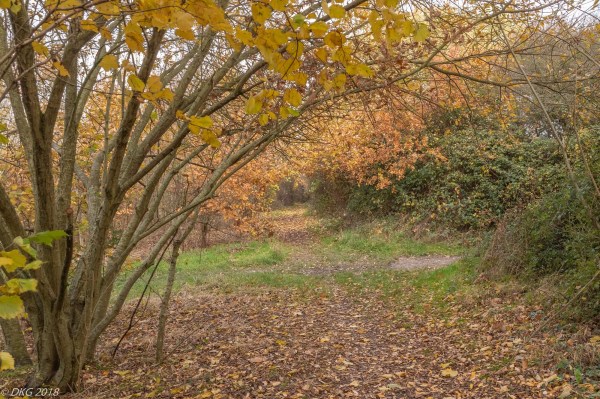
Why do the leaves change colour?
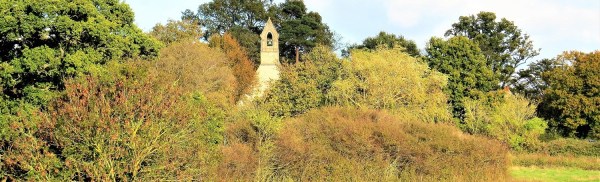
There are three kinds of pigment in a usually green leaf: carotenes which are yellow, red and pink anthocyanins, and chlorophyll, which is the green that masks the other colours until autumn.
Read on:
Fungi
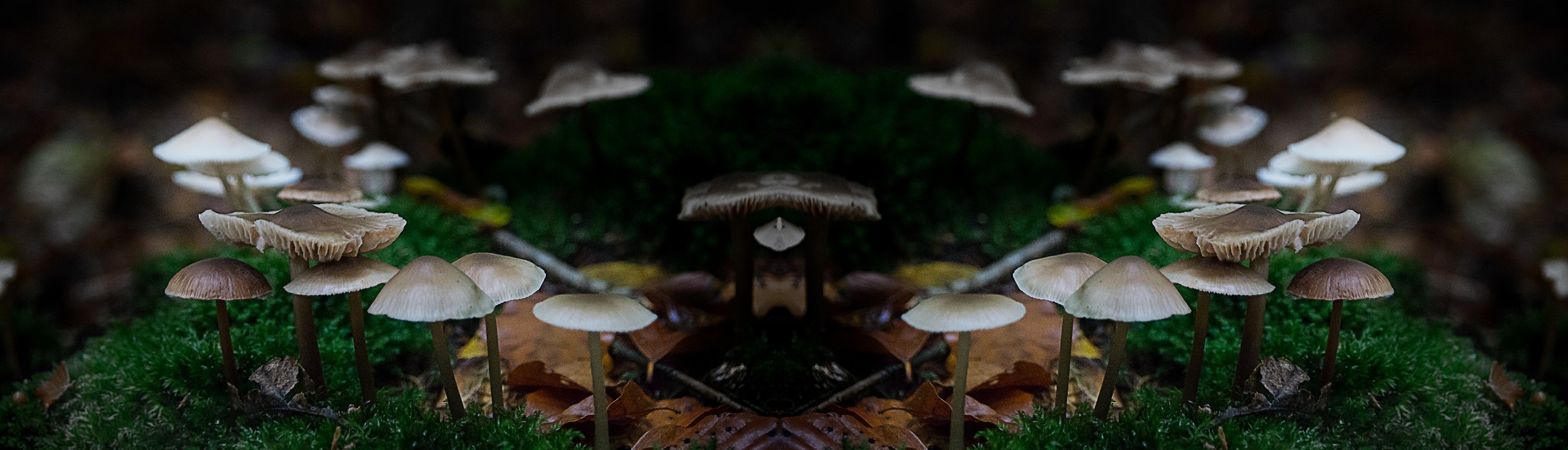
Simon and Sarah Handley have sent in pictures of some of the many beautiful fungi in the park this month.
Ivy flowers
The park’s ivy flowers between September and November; each plant’s flowering season is quite short but a succession of plants flowers all through the autumn. The flowers are small, green and yellow, and so insignificant-looking that many people don’t realise that that they are flowers at all.
Black and yellow
In the world of invertebrates, black and yellow signals danger. It says to predators: I am poisonous or I will bite you. Read on to discover more: