The park’s ivy flowers between September and November; each plant’s flowering season is quite short but a succession of plants flowers all through the autumn. The flowers are small, green and yellow, and so insignificant-looking that many people don’t realise that that they are flowers at all.
Black and yellow
In the world of invertebrates, black and yellow signals danger. It says to predators: I am poisonous or I will bite you. Read on to discover more:
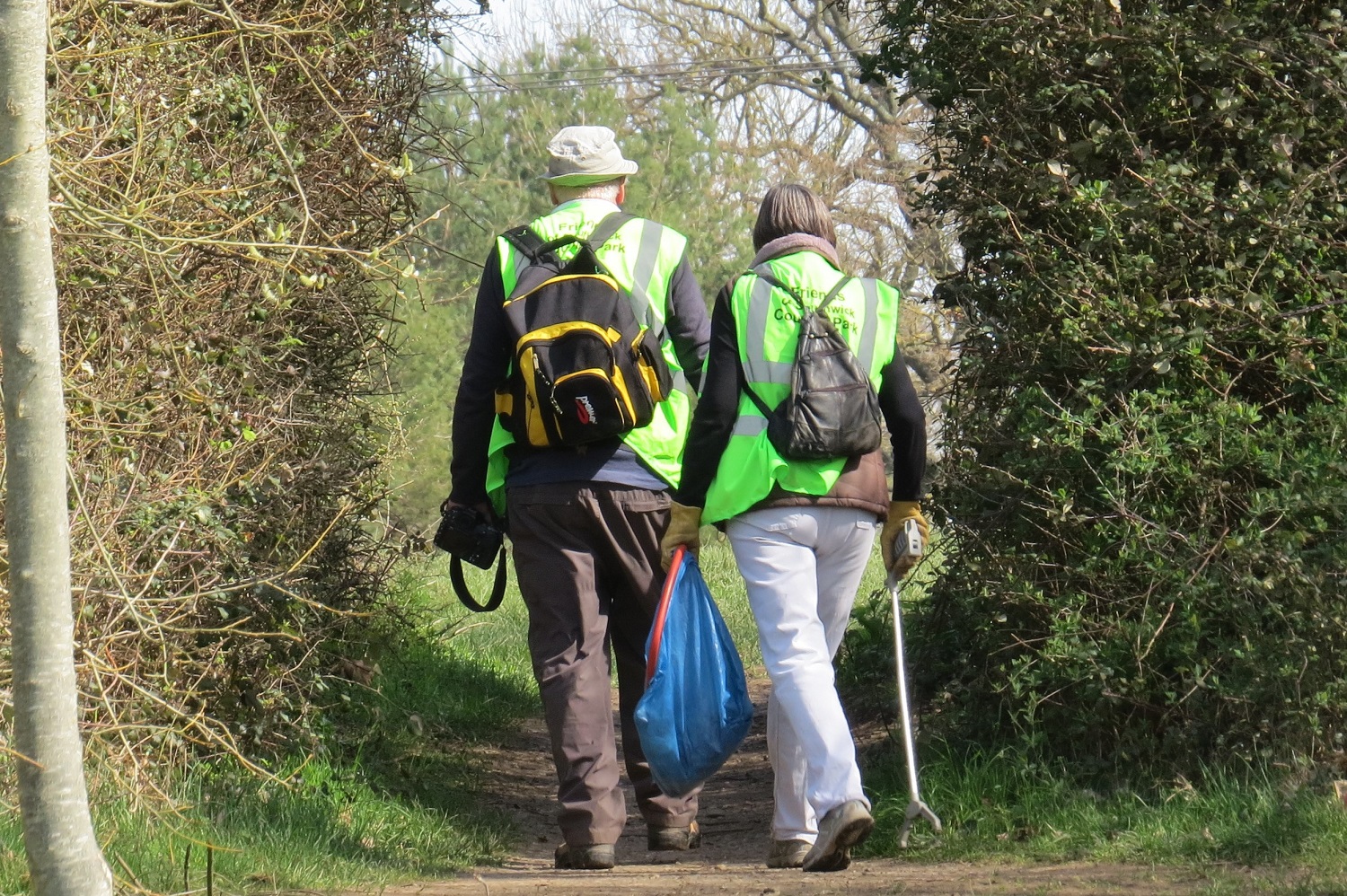
October work party
Words and pictures by DKG:
Apologies, for not getting these photos posted earlier. It was not only Ian having a senior moment on Wednesday (Ian forgot the work party; turned up late. Ed.) for some reason my camera was not set up correctly when taking photos that day. I have had to delete several as they were not suitably exposed. There were other errors, even though they seemed ok when I looked at them after shooting. I have managed to improve these to some extent in Photoshop to make a reasonable photos.
Click here to see the results:
Fact of the week
The scientific name for the seven spot ladybird is Coccinella septempunctata; if you had the right wand, a spell like that would put red spots on anything.
Giant swarms of cannibalistic Harlequin ladybirds riddled with an STI are invading British homes: this is a headline in the Mail Online this week. No wonder our relationship with our environment is deteriorating when the country’s most-read news outlet uses such inflammatory language to describe a natural phenomenon. Swarm, cannibalistic, riddled, sexually transmitted infection, invade: could they have squeezed any more knee-jerk melodrama into a single sentence?
Read on:
Jerusalem artichoke
A message from Ian:
May be of interest to you: Jerusalem Artichoke, Helianthus tuberosus, identified by Lindsay Moore [County Recorder Flora]. Ali and I found it along the stream near the bridge at the bottom of the Blackthorn Tunnel. I’ve added it to the Census. Unusual, probably from some bird dropping seed.
October sunrise
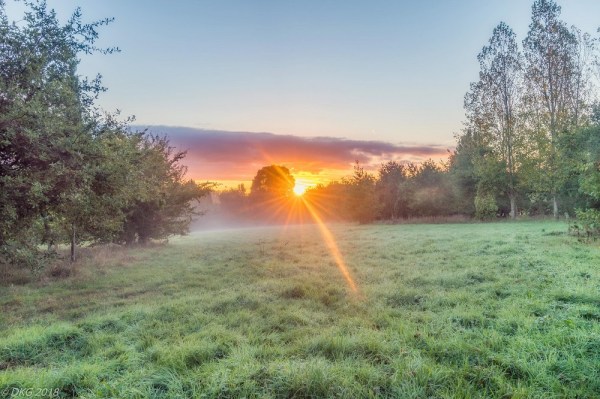
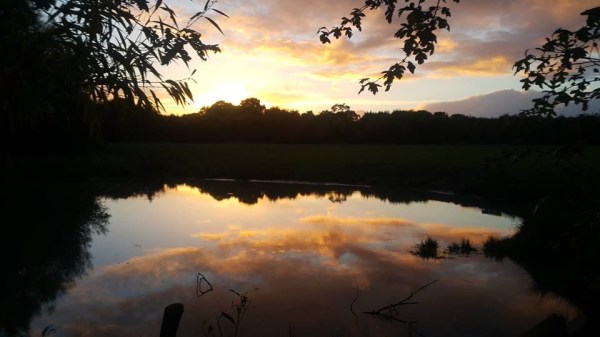
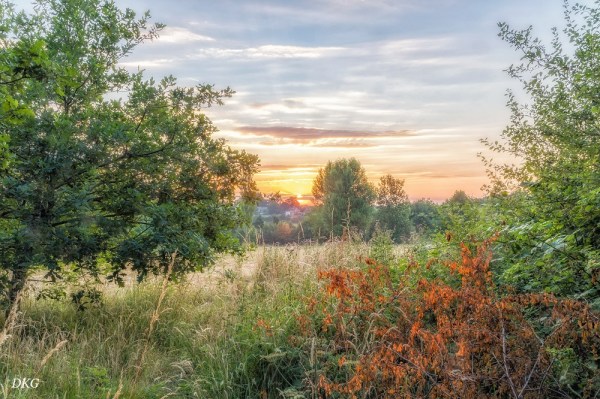
An October sunrise photographed by DKG on Wednesday morning.
An American Visitor
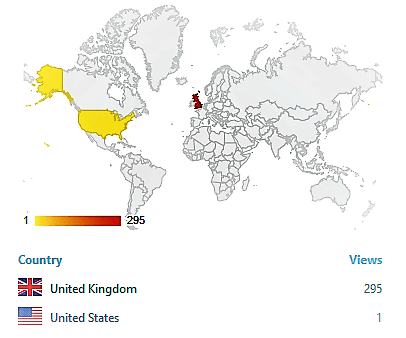
With every new post, we get an immediate and mysterious visitor from the USA. It could be a bot in Silicon Valley, crawling through our site, mining our data for Google’s next attempt at world domination; it could be the NSA checking the FoSCP for terrorist leanings or the US Forest Service looking for eco-tips.
We would like it to be a West Wilts exile, homesick for the Southwick of the 60s, or the grandchild of a Wiltshire girl who left the village after WW2 as a GI bride.
.o.
.o.
We know it is probably our service host checking us out but if it isn’t and you know who our faithful American visitor is, or you are that American visitor, please get in touch. We would love to hear from you; there is a comment box below, a contact form and an email address in the main menu.

Seed dispersal
Seed dispersal is an annual problem for a lot of trees and shrubs. If seeds just fell down and germinated under the parent tree, they would compete with the parent for nutrition, water and eventually light. Trees need a way to send their seeds away to a new environment where their germination will not pose a threat. Read on:
WHSAP public consultation
Wiltshire Council has finally opened a consultation portal on the proposed changes to the draft Wiltshire Housing Site Allocation Plan. The consultation period will last for six weeks; it began on Thursday, 27th September and will end on Friday, 9th of November.
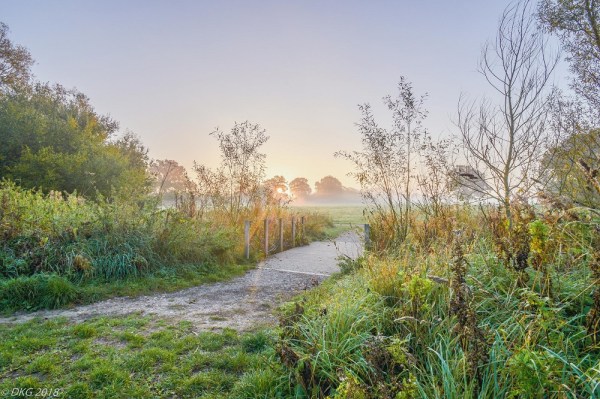
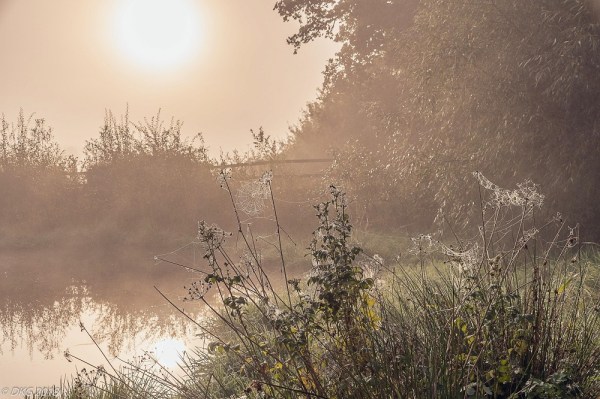
Pictures, by DKG, of Tuesday’s misty morning. Click any picture to open the gallery.
Crane Flies
There are hundreds of species of crane fly in this country and almost all of them go by the name of daddy long legs. The differences between species can be microscopically small but we think this specimen is either a common European crane fly (Tipula paludosa) or a marsh crane fly, (T. oleracea).
One for sorrow, two for joy…
There are several families of magpies in the park. This year’s crop are, as yet, short-tailed, loud- mouthed and clumsy, hanging out in gangs and still learning to fly properly. But, despite their dramatic black and white beauty, their reputation is poor.
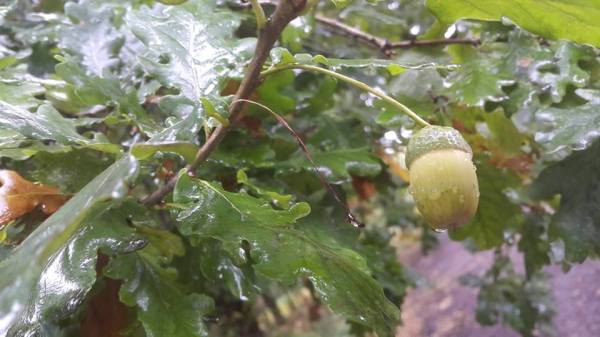
Elena Aschiopoaiei sent us this beautiful picture of an acorn in the rain.
Acorns
Oak trees produce thousands of acorns every year. Somebody has worked out that an oak tree can produce ten million acorns over its lifetime. In a good year, they carpet the ground under the tree.
A letter from a park user
Dear friendsofscp,
I am on your mailing list and during the summer I visit the park with my husband and dog a minimum of 5 days a week. Sometimes every day. Not sure what will happen during the winter as days get shorter and work gets in the way.
Autumn Leaves
The summer is over, the nights are drawing in and DKG has sent pictures of sycamore seeds among red leaves.
Click on any picture to enlarge it.
Identifying fungi
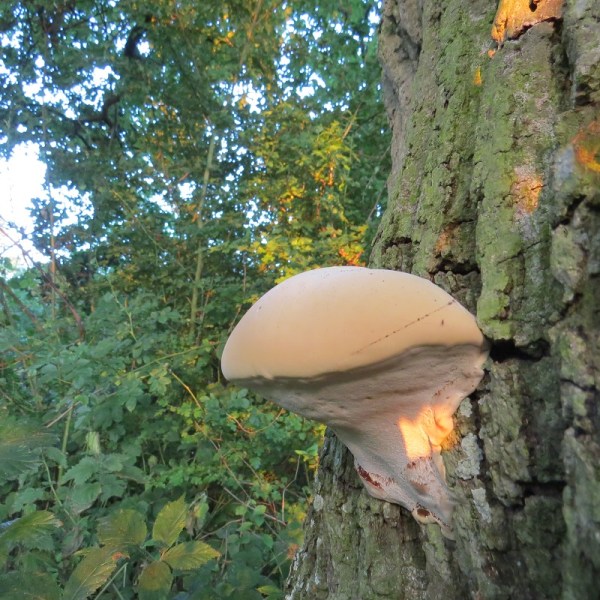
This is a picture of a bracket fungus on an oak tree in the park. The mycelium, which is the main part of the fungus, is growing invisibly inside the tree. This beautiful outgrowth is the fruiting body, part of the fungus’s reproductive system.
Ragwort work party
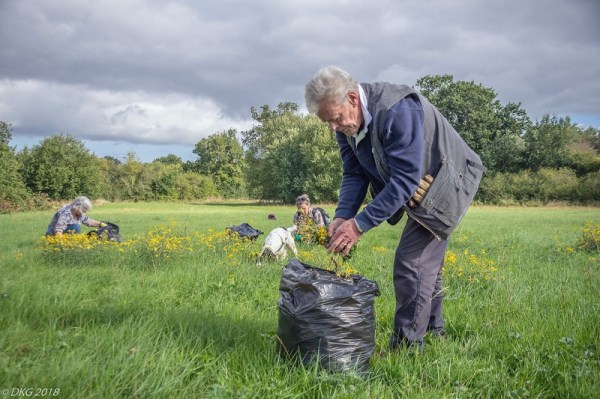
Four people and a springer spaniel called Buddy came to last Sunday’s ragwort pulling work party. This was really discouraging.
Inkcaps
Inkcaps are a group of fungi with gills that liquefy as they mature and drip an inky black liquid that, in the past, was frequently used to make ink.
Another gallery by DKG: