Carnivorous plants
The lower leaves of a teasel grow opposite each other in pairs and each pair joins together around the stem, forming a cup. The cups fill with rainwater and insects fall into the little pools where they drown.
Continue reading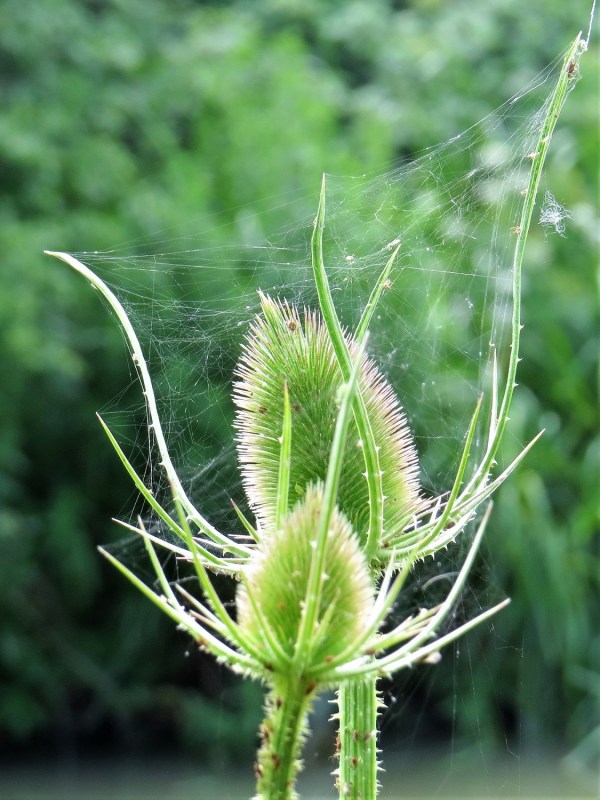
The lower leaves of a teasel grow opposite each other in pairs and each pair joins together around the stem, forming a cup. The cups fill with rainwater and insects fall into the little pools where they drown.
Continue reading
Drop in through the afternoon to help to look after your local river and learn about the secret world below the surface of the Lambrok Stream!
We will be clearly visible from the Frome Road car park entrance. Please wear suitable outdoors clothing. Under 18s must be accompanied by an adult.
For further information contact Abigail Leach on 01380 736066 or AbigailL@wiltshirewildlife.org
For updates on the event please check Twitter @WiltsRivers
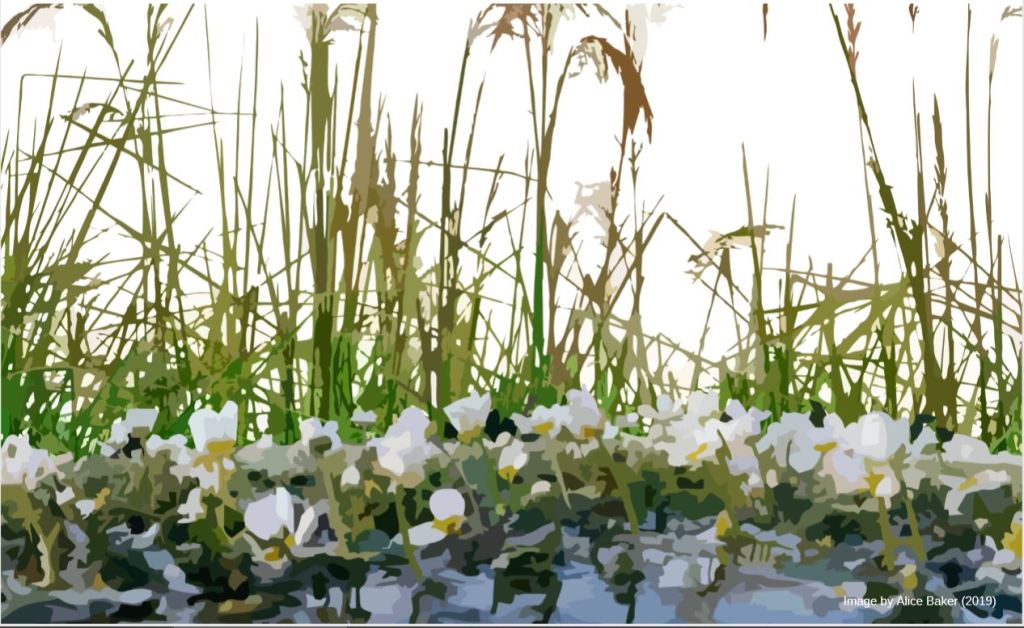

A beautiful demoiselle (Calopterix virgo), photographed in the park this summer by DKG.
Continue reading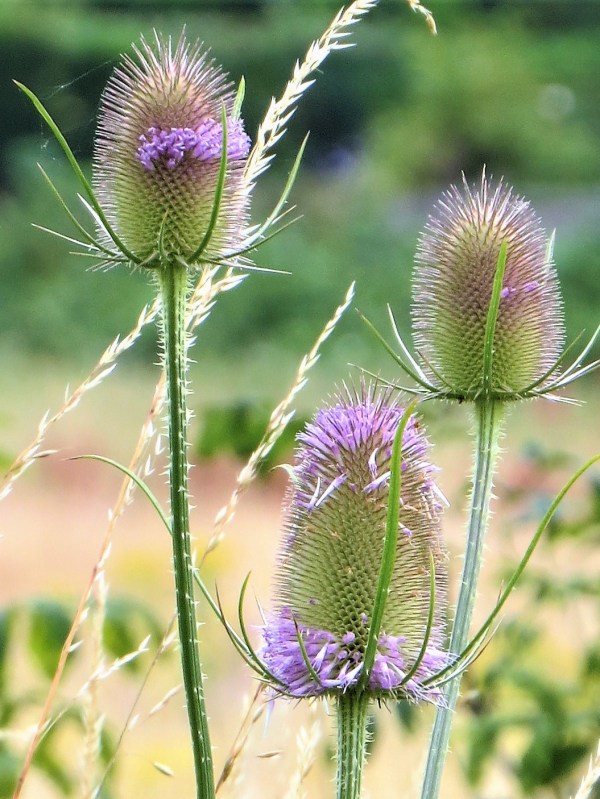
This is wild teasel (Dipsacus fullonum), sometimes called the common teasel, photographed in Lambrok Meadow next to Lambrok Stream.
Continue reading “Teasel”
There are funnel shaped webs low down in the dense vegetation of the park’s hedges and edges; what lives in them?
Continue reading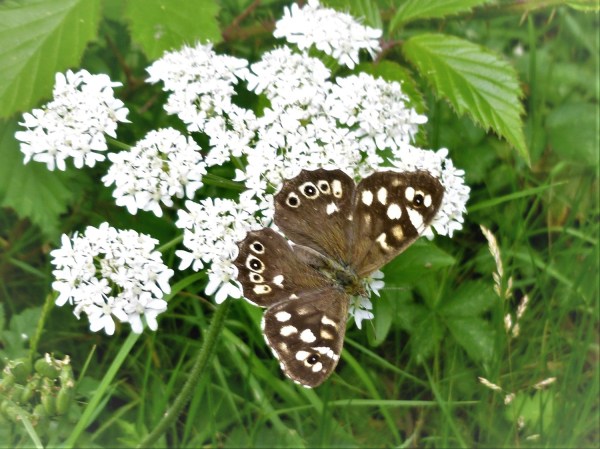
Lepidoptera is the name of the order that butterflies and moths belong to.
Click here for five fascinating facts about lepidopteraExtraordinary little video of an emperor dragonfly hatching into its final adult form.
Published on Jul 31, 2012 by wildvod.
Emperor Dragonfly larvae emerging from the kitchen garden pond at the Tyntesfield National Trust Estate in June 2012.

The target date for Wiltshire Council’s planning department’s decision on RPS’s outline application (reference number 18/10035/OUT) to build 65 houses on the fields between Southwick Country Park and Church Lane (WHSAP site H2.4) has been moved yet again, this time to Monday December 2nd 2019.
Continue reading “A WHSAP update”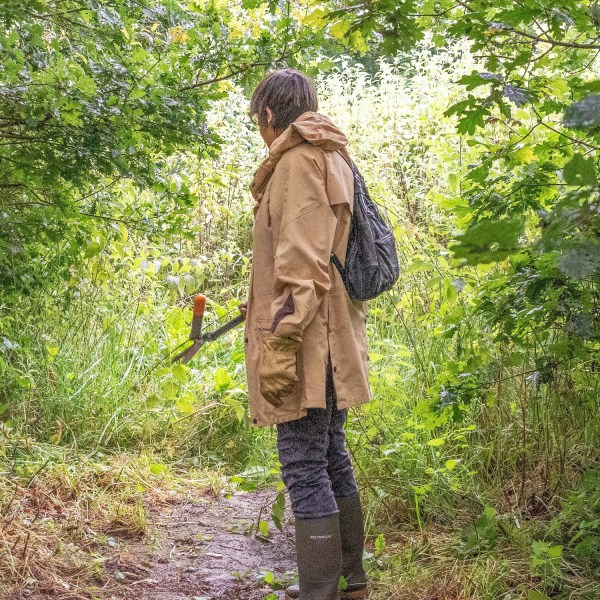
By DKG
Schools break up for the summer holidays and so does the weather. Weeks of previous fine dry weather have greeted us for the past Wednesdays and Tuesdays and now unsettled weather and rain are forecast, exactly like it was going to be for Tuesday’s work party.
Continue reading “A wet work party”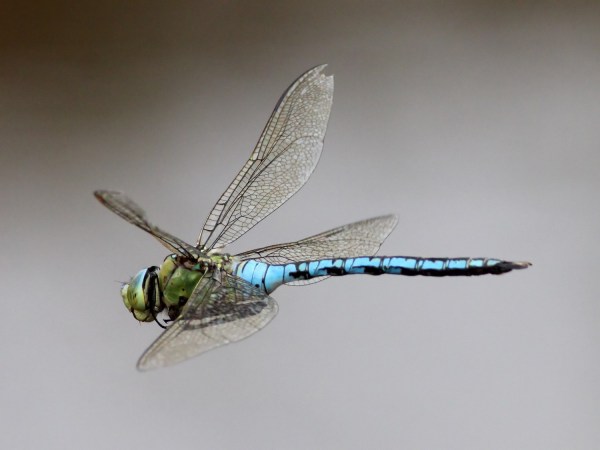
We have positively identified our emperor dragonfly (Anax imperator) and to celebrate here are five fascinating facts about dragonflies.
Continue reading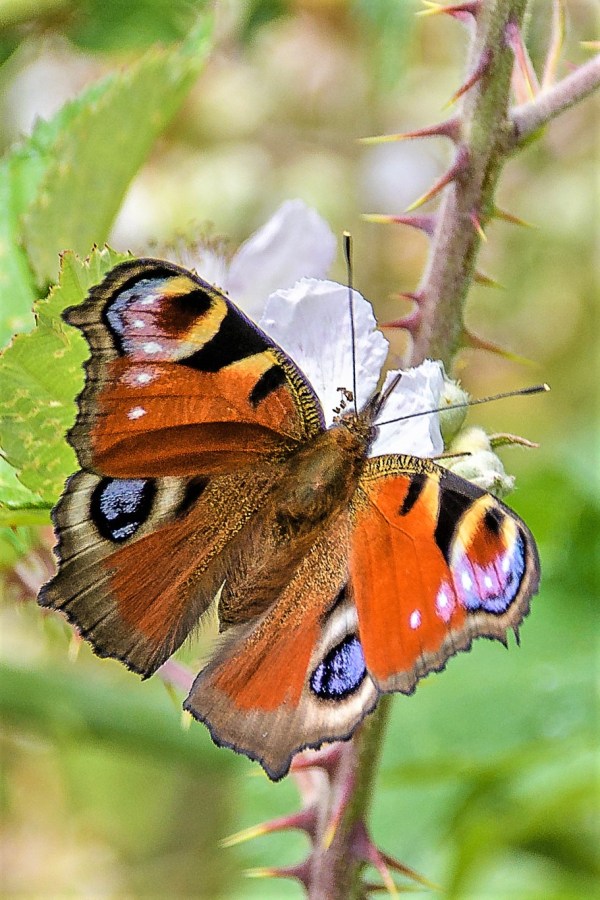
A peacock butterfly on bramble, by DKG.
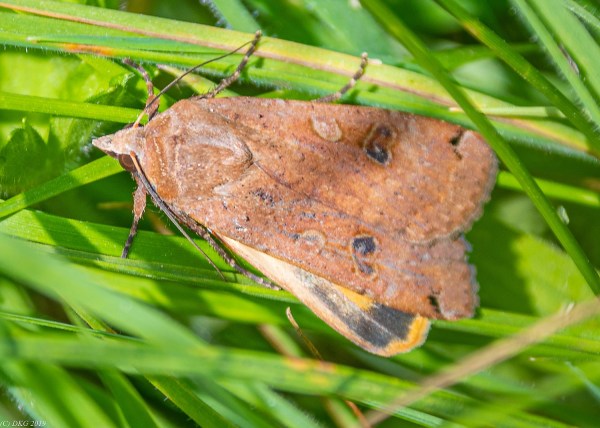
The large yellow underwing moth does exactly what it says on the box; it is one of the largest of Britain’s moths and is easily identified by its yellow underwings, bordered with black. If disturbed as it rests during daylight, it flashes the bright orange-yellow of its underwings in an attempt to scare off any predators.
Continue reading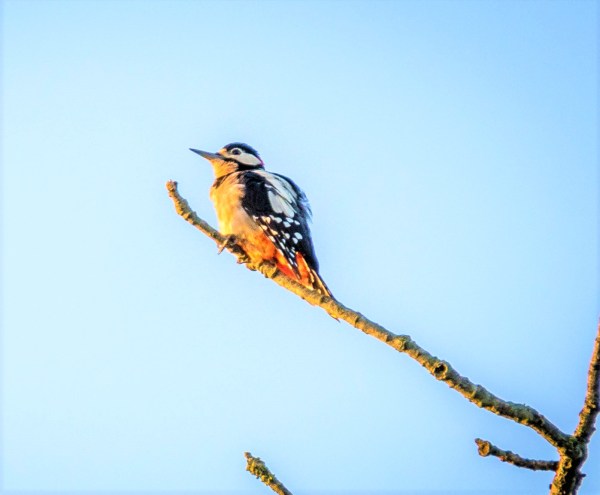
DKG’s first sighting of a great spotted woodpecker this year.
Continue reading “Great spotted woodpecker”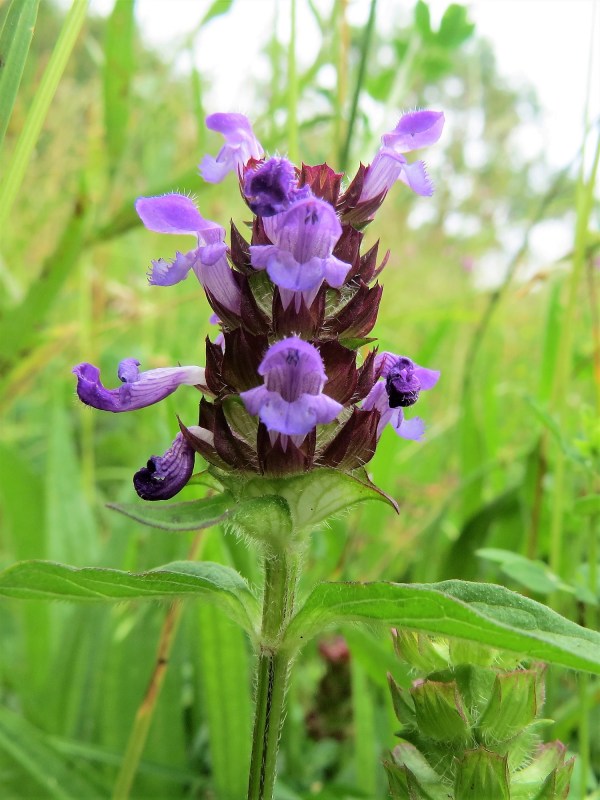
Here is another member of the Lamiaceae family: Prunella vulgaris, commonly known as selfheal or all-heal. Like the other Lamiaceae that we have looked at, red dead nettle and ground ivy, it has the characteristic two lipped zygomorphic flower and a square stem.
Continue readingAt least three pairs of song thrushes nested in the park this year. On any clear July evening, especially after rain, it has been possible to walk right round the park’s boundaries and never be out of earshot of a song thrush singing from the top of a tree.
Here is five minutes of a song thrush’s song; listen to it while you check the morning’s news.
Song thrush recorded by David Bisset in Essex
Header picture:- Song thrush by Simon Chinnery [CC BY-SA 4.0]
Emperor dragonflies (Anax imperator) are the largest of Britain’s Odonata. They are fast, active hunters that rarely come to rest which makes them exceptionally difficult to photograph.
Continue reading
One of the panels from the Decorated Bridge between Cornfield and Village Green has gone missing.
Continue reading “Missing believed stolen!”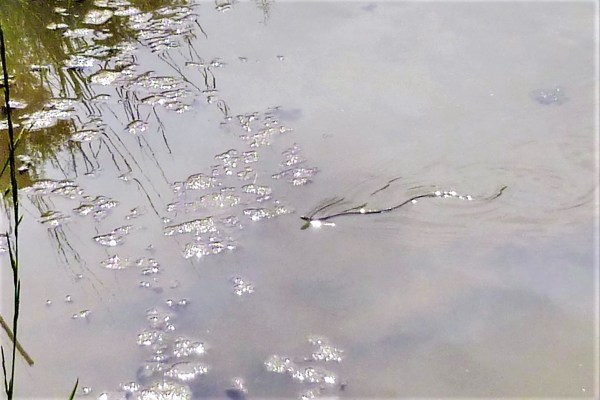
A young grass snake swimming in the Dog Pond yesterday, seen and photographed by Ian Bushell, who said:
“Definitely a youngster – most probably from last years hatch – about a foot or so long and perhaps a little finger’s thickness, but the yellow collar was obvious. Good news as it means that the snakes are breeding here. It swam from the Village Green side to the reed sanctuary below the hedge on the other side.”
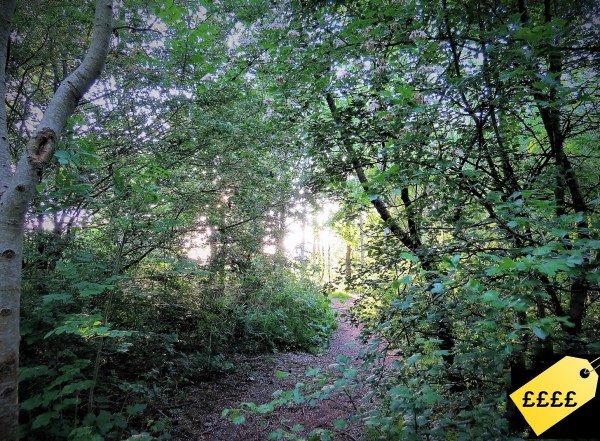
As a reader of this website, you value the Country Park but can you put a financial value on it? I would have thought that it was almost impossible, but the Government’s Office for National Statistics (ONS) believes it can.
Continue reading “What is the Country Park worth?”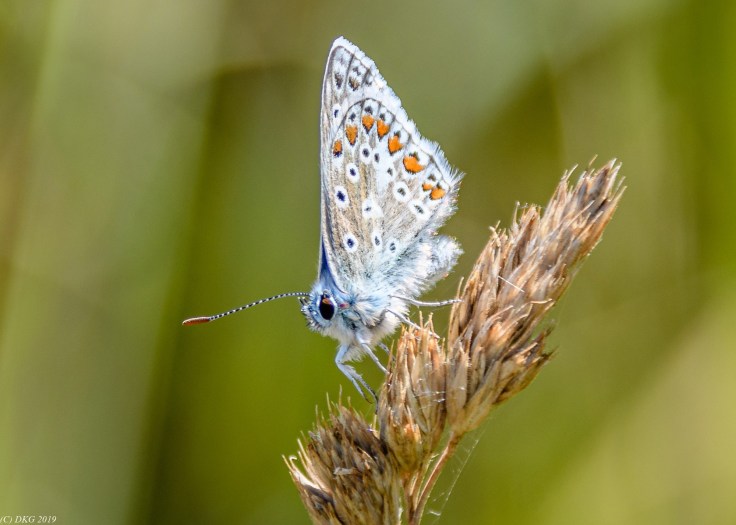

And the underwings of a common blue that DKG found this morning in Lambrok Meadow.


Dawn in the Park by DKG
By Sarah Marsh
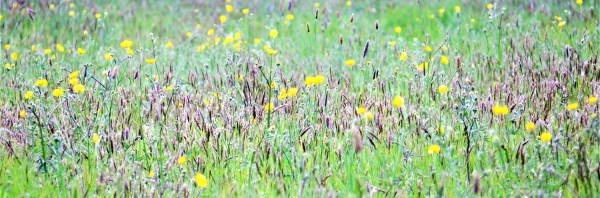
The long dry spell of weather has been good for our tenant farmer who has been able to get an early cut of the crass. It has also been good for the farmer as nearly all the ragwort has gone from the mowing fields. After a lot of hard work from the Friends last year to remove plants and spot spray, there appears to be very little in evidence this year.
Continue reading
A lucky speckled wood that just got away at the cost of a more than half of one of its four wings.
The picture is by DKG
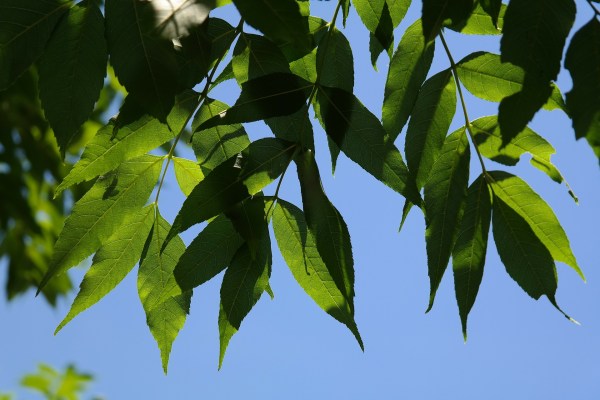
Ash dieback is a disease that is especially deadly to Britain’s native ash trees, Fraxinus excelsior.
Continue reading “Ash dieback”Yesterday was the first day of the Big Butterfly Count. Here are some of the park’s butterflies to encourage you to sign up.


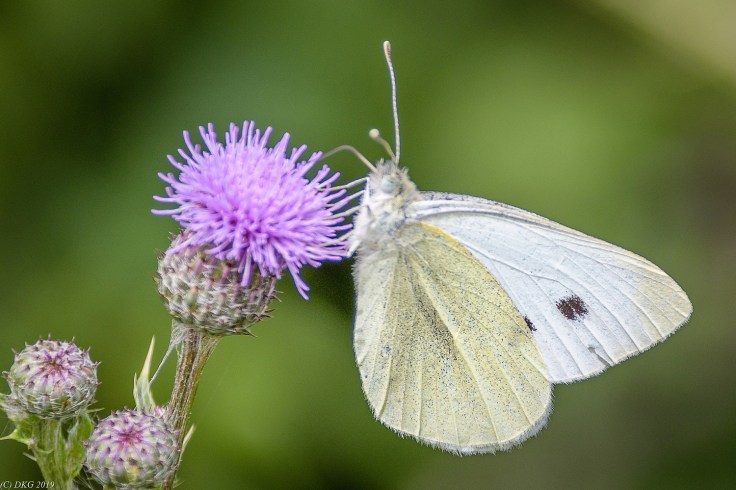


Southwick Country Park’s BUTTERFLIES 2019 list


 Southwick Country Park Nature Reserve