An adder used to be called a nadder!
Continue reading “Adder factoid”Adder factoid

An adder used to be called a nadder!
Continue reading “Adder factoid”
The media has made much of a recent meta analysis, Worldwide decline of the entomofauna: A review of its drivers, published in the journal Biological Conservation. Researchers Francisco Sanchez-Bayo and Kris A.G. Wykhuys have come to conclusions so frightening that even the newspapers couldn’t find the words to make it scarier than it really is.
Continue reading “Loss of insect species”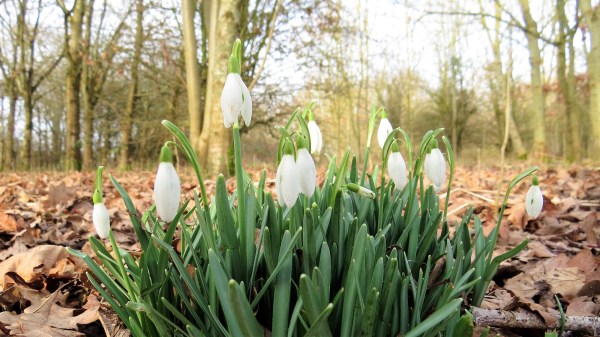
It’s a good year for the park’s snowdrops; lots of flowers in the woods.


Photographs by DKG and Suzanne Humphries
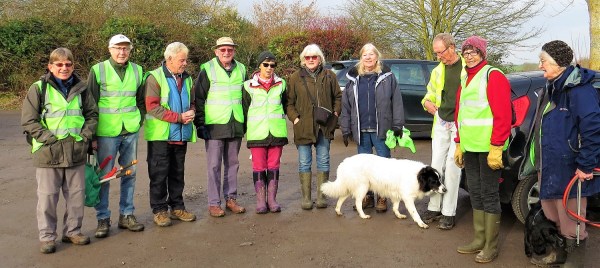
FoSCP’s Wednesday work party met half an hour early, in the car park, to discuss the latest developments in Wiltshire’s Housing Site Allocation Plan’s Examination.
Continue reading “WHSAP: the Friends plan the next move”
Rex, photographed this morning while walking his human in Village Green. He is a Bavarian Munsterlander crossed with, of all things, a Shar Pei: very, very large, very friendly, not as wrinkly as you might expect.

1.Here is WHSAP Programme Officer Ian Kemp’s postal address for those who do not use or trust email:
Ian Kemp
Wiltshire HSAP Programme Officer
16 Cross Furlong
Wychbold
Droitwich Spa
Worcester WR9 7TA
2. Here is a webpage that has been set up to report on the progress of the WHSAP Examination.
3. The hearings in April will be held in public but only those who have applied to do so will be invited to speak; applications need to be made before 5pm Friday 8th March.
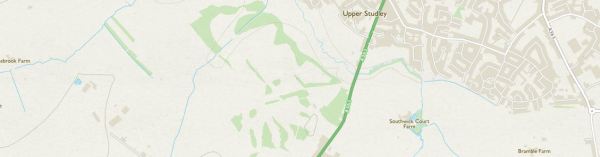
The Inspector’s Examination of the Wiltshire Housing Site Allocation Plan (WHSAP) has reached the public hearing stage. Hearings will begin on April 2nd at 9.30 am in The Civic Trowbridge, St Stephen’s Place, BA14 8AH.
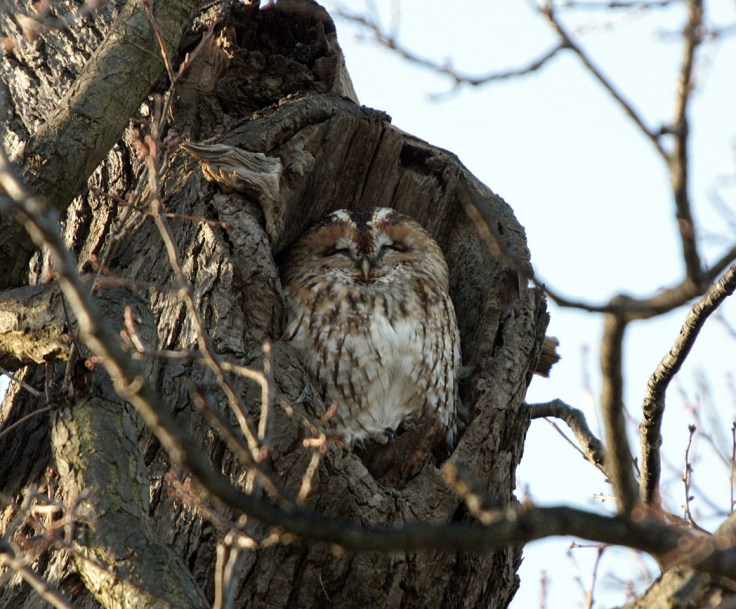
Continue reading “WHSAP – the latest news”Has anybody heard or seen the tawny owl that was spotted in the park three weeks ago? We are hoping it is still here, perhaps with a mate, looking for nest sites.
Tawny owl calls are unmistakeable, the classic too-wit-too-woo, but their camouflage is excellent and they are difficult to spot against a background of tree bark. Here is a short video from YouTube to help with identification.
Contact details, if you have anything to report, are here.
More about tawnies:

While checking goldfinch facts to go with DKG’s pictures last week, we discovered, to our delight, that the collective noun for goldfinches is a charm. How charming is that?
Continue reading “A charm of goldfinches”
A letter from local ornithologist, David C.
I must say DKG’s Tawny Owl & Kingfisher photos are really good. Tawny Owls seem to be doing okay in Wiltshire and Kingfishers are also widely distributed. They seem very inefficient breeders with only about half the chicks surviving their first Winter from more than one brood each Spring!
Continue reading “Notes from the past”
The decision on the planning application (18/10035/OUT) to develop the Church Lane site was due to be made yesterday, Wednesday Feb 6th, but has been delayed. The target date for a decision is now Monday April 1st.
Continue reading “Church Lane site update”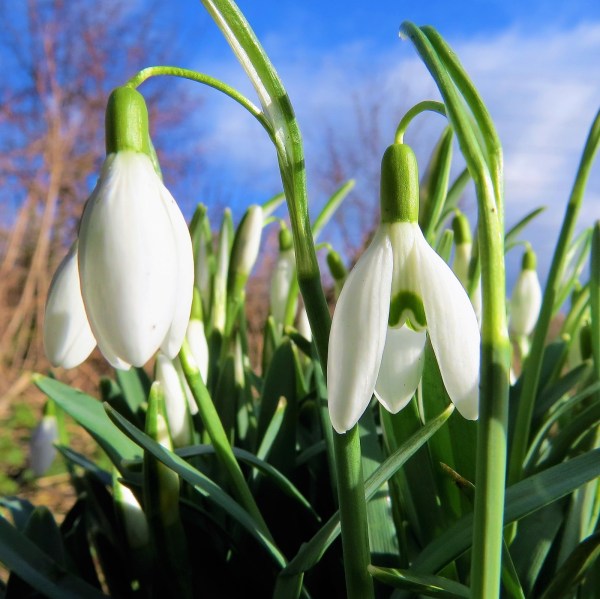
Did you know that snowdrops (Galanthus nivalis) are not native to the British Isles? They haven’t even been here a long time. They were brought from the continent in the 16th Century and introduced into Elizabethan gardens.
The first printed reference to snowdrops in Britain can be found in Gerarde’s Great Herbal, published in 1597, and they were not recorded in the wild until 1778, in Worcestershire and Gloucestershire.

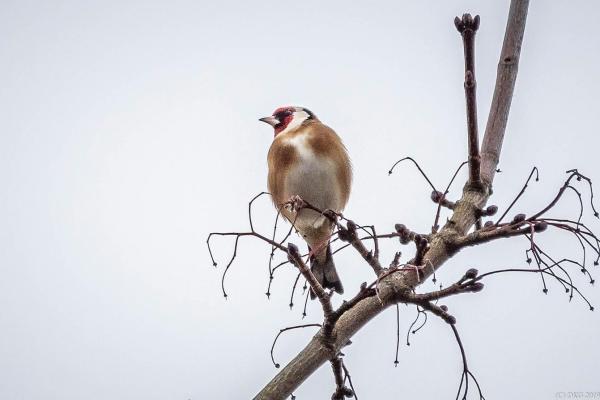
A goldfinch high in an ash tree, photographed by DKG early on Tuesday.
Continue reading “Goldfinch”
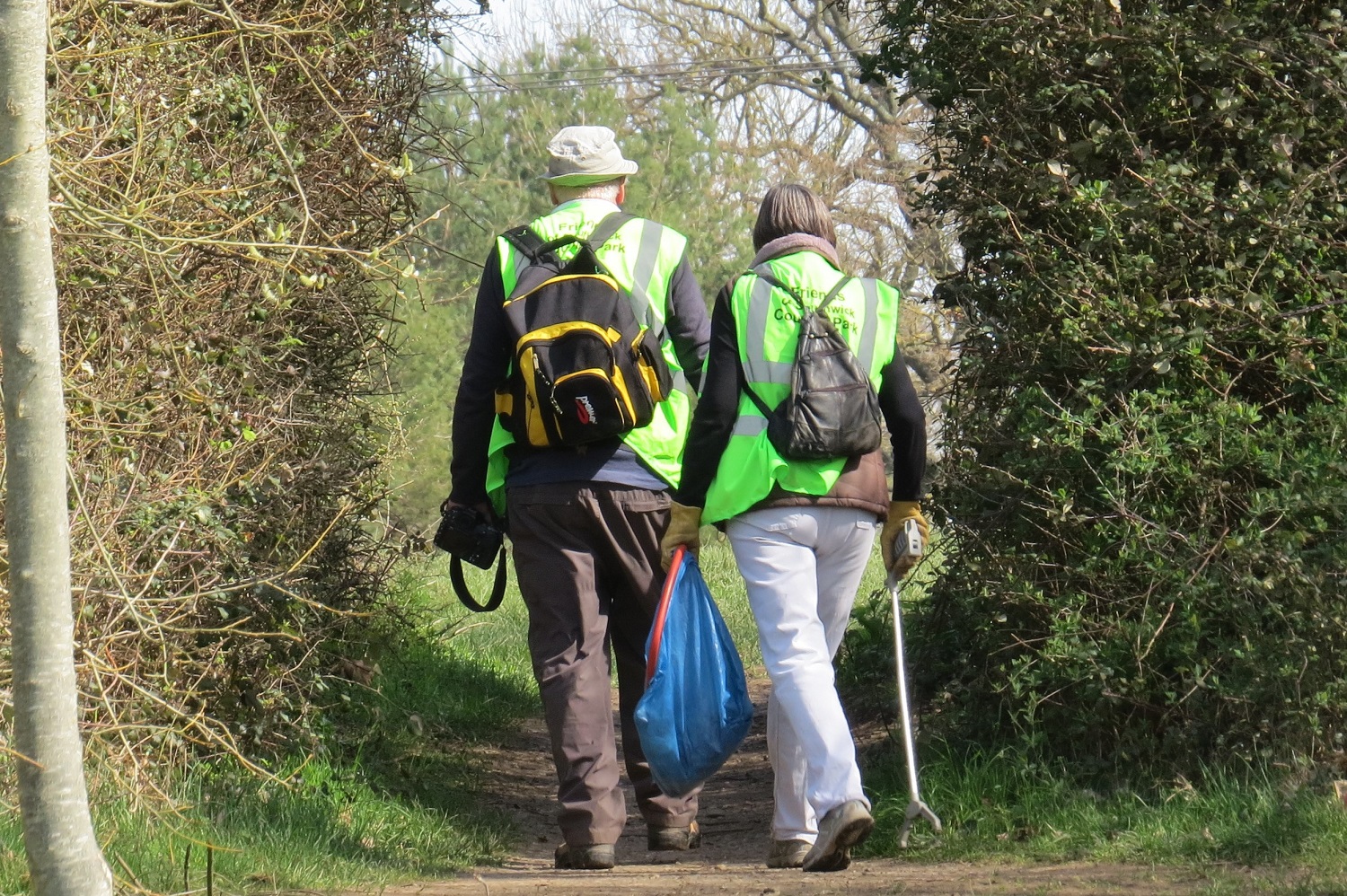
The Friends of Southwick Country Park and a member of the Wiltshire Countryside Team have a bi-monthly get together. These meetings last about two hours and are always held on the last Tuesday afternoon of every other month.
Continue reading “Asda’s Community Room”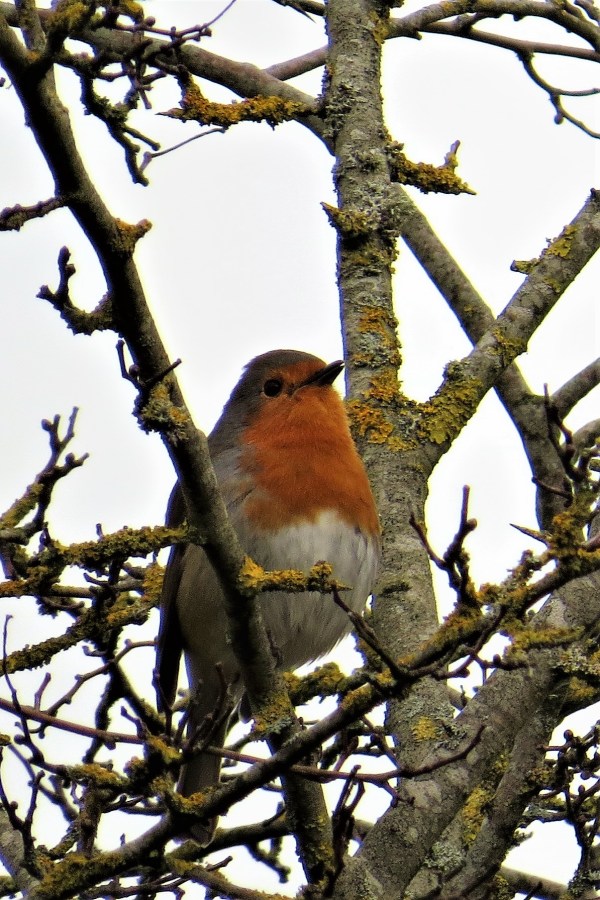
This is the robin that sang for the Friends of Southwick Country Park as they hacked their way through the thicket of bramble and blackthorn at the rear of the car park on Tuesday morning.
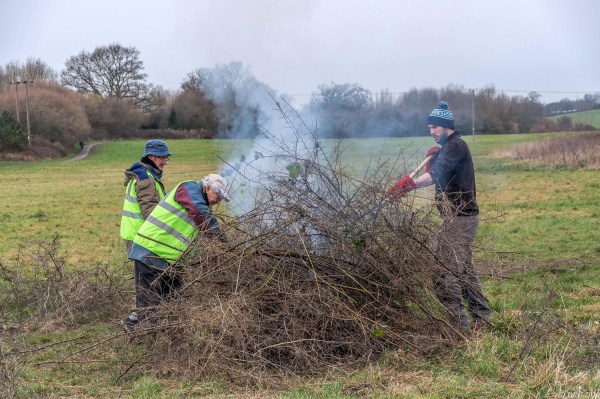
A chilly but dry Tuesday greeted FoSCP, meeting up in the car park for the day’s tasks. It was decided to try and finish the clearing of the bramble and blackthorn at the rear of the car park and to burn off the debris from the last working day as well as this.
Continue reading “Tuesday report from DKG”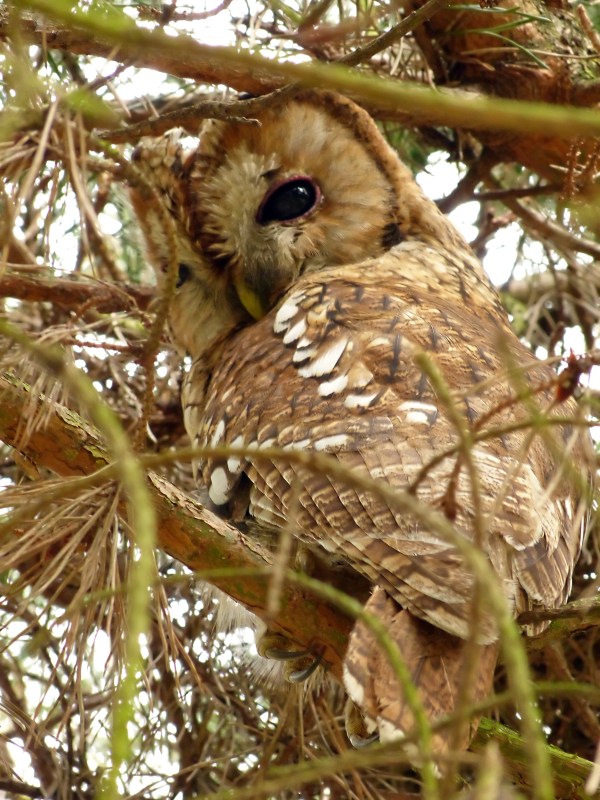
Three weeks ago a tawny owl was seen in the strip of woodland between Lambrok Meadow and Kestrel Field.
Continue reading “Tawny Owl”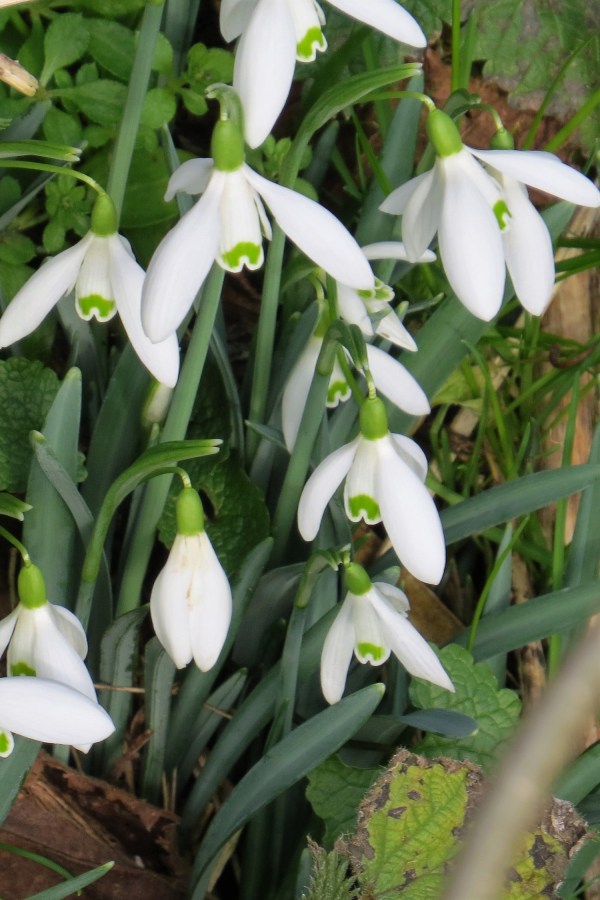

Ian Bushell has sent us a picture of the first snowdrops, taken today on the wooded side of the path along the edge of Lambrok Meadow. Lovely!
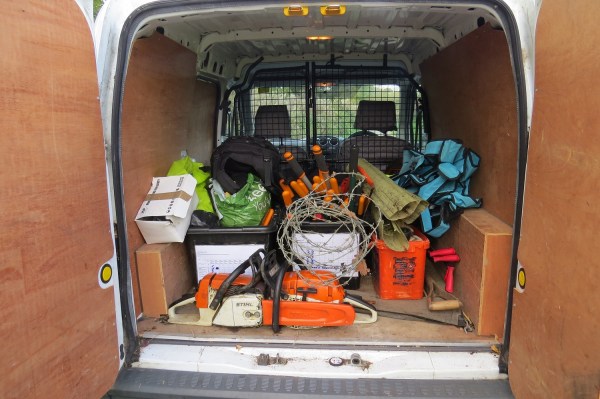
Our next work party is on Tuesday the 29th of January. We meet in the car park at 9.30am; come and join us. The Met Office says it will be very cold but dry and the BBC thinks it will be very cold and wet; wrap up warm.

You will need sturdy footwear and thorn-proof gloves. Bring a coffee mug; we will supply the coffee to put in it and there will be biscuits.
We are looking forward to meeting you. . .


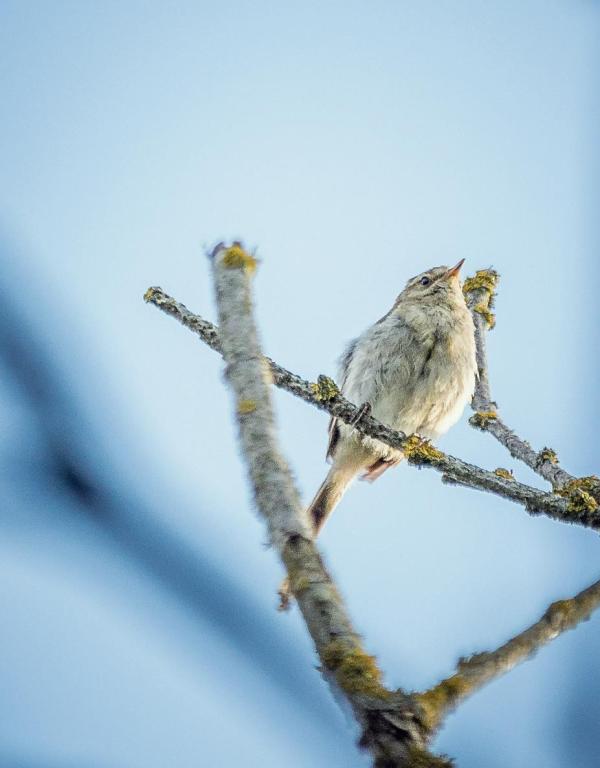
Our chiffchaffs will already have started the long journey back to their breeding sites in the park. They have overwintered in the warmth of southern Europe or northern Africa and are making their way home in a leisurely way with lots of stops for fuel; the males are the frontrunners and they need to arrive fit enough to find and fight for a territory.
They will begin arriving in March; their song (chiff-chaff, chiff-chaff) is one of the first signs of spring.
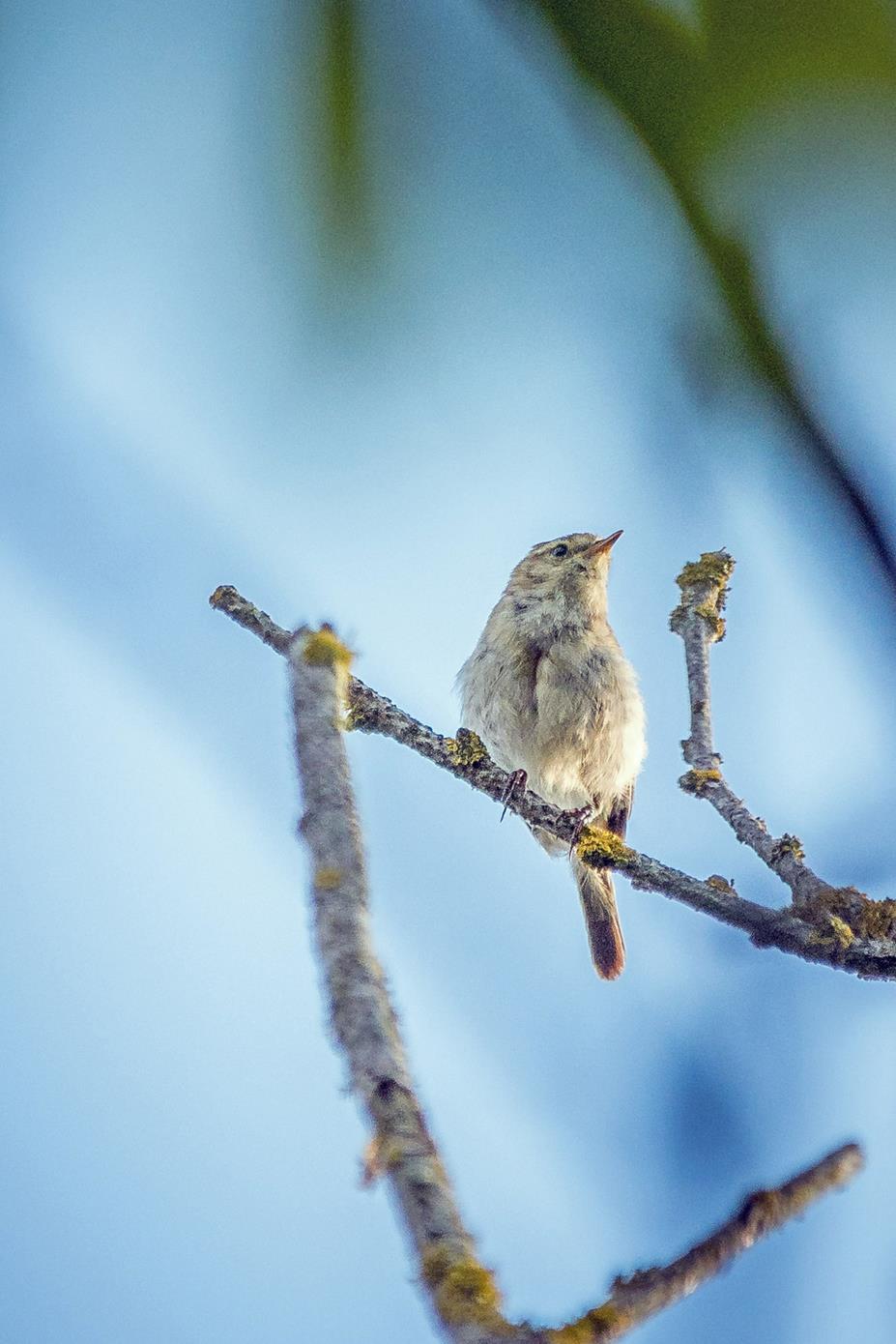
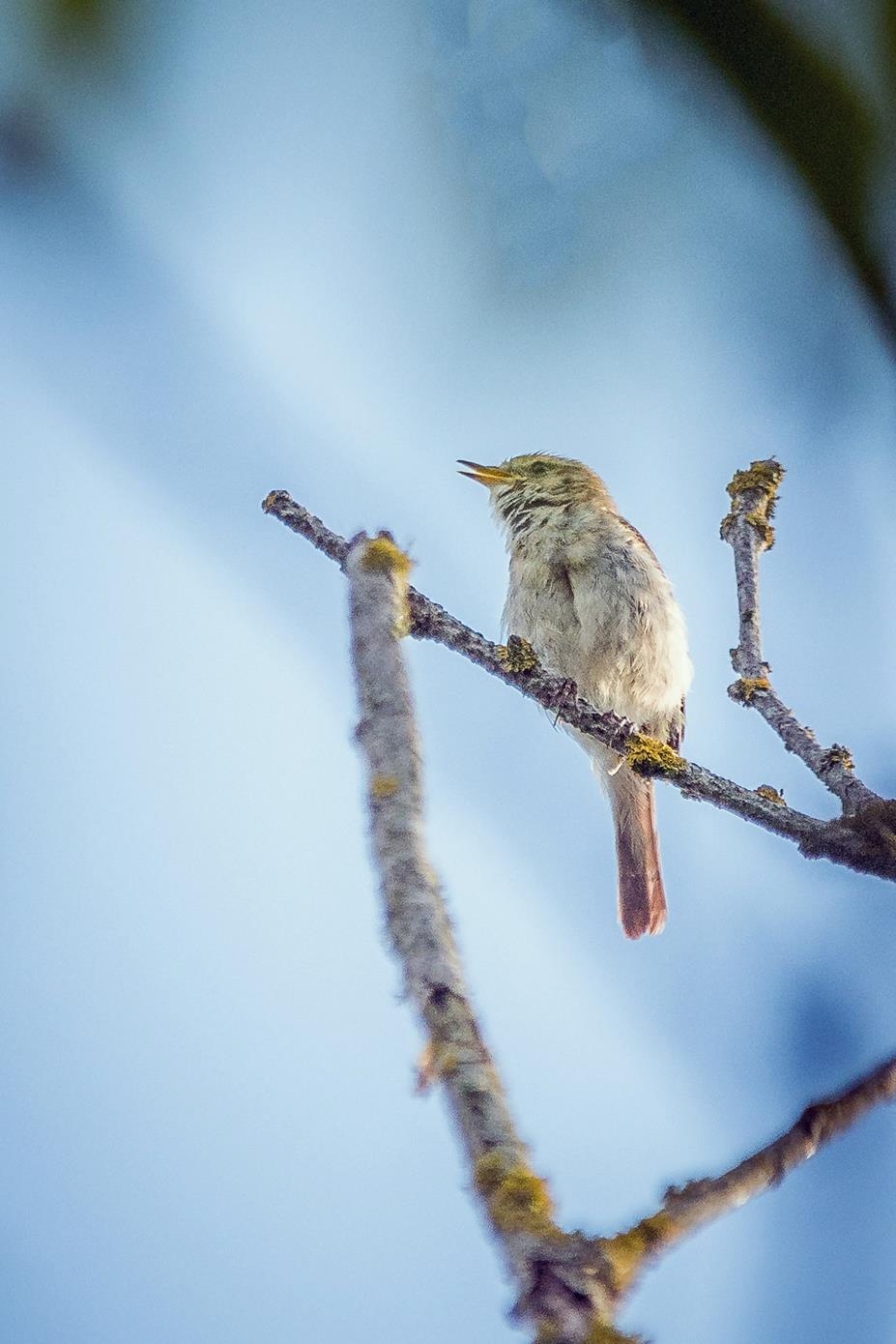
Pictures by DKG
Related posts:
By Sarah Marsh
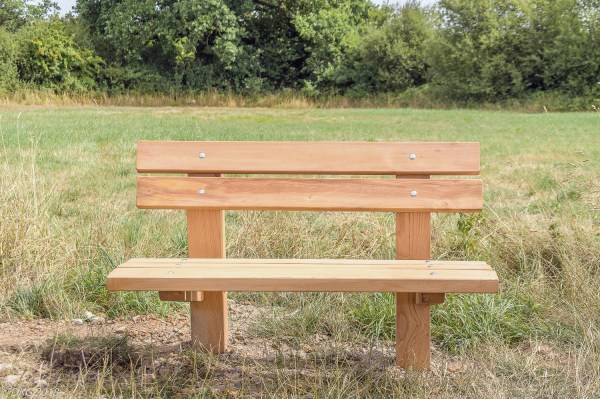
“A new year and time to reflect on the old one and where better than on one of two seats donated by Asda. The Friends of Southwick Country Park applied for their tokens scheme and when customers voted for us we were awarded £500.
Continue reading “Asda benches”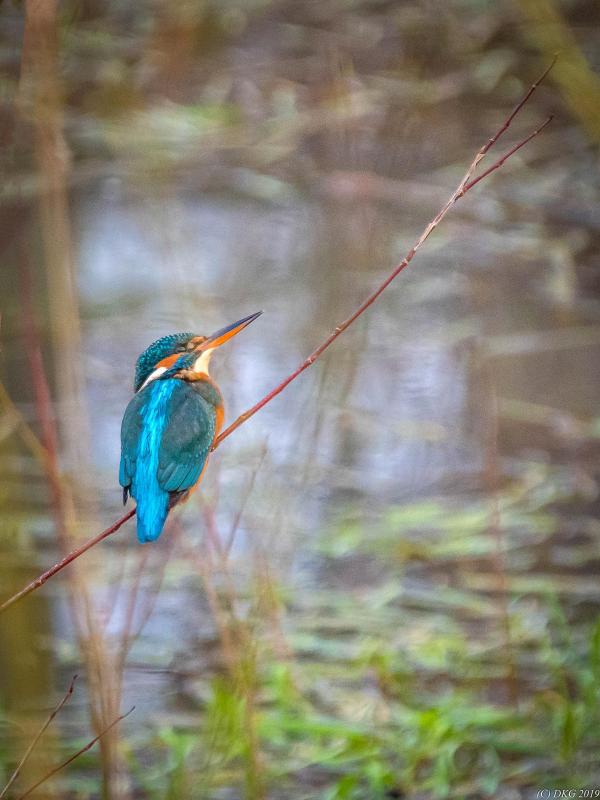
The kingfisher (Alcedo atthis) that DKG photographed at the weekend is a female. The male bird has an all black beak while the female’s lower mandible is orange with a black tip.
Kingfishers are highly territorial; they pair up in the winter but keep separate territories until the following spring. It is probable, therefore, that our female has already paired up with a nearby male.
A kingfisher’s territory covers, on average, a kilometre of waterway; our female will be looking for a nesting site either very close to, or in the park. The Lambrok’s steep clay banks may well be perfect.








 Southwick Country Park Nature Reserve