A marbled white (Melanargia galathea) on creeping thistle flowers, photographed in the park yesterday by Julie Newblé. If you look carefully, there are at least three common red soldier beetles hidden in the picture.
Thanks Julie.

A marbled white (Melanargia galathea) on creeping thistle flowers, photographed in the park yesterday by Julie Newblé. If you look carefully, there are at least three common red soldier beetles hidden in the picture.
Thanks Julie.

The gatekeeper (Pyronia tithonus) reported in last week’s butterfly transect has turned out to be a winner.
Continue reading “Another win!”
The park’s first ringlet butterfly (Aphantopus hyperantus) of the year was seen and photographed in Sleepers Field on June 10th. This newly hatched adult was a smooth, velvety dark brown fringed with white, its underwings clearly marked with the rings that give the species its common name.
Continue reading “National Insect Week – Day 2”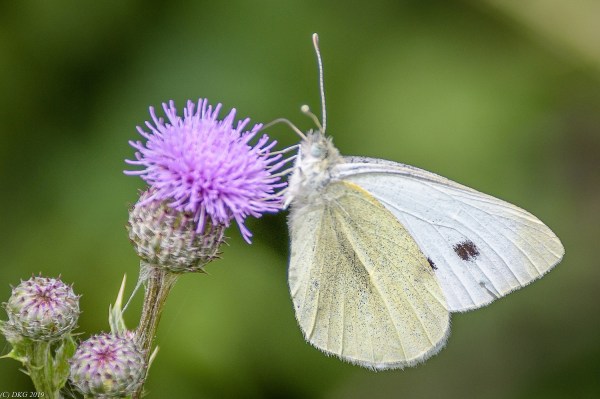
A question from a reader:
If I want large white butterfly caterpillars in my garden AND I want my kale, is that like trying to have my cake and eat it? I suppose they don’t eat anything else, do they? I have sent you a photograph.
Liz

A nest of peacock butterfly caterpillars found in the park by Isabelle Newblé, aged 9, and photographed by her mother, Julie. Well done both of you!

The peacock caterpillars in the nettles in Simpson’s Field are growing fast.
Continue reading “Peacock”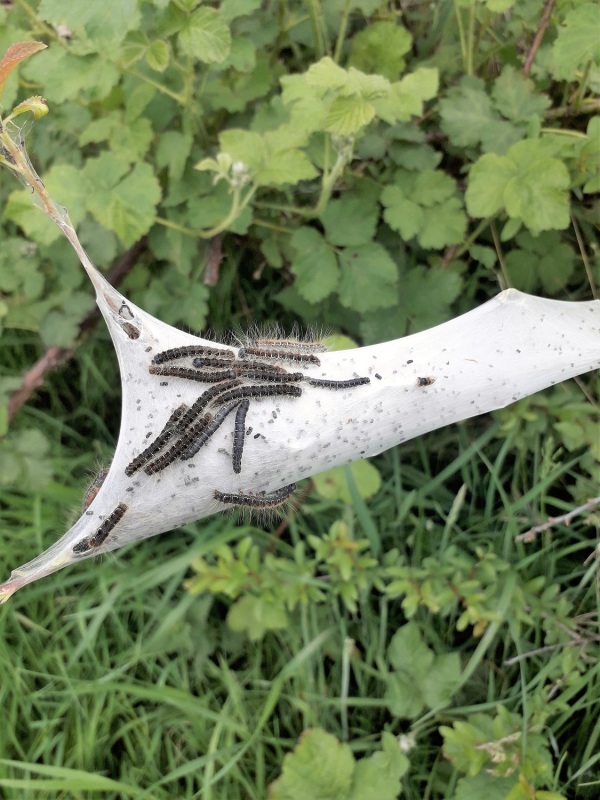
Please do send us pictures of the flora and fauna you come across in the park, particularly if you don’t know what it is. We are happy to help with identification. To encourage you, here is our Messenger conversation with Julie about the caterpillars she found and photographed.
Continue reading “Messages about moths”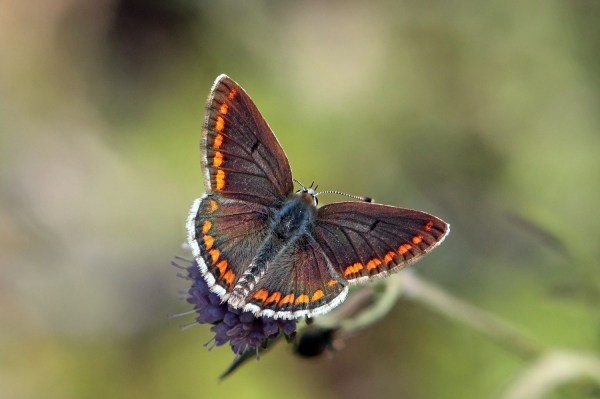
In the last ten days, three new species of invertebrates have been discovered in the park, photographed and identified by experts: an azure damselfly, a tent web of small eggar moth caterpillars and a brown argus butterfly.
Continue reading “A third new species”
On Sunday, Julie Newblé sent us pictures of caterpillars in a tent-web she found strung between blackthorn twigs in the hedge at the top of the Arboretum.
Continue reading
This week has brought a report of the first of the summer’s meadow browns.
Continue reading “Meadow brown”
We now know the painted lady (Vanessa cardui) makes the longest migration of any butterfly: 9,000 miles from tropical Africa to the Arctic Circle, almost double the journey made by the previous record holder, the famed monarch butterfly.
It can take six successive generations of painted ladies to complete this epic journey, flying up to 1,500ft high and reaching speeds of 30mph. The butterflies that return to Africa at the end of the year are several generations removed from those that set out.
This astonishing and beautiful butterfly, spotted in the park for the first time last year, will begin arriving in Britain this month. Keep a look out for it.

Pictures (CC0) from pixabay.com

iRecord Butterflies is a free app for your smartphone that will help you identify and record any butterfly that you see in your garden while you are in lockdown. Your sighting will be logged by Butterfly Conservation and added to their records.
Continue reading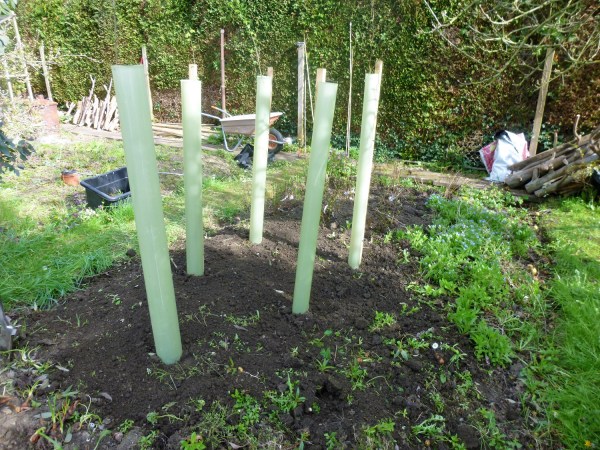

The Covid-19 lockdown has interrupted our plans for the five disease resistant elms donated to the park by Butterfly Conservation as part of their rescue plan for the white letter hairstreak butterfly.
Continue reading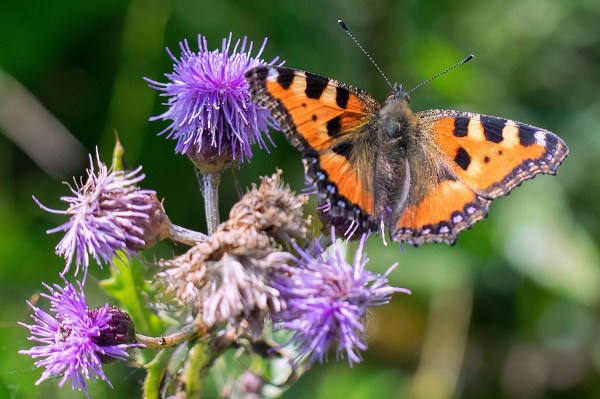
Last year’s record breaking summer was an excellent year for butterflies, with more than half of Britain’s species increasing their numbers.
Continue reading “Butterfly numbers”
While reviewing our species lists, we found that eleven species of our Lepidoptera are UK Biodiversity Action Plan Priority Species!
Continue reading “UK BAP Priority Species”
While rummaging through our species lists looking for ammunition to throw in the direction of Planning Application 20/00379/OUT, we found a 2018 record of a small heath (Coenonympha pamphilus) hidden in the Lepidoptera section. The small heath is the park’s third UK BAP Priority Species of butterfly.
Continue reading “Small heath”
We are going to use the last few days of 2019 to review the year’s new entrants to our species lists.
Continue reading “2019 review – part 1”
The Winter moth (Operophtera brumata) is one of the few moth species that can cope with winter’s freezing temperatures in its adult stage. They are endothermic which means that they can produce heat internally by biochemical processes, just as warm-blooded creatures do.
Continue reading “Winter moths”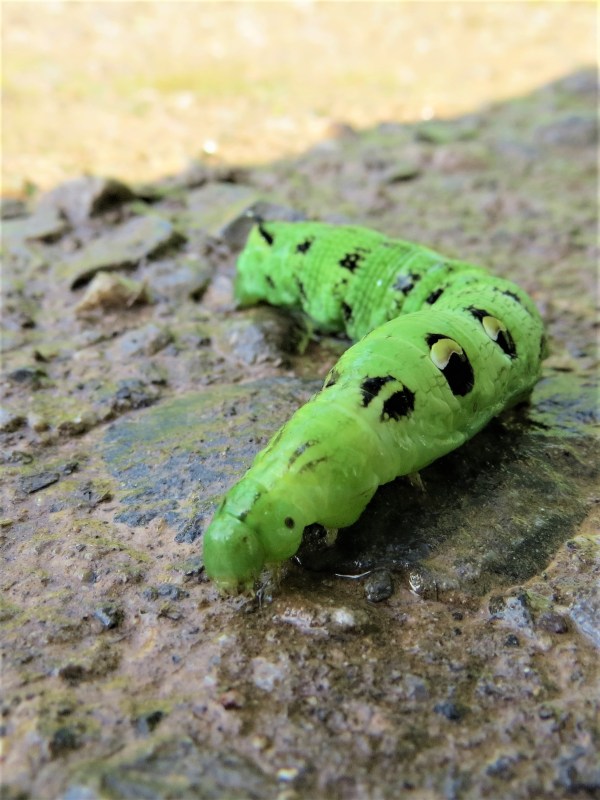
Elephant hawk-moth – Deilephila elpenor – one of the eighteen species of hawk-moths found in Britain, all of whose caterpillars have a characteristic horn at their tail.
Continue reading “Elephant hawk moth”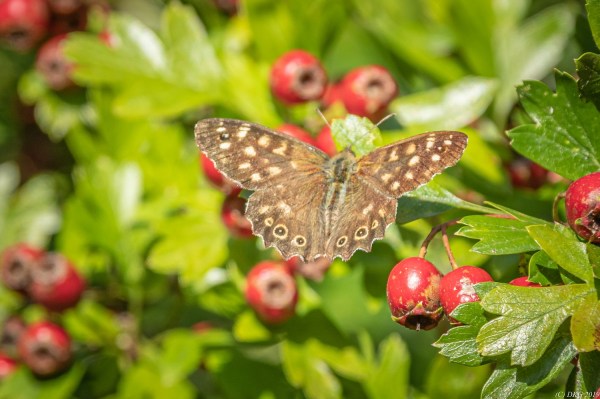
A speckled wood (Pararge aegeriais) on hawthorn berries photographed last weekend by DKG.
Continue reading “Speckled wood”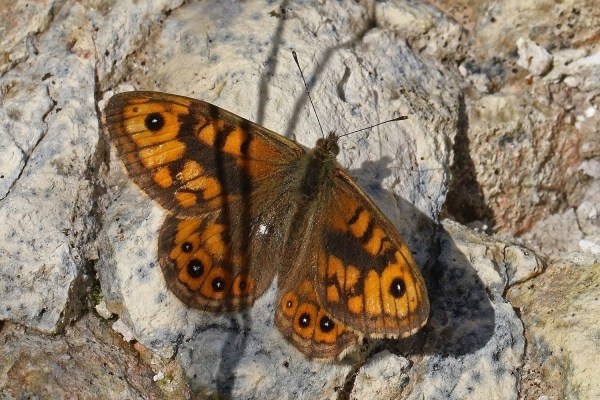
The disappearance of the wall brown (Lasiommata megera) from areas of southern England has mystified conservationists for two decades.
Continue reading “Wall”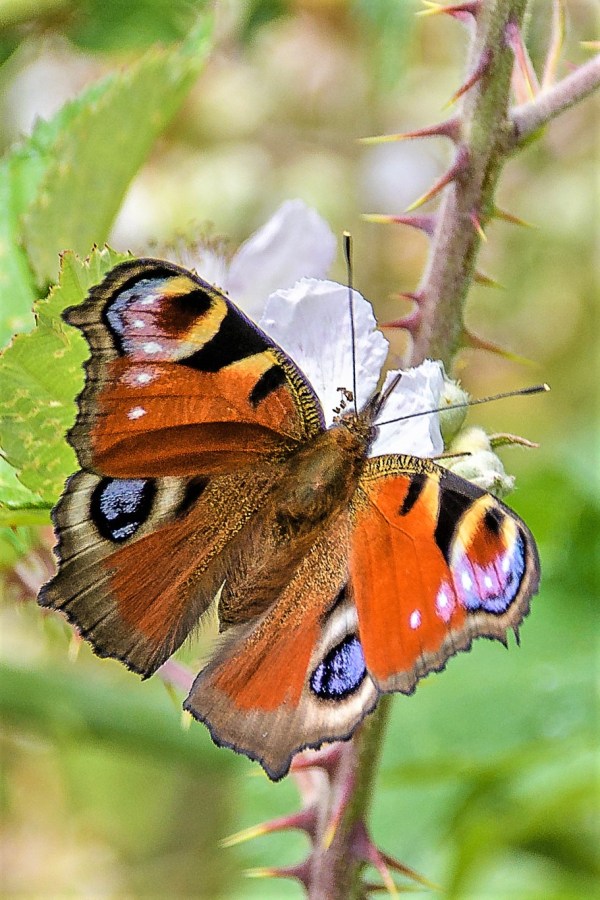
The Big Butterfly Count 2019 ended last weekend on August 11th. Citizen scientists made an amazing 104,294 counts and logged their finding on Butterfly Conservation’s website. Here is a link to the RESULTS MAP.
Continue reading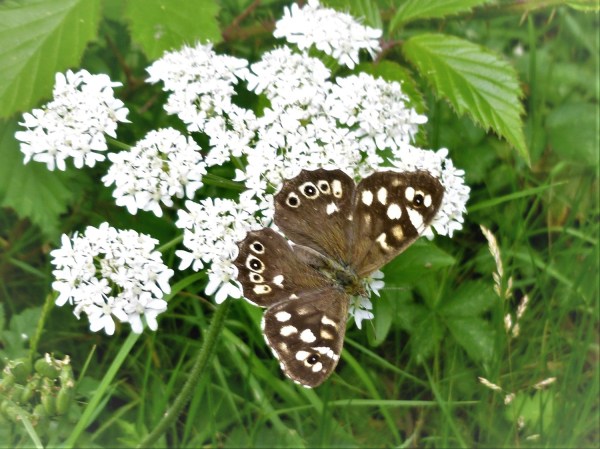
Lepidoptera is the name of the order that butterflies and moths belong to.
Click here for five fascinating facts about lepidoptera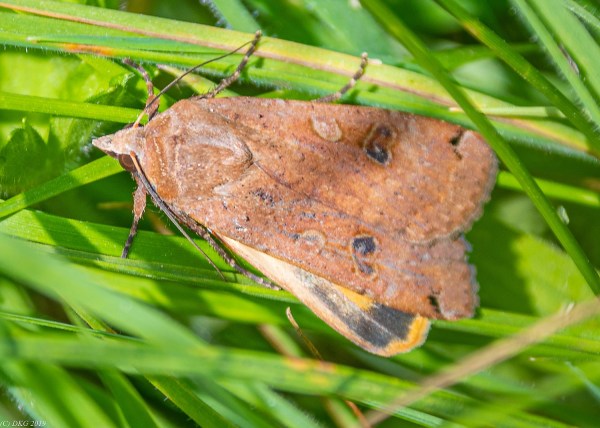
The large yellow underwing moth does exactly what it says on the box; it is one of the largest of Britain’s moths and is easily identified by its yellow underwings, bordered with black. If disturbed as it rests during daylight, it flashes the bright orange-yellow of its underwings in an attempt to scare off any predators.
Continue reading



 Southwick Country Park Nature Reserve