Last week there was a report of a pair of goldcrests in the conifers by the path at the top of Simpson’s Field. Goldcrests are Britain’s smallest bird; a tiny flash of yellow against the dark green of a pine tree.
Continue reading “Goldcrest”Wood pigeon
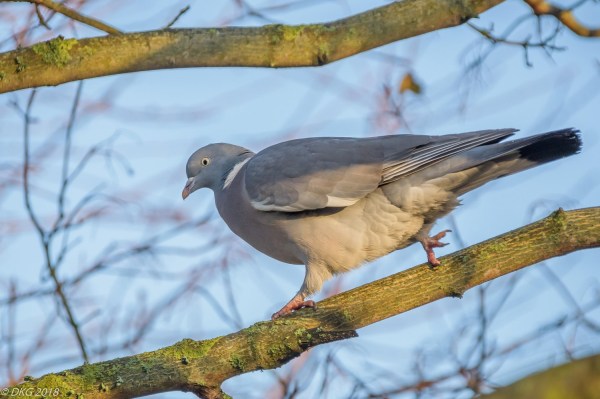
The park’s wood pigeons (Columba palumbus) are pairing up for their long breeding season.
Continue reading “Wood pigeon”Red kite
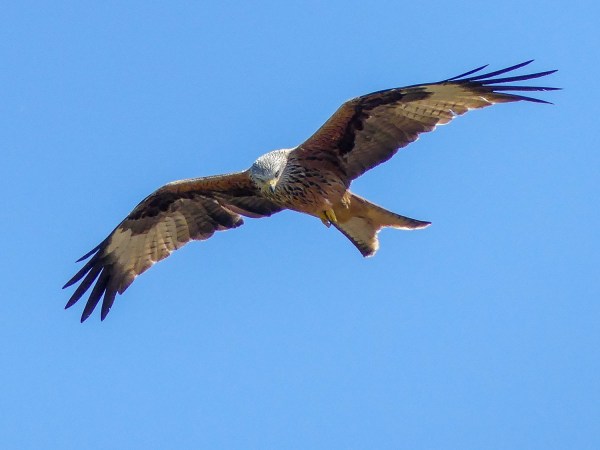
A red kite (Milvus milvus) was seen over the park on Sunday.
Continue reading “Red kite”Throstle
Throstle is the Old English name for a song thrush. We have several breeding pairs in the park; if you visit early in the morning, wherever you go, you can hear a throstle singing about his territory and challenging competitors.
Read on for conservation status and a recording of its songOur chiffchaffs are back
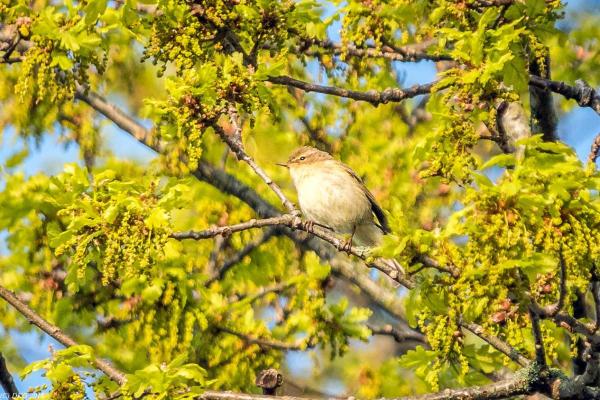
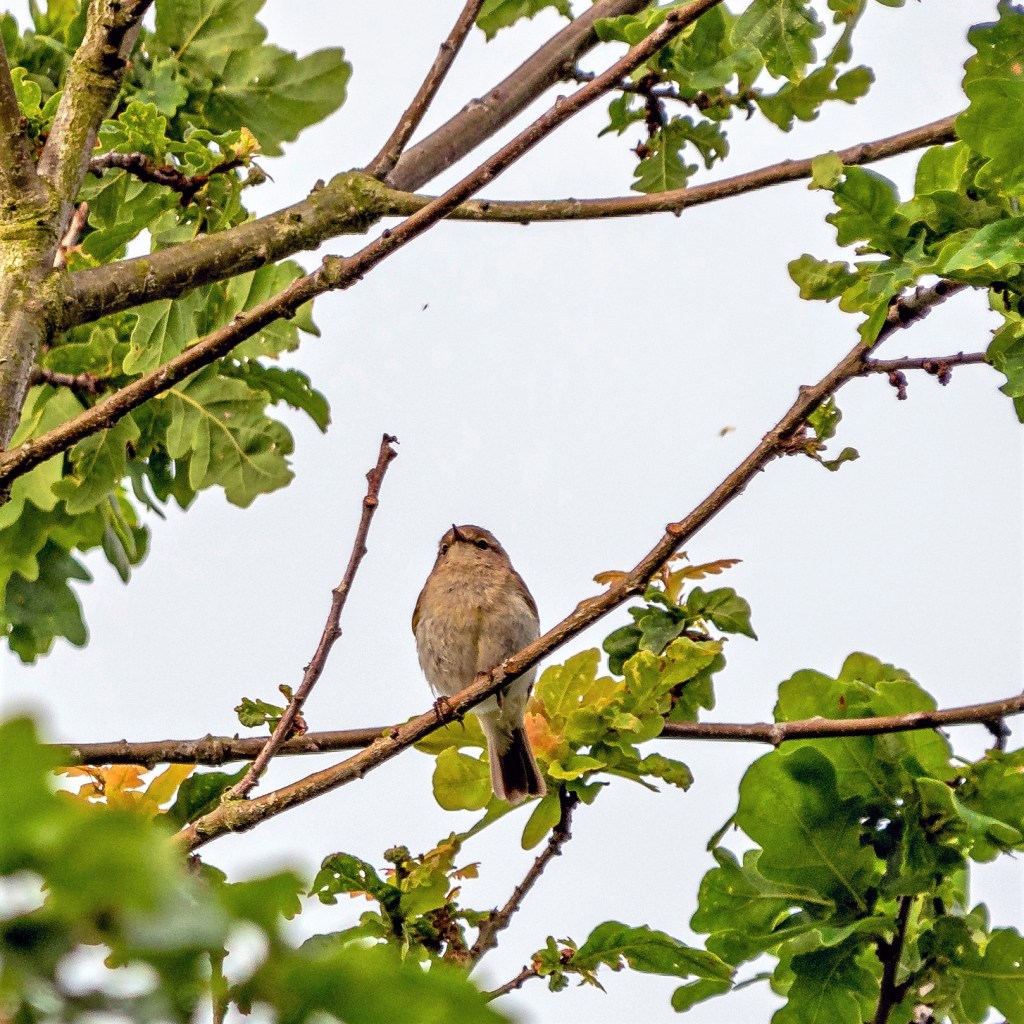
Chiffchaffs are tiny birds, no bigger than a blue tit. Most are migrants, overwintering in southern Europe or northern Africa and returning here in the spring to breed.
Continue reading “Our chiffchaffs are back”The barn owls are back!
Message from Julie Newblรฉ yesterday:
Spotted a barn owl at 05:56 this morning. Flew from green area by bridge in Lambrok Close along the stream towards their tree.
Thank you, Julie, for keeping us informed.
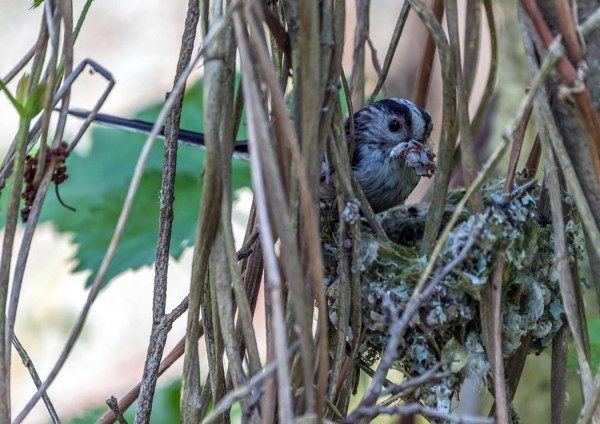
Continue readingLong tailed tits nest early.
Continue readingA Stroll in the Park
Mail from Ian Bushell:
Continue reading “A Stroll in the Park”Has anybody seen the owls?
Two years ago, in the first week of March, there was a pair of barn owls in the park. They hunted over Lambrok Meadow and the field between Lambrok Stream and Church Lane where a developer plans to build 45 houses.
Continue readingReturning chiffchaffs
Has anybody heard our chiffchaffs yet? This is the time of year when they come back from the Mediterranean and Africa to nest here and their unmistakeable call is a welcome sign that spring is here. Message or email us if you have heard them .
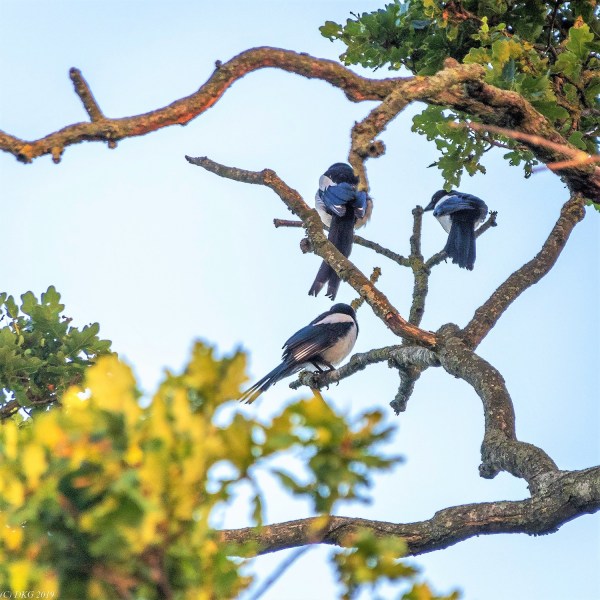
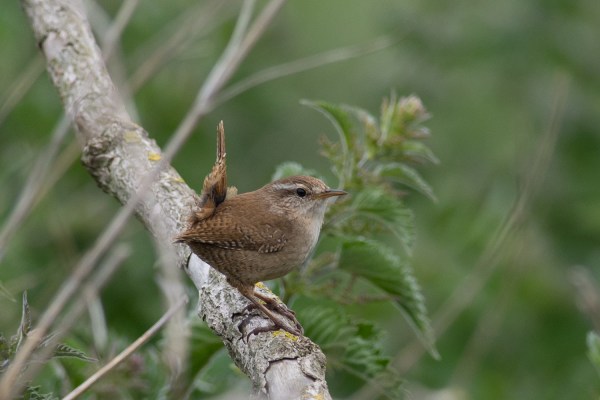
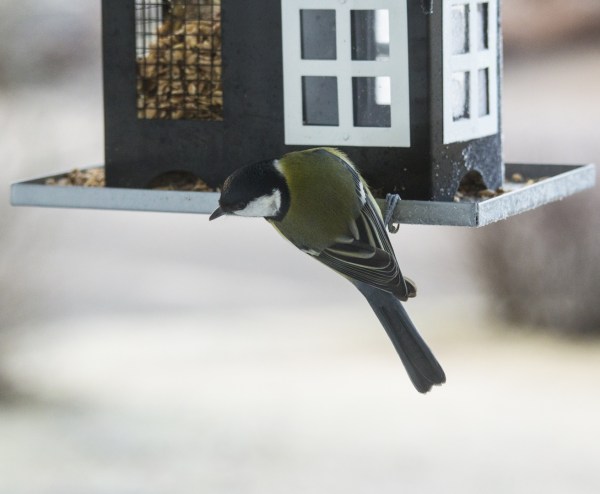
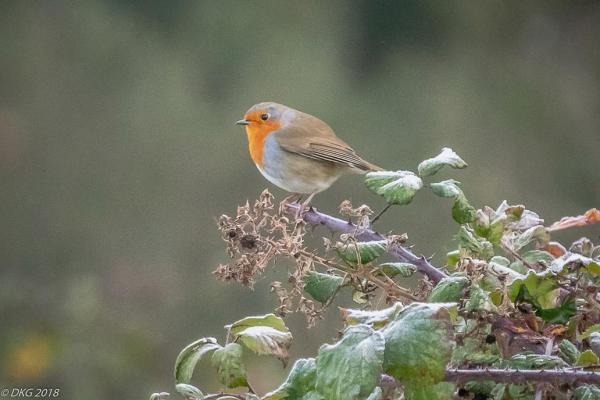
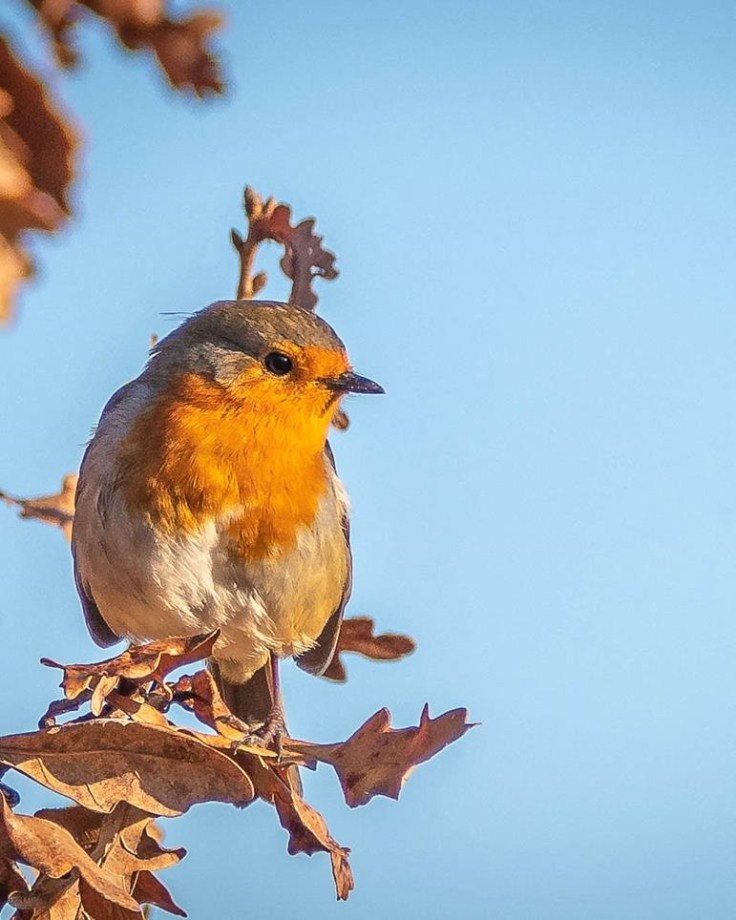
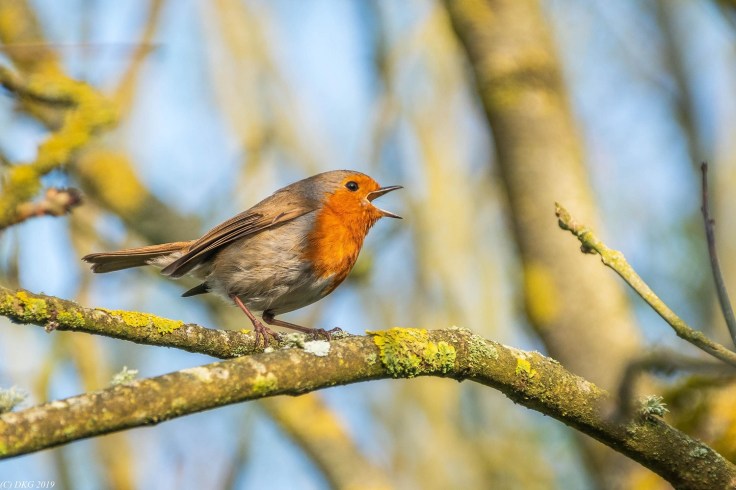
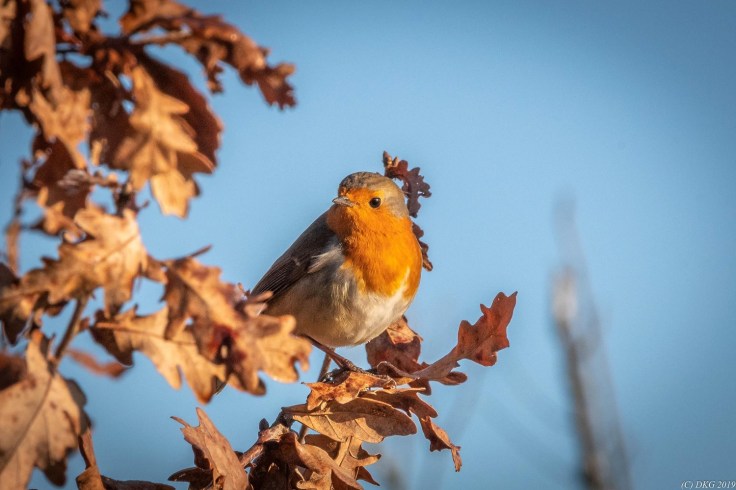
All these pictures were taken in the park by DKG.
Here’s an interesting data set from the British Trust for Ornithology.
Continue readingGoldfinch
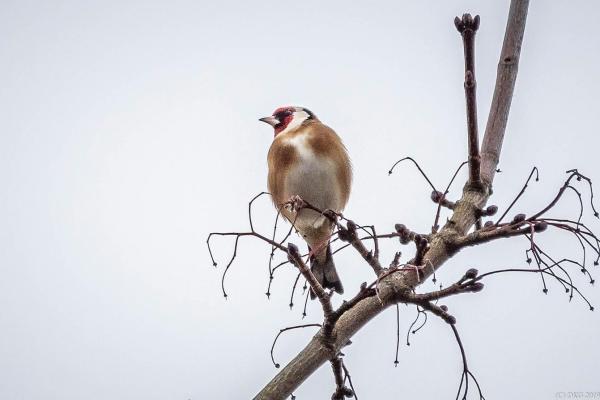
An expedition into our archives produced this post from February of last year, and a beautiful picture of a goldfinch high in an ash tree taken by DKG
Continue reading “Goldfinch”Rooks in February
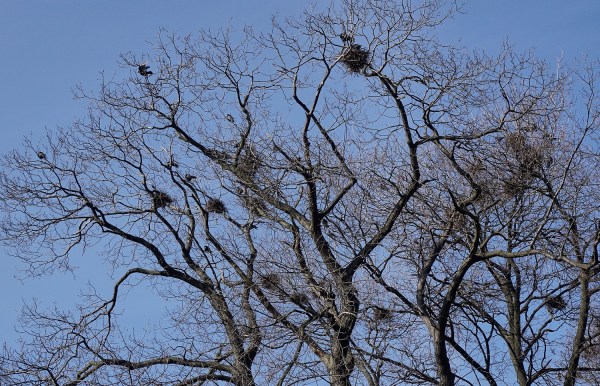
Before the end of February, the park’s rooks will have started collecting building materials for their nests. Here is a video that shows us what kind of behaviour to look out for:
Video by Film Studio Aves;
Header picture (CC0) pixabay.com
Birds of Conservation Concern Red List
According to the RSPB, there are 67 species of British birds now on the Birds of Conservation Concern Red List, more than ever before. The Red List are those birds that need urgent conservation action if their falling populations are to survive our environmental emergency.
Continue readingBullfinch
There is a male bullfinch in the hawthorn hedge between Sleepers and Cornfield. He has been spotted on a couple of occasions this week.
Continue reading “Bullfinch”Blackbird singing in the dead of night
We usually write about the park but today we are branching out a good half-mile, as far away as the junction between Frome Road and Manor Road on the A361.
Continue reading “Blackbird singing in the dead of night”The winter thrushes
Fieldfare (Turdus pilarus) and redwing (Turdus musicus), migratory thrushes from mainland Europe, are common winter visitors to the park. They are easily confused; here is a video to help you distinguish the two species.
Header picture: Fieldfare (Turdus pilaris) by Teresa Reynolds (CC BY-SA 3.0)
Winter fishing
Keep an eye out for the kingfisher that Jay Pickard saw and photographed two weeks ago.
Continue reading “Winter fishing”Jenny Wren
Jenny Wren, the Eurasian wren, Troglodytes troglodytes.
Continue reading “Jenny Wren”Christmas bird table
Treat your garden birds with a Christmas bird table. Here are some suggestions:
Continue reading “Christmas bird table”