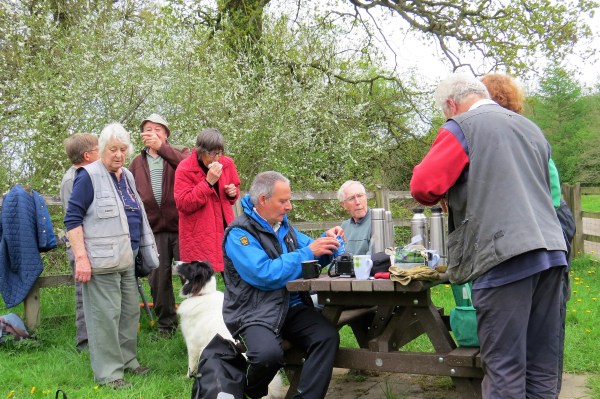
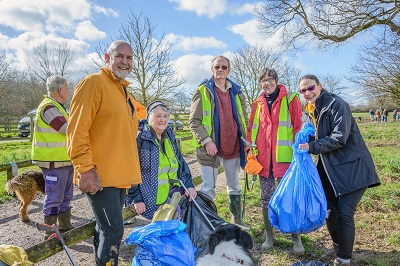
I was out in the park just recently taking our two dogs for their daily walk, when I was fortunate enough to encounter a group of Friends together with a nice lady from the Wiltshire Council Countryside Team.
This month’s report is all about our volunteers and the work they do. Without the Friends, the Park would be in a sorry state as the Countryside Team gets ever smaller and funding is limited. We are all unpaid and give our time willingly to keep the Park looking lovely and preserve it for future generations. But working in the Park is just one part of the Friends commitments.
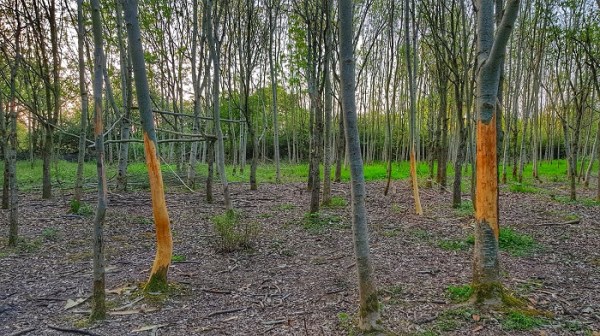
The vandals are back. Last night we got this message from DKG:
“Just returned from a walk around the park with Chris S. Unfortunately the vandals are back. Four trees have been ring barked in the copse in Village Green, the same area where we had trouble last year. If it was children they knew what they were doing, looking closely at the damage, they were not using small pocket knives.
I dread to think what will be damaged next. Especially with the summer holidays approaching. Once people think it’s a good idea to damage trees in this way, where/what next? “
Ragwort has many common names; in fact some, like stinking willie and marefart, are downright vulgar. Both refer to the plant’s unpleasant smell. Another set of names, staggerwort, stammerwort and sleepy-dose, are about to its toxicity. Then there is felonweed, swine grass and our personal favourites: scrog and weeby.Continue reading “Stinking Willie and Marefart”→
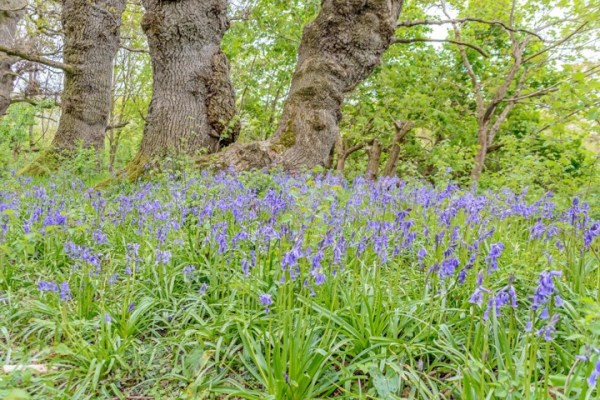
Our native species of bluebell (Hyacinthoides non-scripta) is threatened by the spread of Spanish squill (Hyacinthoideshispanica), a similar species imported into our gardens from southern Europe during the 17th and 18th centuries.
Despite the announcement on Wiltshire Council’s website and in the Wiltshire Times, the Traffic Regulation Order notices that have gone up in the car park do not mean that parking charges will be introduced at Southwick Country Park. They are part of the formal consultation process that the county has to complete in order to change their car parking strategy. Such notices have gone up in several car parks across the county.
The Friends, on a wet and squelchy day last week, prepared to survey the park’s slow worm population. Here is DKG’s report:
…cut…
…and numbered…
“Mats were cut and numbered for the slow worm survey with 40 mats laid in 4 areas (10 per area). These will be monitored in the coming weeks once we have some warmth and hopefully some dry weather. Areas covered included Brunts Field, Kestrel Field and Ash copse in Sheep field. The Village Green mats will be laid out during the next work party as the area was too sodden to reach.”
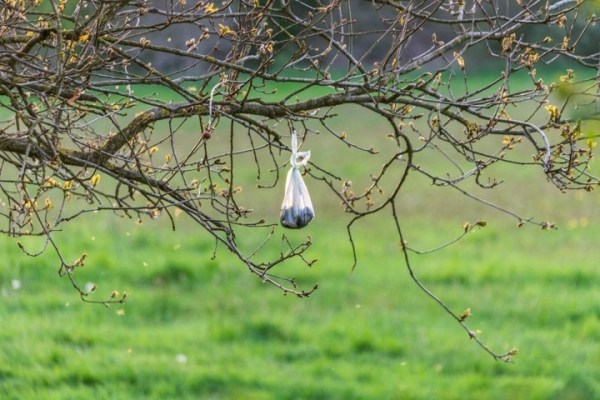
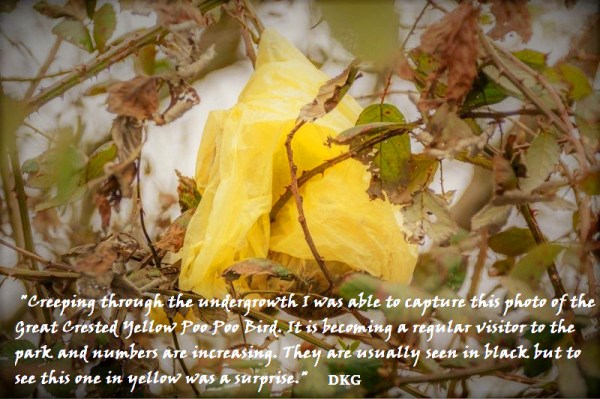
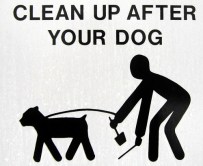
This is the second in our series of posts about scooping dog poop in the park; the pun in the title is intentional.
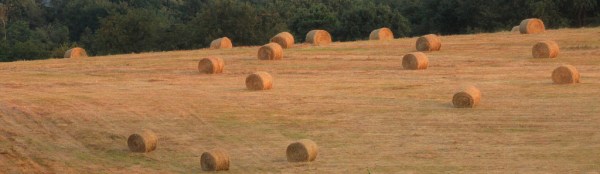
Most of the park’s fields are let to a local farmer who takes two cuts of grass from them each year. That crop is sold on, as hay or silage, mostly to feed horses and farm animals. Some of it, though, will end up in your gardens in rabbit and guinea pig cages. If the hayfields are contaminated with dog faeces, so is the hay.
Dogs are part of the life cycle of two parasitic organisms that cause diseases, neosporosis and sarcocystosis, in farm animals. In dogs, they rarely cause symptoms, are hard to diagnose and almost impossible to treat, but the parasites’ eggs will be present in the dogs’ faeces. In cattle or sheep who become infected by eating feed contaminated by faeces, these parasites can induce abortion, cause neurological problems, and even result in the death of the animal.
Sarcocystosis and neosporosis are caused by the same organisms that, in horses, can cause equine protozoal meningitis.
The prevalence of neosporosis and sarcocystosis in dogs and farm animals is unknown in the UK, but it is thought to be common and very much under-reported. As there is no effective vaccination or treatment for either, vets recommend avoidance: don’t feed your pet raw meat and don’t leave dog faeces on agricultural land.
Most of the park is agricultural land, producing animal feed; please clean up after your dog.
This is the second post of a spring campaign; let’s keep our park poop-free.
Pictures: Google Images
Related posts:
Reasons to scoop poop; no 1DKG’s pics of poo-bags.
The winter weather has not been kind to the Friends and all over the Park the ground has been very boggy and waterlogged. When it has stopped raining, we had to endure bitter icy cold winds blowing from the east. However, we are a hardy bunch and only missed one session of volunteer work and that was due to Countryside Team staff illness!
Surprisingly, once we find a sheltered spot we can work well and keep warm. Again, we have been tidying around our magnificent oak trees clearing away scrub and bramble and already the signs of Spring can be seen. Snowdrops in particular have been seen all around the Park and the daffodils are appearing and beginning to bloom.
Pat
Ian
Trish and Clive
Vicky
Clive
Sarah and Suzanne
Frank and Andrew
Andrew
The volunteers joined the annual Great British Spring Clean this year and we gathered on Saturday, 10th March. The weather was poor and the Friends were joined by Councillor Horace Prickett.
Ten sacks of rubbish and a lorry tyre.
We managed to collect 10 bags of rubbish including a worn out rubber tyre. The depressing thing about collecting litter is that a week later it all needs doing again and it is very hard to understand why people throw litter, doggy poo bags etc. in an area they like to use for leisure. As I have mentioned before our volunteers regularly pick up litter and are very grateful to the many members of the public who also collect rubbish when they are using the Park. It is good to know there are many “FRIENDS” of the Park who feel like we do and want to keep this amenity clean for all.
This article has also been published in Southwick Village News.
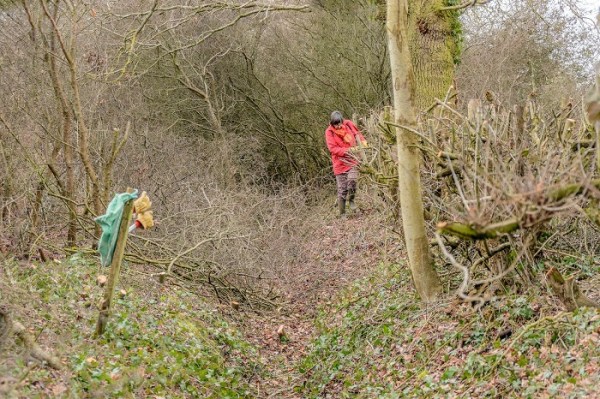
Hats and scarves was the order of the day for Wednesday’s work party, and hedges and ditches, out of the east wind, were the best places to spend the morning. The park, however, was getting on with spring to an accompaniment of birdsong.
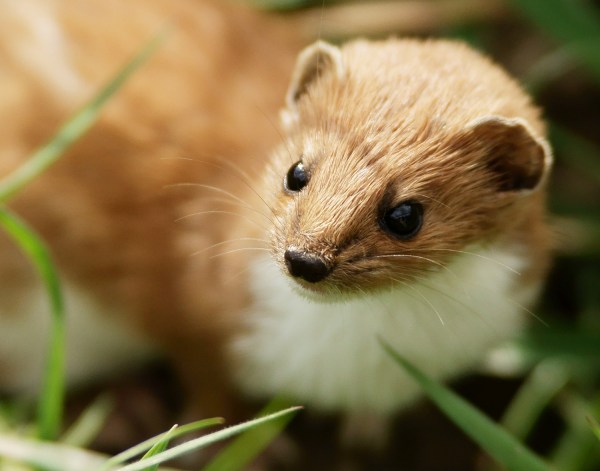
Trish saw a weasel hunting through the hedge; it ran across the picnic place and the track and into the brambles. Low down in the brambles, beyond the reach of Dave’s camera, we found a long-tailed tits’ nest, half-built: a ball of moss, hair and lichen, lined with downy feathers. A weasel is dangerous company for breeding birds; it will take eggs and nestlings, particularly if it is feeding its own nestful of young.
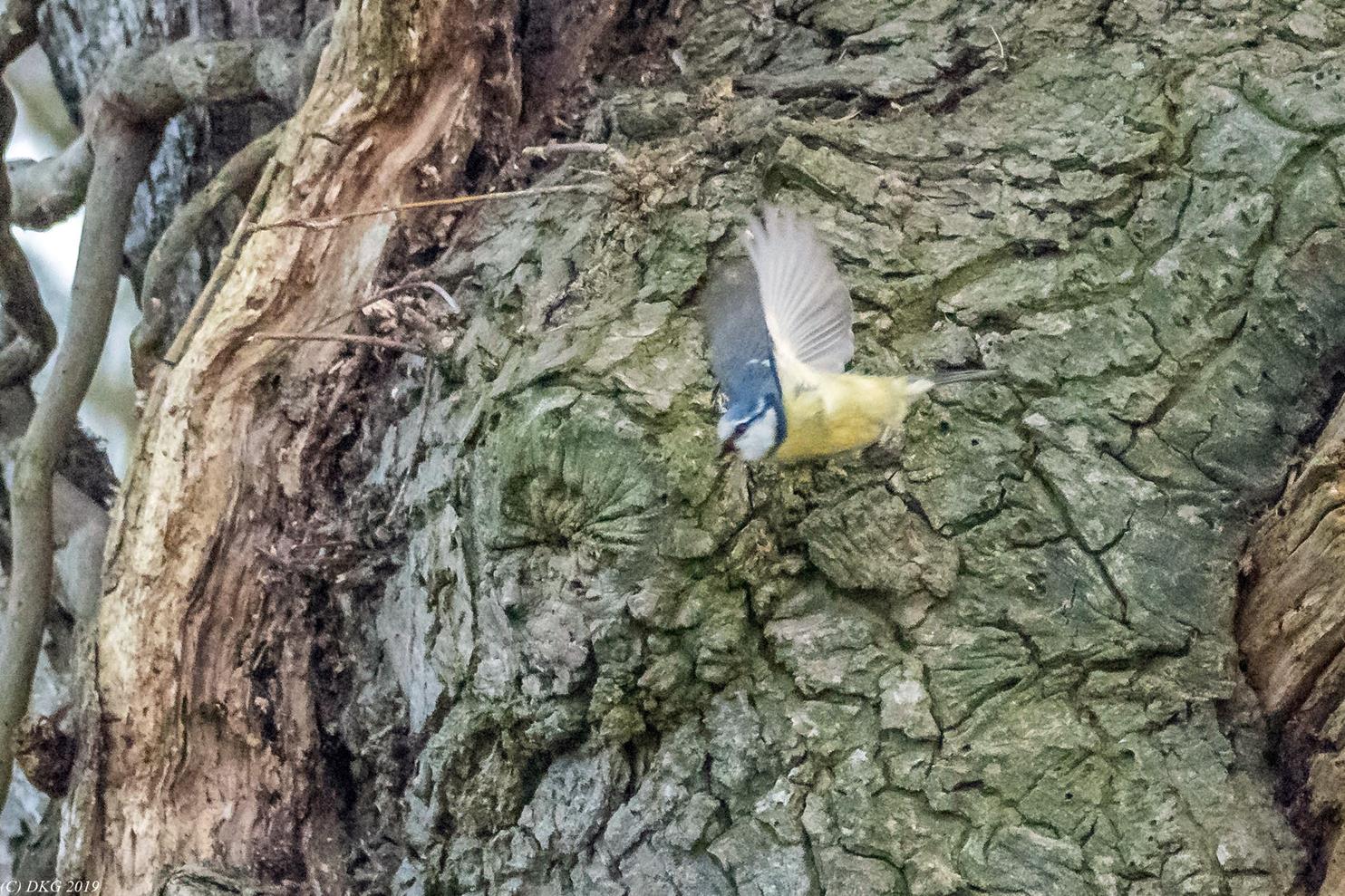
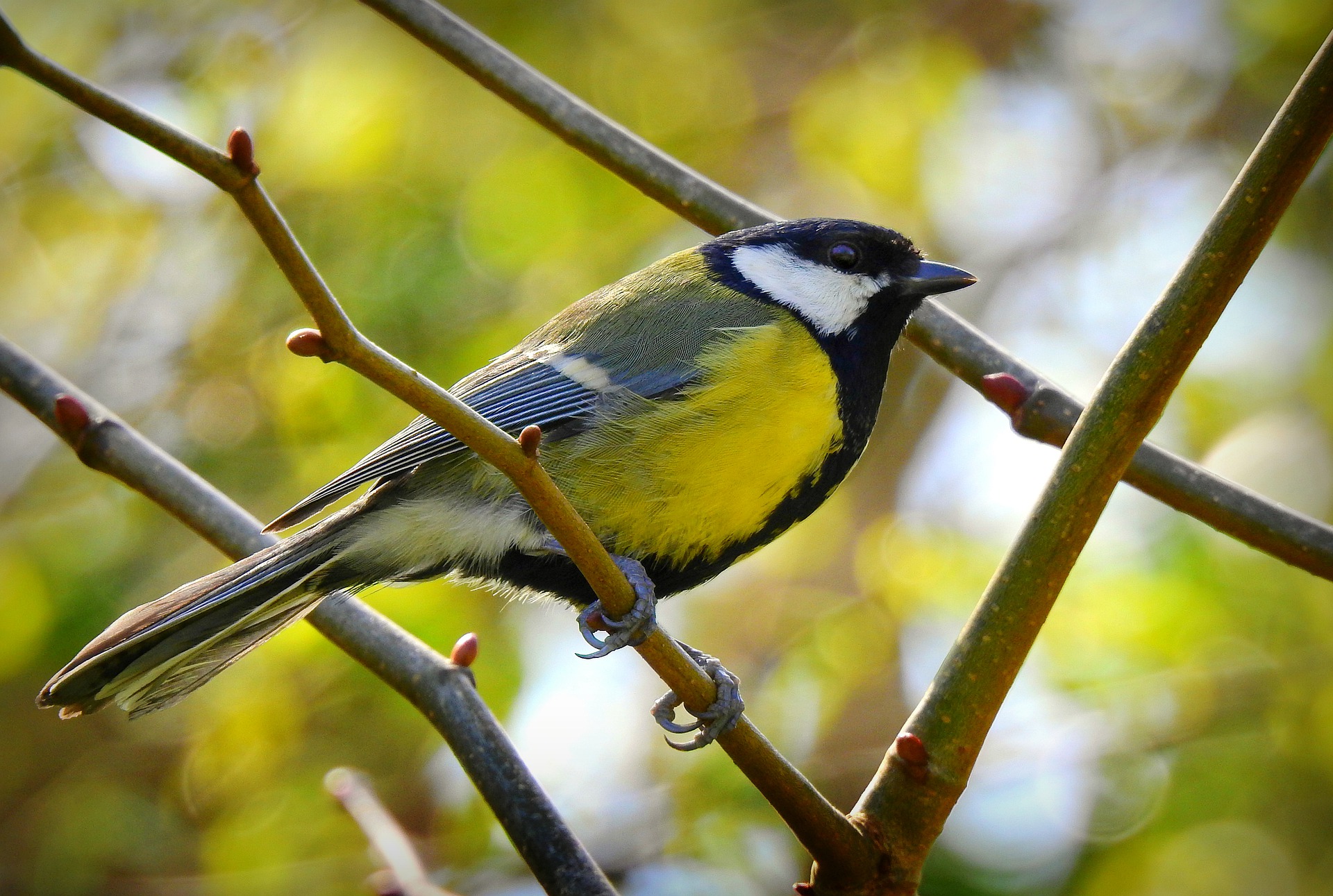
While we drank coffee and ate home made cakes, a pair of blue tits were trying out nest holes in the very highest branches of the ash tree at Fiveways. In the oaks, above us, robins and great tits shouted loud territorial challenges at each other.
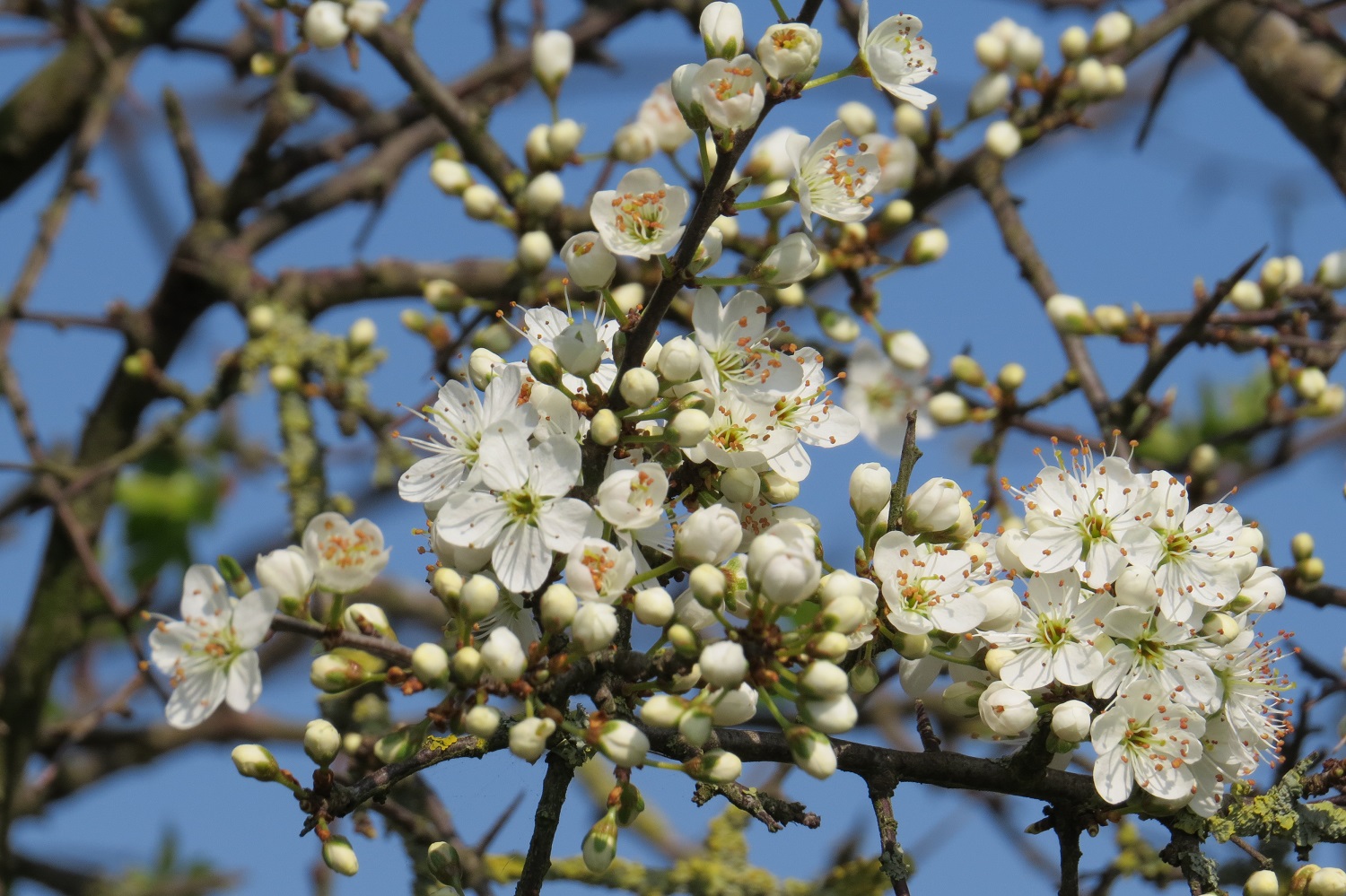
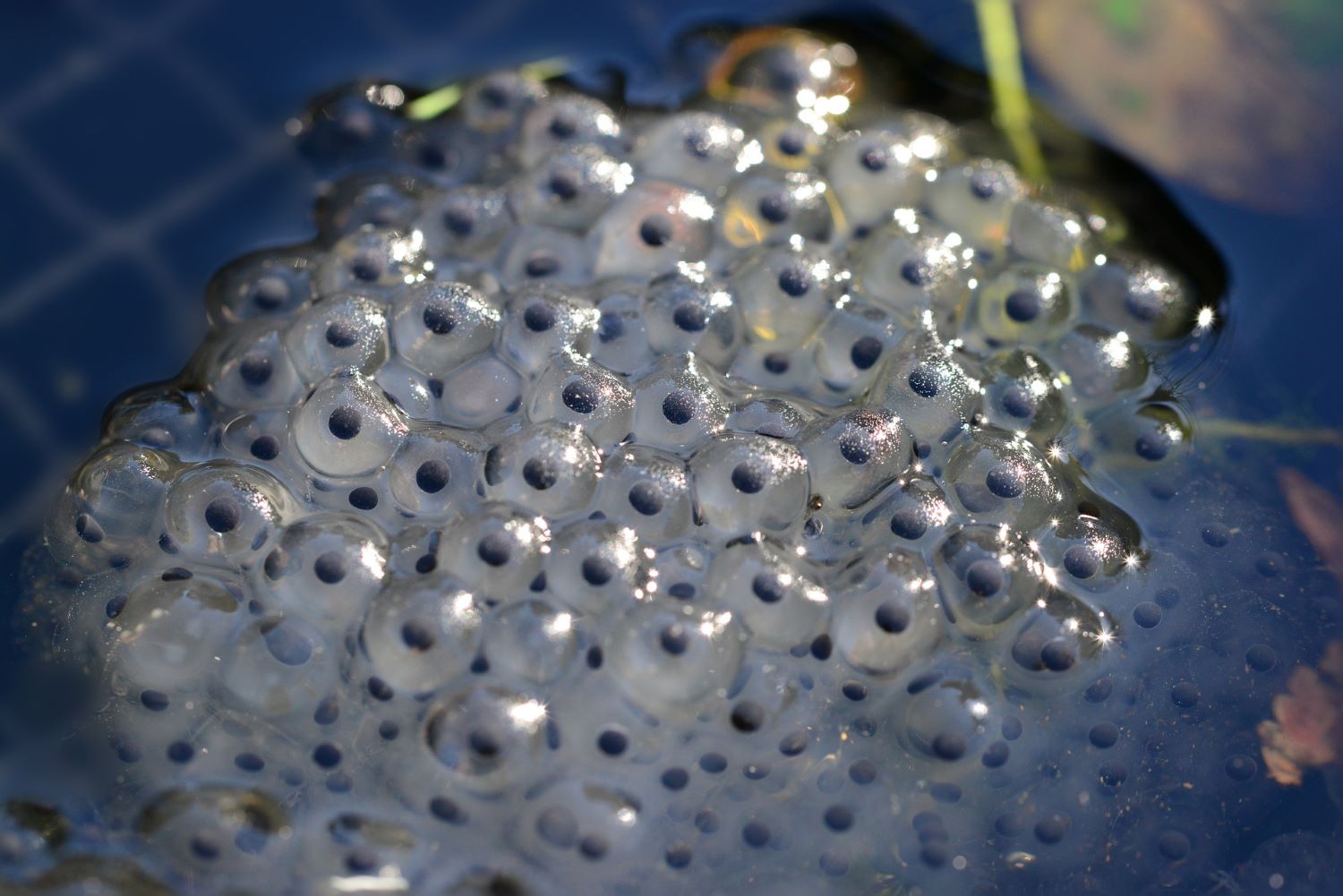
A great spotted woodpecker worked its way up the trunk of an oak tree in the hedge between Cornfield and Sleeper Field, and three green woodpeckers flew overhead towards the copse in Sheep Field. The blackthorn is in flower, primroses seem to be ignoring the arctic start to their growing season, and leaf buds are swelling on the trees. Ian says there is frogspawn in the little pond!
It’s such a pleasure to work in the park on a spring day.
Header image: weasel by Peter Trimming (CC BY 2.0) flickr.com
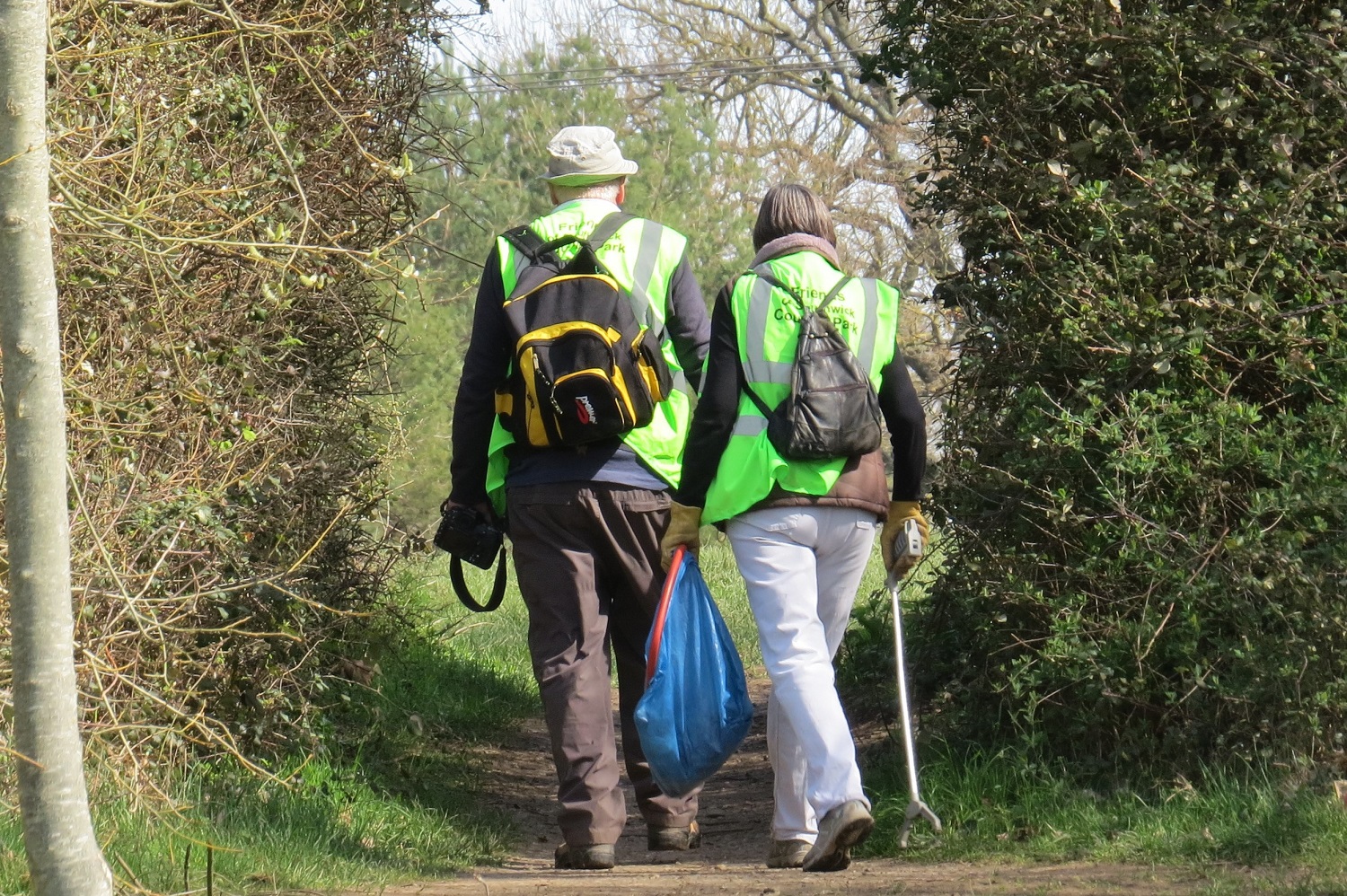
One of the perennial jobs around the Park is collecting litter. Most weeks sees one of the Friends with litter picker and rubbish sack in hand. All sorts of rubbish is found especially during the winter months when the foliage dies back and it is easier to spot.
Recently you may have seen that the overhanging willows on either side of the path leading from the pond to Lambrok Meadow have been either removed or pollarded, opening up the whole area.
Southwick Flower Show made a very generous donation of £150 to the Park’s cause, for which we thank them. We used their gift for the purchase of a thousand native daffodil bulbs (Narcissus pseudonarcissus) which we planted, in October, around the edge of the woodland surrounding Village Green.





















 Southwick Country Park Nature Reserve